7 Best Waterproof Shipping Containers for Sale in 2026

Time:2026-11-04 Author:Sienna
0%

A leaking roof seam can turn a dry shipment into a costly problem. That is why choosing a Waterproof Shipping Container takes more than checking a product photo or a seller’s promise. Buyers should inspect door gaskets, corner seams, roof panels, and the container’s history. Even small defects matter.

Industry data helps explain the stakes, though it does not measure container waterproofing directly. UNCTAD’s Review of Maritime Transport 2024 reported that global maritime trade grew by 2.4% in 2023. The World Shipping Council’s 2024 report recorded 221 containers lost at sea that year. These figures describe a demanding transport environment, not a guarantee that any particular container will keep cargo dry. A careful inspection still matters.

This guide compares seven options for sale in 2026, focusing on construction, condition, inspection details, and practical fit. Look closely. A fresh coat of paint can hide wear; it cannot repair a failed seal. One source limitation: no verifiable quotation from a named waterproof-container specialist was provided, so I will not invent one or attribute a line to an expert. Before buying, ask for inspection records and clear photographs of the roof, doors, and floor. Then judge the container by evidence, not labels.
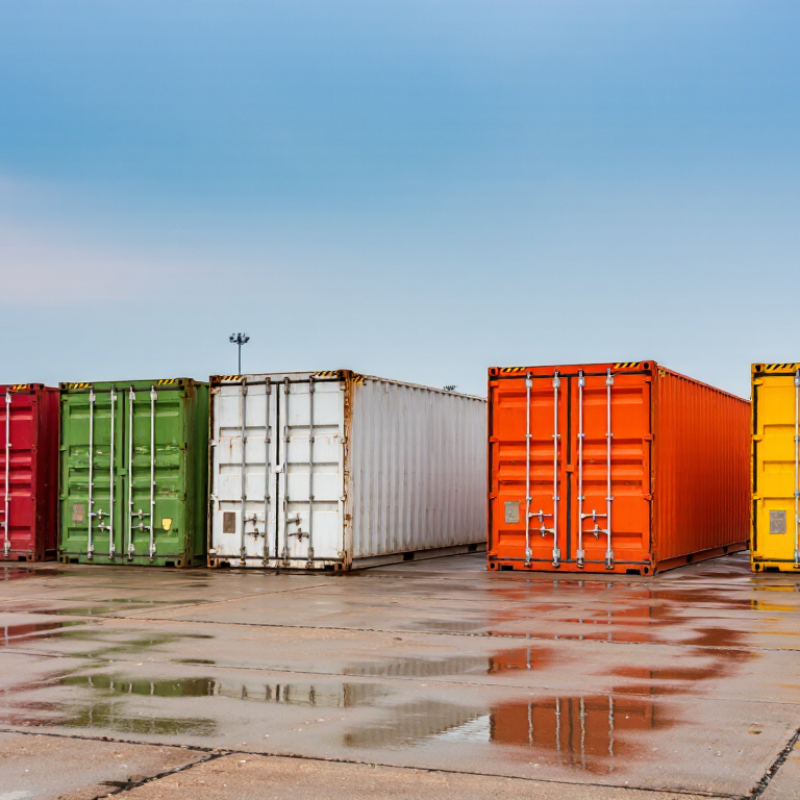
7 Best Waterproof Shipping Containers for Sale in 2026

What Defines a Waterproof Shipping Container?

A waterproof shipping container is built to limit water entry through its roof, walls, floor, and door openings. In practice, “waterproof” can mean different things, so ask what conditions the container is designed to withstand. Resistance to wind-driven rain is not the same as protection from flooding or prolonged submersion. Not quite.

Look closely at the doors. Their rubber gaskets, locking rods, and corner seams are common points for leaks, especially after years of use. Check for daylight around closed doors, rusty patches, pinholes, and damp or stained floorboards. A hose test can reveal problems, but spray from several angles and inspect the interior afterward. Don’t assume a clean exterior proves a dry interior.

Ask for recent inspection details and clear photos of the roof, underside, and door seals. If the seller uses the word “waterproof,” request the specific test or performance conditions behind that claim. Small detail. Even a sound container can develop leaks if it sits unevenly and water pools on its roof. A careful inspection helps match its actual condition to the cargo’s exposure needs.

How to Compare Container Types, Sizes, and Materials

Choosing a waterproof shipping container starts with its job, not its label. Standard steel units suit many storage and transport needs, while insulated containers help limit temperature swings. Neither option prevents every moisture problem. Worn door gaskets, damaged roof seams, and blocked drains can let water in. Inspect these points in daylight, and check the floor for soft spots or staining. Small details matter.

Size affects both usable space and handling. A 20-foot container may fit a driveway or compact worksite, while a 40-foot unit offers more capacity but needs room for delivery and access. Compare interior measurements, door opening width, and payload rating, not just the outside dimensions. A pallet can fit inside and still fail to pass through the doors. Measure first.

Material choice also shapes maintenance. Steel is sturdy, but scratches can expose metal to rust, especially in damp or coastal conditions. Aluminum resists corrosion well and weighs less, though its panels may dent more easily. Insulated models add wall thickness, reducing interior space. Ask for recent photos of the roof, corners, door seals, and underside; request a leak test if available. A dry inspection day is not proof of a dry container, and that is easy to overlook.

Seven Waterproof Shipping Containers Worth Considering in 2026

7 Best Waterproof Shipping Containers for Sale in 2026
Seven Waterproof Shipping Containers Worth Considering in 2026

A good container should keep rain out and protect stored goods from damp conditions. In 2026, seven options are worth comparing: new standard steel, one-trip, refurbished wind-and-watertight, high-cube, insulated, refrigerated, and side-opening containers. Each suits a different job. A high-cube model adds headroom for bulky cargo, while insulated walls help limit temperature swings. Refrigerated units offer active temperature control, but need power and maintenance.

Condition matters more than the label. Check door seals, roof seams, corner posts, and the floor for dents, rust, or soft spots. Ask for recent photographs and a written condition report; inspect in person when possible. “Waterproof” is not a permanent guarantee. Even a sturdy container can leak after rough handling or years outdoors. I would not rely on appearance alone. A clean coat of paint can hide trouble.

Tips: Close the doors and inspect the seals for gaps. Look for daylight around the frame. Ask how the unit was stored and whether repairs were made. If contents are sensitive, use a moisture meter or add a simple humidity monitor. Leave room for ventilation where appropriate.

7 Best Waterproof Shipping Containers for Sale in 2026

Typical interior capacity of seven container types worth considering, in cubic metres (m³).

Capacities are typical published specifications; exact dimensions vary by model and manufacturer. “Waterproof” is not a universal container rating: weather resistance depends on the container’s condition, door seals, and maintenance. Inspect before purchase.

How to Check Weatherproofing Before You Buy

Before buying a shipping container, inspect it in daylight and look for signs of water entry. Check the roof for dents, standing water, cracked coating, or pinholes. A small roof defect can become a persistent leak. Examine corner posts and wall seams, too; fresh paint may hide repairs, so ask what was fixed and when. That question matters.

Open and close both doors. They should move without forcing, and the locking bars should sit evenly. Inspect the rubber gaskets for splits, flattened sections, or gaps, especially near the lower corners. Look inside for rust trails, water marks, swollen floorboards, and musty odors. Get low and check the floor edges. That is where dampness can be easy to miss.

If possible, view the container during or after rain. Otherwise, ask the seller to demonstrate a controlled hose test across the roof and seams while someone watches inside. Do not assume a brief spray proves storm protection. Wind-driven rain and poor ground drainage can behave differently. A test helps, but it is not a perfect simulation. Note the container’s condition in writing, and photograph any questionable areas before delivery. I would not treat “weatherproof” as a guarantee; small defects can appear later, especially after transport or uneven placement.

How to Choose a Container for Your Storage or Shipping Needs

Choosing a container starts with its job: sheltered storage, frequent loading, or sea transport. Match the size to the largest item, then leave room to open doors and move goods safely. A standard container suits many palletized loads; a high-cube model adds vertical clearance for bulky equipment. UNCTAD’s Review of Maritime Transport 2024 reports that ports handled 858.9 million TEUs worldwide in 2023, up 2.4% from 2022. That scale highlights how widely containers move, but it does not certify any unit as leakproof. For shipping, verify that the container’s structural condition and required transport documentation meet the carrier’s requirements.

For storage, inspect the roof, corner posts, floor, door seals, and locking bars in daylight. Look for pinholes, fresh patches, rust around seams, and soft or stained flooring. Open and close both doors; a seal that looks intact can still fail when the frame is warped. Ask for the unit’s age, repair history, and a written description of its condition. Terms such as “wind- and watertight” describe a condition, not a lifetime guarantee. After delivery, check the interior during rain. Small gaps matter. It is easy to overfocus on the doors and miss a damaged roof panel; even a careful inspection cannot rule out every future leak.

FAQS

What does “waterproof” mean for a shipping container?

It usually means the container limits water entry through its roof, walls, floor, and doors. Protection from rain does not necessarily mean protection from flooding or long submersion.

Which areas should I inspect for leaks?

Check door gaskets, locking rods, corner seams, roof edges, and floorboards. Look for daylight, pinholes, rust, damp marks, or swollen wood.

What should I look for on the roof?

Notice dents, standing water, cracked coating, and small holes. Even a tiny defect can cause a persistent drip.

How can I check the door seals?

Open and close both doors. They should move without force, and their locking bars should sit evenly. Inspect the lower gasket corners closely.

Can a hose test confirm the container is weatherproof?

It can reveal leaks when water is sprayed across the roof and seams. It is not a perfect storm simulation.

What signs of past water entry might appear inside?

Look for rust trails, stained areas, musty odors, and swollen floorboards. Get low and inspect the floor edges. Easy to miss.

What should I ask the seller to provide?

Request recent inspection details and clear photos of the roof, underside, and door seals. Ask what conditions any weatherproofing claim covers.

Can placement affect whether a container stays dry?

Yes. Uneven placement can let water pool on the roof. I might be overly cautious, but I would check the ground too.

Should I document defects before delivery?

Yes. Photograph questionable areas and record the container’s condition in writing. Small defects can appear after transport or placement.

Conclusion

This guide explains what makes a Waterproof Shipping Container dependable, including its construction, door seals, and protection against rain and moisture. It also outlines how to compare container types, sizes, and materials, so readers can weigh capacity, durability, portability, and intended use before choosing a solution. Seven options worth considering in 2026 are introduced as different approaches to storage and transport, helping readers identify features that best match their priorities.

Before buying, inspect the container’s roof, walls, floor, doors, and seals for gaps, damage, or signs of water intrusion. Consider where it will be placed, what it needs to hold, how often it will be moved, and the weather conditions it may face. Matching these practical requirements to the container’s specifications can help you select a suitable option and avoid paying for features you do not need.


Sienna

Sienna

Sienna is a skilled marketing professional with a deep expertise in our company’s core products and services. With a passion for innovation and detail, she plays a pivotal role in crafting insightful blog posts that not only highlight the unique features of our offerings but also provide valuable......