Factory-direct ISO freight modules, dynamic offshore-rated units, intelligent cold-chain reefers, and high-pressure chemical tanks verified by Bureau Veritas (BV), DNV, and ISO 9001 certifications.
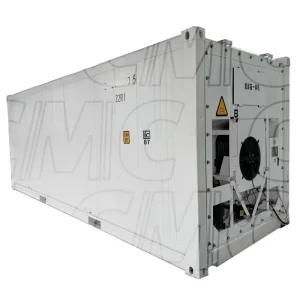
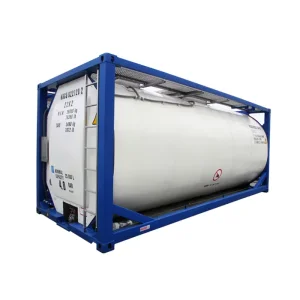
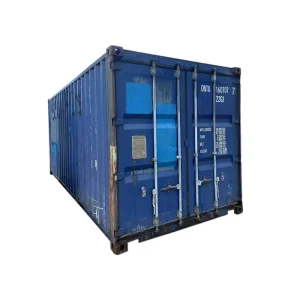
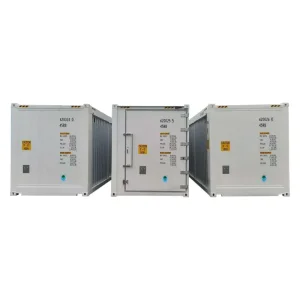
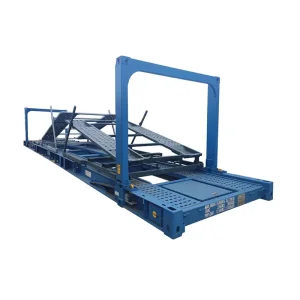
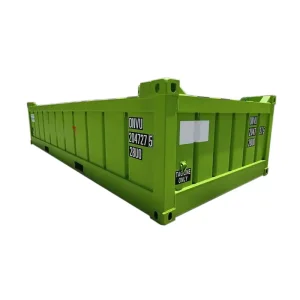
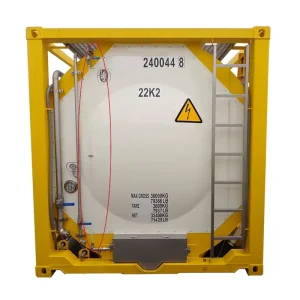
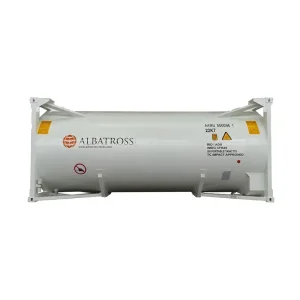
The contemporary global supply chain is fundamentally anchored upon the rigorous standardization defined by the International Organization for Standardization (ISO). More than 95% of world dry bulk cargo, hazardous liquid logistics, and perishable cold-chain products migrate through ISO-specified containers. Modern shipping alliances and mega-vessels exceeding 24,000 TEU capacity demand absolute structural predictability governed by ISO 668 (Series 1 freight containers — Classification, dimensions, and ratings) and ISO 1496 (Specification and testing).
Headquartered in Tianjin and operating advanced engineering hubs in Suzhou, Tianjin Cimic Imp&Exp Co., Ltd. (CIMIC Group) has been at the forefront of structural shipping metallurgy since 1983. Situated strategically within 100 kilometers of northern China's premier maritime deep-water terminals, our manufacturing pipelines reconcile structural Corten weathering steels with precision multi-axis robotic welding, ensuring seamless interchangeability across ocean-going vessels, rail flatcars, and heavy intermodal chassis.
"The difference between generic box manufacturing and true ISO certified equipment lies in micro-tolerances under dynamic racking stress. When dynamic ocean pitch imposes three-axis acceleration, ISO 1161 cast corner castings and hot-rolled corrugated panels must prevent hull deformation and seal compromises." — CIMIC Heavy Structural Engineering Board
| ISO Standard Series | Core Engineering Scope | Primary Certification |
|---|---|---|
| ISO 668 / ISO 1496-1 | General Dry Cargo & High-Cube | CSC, BV, ABS, LR |
| ISO 1496-2 / TIR | Thermal & Refrigerated Modules | ATP, BV, ISO 9001 |
| ISO 1496-3 / UN T-Code | Tank Containers for Hazchem / Liquids | ASME VIII, IMDG, ADR |
| DNV 2.7-1 / EN 12079 | Dynamic Lift Offshore Dry & Baskets | DNV Type Approval |
Meeting the challenges of climate volatility, zero-emission ocean corridors, and hyper-automated maritime ports with advanced container engineering.
Every dry cargo and reefer framework is fabricated from high-grade Corten steel. When exposed to ocean salt fog, a dense, self-healing amorphous copper-phosphorus oxide layer develops over the steel substrate, dramatically attenuating rust penetration and extending chassis service lifespans past 15 to 20 years.
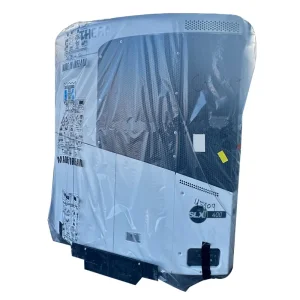
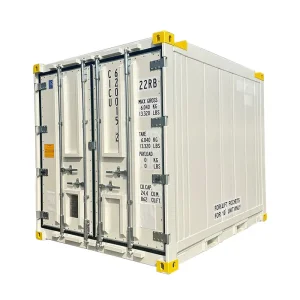
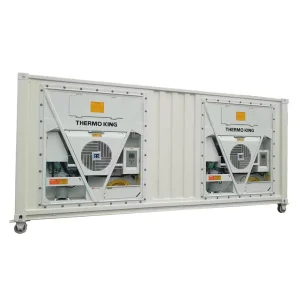
Our reefer solutions integrate world-class machinery—including Thermo King, Carrier Transicold, and Daikin—coupled with variable-frequency DC scroll compressors. This enables ultra-precise thermal equilibrium from +30°C down to deep cryogenic blast freezing at -60°C with 35% lower electrical draw.
Equipped with ATEX-certified solar satellite and cellular transceiver nodes, CIMIC smart containers broadcast real-time internal relative humidity, atmospheric oxygen/carbon dioxide levels, GPS geofencing telemetry, shock events, and door-tamper logs to centralized cloud control towers.
From sub-zero Arctic mining outposts to corrosive deep-water offshore drilling platforms, our certified containers deliver uncompromised payload protection.
Engineered to withstand heavy transverse racking moments when stacked 9 units high aboard ultra-large container carriers (ULCVs) undergoing storm-induced wave slamming.
Reinforced floor transverse sills and enhanced corner casting locks engineered to absorb sustained high-frequency vibrations across standard and broad-gauge railway corridors.
Specially configured with integrated four-point pad eyes, heavy-duty sling sets, and low-temperature impact-tested steel rated down to -20°C or -40°C under DNV 2.7-1 / EN 12079.
Stainless steel 316L pressure vessels enclosed within rigid ISO frames, featuring PTFE seals, burst discs, steam or electrical heating channels, and heavy insulation for volatile compounds.
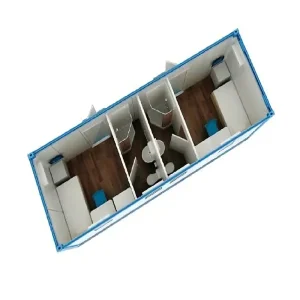
From bespoke modular power generation shelters to temperature-controlled multi-compartment reefers, our technical teams provide one-to-one design validation.
Every non-standard unit undergoes rigorous Finite Element Analysis (FEA) to confirm that side-wall openings, roll-up shutter modifications, and heavy machinery foundations do not compromise the CSC safety certificate envelope.
Our quality assurance regime does not rely on sample sampling. Every unit leaving our production lines undergoes:
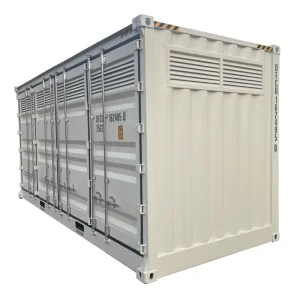
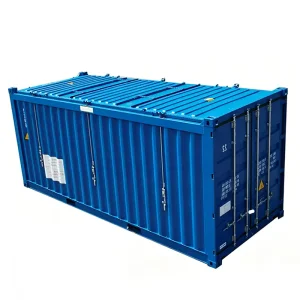
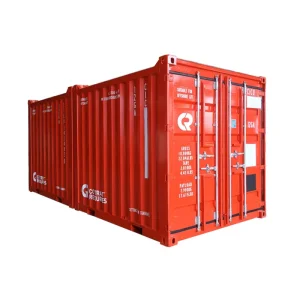
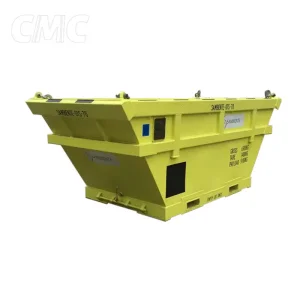
Discover our specialized heavy machinery containers, hazardous chemical units, hard open-tops, and dynamic offshore solutions certified for challenging international projects.
Authoritative answers on ISO structural compliance, certification lifecycles, reefer machinery matching, and custom manufacturing minimum orders.
All CIMIC intermodal units strictly comply with ISO 668:2020 for Series 1 containers. This governs exact external footprints, width (8 ft / 2,438 mm), standard heights (8 ft 6 in / 2,591 mm) and High-Cube heights (9 ft 6 in / 2,896 mm), alongside nominal lengths of 10ft, 20ft, and 40ft. Racking and transverse diagonals are held to ISO tolerances within ±3 mm to ensure faultless twistlock engagement on container ship cell guides and automated port straddle carriers.
Standard ISO containers are engineered for static stacking and balanced bottom-corner lifting via spreader beams. Conversely, DNV 2.7-1 (BS EN 12079) offshore containers are engineered for harsh, dynamic open-sea transfers from supply vessels to oil rigs under significant wave swell. They feature thicker structural hollow sections, low-temperature charpy V-notch impact-tested steels (-20°C or -40°C), permanent pad-eyes, certified 4-leg wire rope slings with shackles, and zero reliance on bottom twistlocks during dynamic lift.
We configure new and refurbished reefer equipment with industry-standard cooling machinery based on cargo profile and regional technician availability: Thermo King (Magnum Plus series, offering pull-down to -40°C), Carrier Transicold (ThinLINE and PrimeLINE with digital scroll compressors for high fuel efficiency), and Daikin (Zestia with DC inverter technology for micro-temperature fluctuations under ±0.2°C). Units operate on 380V/460V 3-phase 50/60Hz, with optional dual-voltage 220V step-up transformers or diesel gensets.
Under the International Convention for Safe Containers (CSC), a newly manufactured CIMIC container carries a CSC plate valid for 5 years (60 months) from the date of manufacture stamped by classification societies like Bureau Veritas (BV). Subsequently, the container must enter an Approved Continuous Examination Program (ACEP) or undergo periodic safety inspections at intervals not exceeding 30 months to verify frame alignment, corner casting wear, crossmember corrosion, and door lock bar integrity.
For storage and transport of hazardous chemicals under IMO/IMDG classes, CIMIC modifies containers with spark-proof aluminum chequer plate flooring over a sealed bunded catch basin with drain valves (to contain chemical spillages). We incorporate louvred ventilation openings with flame arrestor wire mesh, explosion-proof ATEX-rated interior LED luminaires, emergency interior push-bar escape latches, and grounding studs for static electricity dissipation.
For standard catalog units (20ft/40ft dry boxes, standard tank containers, and in-stock reefer units), orders can be fulfilled starting from 1 unit. For custom OEM/ODM configurations involving altered structural dimensions, roll-up shutter openings, custom paint liveries, or modular housing insulation packages, our typical production run starts at 2 to 5 units, with engineering CAD and FEA validation completed within 7 to 10 working days prior to assembly.
