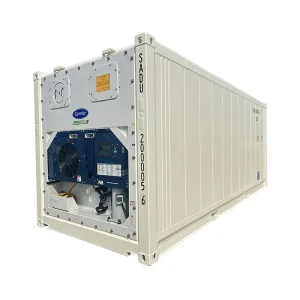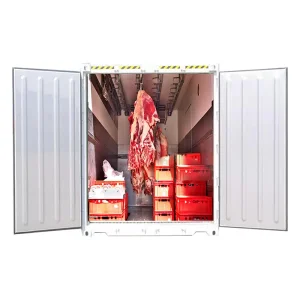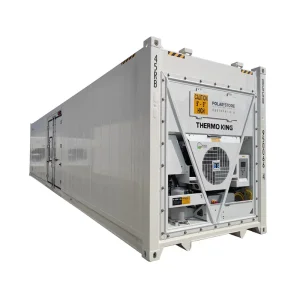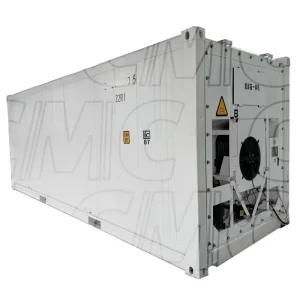
High-Quality The Smart Chain Cold Storage 20ft/40ft Solar Refrigerated Container 220V With DC Inverter Unit
Inspect Engineering Specs
Direct deployment from Tianjin and port depots. Engineered to withstand high kinetic maritime stress, extreme thermodynamic differentials, and complex hazardous material parameters.
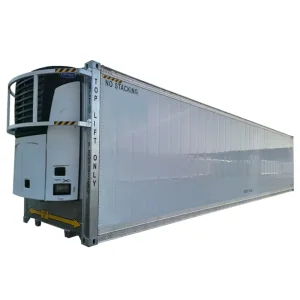
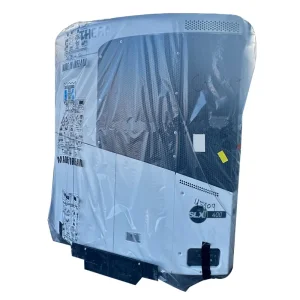
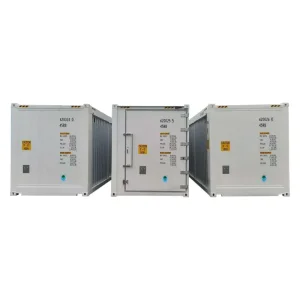
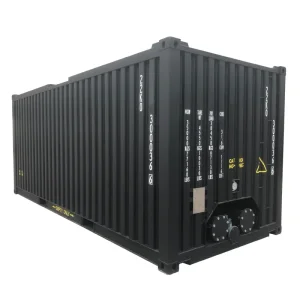
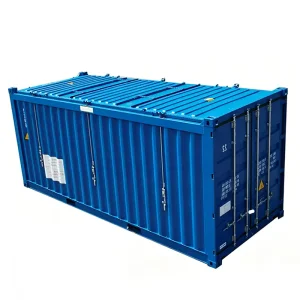
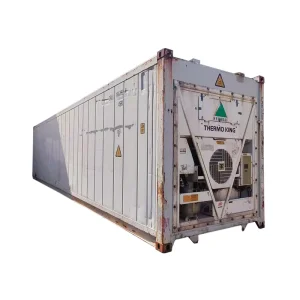
China commands over 90% of global intermodal container production. Here is how CIMIC translates structural supply chain dominance into verified operational margins for overseas procurement.
Direct pipeline agreements with top-tier domestic steel mills deliver SPA-H atmospheric corrosion-resistant steel. This metallurgical continuity ensures exact yield strengths (≥345 MPa), optimal ductile transitions, and prolonged structural longevity in saline offshore routes without third-party mill premiums.
Our Tianjin & Suzhou manufacturing clusters deploy multi-axis robotic welding cells and high-precision clamping fixtures. This eliminates dimensional distortion during high-cube framework fabrication, securing airtight tolerances essential for dual-temperature zones and automated ISO stacking locks.
Located ~100 km from Tianjin Xingang Port, our facility mitigates heavy drayage friction. We maintain immediate berth synchronization, real-time customs bonded clearance, and multi-depot empty positioning across Qingdao, Shanghai, and Ningbo for rapid SOC (Shipper Owned Container) deployment.
Specialized intermodal containment is transitioning from passive metallic hulls to self-regulating, sensor-fused industrial systems.
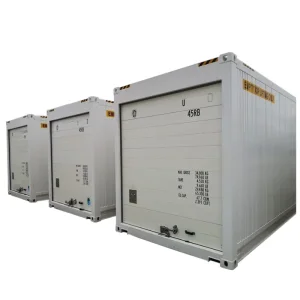
The global energy transition has driven container manufacturing toward specialized housing for lithium-iron-phosphate (LiFePO4) battery clusters. These units demand precision HVAC venting, automated aerosol Novec 1230 fire suppression piping, structural blast-relief roof panels, and NFPA 68/69 deflagration compliance built directly into the container envelope.
Rising marine bunker fuels and remote off-grid infrastructure constraints have accelerated the adoption of solar-assisted refrigeration. By integrating monocrystalline photovoltaic arrays into reinforced roof corrugations linked with variable-frequency DC inverter compressors (Thermo King, Carrier, Daikin), our reefer units decrease diesel genset dependency by up to 38% along equatorial transport corridors.
Container hulls are evolving into active IoT nodes. Integrated edge microcontrollers log core parameters in real-time: door aperture cycles, internal atmospheric O2/CO2 levels for Controlled Atmosphere (CA) perishables, structural shock (G-force), and localized thermal gradient fluctuations mapped directly to cloud ERPs via dual 4G/5G and Iridium satellite uplinks.
Cross-functional analysis detailing how custom enclosures resolve critical operational bottlenecks across onshore and offshore industries.
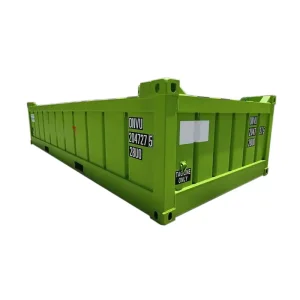
Deployment: Subsea engineering, offshore drilling rigs, and marine servicing.
Solution: DNV 2.7-1 / EN 12079 certified half-height and open-top units with certified sling sets, pad-eyes rated for dynamic dynamic sea-state shock, and anti-corrosive metallized paint coatings resisting up to 3,000 hours of continuous salt spray exposure.
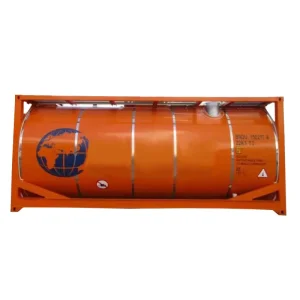
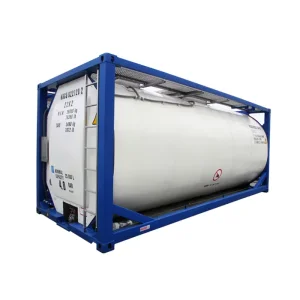
Deployment: Bulk liquid petrochemicals, hazardous acids, heated asphalt, and food-grade reagents.
Solution: ISO 20ft T11/T14/T50 cylindrical tanks with 316L stainless steel shells, high-density rockwool thermal insulation, steam/electric heating traces, and calibrated safety relief valving with ASME & IMDG maritime certifications.
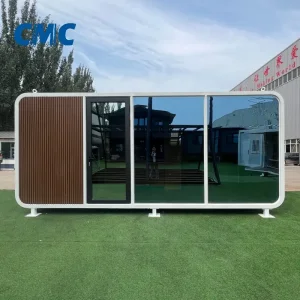
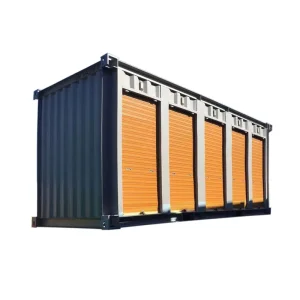
Deployment: Rapid-deployment mining base camps, telecom server pods, and modular executive office blocks.
Solution: Flat-pack and high-cube apple cabin systems designed with integrated electrical conduit channels, pre-certified fire-resistant rockwool core walls, acoustic dampening, and ISO corner casting locks for rapid multi-tier stacking.
Procuring specialized ISO containers from China requires stringent engineering alignment, documentation rigor, and verification protocols.
The Risk: Non-compliant units without genuine classification society plates face detention at destination discharge ports.
CIMIC Mitigation: Every export container undergoes physical load testing, corner casting non-destructive testing (NDT), and arrives with valid CSC (International Convention for Safe Containers) safety approval plates certified by Bureau Veritas (BV), ABS, or DNV.
The Risk: Misalignment between buyer electrical/mechanical requirements and factory shop floor execution.
CIMIC Mitigation: Dedicated bilingual CAD/SolidWorks design engineers provide 3D step-file modeling, electrical load schematics, thermal insulation heat-gain calculations, and prototype verification stages prior to serial production runs.
The Risk: Hidden frame fatigue, delaminated marine plywood floors, and degraded reefer compressors in depot yards.
CIMIC Mitigation: We enforce an open-depot policy. Used units are graded via standardized IICL-5 criteria, backed by high-resolution photographic proof,PTI (Pre-Trip Inspection) test logs for cooling circuits, and clear CSC validation before purchase.
Authoritative answers addressing structural capacity, regulatory compliance, thermal control, and custom OEM manufacturing lead times.
Complete your supply procurement program with specialized cold-chain units, prefabricated pods, high-cube side access boxes, and certified offshore logistics units.