1 / 4
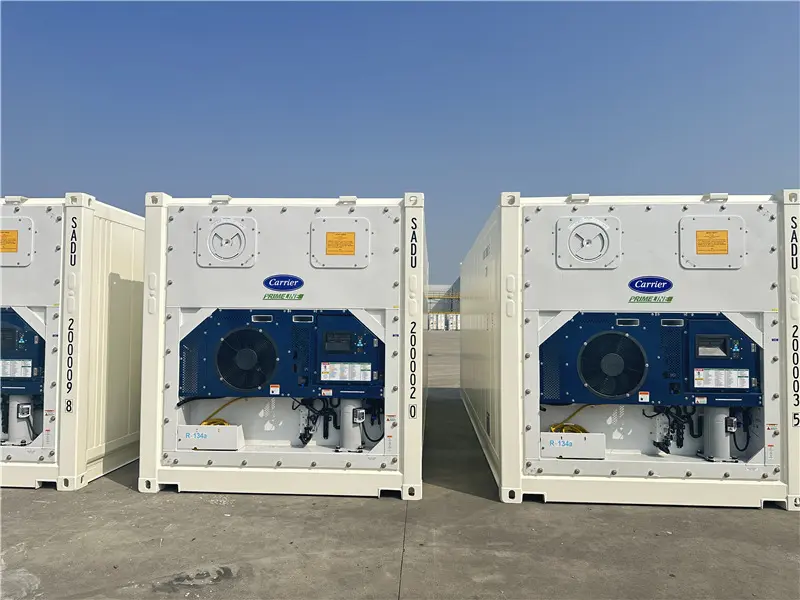
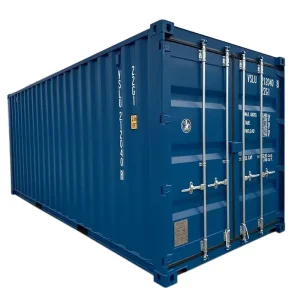
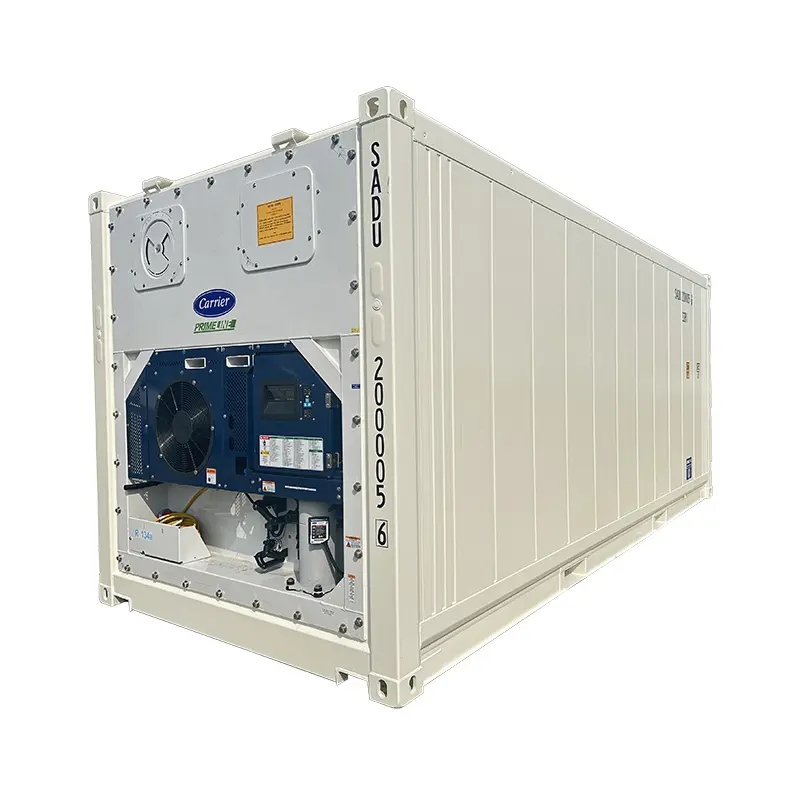
| External Dimension (MM) | 12192 * 2438 * 2896 |
| Internal Dimension (MM) | 11590 * 2294 * 2554 |
| Door Opening (Width) | 2290 mm |
| Door Opening (Height) | 2569 mm |
| Maximum Gross Weight | 34,000 kg (74,960 lbs) |
| Maximum Payload | 29,250 kg (64,490 lbs) |
| Tare Weight (±2%) | 4,210 kg (9,280 lbs) |
| Cooling Machine Working Voltage |
400 to 500 V, 3 ph @ 60 Hz ± 2.5%
360 to 460 V, 3 ph @ 50 Hz ± 2.5%
|
| Refrigerant | R134A and POE oil |
| Internal Temperature Range | -40°C to +50°C (-40°F to +122°F) |
Refrigerated containers can be transported by multiple modes of transportation, such as sea, land, and rail. There is no need to change cargo packaging or refrigeration equipment when switching between different modes of transportation, which greatly improves transportation efficiency and reduces transportation costs and the risk of cargo loss.
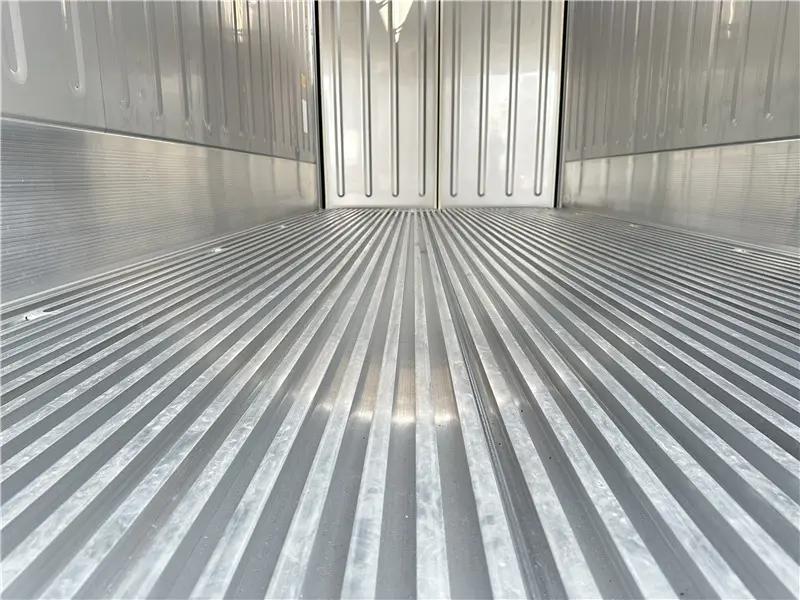
The internal structure of the refrigerated container is reasonably designed, with good thermal insulation performance and air circulation system, which can effectively reduce the impact of external temperature on the goods in the box and keep the temperature in the box uniform and stable, thus providing a good preservation environment for the goods and extending the shelf life of the goods.
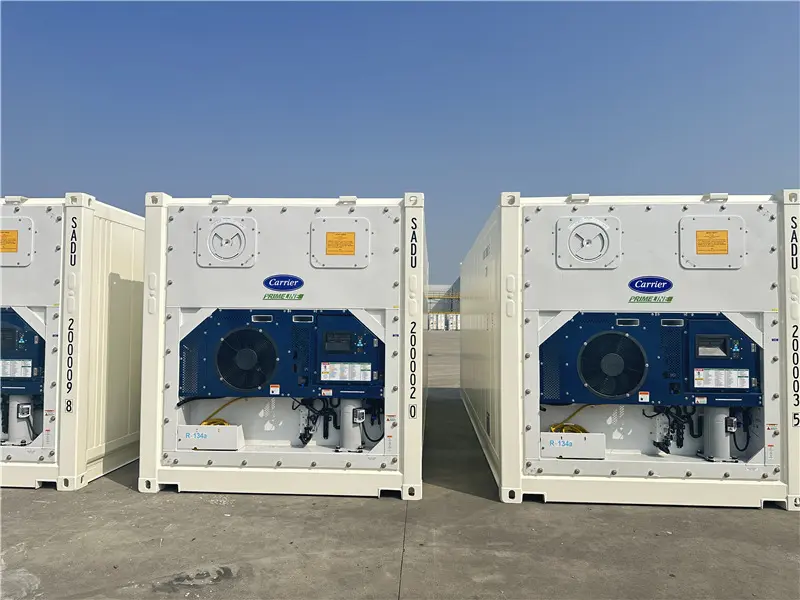
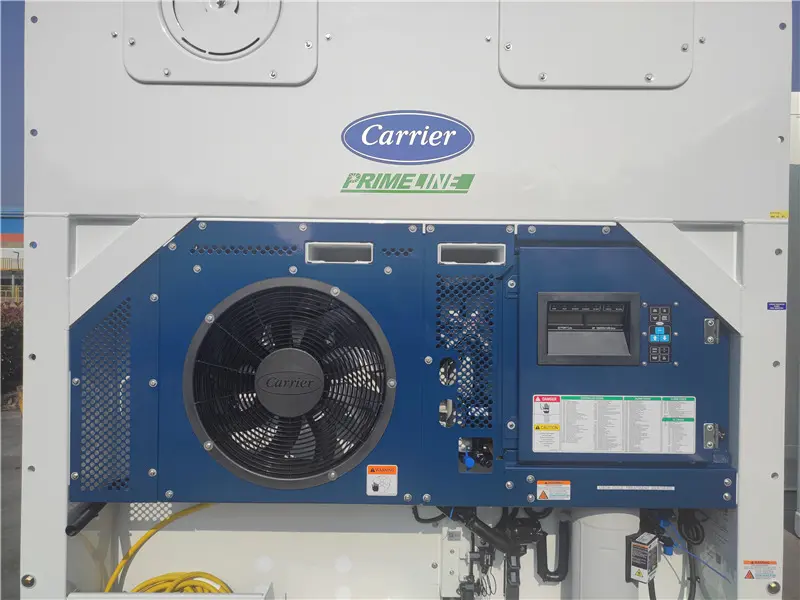
Sure, you could choose one from Thermo King, Daikin, and Carrier.
Generally speaking, the service life of a refrigerated container is around 15 to 20 years.
Choose the appropriate size according to the cargo to be stored and transported, such as 10ft, 20ft, 40ft, 40hc, etc.
The system reliably supports an internal temperature range between -40°C and +50°C (-40°F to +122°F), capable of handling both deep-frozen goods and heat-sensitive items.
The unit requires a 3-phase power supply operating at 400 to 500 V @ 60 Hz ± 2.5% or 360 to 460 V @ 50 Hz ± 2.5%.