Explore our certified insulated conex units, high-cube passive enclosures, and custom intermodal containers engineered for extreme ambient fluctuations across sea, rail, and highway routes.
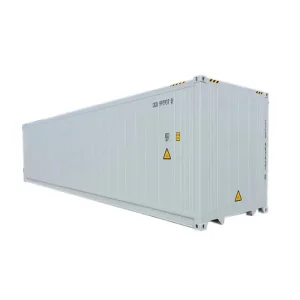
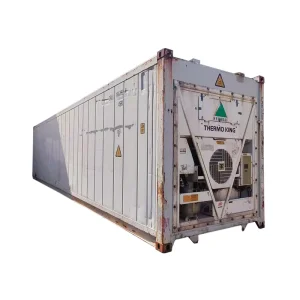
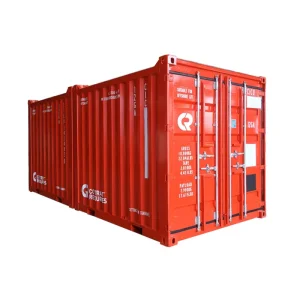
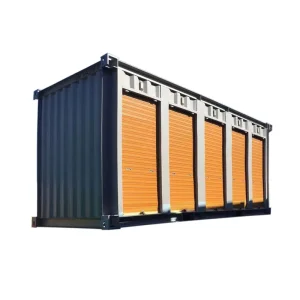

Insulated shipping containers—commonly classified under ISO 1496-2 as thermal containers without active mechanical refrigeration—represent a vital link in global cold-chain reliability. Unlike motorized reefer boxes that consume continuous electrical energy via diesel generator sets or terminal power grids, high-performance insulated containers rely on advanced thermodynamic barrier systems to preserve interior payload stability across long transit cycles.
We utilize cyclopenthane-blown, high-density rigid polyurethane (PU) foam with a closed-cell content exceeding 94%. With an ultra-low thermal conductivity factor (λ ≤ 0.020 W/m·K), our specialized core prevents convective heat transfer while resisting micro-fissures generated under ocean vessel torsional vibration.
Standard Corten steel container ribs generate intense conductive heat pathways. Our design integrates composite thermal-break gaskets, fiber-reinforced polymer (FRP) internal lining profiles, and stainless-steel fastener isolation bushes that fully decouple internal cargo chambers from external atmospheric exposure.
Every batch of our 20ft and 40ft high cube insulated boxes is engineered to surpass the ATP certified overall heat transfer coefficient (K-value ≤ 0.40 W/(m²·K) for heavily insulated containers). This guarantees prolonged thermal inertia for pharmaceutical serums, perishable dairy, and sensitive chemicals.
As a leading Chinese container manufacturer operating deep manufacturing facilities in Tianjin and Suzhou, CIMIC Group leverages integrated metallurgical, petrochemical, and intermodal transport ecosystems to deliver unmatched value to international purchasers.
Our Tianjin industrial base sits approximately 100 km from the Port of Tianjin—Northern China's largest maritime hub. This slashes domestic drayage expenses, secures preferential berth allocations, and accelerates export container staging during peak freight congestions.
Immediate access to premium SPA-H atmospheric corrosion-resistant Corten steel mills, SUS304/SUS316 food-grade stainless-steel sheets, and chemical PU blowing agent manufacturers reduces supply chain volatility and buffers foreign buyers against sudden raw material price shocks.
Our plant operates multi-axis automated foaming fixtures that inject high-pressure PU foam into hollow wall panels simultaneously. This computer-controlled process eliminates void pocketing, eliminates air gaps, and maintains uniform core density across 40ft structures.
Whether producing custom side-door configurations, roll-up shutter access ports, or offshore explosion-proof modular designs, our specialized engineering workshops execute scalable production with shortened re-tooling lead times.
Enterprise logistics buyers in Europe, the Americas, and Africa face increasing pressure to balance cold-chain temperature compliance against strict carbon emission and operational budget mandates. Sourcing heavy-duty insulated containers offers massive life-cycle cost advantages over conventional reefer operations.
| Evaluation Parameter | Passive Insulated Container (CIMIC) | Active Motorized Reefer Container | Conventional Dry Box + Thermal Blankets |
|---|---|---|---|
| Initial Capital Expenditure (CAPEX) | Moderate: Eliminates expensive compressor, motor & microcontrollers | High: Complex refrigeration machinery increases unit cost by 180-250% | Low initial purchase, but high consumable expense per voyage |
| Operating Expenditure (OPEX) | Zero external electricity, zero diesel genset fuel consumption | Heavy ongoing electrical hookup fees, genset maintenance & fuel | Recurring costs for single-use foils, bubble liners and disposal fees |
| Maintenance & Downtime Risk | Near-zero moving parts; structural corrosion checks only | High: Frequent servicing of compressors, coils, coolant recharges | Minimal structural risk, but high cargo spoilage exposure |
| Temperature Hold Duration | 48–96+ hours thermal inertia depending on pre-cooling and insulation matrix | Continuous holding if active power supply remains uninterrupted | Poor: 8–18 hours maximum, subject to ambient spike breakthroughs |
| Intermodal Transition Speed | Instant transfer between vessel, rail flatcar, and road chassis without plug-in delays | Requires reefer plug validation, power checking, and reefer monitoring staff | Instant transfer, though moisture and condensation risk is severe |
Enterprise procurement teams avoid multi-vendor compatibility bottlenecks by deploying ISO-certified 20ft and 40ft high cube insulated footprints that effortlessly integrate into existing container lifting spreaders, chassis twist-locks, and vessel cellular guides.
By eliminating halogenated chemical refrigerants (HFCs/CFCs) and removing active engine emissions on medium-haul shipping lanes, passive insulated conex units drastically improve Scope 1 and Scope 3 supply chain carbon balance scores.
Incorporating extruded T-bar aluminum flooring or heavy-duty food-grade composite floor systems ensures dynamic underneath convective air wash, eliminating cargo moisture damage and carton sogginess on intercontinental routes.
Cross-border transport of perishables, dangerous goods, and offshore equipment requires non-negotiable international certification. Every container fabricated at CIMIC adheres strictly to worldwide maritime safety and quality standards.
Our design, material procurement, fabrication welding, and finishing operations are audited and certified under ISO 9001 Quality Management systems alongside Bureau Veritas (BV) industrial shipping certification for global maritime safety.
Every manufactured ISO container carries an authentic CSC (International Convention for Safe Containers) safety approval plate, validating stacking capability (up to 9-high fully laden), transverse racking strength, and door seal hermeticity.
For high-risk offshore exploration environments, we build customized offshore dry cargo containers and specialized half-height ore units certified to DNV 2.7-1 and EN 12079 structural dynamics and pad-eye impact testing.
Insulation integrity meets Agreement on the International Carriage of Perishable Foodstuffs (ATP) protocols. We perform rigorous thermal leakage infrared thermography and airtightness smoke testing on every unit before port dispatch.
The insulated container sector is experiencing rapid technological evolution driven by IoT connectivity, novel insulation materials, and circular economy requirements. Here is how modern manufacturers are staying ahead.
Next-generation hybrid containers integrate microporous silica VIP cores enclosed within PU foam panels. This achieves thermal resistance values up to R-40 per inch, significantly reducing wall thickness and expanding usable internal cubic capacity for volumetric payloads.
By lining interior walls with latent-heat bio-based PCM cassettes engineered to freeze or melt at specific critical thresholds (+4°C, -18°C, -21°C), containers can maintain ultra-narrow payload bands for over 120 hours without external power.
Modern insulated fleets now feature embedded low-power NB-IoT and low-earth-orbit (LEO) satellite transceivers that provide real-time telemetry: core temperature, internal humidity, door tamper sensors, atmospheric pressure, and geofence tracking.
Insulated shipping containers solve mission-critical temperature vulnerability issues across diverse commercial sectors where mechanical breakdowns or lack of electrical power cannot be tolerated.
Strict GDP (Good Distribution Practice) guidelines require zero temperature deviation during vaccine, insulin, and blood plasma transport. Thickened PU insulated containers eliminate the hazard of mechanical reefer compressor stoppage or electrical generator failure on cross-country rail corridors.
Wine, dark chocolate, fine cheese, and tropical fruits suffer severe quality degradation from thermal cycling. Our insulated boxes prevent condensation sweating and maintain steady internal cell ambient temperatures during equatorial marine transits.
In sub-zero Arctic mining outposts or scorching desert solar farm substations, modified insulated containers serve as climate-controlled housings for lithium battery energy storage systems (BESS), sensitive telecom switchgear, and emergency personnel clinics.
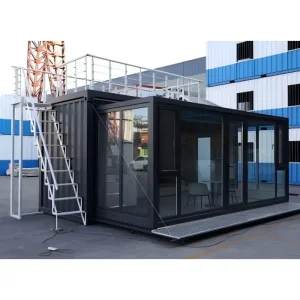
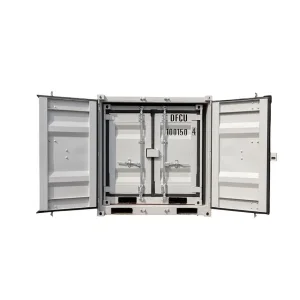
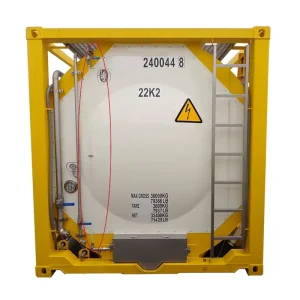
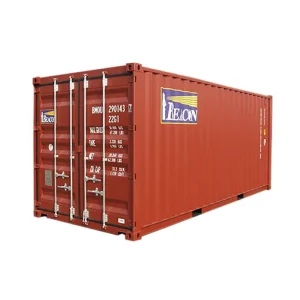
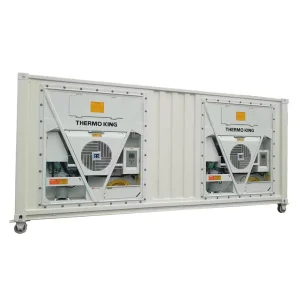
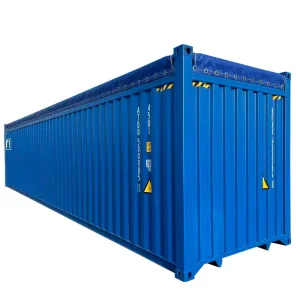
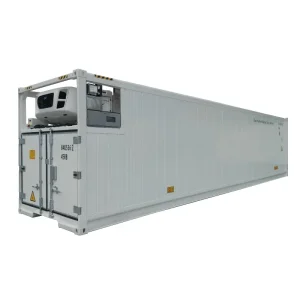
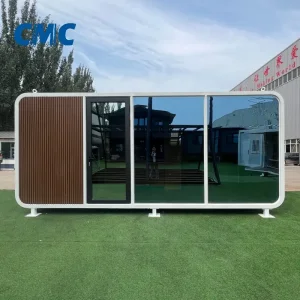
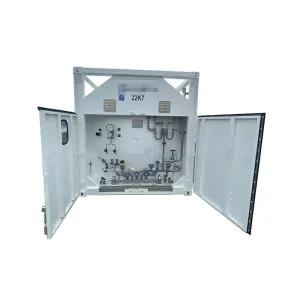
Discover our expanded fleet of certified multi-modal carriers, including ISO tank containers, blast freezers, tarpaulin open-top units, and modular prefabricated container structures.
In-depth responses compiled by CIMIC senior marine engineers and cold-chain compliance consultants to guide commercial procurement.
An active reefer container incorporates an electrically driven mechanical compressor unit (such as Thermo King, Carrier, or Daikin) that continuously pumps refrigerant to extract heat or generate warmth, demanding continuous 380V/440V 3-phase power or a diesel clip-on genset. Conversely, a passive insulated container (thermal container) possesses no moving machinery and requires zero external electrical connection. It relies solely on a high-density, multi-layer closed-cell polyurethane foam core and structural thermal breaks to drastically slow thermal conduction, making it immune to power outages and significantly cheaper to operate across regional transit corridors.
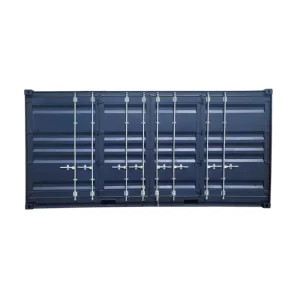
We manufacture full ISO-standard standard dry and insulated configurations including 10ft, 20ft, 20ft high cube, 40ft, and 40ft high cube footprints, as well as extended 45ft and 53ft intermodal units. For custom material handling requirements, we offer dual end opening doors, full side-opening doors for uninterrupted forklift pallet access, heavy-duty insulated roll-up doors for rapid urban cross-dock operations, and tailored DNV-certified offshore dimensions for heavy maritime work.
Thermal retention duration depends on ambient temperature gradients, total payload thermal mass, pre-cooling conditions, and cargo loading protocols. Under standard summer ambient maritime conditions (+35°C external), a pre-chilled 40ft high-cube thickened foam insulated container loaded with high-thermal-inertia goods typically maintains internal cargo temperatures within critical thresholds (< +5°C) for 48 to 96 hours without supplemental passive cooling. When paired with dry ice sublimation racks or encapsulated phase change material (PCM) cassettes, holding times can easily exceed 140 hours.
Every newly manufactured ISO container is delivered with an official Classification Society certificate (issued by Bureau Veritas, Lloyd's Register, or China Classification Society) along with an internationally recognized CSC Safety Approval Plate riveted to the door. For offshore industrial operations, our offshore series meets strict DNV 2.7-1 / EN 12079 structural design and proof load lifting certifications. Factory Quality Management systems are audited under ISO 9001 and ISO 14001 environmental frameworks.
Yes. We provide complete OEM and ODM engineering flexibility. Buyers can specify insulation wall thicknesses ranging from 50 mm to 120 mm and choose customized core materials including standard PU, fire-retardant polyisocyanurate (PIR), or high-performance vacuum insulation panels (VIP). Interior cladding choices include mirror-finish SUS304 food-grade stainless steel, embossed anti-scratch aluminum sheet, or antimicrobial fiberglass-reinforced plastic (FRP) panels that comply with FDA hygiene standards.
Our quality control program operates across four stages: incoming metallurgical raw material testing (Corten steel tensile checks, paint adhesion testing), automated weld seam ultrasonic examinations, foaming continuous density core verification, and final airtightness smoke and light-leak inspections. Prior to vessel dispatch from Tianjin or port stock locations, foreign buyers receive an exhaustive inspection dossier featuring high-definition photography of structural corner castings, door gasket continuity, floor integrity, and classification documents.
