Buy 20 Feet Shipping Bulk Container Exporter, Products

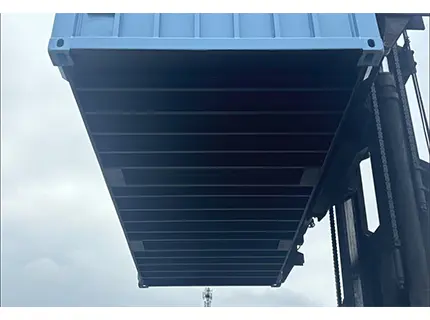
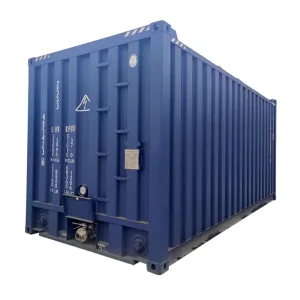
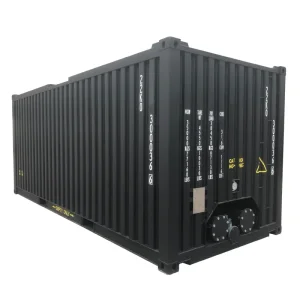
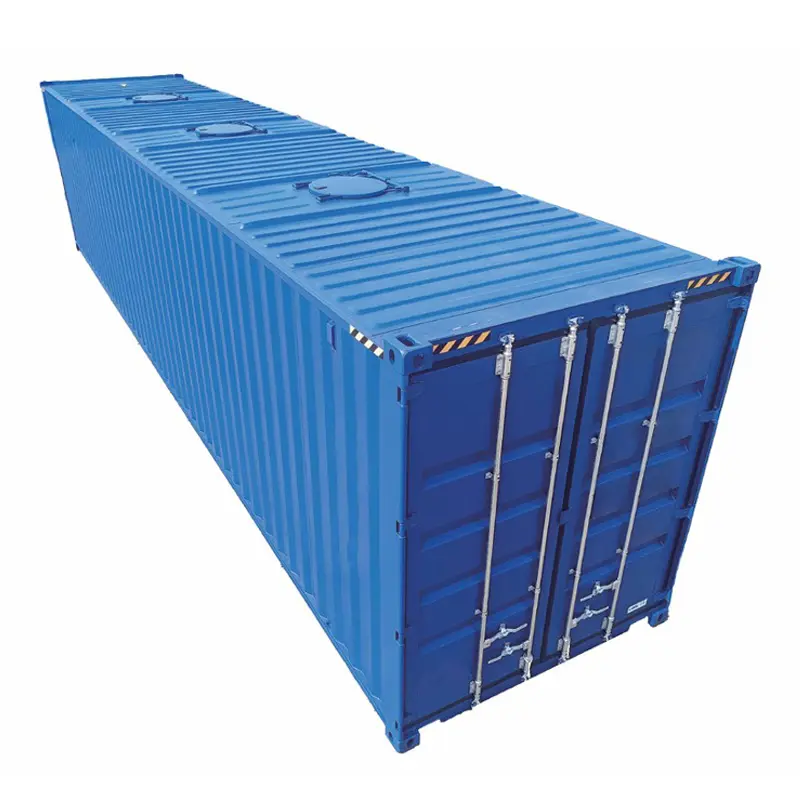
Bulk containers are containers that can be loaded from the top and unloaded from the end or bottom. They are suitable for loading all kinds of powdery or granular bulk cargoes and have high efficiency in loading and unloading bulk cargoes. We can customize containerized integrated logistics solutions according to customer needs and different types of bulk cargoes, including grain, fertilizer, PTA, chemical raw materials, alumina powder, etc.

Product Description

Product Introduction

The structure of bulk containers generally has the following points:
Loading Port

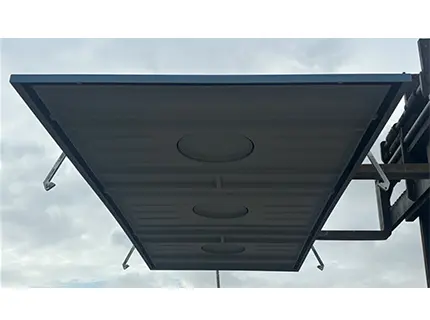
There are usually 2-3 loading ports on the top of bulk containers, with a diameter of 500mm, which is convenient for pouring and loading goods from the top. After loading, it can be completely closed to prevent leakage of goods.

Unloading Port

Generally, there is a canvas funnel on the inside of the rear door frame, or the cover is opened directly from the top to unload, which is convenient for the discharge of goods.

Fully Enclosed Structure

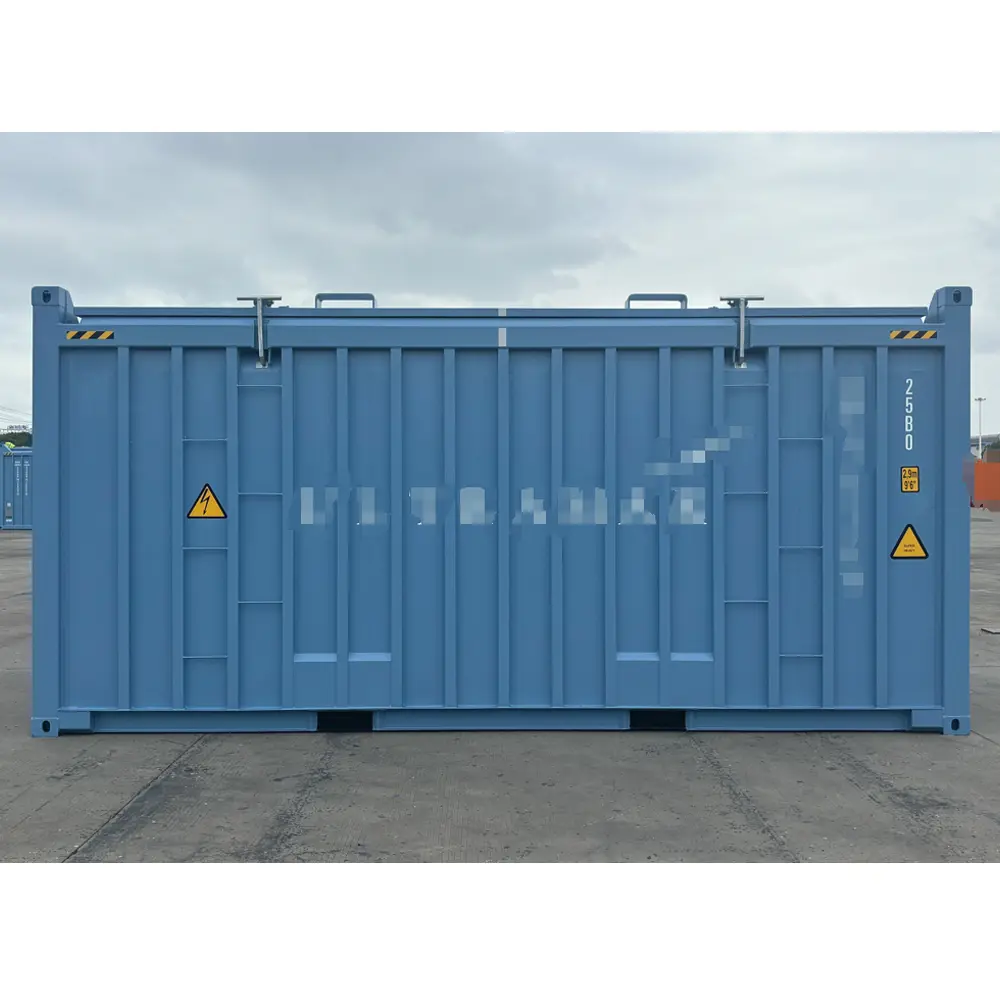
The rectangular fully enclosed design can effectively protect the goods and prevent the goods from being affected by external factors during transportation, such as rain, dust, etc., while also improving the carrying capacity and safety of the container.

Waterproof Lining

The inner wall of the box is lined with a whole piece of waterproof plywood, and fiberglass is coated on the plywood, which can not only prevent the goods from getting damp, but also facilitate the removal of goods and cleaning of the box after use.

There are several main uses for bulk containers:
Grains

Rice, wheat, corn, soybeans, malt, etc. Bulk transportation of these grains can improve transportation efficiency and reduce packaging costs.

Feed

Including various feeds such as hay blocks and raw oatmeal. Bulk containers can be easily loaded and unloaded and transported to meet the large-scale transportation needs of feed.

Chemical Raw Materials

Chemical raw materials such as resins, borax, plastic particles, and fertilizers need to be moisture-proof and pollution-proof. The closed and lining design of bulk containers can provide good transportation conditions for them.

Building Materials

Building materials such as cement, sand and gravel are usually large in quantity and volume. The use of bulk containers can achieve fast loading and unloading and transportation, reducing logistics costs.
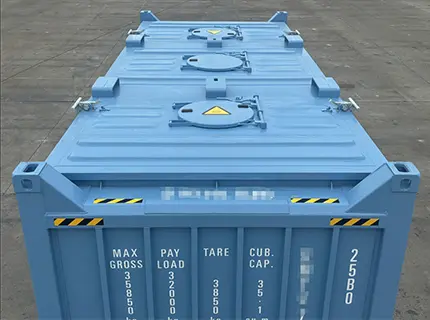
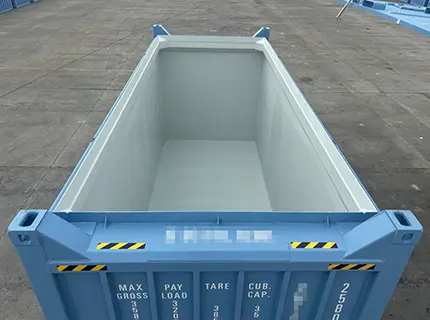
Bulk containers have solved the problems of low efficiency, high loss and heavy pollution in traditional bulk transportation through standardized, mechanized and closed transportation mode, and have become one of the mainstream choices for global bulk cargo transportation. Its core competitiveness lies in cost reduction, efficiency improvement and green sustainability, and is particularly suitable for industries that are sensitive to transportation efficiency and cost.

Product Specification

External Dimension (MM) 6058 * 2500 * 2591
Internal Dimension (MM) 5899 * 2418 * 2389.5
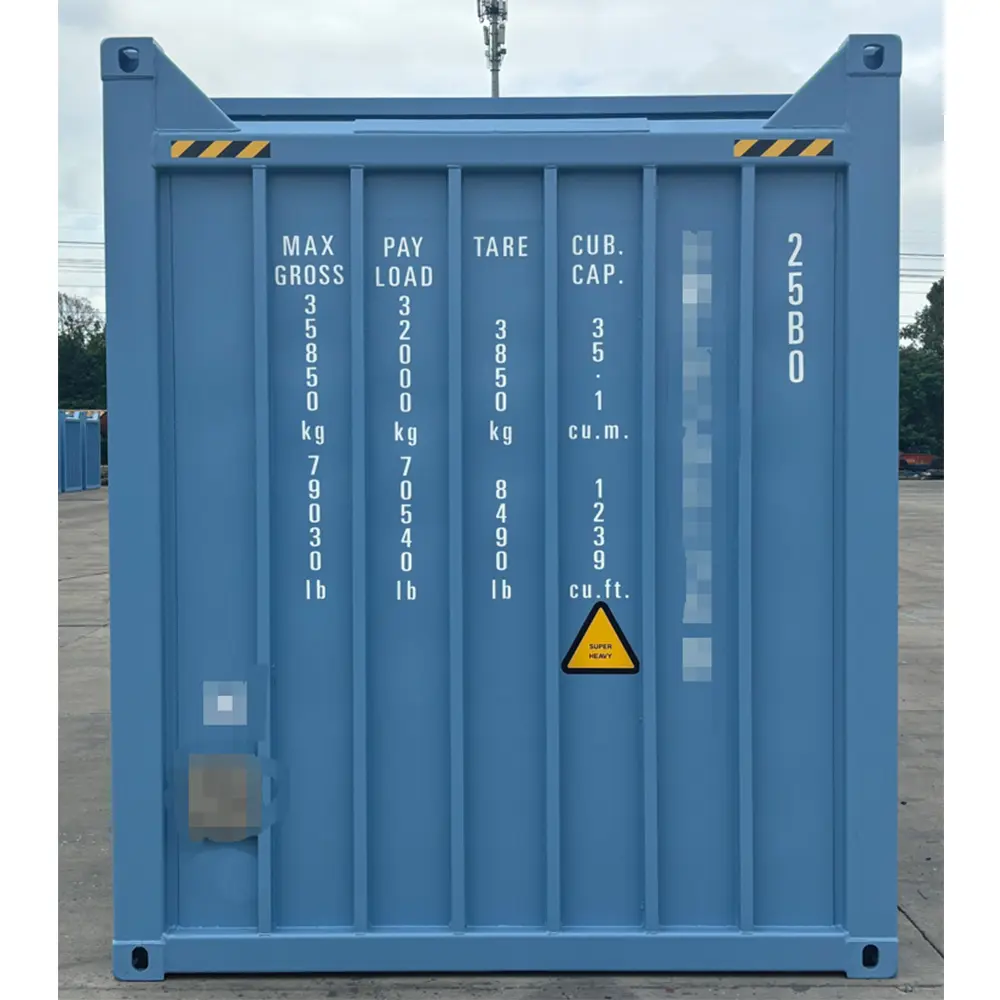
Internal Cubic Capacity 35.1 m³
Max Gross Weight 35,850 kg / 79,030 lb
Pay Load 32,000 kg / 70,540 lb
Tare Weight 3,850 kg / 8,490 lb
Loading and unloading port Top

Advantages

Reduce overall logistics costs
Maximize the use of transportation space
Greatly improve transportation efficiency
Fully enclosed environment to prevent damage and moisture
Comply with special cargo transportation standards
Widely applicable scenarios

Frequently Asked Questions

What are the loading and unloading mechanisms of this bulk container?
There are usually 2-3 loading ports on top (500mm diameter) for pouring and filling cargo, which seal completely after loading. For discharging, goods can be unloaded through an interior canvas funnel on the rear door frame or directly by opening the top cover.
How does the interior lining prevent cargo damage?
The inner wall is fully lined with waterproof plywood coated with fiberglass. This protective barrier stops moisture penetration, protects sensitive goods, and facilitates quick removal and post-use cleaning.
What types of bulk materials are ideal for this container?
It is engineered for grains (rice, wheat, corn, soybeans, malt), animal feed (hay blocks, raw oatmeal), moisture-sensitive chemical materials (resins, borax, plastic particles, fertilizers), and building supplies (cement, sand, gravel).
What are the key dimensions and load capacities?
The external dimensions are 6058 x 2500 x 2591 mm with an internal cubic capacity of 35.1 m³. It has a tare weight of 3,850 kg (8,490 lb), a maximum payload of 32,000 kg (70,540 lb), and a maximum gross weight of 35,850 kg (79,030 lb).
How do bulk containers reduce overall logistics costs?
By replacing traditional bulk methods with standardized, mechanized, and enclosed handling, they eliminate expensive intermediate packaging, maximize cubic transit space, and prevent material loss and contamination.

Related Products