1 / 5
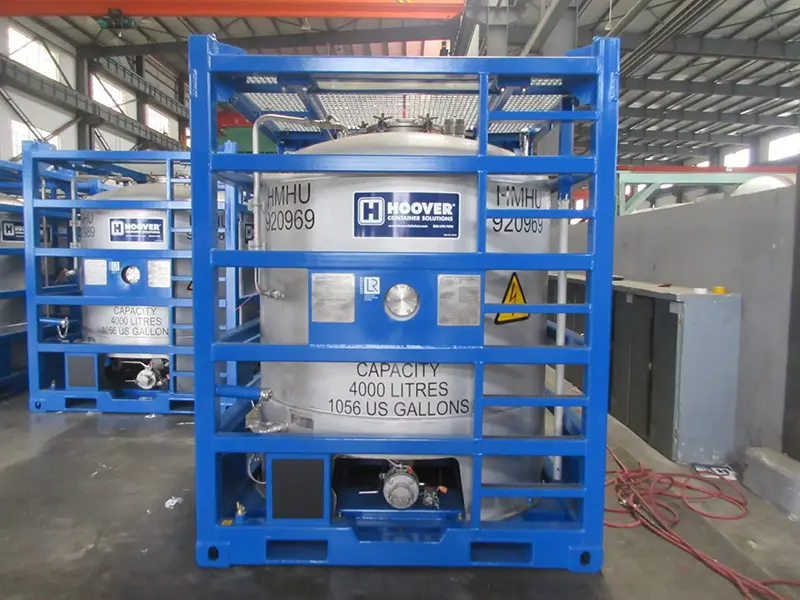
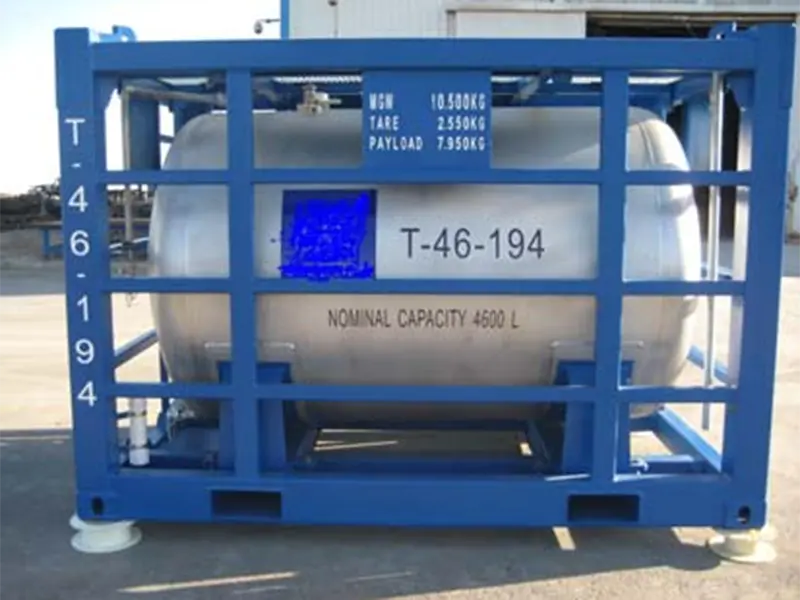
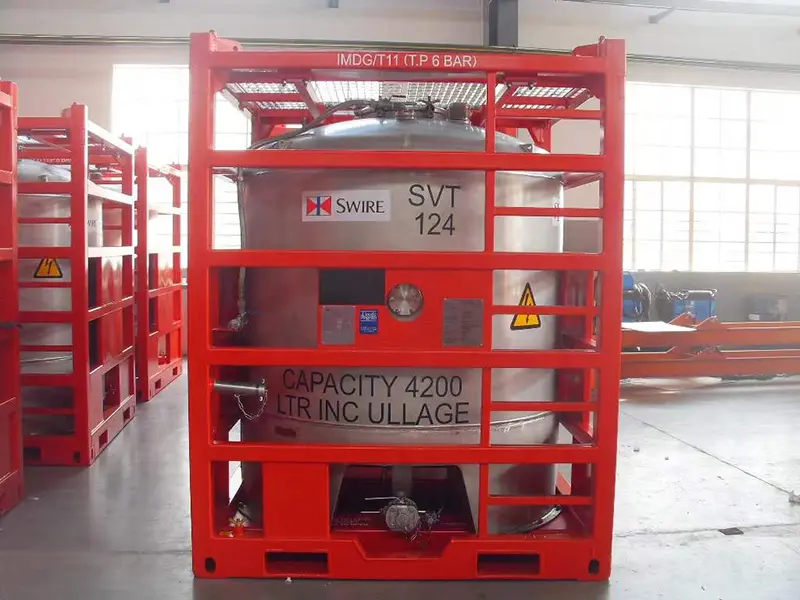
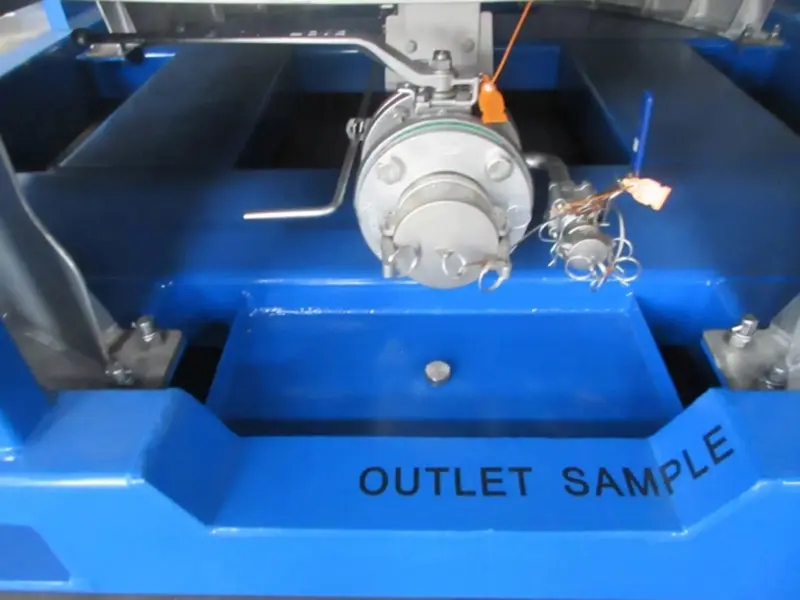
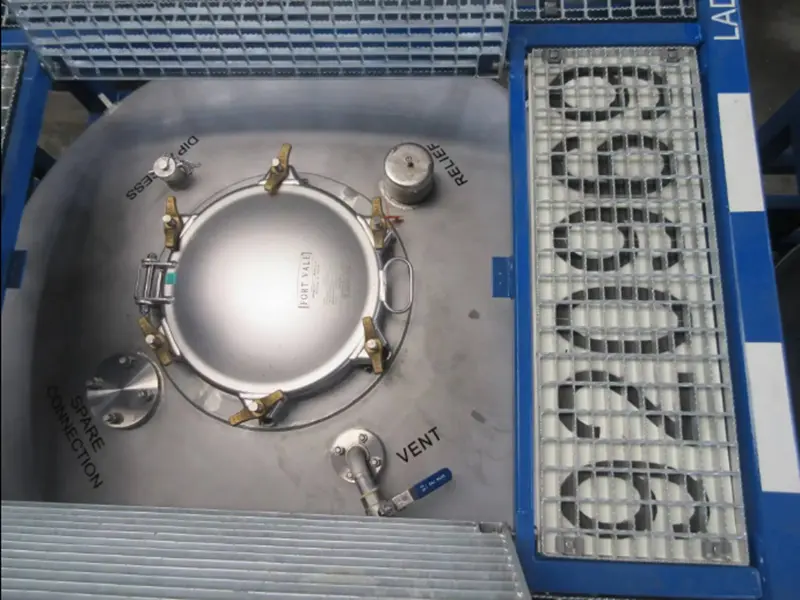
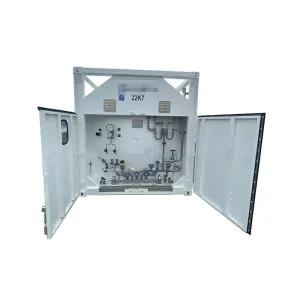
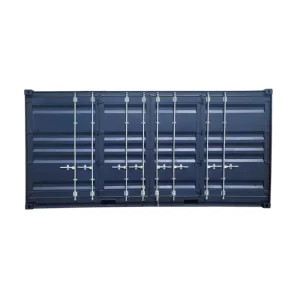
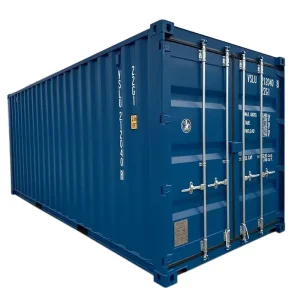
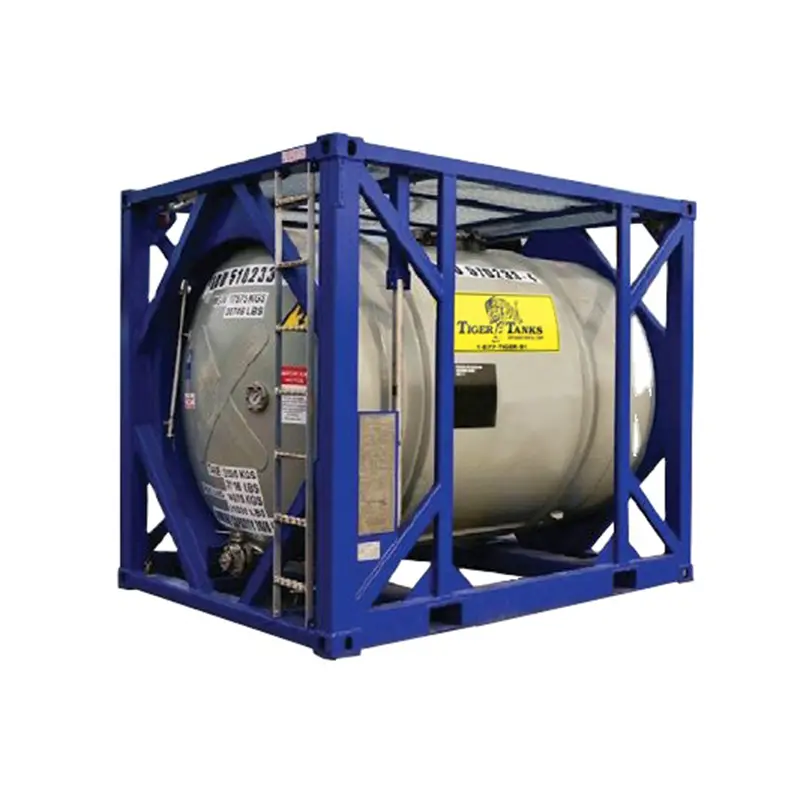
| External Dimension (MM) | 2990*2438*2591 |
| Internal Dimension (MM) | 2700*2200*2000 |
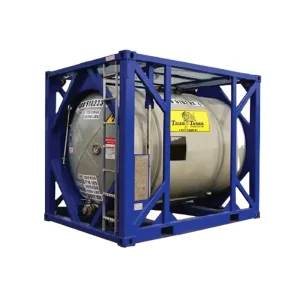
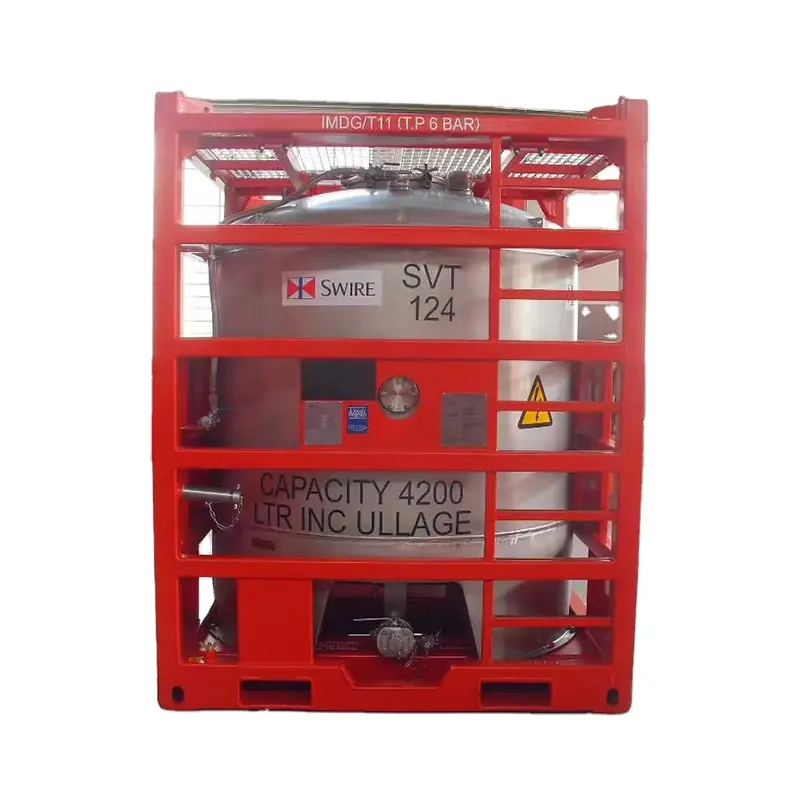
In offshore environments, the air contains a lot of salt, and seawater spray will continue to corrode equipment. Therefore, the surface treatment and material selection of 10ft tank containers must consider anti-corrosion performance. Special anti-corrosion coatings, such as epoxy coatings, may be used on the surface of the tank body and frame, and the integrity of the coating will be regularly inspected and maintained to extend the service life.
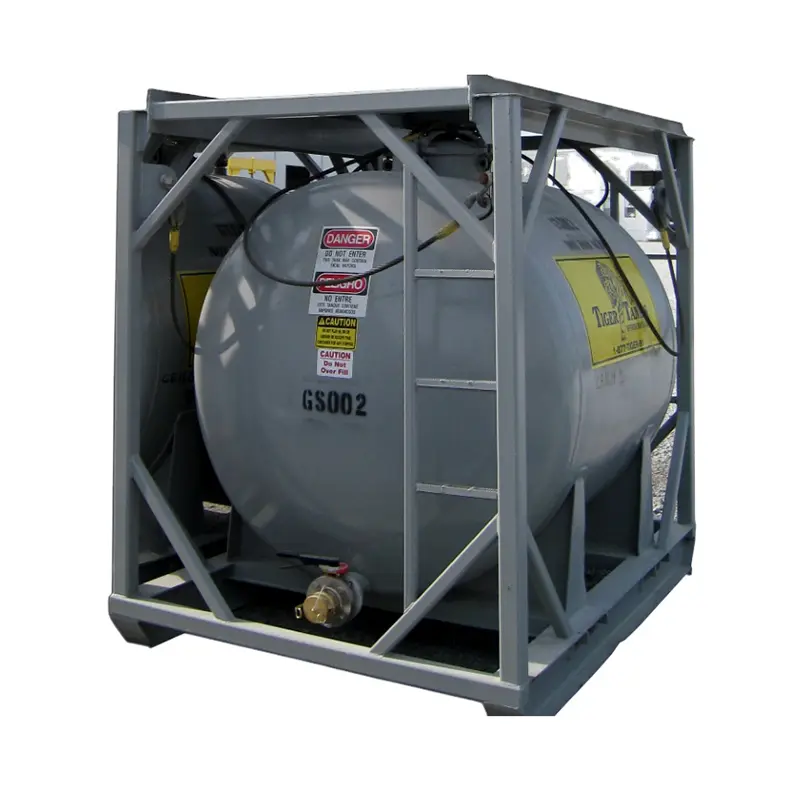
Since bad weather such as wind and waves may be encountered during offshore transportation, tank containers must have reliable fixing measures. On board, it will be fixed to the deck or cabin through a special lashing system to prevent displacement and tipping during navigation. At the same time, the valves, interfaces and other parts of the tank body must have good sealing performance to prevent medium leakage. For example, when transporting petrochemical products, once a leak occurs, it will not only cause economic losses, but also cause serious pollution to the marine environment.
It must comply with a series of international shipping regulations and standards, such as the relevant regulations of the International Maritime Organization (IMO). These regulations cover many aspects such as the design, manufacture, inspection and marking of tank containers. For example, the tank must be clearly labeled to indicate the nature of the medium contained, its hazard level and other information so that appropriate safety measures can be taken during transportation.
Liquid chemicals, food-grade liquids, liquefied gases, etc. can be transported. Different media have different requirements for tank containers. For example, the transportation of concentrated sulfuric acid requires a tank with acid-resistant coating, while the transportation of liquefied natural gas requires a tank container with good thermal insulation and pressure resistance.
Generally speaking, under normal maintenance and use conditions, the service life of an offshore tank container can reach about 10 to 20 years, but the specific service life will vary depending on factors such as material quality, frequency of use, and corrosiveness of the medium.
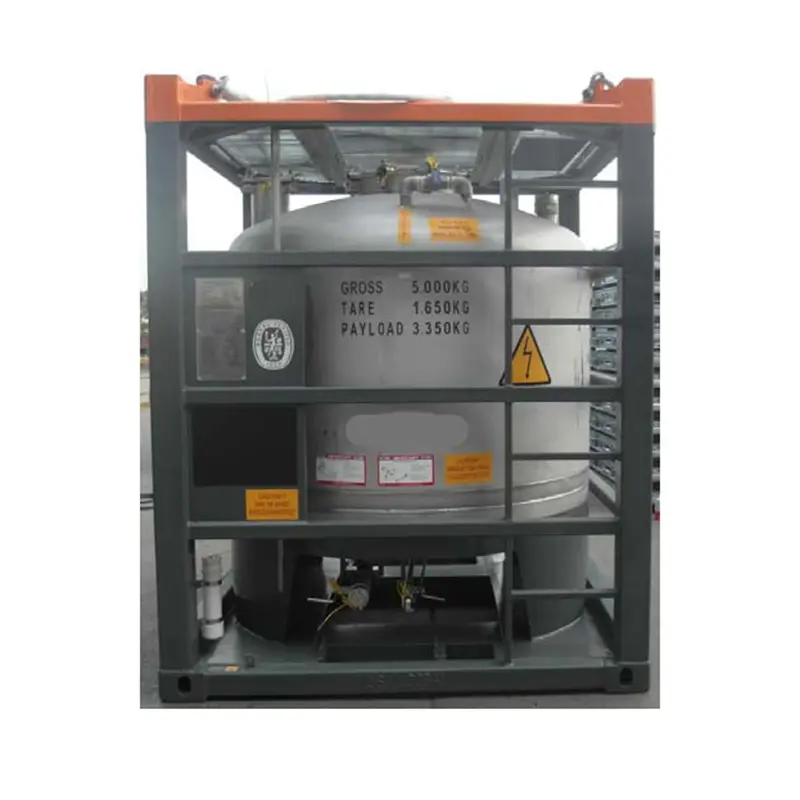
Offshore tank bodies are primarily manufactured using high-grade stainless steel (such as 316L) or specialized corrosion-resistant alloys. For food-grade cargo, materials strictly comply with sanitary standards to ensure zero contamination, while chemical-grade tanks may include specialized interior linings.
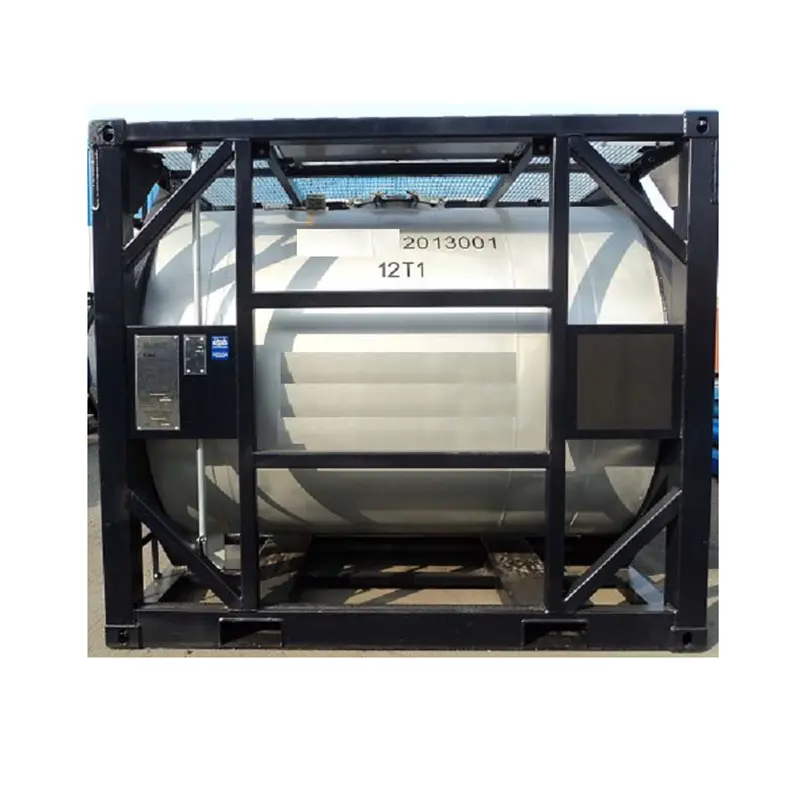
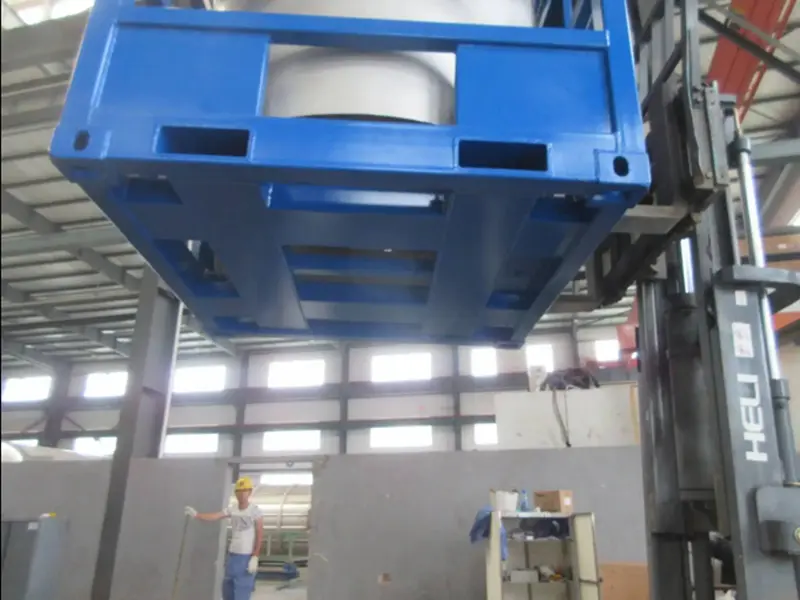
The containers feature standard corner pieces compatible with standard lifting cranes, slings, and forklifts. Aboard maritime vessels, specialized lashing and locking systems secure the units firmly to the deck or hold, preventing shift or overturning during severe oceanic conditions.
Yes, while standard 10ft dimensions provide baseline reference points (such as external dimensions around 2990*2438*2591 MM), internal capacities, valve configurations, and external structures can be tailored to meet specific industrial or project requirements.
Offshore tank containers are built in compliance with international maritime mandates, including International Maritime Organization (IMO) standards, IMDG, CSC, and offshore container standards like DNV 2.7-1 / EN 12079, ensuring safe international transit and handling.