Verified production configurations manufactured from high-tensile Corten SPA-H steel, incorporating certified cryogenic insulation, heavy-duty offshore load limits, and intermodal compliance.
How the convergence of multimodal transport corridors, decarbonization mandates, and complex project logistics has accelerated the transition from standard single-box shipping to modular combined systems.
The global expansion of Eurasian land bridges and transcontinental railway links—notably the Belt and Road initiative—has rendered legacy single-mode shipping boxes obsolete. Combined containers integrate reinforced corner castings, dynamic rail buffing resistance up to 2.0G longitudinal acceleration, and aerodynamic profile modifications to operate across maritime vessels, standard rail flatcars, and highway chassis without load repacking.
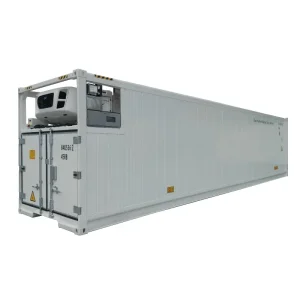
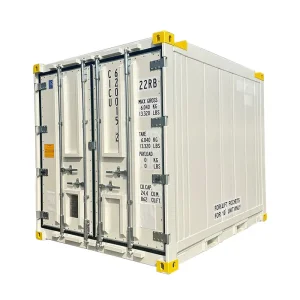
Modern combined cold-chain infrastructure integrates dual-temperature interior bulkheads, telematics-enabled micro-gensets, and passive eutectic cooling buffers. Global pharmaceutical supply chains and perishable agricultural trade require combined containers that maintain unbroken temperature compliance (-40°C to +25°C) across transfer yards where external three-phase shore power is inaccessible.
Offshore exploration and wind installation sectors have moved beyond conventional ISO dry boxes. Harsh marine environments demand combined units built to DNV 2.7-1 / BS EN 12079 criteria, designed to endure severe wave-induced shock loads, dynamic offshore crane lifts, and extreme saline atmospheric corrosion via marine-grade polyurethane epoxy barrier paints.
A transparent technical pricing guide reflecting actual factory raw material indices, machinery tooling amortizations, classification society testing overheads, and multi-tier volume brackets.
Container asset pricing is fundamentally determined by raw Corten steel (SPA-H) commodity valuation, internal machinery packages (Thermo King, Carrier Transicold, or Daikin), insulation density (polyurethane closed-cell expanding foam), and non-destructive welding validation. Below is our baseline pricing matrix for standard commercial deployments:
| Container Classification | Structural Specification | Certification Stack | MOQ | Indicative Price Range (FOB China Port) |
|---|---|---|---|---|
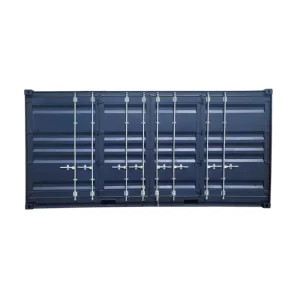
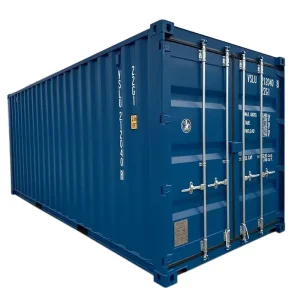
| 20ft Multi-Access Dry Combined | Side door open + double rear, Corten SPA-H 2.0mm corrugation, bamboo composite floor (28mm). | ISO 1496-1, CSC, BV, UIC 592 | 2 Units | $3,450 – $4,600 / Unit |
| 40ft High Cube Multimodal Combined | Reinforced 9'6" chassis, dual-end entry, heavy machinery lashing points (2,500 daN). | ISO 668, CSC Safety Plate, BV | 1 Unit | $5,200 – $6,800 / Unit |
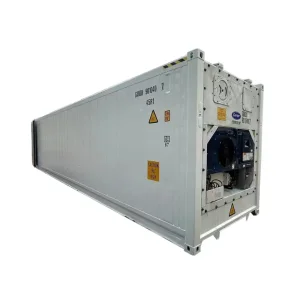
| 40ft HC Active Cold-Chain Reefer | Thermo King / Carrier unit, stainless 304 interior, T-bar airflow floor, dual 380V/440V. | ISO 1496-2, TIR, ATP, BV Certified | 1 Unit | $16,800 – $22,500 / Unit |
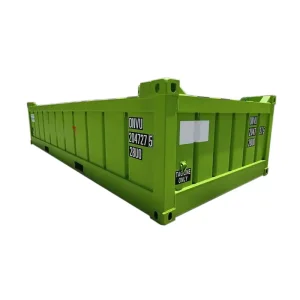
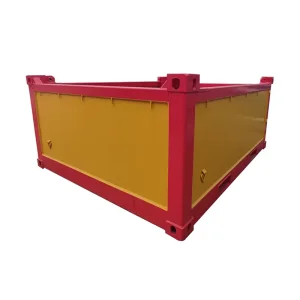
| 10ft / 20ft DNV Offshore Cargo Unit | Full DNV 2.7-1 frame, certified 4-point master lifting slings, pad-eyes rated 12.5T. | DNV GL 2.7-1, BS EN 12079, LR | 1 Unit | $7,900 – $11,400 / Unit |
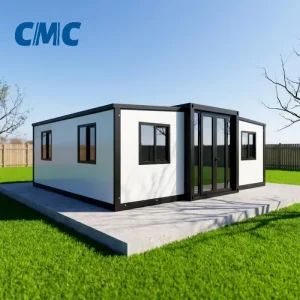
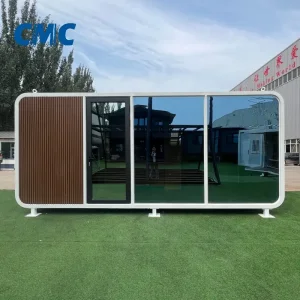
| 20ft Expandable Modular Housing Unit | Double-side hydraulic wing expander, rockwool sandwich panel, pre-installed MEP conduit. | CE, ISO 9001, AS/NZS Structural | 2 Units | $8,200 – $14,000 / Unit |
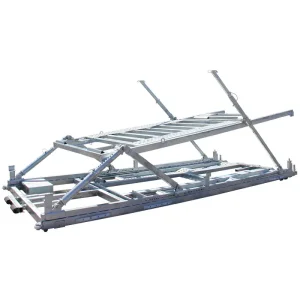
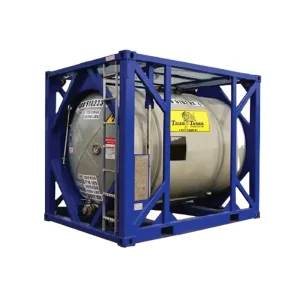
| Special Combined Liquid / Rack Unit | Heavy unibody vehicle rack / square liquid transport modular cradle with ISO twistlocks. | IMDG, CSC, BV Marine Survey | 2 Units | $4,800 – $9,200 / Unit |
Enterprise procurement teams must assess container longevity through Total Cost of Ownership (TCO). While base raw steel fluctuations represent ~60% of dry container pricing, reefer and offshore combined units realize their ROI through thermodynamic efficiency (lower kWh draw per cooling cycle) and structural corrosion deterrence (high-micrometer zinc-rich primer with aliphatic polyurethane finish), effectively preventing premature asset decommissioning during 15-year marine deployment cycles.
How institutional freight forwarders, mining conglomerates, defense contractors, and sovereign logistics operators structure their sourcing frameworks for customized container assets.
Global procurement standards enforce strict Mill Test Certificates (MTC) conforming to EN 10204 Type 3.1 for all primary structural members. Corten SPA-H structural steel panels, castings, and structural corner posts must verify yield strengths ≥ 345 MPa and Charpy V-notch impact toughness tested at -20°C or -40°C for cryogenic and offshore deployment environments.
Standard quality protocols dictate 100% Visual Testing (VT) on all continuous welds, combined with Magnetic Particle Inspection (MPI) and Ultrasonic Testing (UT) on dynamic structural intersections, pad-eye structural junctions, and perimeter corner post joins. Hydrostatic air-tightness testing is applied across reefer box envelopes to guarantee maximum thermal boundary containment.
Complex logistics payloads require customized internal layouts. Our dedicated CAD/FEA structural design teams interface directly with client engineering departments to calculate maximum floor loading deflections, design custom overhead track cranes, configure specialized internal vehicle wheel-chocks, or engineer explosion-proof electrical fittings conforming to ATEX Zone 1/Zone 2.
Strategic deployment frameworks engineered to eliminate transit bottlenecks, minimize cargo transshipment risks, and sustain asset durability across harsh environments.
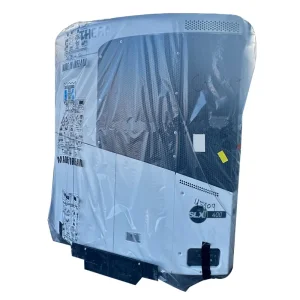
For transcontinental Eurasian freight, continuous diesel-electric power systems are mandatory. CIMIC combined railway containers utilize integrated clip-on or underslung generator sets (e.g., TK SLXi units) coupled with 45-foot high-cube cubic capacities. This delivers an uninterrupted 18-day thermal preservation transit for fresh agricultural yields, biological reagents, and delicate electronics across Siberian winter conditions (-40°C) down to Central Asian desert summers (+45°C).
Marine logistics support to floating production storage and offloading (FPSO) vessels and offshore drill rigs involves violent dynamic lifting cycles. CIMIC DNV 2.7-1 half-height ore containers and offshore equipment baskets feature specialized drainage gutters, integrated sling sets, non-slip marine walkways, and certified tie-down lugs, mitigating asset displacement during rough sea-state transfers.
When remote exploration camps or emergency humanitarian organizations establish field operations, standard civil construction is cost-prohibitive. CIMIC expandable modular combined container units pack down to standard ISO dimensions for ocean transit, then deploy within 45 minutes on-site into fully insulated, pre-wired, self-sustaining operations commands, medical pods, or residential quarters.
Global automotive vehicle exports face extreme vessel backlogs in traditional Roll-on/Roll-off (Ro-Ro) carriers. CIMIC multi-tier vehicle transport racks fit inside standard and combined high-cube ISO containers, allowing 3 to 4 passenger vehicles or EV chassis to be secured safely inside container liners, accelerating international transit via standard container vessels.
Rooted in China's foremost industrial maritime cluster with direct export logistics pathways to Africa, Europe, North America, Latin America, and Oceania.
Headquartered in the Tianjin FTA Pilot Area with sister manufacturing bases in Suzhou, CIMIC facilities sit approximately 100 kilometers from primary deep-water container terminals. This proximity eliminates inland rail bottlenecks, minimizes pre-carriage transit freight rates, and allows priority staging of custom and standardized equipment directly into port loading lanes.
Every combined unit leaves the factory with third-party classification verification. We partner with Bureau Veritas (BV), Det Norske Veritas (DNV), and the China Classification Society (CCS) to ensure CSC safety approval plates, UIC railway registration, and customs TIR seals are documented, stamped, and globally recognized upon arrival at the destination port.
For operations requiring immediate, cost-efficient deployment, CIMIC holds inspected 90% new and cargo-worthy (CW) retired carrier fleet containers across all major Chinese commercial container ports (Tianjin, Qingdao, Shanghai, Ningbo, Shenzhen). Unit-level high-resolution visual and Pre-Trip Inspection (PTI) operational reports are shared before dispatch.
Advancing container capabilities through sensor fusion, low-carbon materials, and structural intelligence over the next decade of multimodal transport.
Integration of low-orbit satellite communication transceivers into reefer machinery controllers. Real-time telemetry systems continuously log and transmit interior temperature gradients, relative humidity levels, oxygen/carbon dioxide ratios (Active Atmosphere), mechanical vibration telemetry, and precise GNSS positioning to unified enterprise ERPs without manual yard checks.
Development of micro-encapsulated organic Phase Change Materials (PCM) integrated into side-wall polyurethane panels. These bio-based thermal storage barriers passively absorb heat during intermodal yard transshipments, slashing active generator diesel consumption by up to 38% and maintaining thermal integrity during power-off periods.
Introduction of graphene-reinforced carbon composite corner castings and sandwich composite doors to decrease tare weight by 18% while enhancing ultimate tensile load ratings. Lightweight containers dramatically increase payload net capacity on intermodal rail routes subject to strict axle-load weight restrictions.
100% green-hydrogen steel smelting integration across primary SPA-H structural framing lines, coupled with waterborne zero-VOC self-healing ceramic coatings. Container end-of-life architectures are optimized for complete metallurgical circularity, delivering verifiable Scope-3 supply chain emissions reductions for institutional shippers.
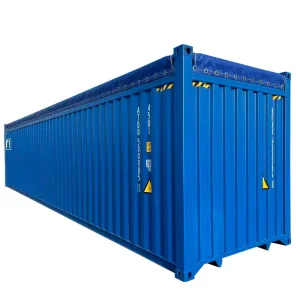
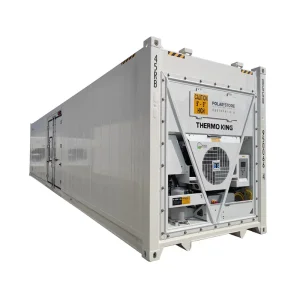
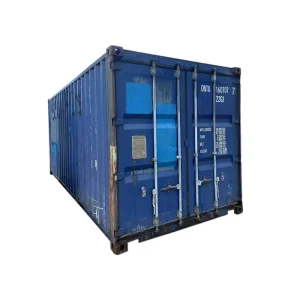
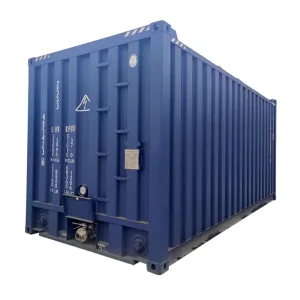
Explore heavy-payload, liquid, open-top, and mobile power container engineering units available for immediate contract manufacturing and global delivery.
In-depth responses authored by our senior container structural engineers to resolve enterprise contracting, certification, and multi-modal compatibility concerns.
