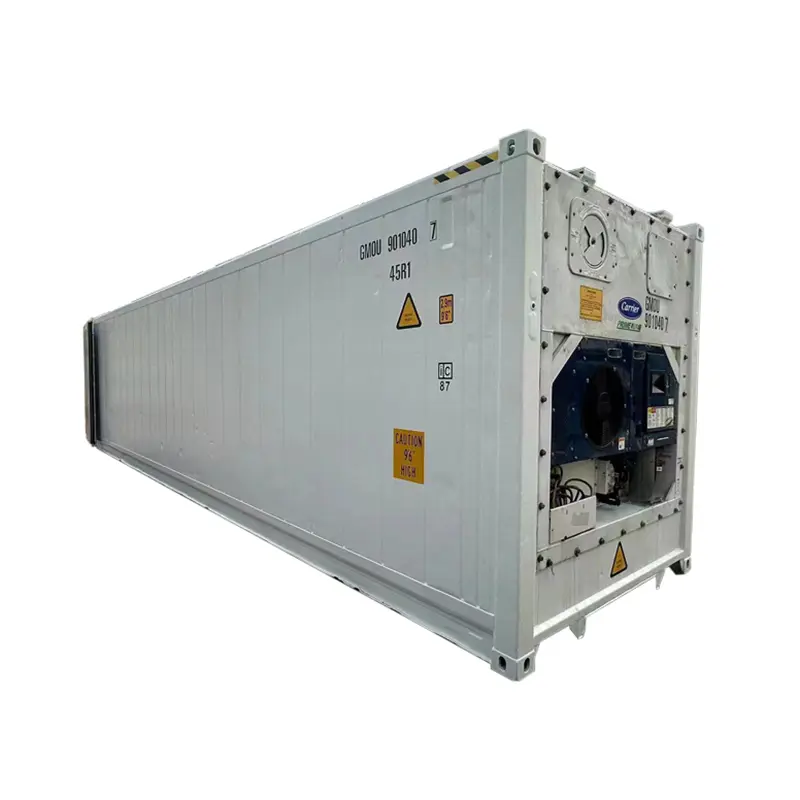
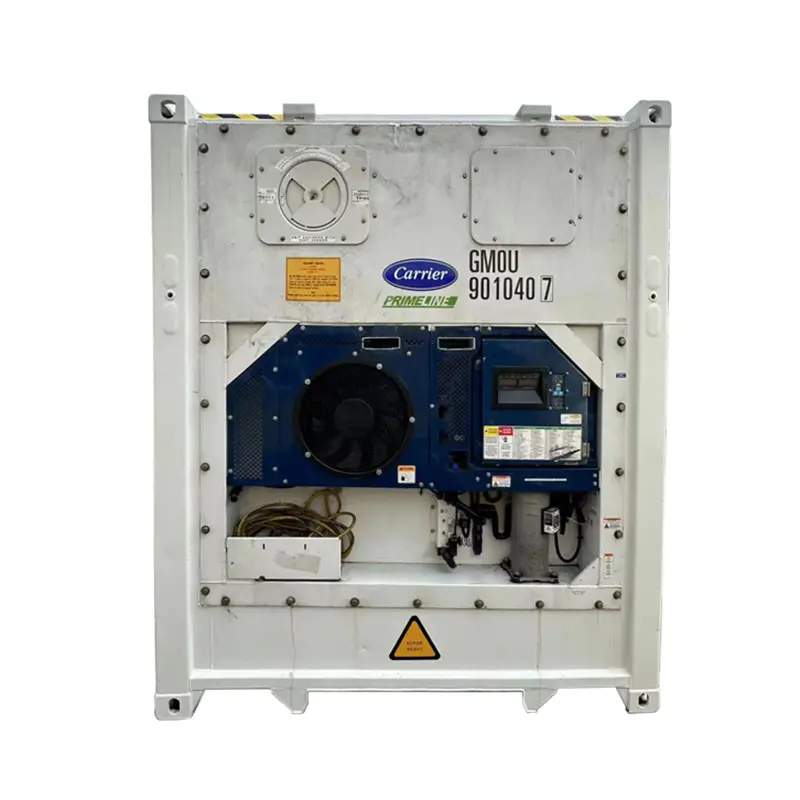
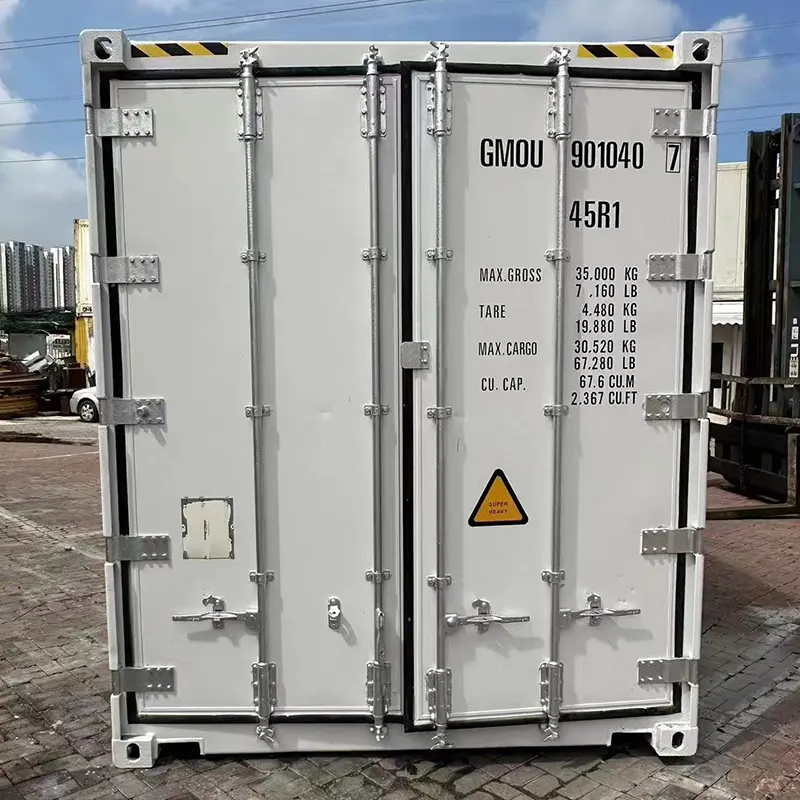
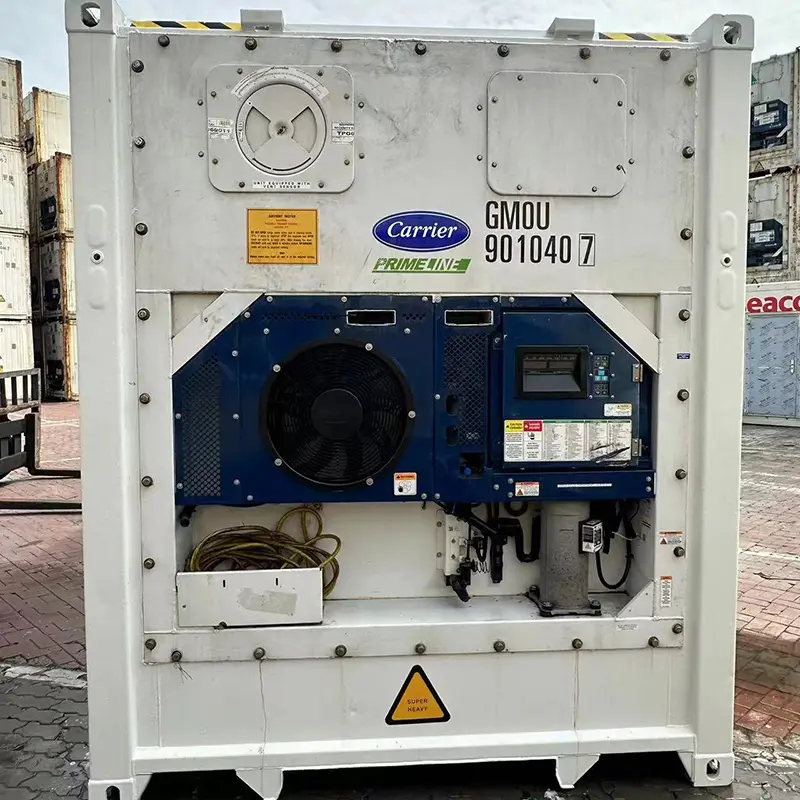
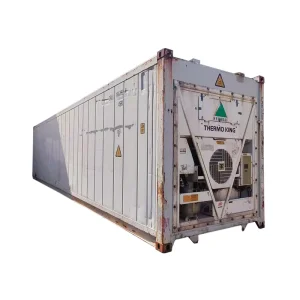
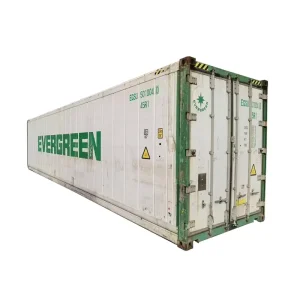
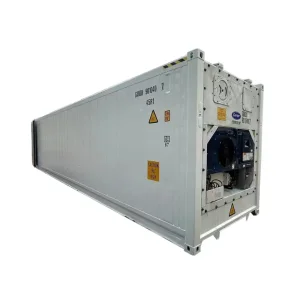
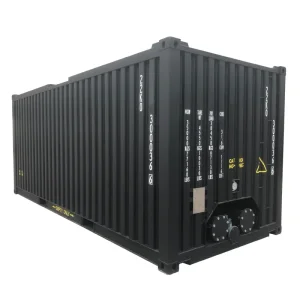
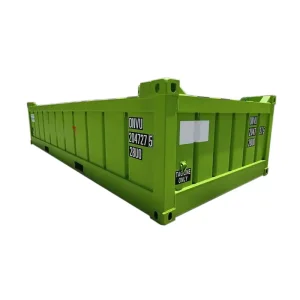
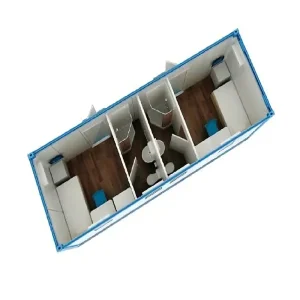
Generally, galvanized steel structure is used, and the inner wall, bottom plate, top plate and door of the container are made of metal composite plate, aluminum plate, stainless steel plate or polyester. These materials have good corrosion resistance and thermal insulation performance, which can ensure that the refrigerated container maintains good performance during long-term use and effectively protect the goods in the container.
Good maintenance is the key factor to extend the service life of refrigerated containers. Maintenance of the refrigeration machine and the maintenance of the container itself, such as repairing damaged insulation layer and anti-rust treatment, is also very important.
Cost Effective
Purchase Price Advantage:
The price of second-hand refrigerated containers is significantly lower than that of brand-new products. Brand-new refrigerated containers are more expensive and are a considerable expense for some companies or individuals with limited budgets. The price of second-hand products may be only about 30% - 70% of that of brand-new products. For example, a brand-new 40-foot refrigerated container may cost hundreds of thousands of yuan, while the price of second-hand products may be tens of thousands of yuan, which can save users a lot of money.
Operating Cost Considerations:
In terms of energy consumption of the refrigeration system, if second-hand refrigerated containers are well maintained and equipment upgraded, the refrigeration energy consumption of second-hand refrigerated containers will not be much different from that of new containers. And in terms of maintenance costs, due to the low price of second-hand boxes, even if some minor faults occur and need to be repaired, the maintenance cost will account for a relatively low proportion of the total investment, and the overall operating cost still has certain advantages.
Q
What is the price of a second-hand refrigerated container?
Due to many factors, such as the condition of the container and the year of production, the price is not fixed. If you need a specific quote, please contact us.
Q
What should I pay attention to when buying a second-hand refrigerated container?
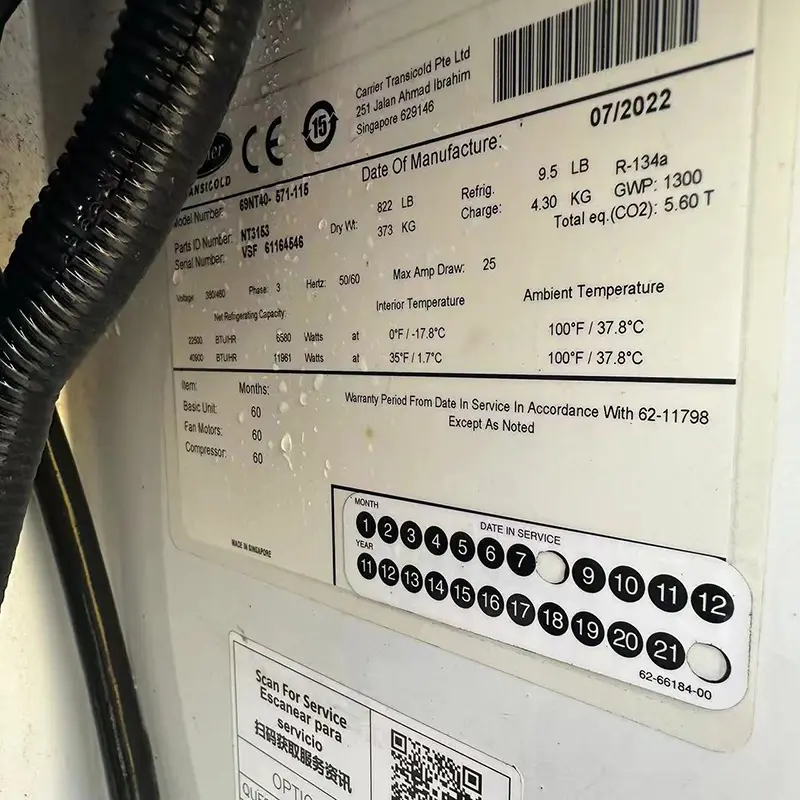
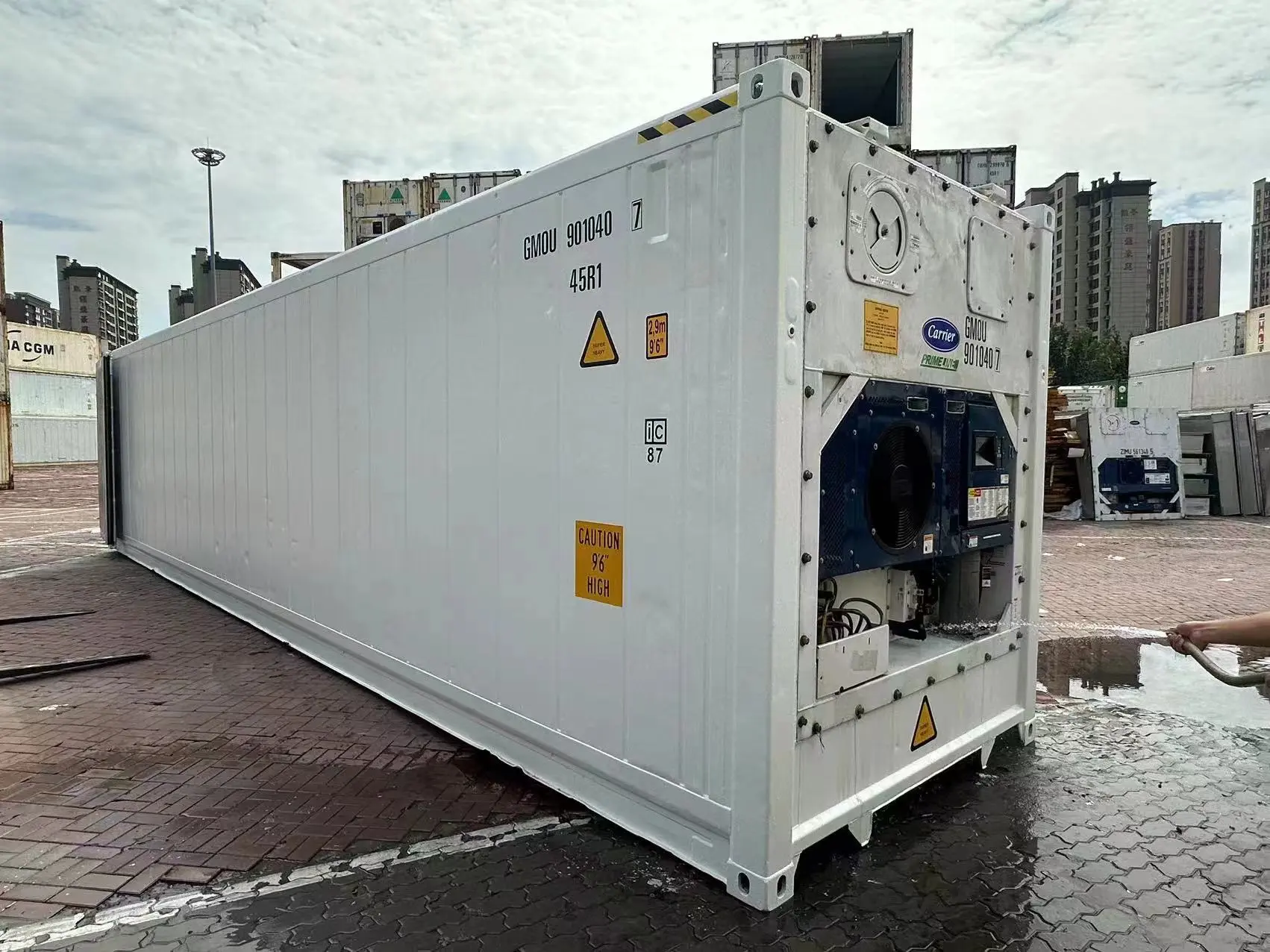
Inspect the refrigeration equipment to ensure that it can operate normally, check the refrigeration effect, temperature control range, operating noise, etc. of the refrigeration unit. You can ask the seller to provide maintenance records of the refrigeration equipment to understand its use and maintenance and judge the reliability of the equipment. The containers we sell can be tested.
Q
What materials are used to construct these refrigerated containers?
Galvanized steel structure is typically used for structural strength. The inner walls, bottom plates, top plates, and doors are crafted from metal composite panels, aluminum plates, stainless steel plates, or polyester to ensure exceptional thermal insulation and corrosion resistance.
Q
How does maintenance impact the lifespan of a reefer container?
Proper maintenance is essential for longevity. Regularly servicing the cooling machinery, timely repairing any damaged insulation layer, and applying anti-rust treatments protect the structural integrity and ensure efficient temperature preservation over extended operations.
Q
How do operating costs compare between used and new reefer containers?
When well-maintained or upgraded, a used unit's energy consumption is very close to a brand-new container. Given the significantly lower initial purchase cost, any subsequent maintenance or repair represents a much lower share of overall investment.
Q
What are the dimensions and load capacity of the 40ft container?
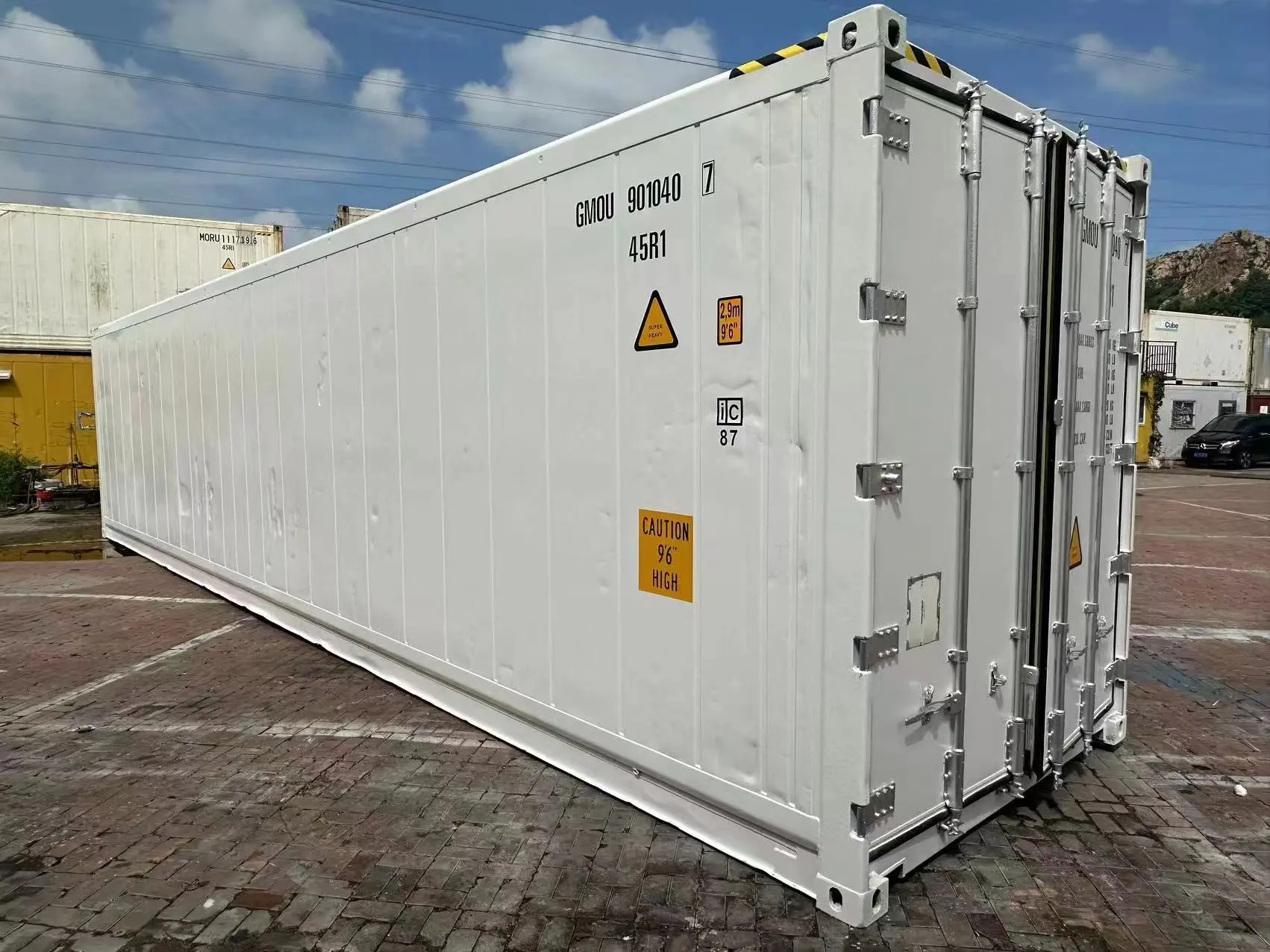
The external dimensions are 12192*2438*2896 mm with internal dimensions of 11590*2294*2554 mm. It supports a maximum payload of up to 29,250 kg (64,490 lbs) with a maximum gross weight of 34,000 kg (74,960 lbs).