Factory-direct specialized container designs engineered to withstand extreme payload distributions, corrosive marine atmospheres, and rigorous intermodal rail-sea transfers.

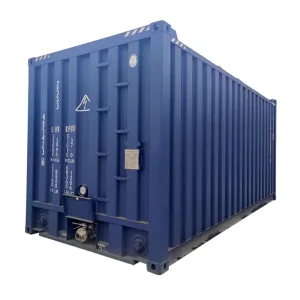

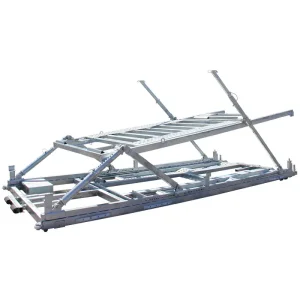
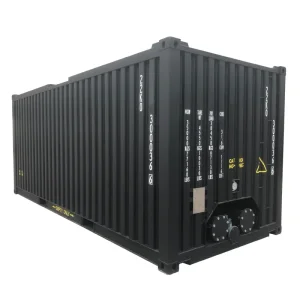


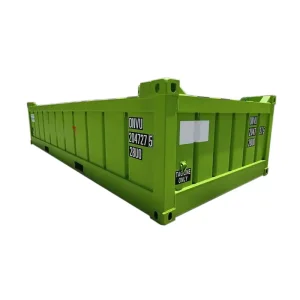
Beyond general dry freight van containers, the special container sector forms the vital technological backbone of specialized worldwide heavy infrastructure, energy networks, and chemical supply chains.
Standard containerization transformed global trade, yet conventional 20GP and 40HC dry boxes are inherently constrained by cubical envelope limitations, fixed-door geometries, and baseline payload densities. Special containers—encompassing open tops, flat racks, bulk hoppers, liquid ISO tanks, and DNV offshore units—bridge the gap between standardized intermodal infrastructure and out-of-gauge (OOG) industrial equipment, enabling breakbulk-to-container migration.
Cross-border maritime distribution of lithium-ion energy storage systems (BESS), pressurized cryogenic gases, and toxic chemicals demands extreme adherence to international safety regimes. Special containers are built with anti-explosion ventilation, flame-retardant ceramic insulation, and automated leakage retention valves complying strictly with IMDG (International Maritime Dangerous Goods), ADR, and RID frameworks.
The expansion of deepwater oil exploration, subsea pipeline installations, and offshore wind farms necessitates structures certified to DNV 2.7-1 (BS EN 12079). These containers endure dynamic sea-state wave slamming, negative 40°C Arctic impact testing, and intensive vertical crane snatch loads, demanding high-yield micro-alloyed structural steels like SPA-H and Q345E with Charpy V-notch impact validation.
China manufactures over 90% of global ISO and bespoke special containers. CIMIC leverages four decades of metallurgical mastery, robotic fabrication, and sea-hub proximity to deliver uncompromised quality.
Chinese container manufacturers operate in direct structural synergy with premier domestic steel mills producing high-specification atmospheric corrosion-resistant Corten-A/SPA-H steel coils. This co-located supply cluster eliminates transcontinental shipping delays of heavy structural members and guarantees raw chemical uniformities, delivering yield strengths upwards of 345 MPa and superior rust-passivating copper-chromium-nickel surface patinas.
CIMIC facilities in Tianjin and Suzhou utilize precision robotic welding cells programmed for multiaxis seam joining of complex structural corner castings, bottom side rails, and high-tensile corrugated panels. Fully enclosed automated centrifugal shot-blasting halls achieve SA 2.5 surface cleanliness, followed by multi-tier robotic zinc-rich epoxy priming and polyurethane marine topcoats that ensure 1,500+ hours of ASTM B117 salt spray endurance.
Located within ~100 kilometers of the Port of Tianjin—the premier maritime gateway of Northern China—factory production outputs transition smoothly from factory final QC lines onto dedicated multi-axle heavy trailers, entering international container terminals without intermediary storage transshipment. This logistical positioning provides unmatchable vessel sailing access across transatlantic, transpacific, and Euro-Asian intermodal corridors.
From extreme sub-zero permafrost construction to offshore drill ships, discover how specific customized container architectures resolve real-world logistical bottlenecks.
Surging vehicle exports require alternatives to constrained pure car and truck carriers (PCTC). Specially developed 20ft/40ft car carrier containers and internal removable hydraulic vehicle transport racks permit end-to-end containerized shipping of passenger EVs and commercial SUVs directly from factory floors to overseas dealer lots without secondary damage or weather exposure.
Transporting unrefined industrial bitumen, coal tar, and heavy residual bunker fuels over railway networks demands heated asphalt containers with built-in high-efficiency thermal serpentine heating flues. Outfitted with automatic thermostatic burner interfaces and dense rock-wool insulation, cargo viscosity remains fluid, preventing costly re-heating demurrage at receiving discharge terminals.
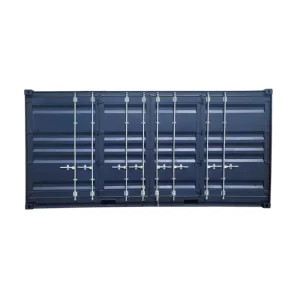
Agricultural pesticides, raw oxidizers, and corrosive chemical agents mandate custom 20ft high-cube hazardous material boxes. Designed with spark-resistant full-side folding doors, spark-arresting louvers, and liquid-tight internal containment bund floors (sump trays), these units trap accidental spills while ensuring rapid forklift clearance.
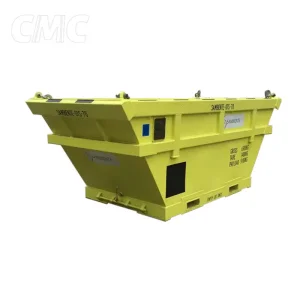
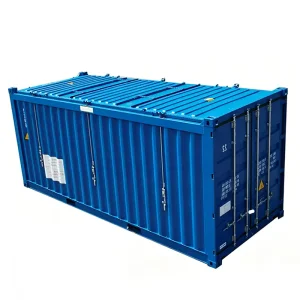
Maritime offshore exploration generates hazardous drilling muds and wet cuttings that conventional skip containers cannot safely retain in turbulent waters. DNV 2.7-1 certified silt basket containers and half-height open-tops incorporate certified slings, pad-eyes, leak-proof perimeter seals, and heavy internal anti-slosh baffles for seamless platform-to-shore lifting.
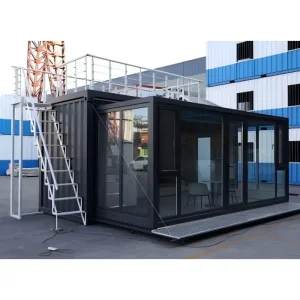
Civil disaster relief teams, remote mining compounds, and military expeditionary logistics depend on 20ft foldable and expandable prefab container houses. Prefitted with insulated structural sandwich panels, concealed pre-certified electrical runs, and integrated sanitary modules, these units deploy within hours from standard flatbeds.
The specialized container industry is experiencing a generational shift towards autonomous telemetry tracking, ultralight eco-alloys, and integrated renewable grid storage integration.
Next-generation special containers are no longer inert steel shells. Integrated with satellite and 5G low-power wide-area networks (NB-IoT), smart sensors track structural dynamic stress, internal atmosphere oxygen levels, humidity variations, and precise GPS geofences in real time. This automated telemetry feeds directly into enterprise ERP supply chain software, enabling proactive risk mitigation before structural compromise occurs.
Aligned with global Scope 3 decarbonization mandates, top container fabricators are transitioning toward green-hydrogen direct-reduced iron (DRI) electric arc furnace steels. Simultaneously, traditional hardwood tropical plywood floorboards are systematically replaced by recyclable high-strength composite polymers, hot-dipped galvanized corrugated steel decks, or bamboo-epoxy hybrid composites that maximize longevity while halting rainforest deforestation.
The global transition to solar and wind energy has unlocked huge demand for specialized modular BESS containers. These custom enclosures require ultra-strict thermal simulation engineering, liquid-cooling distribution manifolds, integrated Novec 1230 fire suppression plumbing, and explosion-venting roof hatches certified to NFPA 68/69 and UL 9540A industrial safety codes.
Procurement directors and maritime safety auditors enforce stringent validation testing before certifying containers for intermodal transit. Review the core specifications table below.
| Container Classification | Primary Material Grade | Regulatory Testing Standard | Corner Casting Proof Load | Target Industrial Use Case |
|---|---|---|---|---|
| 20ft Platform / Flat Rack | SPA-H / Q345D High-Tensile Steel | ISO 1496-1 / CSC Approved | 84,000 kg Racking Resistance | Heavy transformers, mining gear, OOG machinery |
| DNV Offshore Half-Height | Low Alloy Q345E / Charpy @ -20°C | DNVGL-ST-E271 (BS EN 12079) | Dynamic Multi-Point Sling Proof Test | Drill cuttings, subsea valves, rig support |
| 20ft Heated Liquid/Bitumen | Stainless 316L / Corten Outer Frame | IMDG / ASME Section VIII Div 1 | Hydrostatic pressure test at 4.0 Bar | Industrial bitumen, crude tar, molten paraffins |
| Dangerous Goods Side-Open | Weather-resistant SPA-H Steel | ADR / RID / IMDG Class 3-9 | Full 30-ton floor deflection testing | Agrochemicals, BESS batteries, industrial solvents |
| Foldable Modular Cabin | Galvanized Cold-Rolled Q235B | ISO 9001 / CE Structural EN 1090 | Wind uplift load 1.2 kN/m² | Emergency camps, construction base camps |
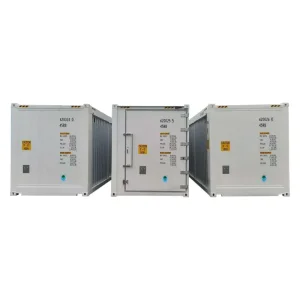
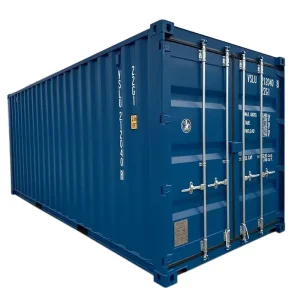
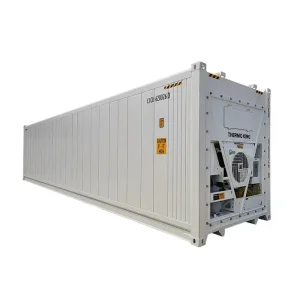
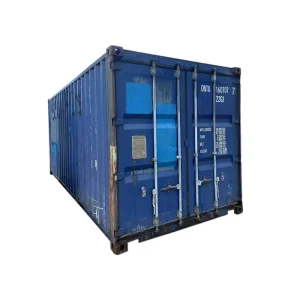
Discover our second tier of precision-built intermodal units, ranging from multi-temperature reefer units to offshore silt retrieval systems.
Detailed clarifications concerning CSC safety approvals, offshore certifications, custom engineering minimums, and port delivery logistics.
