High-Quality DNV Certification Silt Basket Container Used in Offshore Operations Product, Quotes

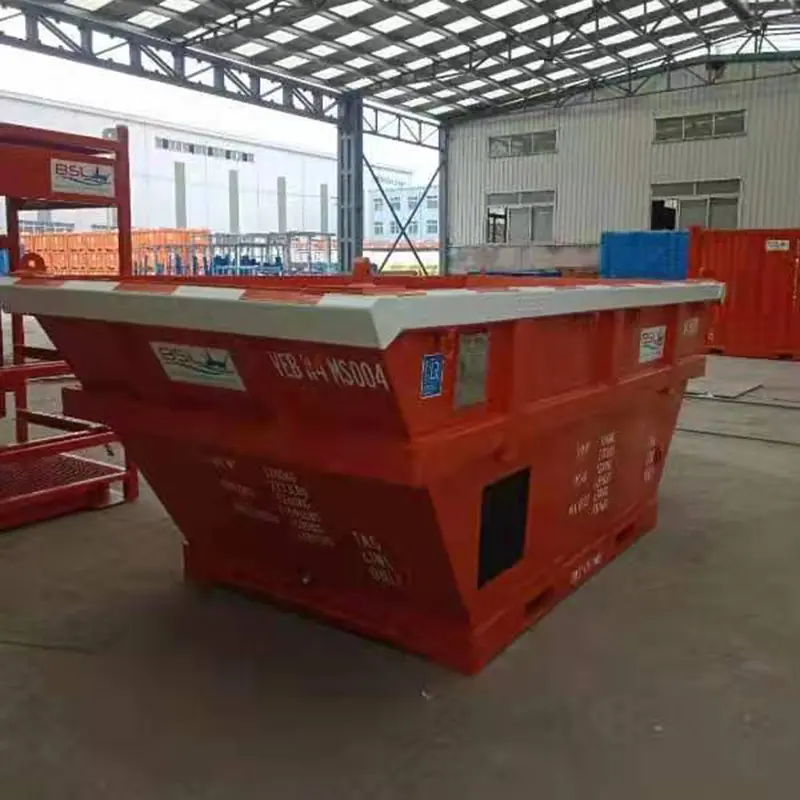
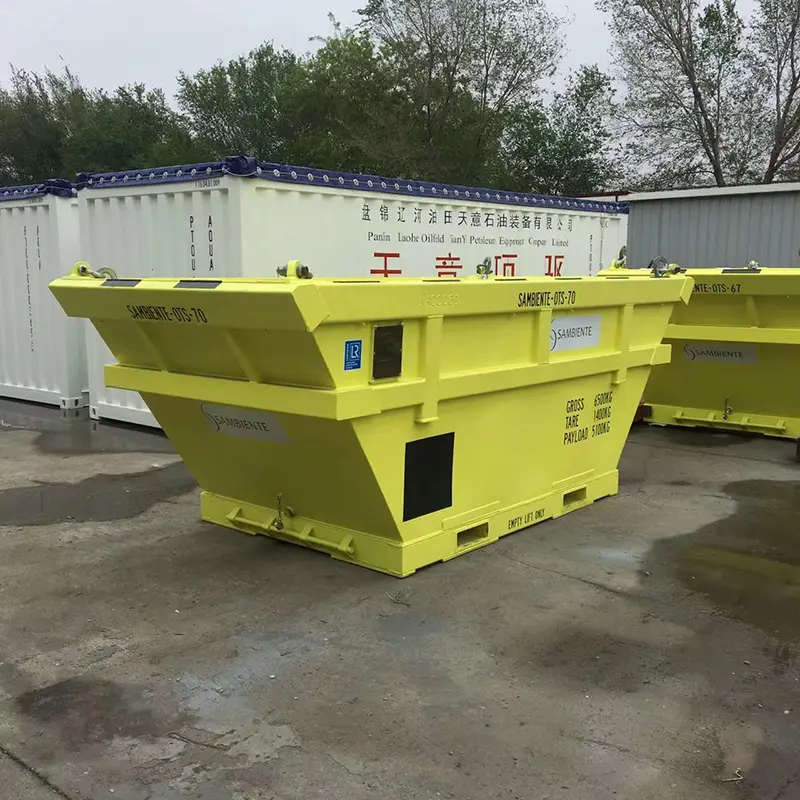
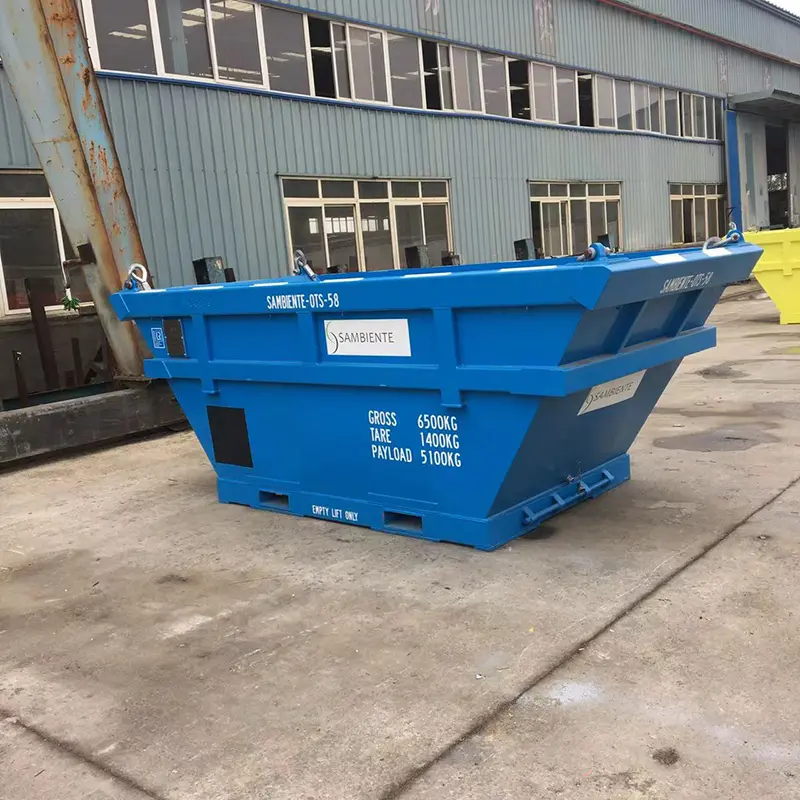
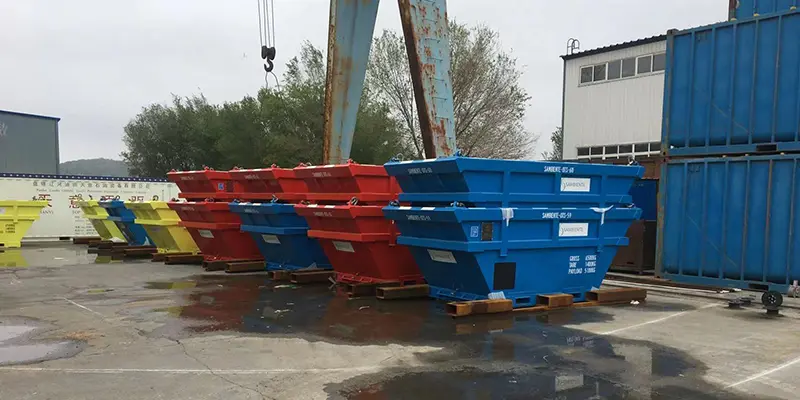
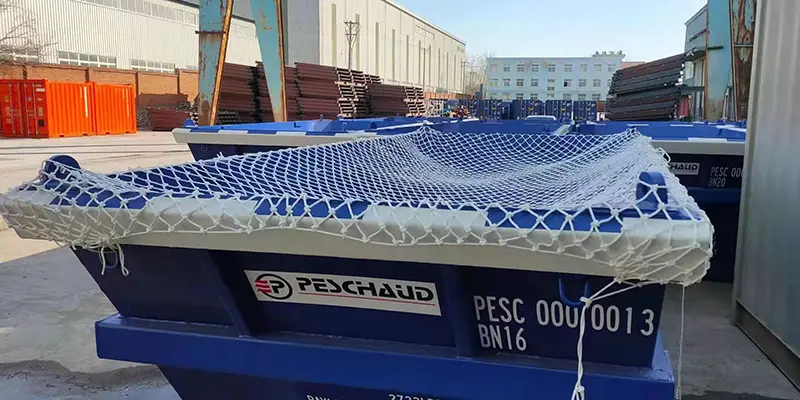
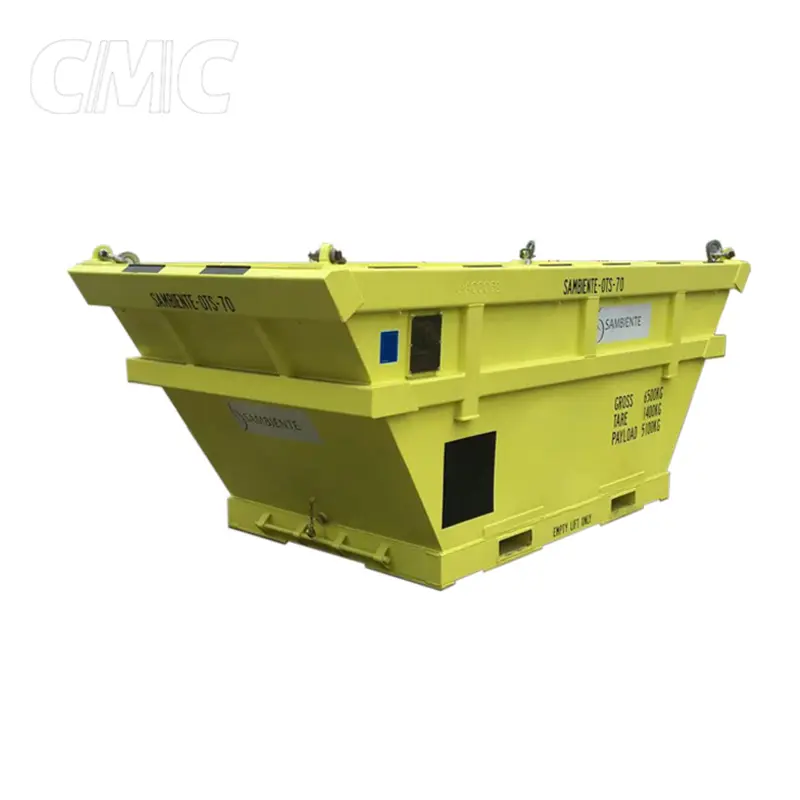
The offshore silt basket container is a special container used for offshore silt cleaning, transportation and treatment operations. It is a large basket-like structure whose main purpose is to effectively collect, contain and transfer silt in an offshore environment.

Product Description

Product Introduction

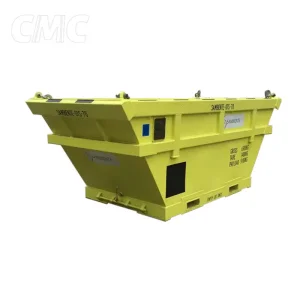
The main structure of the silt basket container is usually composed of a solid metal frame, which is generally made of high-strength steel, such as weathering steel or special alloy steel, to resist the corrosion of seawater and various external forces of offshore operations. The shape of the frame is similar to a hanging basket, with deep side walls and bottom to ensure sufficient silt holding space. The upper part is provided with a device for lifting, such as a plurality of high-strength lifting ears, which are compatible with the hooks of cranes or other lifting equipment, so as to facilitate lifting between different locations such as offshore ships and docks.

Product Specification

Different sizes of suspended basket containers have different sizes and uses, and the specific parameters are provided according to the size you require.

Key Advantages

Structural Strength and Stability
The weight of the silt should be considered during manufacturing, including the weight of the silt itself and the weight of the water contained in it. Marine silt usually has a high water content, which may reach 60% - 90%, which means that the container needs to have sufficient load-bearing capacity to withstand a large amount of heavy silt. At sea, it will be affected by various forces such as wind, waves, and tides. In bad weather, the impact of waves may cause the container to shake and tilt violently. Therefore, the structural design of the container must be able to resist these external forces to ensure stability during marine transportation and operation. Due to frequent lifting, transportation, and loading and unloading operations, the container will undergo repeated loading and unloading processes. This requires that the material and structure of the container have sufficient fatigue strength to avoid fatigue cracks and damage.
Abrasion and Corrosion Resistance
Seawater is a highly corrosive medium and contains a lot of salt. The container is prone to corrosion when it is in contact with seawater for a long time. Therefore, it is necessary to choose a material with good corrosion resistance. Weathering steel is a common choice. It forms a dense oxide film on the surface, which can effectively resist the corrosion of seawater. During the loading and unloading process of sludge, the bottom and side walls of the container will frequently rub against the solid particles in the sludge. In order to prevent the wear of the container, the material should have a certain wear resistance. Wear-resistant linings can be added to the easily worn parts inside the container, such as wear-resistant rubber linings or high-strength ceramic linings. These linings can not only reduce wear, but also prevent the sludge from sticking to the container wall to a certain extent.
Sealing and Anti-Leakage
The sludge container needs to have good sealing to prevent the sludge from leaking during transportation. At the same time, the welds of the side walls and the bottom should be welded tightly to ensure that there are no gaps.

Frequently Asked Questions

How long does an anti-corrosion coating last?
The life of an anti-corrosion coating depends on a number of factors. In a mild offshore environment, with regular maintenance, a hot dip galvanized coating may last around 10-15 years, and a high quality marine specific anti-corrosion paint may last 5-10 years.
How to prevent damage to the connection parts during frequent lifting?
At the connection parts, such as the connection points between the lifting lugs and the frame, high-strength bolts or welding are used for reinforcement. The lifting lugs themselves are made of high-quality alloy steel and have sufficient strength to withstand the tension during lifting. At the same time, the design will take into account the stress distribution during the lifting process, optimize the shape and position of the lifting lugs, and make them transfer the tension as evenly as possible.
What steel materials are utilized to withstand high-moisture marine silt?
Silt basket containers are manufactured from structural-grade high-strength steel, including weathering steel and special marine alloy steels. These materials provide the superior tensile and fatigue strength required to safely carry high-density wet silt containing 60% to 90% water content.
How is leakage prevented when carrying liquefied sludge?
All bottom and side wall joints undergo continuous, full-penetration seal welding. This seamless construction eliminates joint gaps, ensuring complete liquid retention and preventing environmental contamination during transit across rough sea conditions.
Can internal linings be added to prevent sludge sticking and wear?
Yes, wear-resistant linings such as specialized industrial rubber linings or high-strength ceramic linings can be installed on high-abrasion internal surfaces. These linings drastically reduce abrasive wear from silt particles and minimize material adherence to container walls.
Are silt basket containers customizable to specific offshore projects?
Yes, dimensions, maximum gross weight capacities, crane hook specifications, and payload dimensions are engineered to order according to operational criteria and vessel deck constraints.

Related Products