China T75 20ft Cryogenic Liquid Tank Container Product, Factories

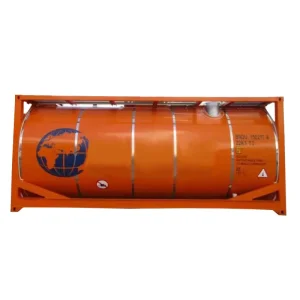
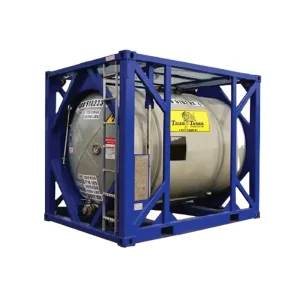
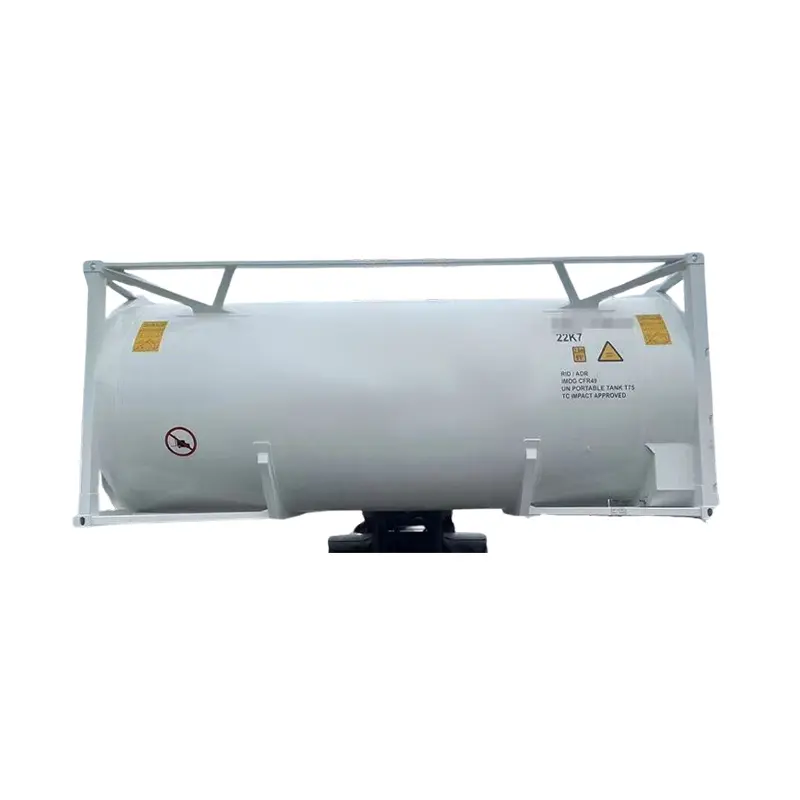
T75 tank containers are generally used to transport liquids that have special requirements for temperature, pressure and other conditions. These liquids may be some high-purity chemicals or substances that can only exist stably under specific temperature and pressure. For example, some cryogenic liquefied gases or some highly active chemicals that need to be transported under the protection of inert gas.

Product Description

Product Introduction
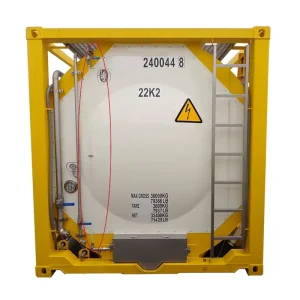
The T75 tank container is a professional unit engineered to transport cryogenic liquefied gases and related special media. Its inner vessel is typically fabricated from high-grade stainless steel (such as 304 stainless steel), delivering robust corrosion resistance across diverse cargo types. The external protective shell is constructed from durable carbon steel, achieving optimal structural strength with cost efficiency.
Utilizing advanced high-vacuum multi-layer insulation, a specialized narrow-gap vacuum barrier is formed between the inner vessel and outer shell. Wrapped in multi-layer thermal reflective screens and integrated with specialized low- and normal-temperature adsorbents, heat ingress is significantly minimized to maintain cryogenic stability and mitigate boil-off gasification. Applicable cargo includes liquid oxygen, liquid nitrogen, liquid argon, liquefied natural gas (LNG), ethylene, and liquid helium.
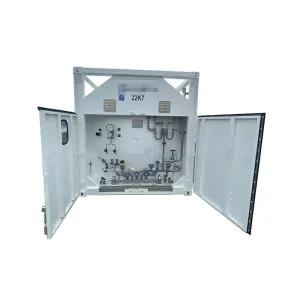
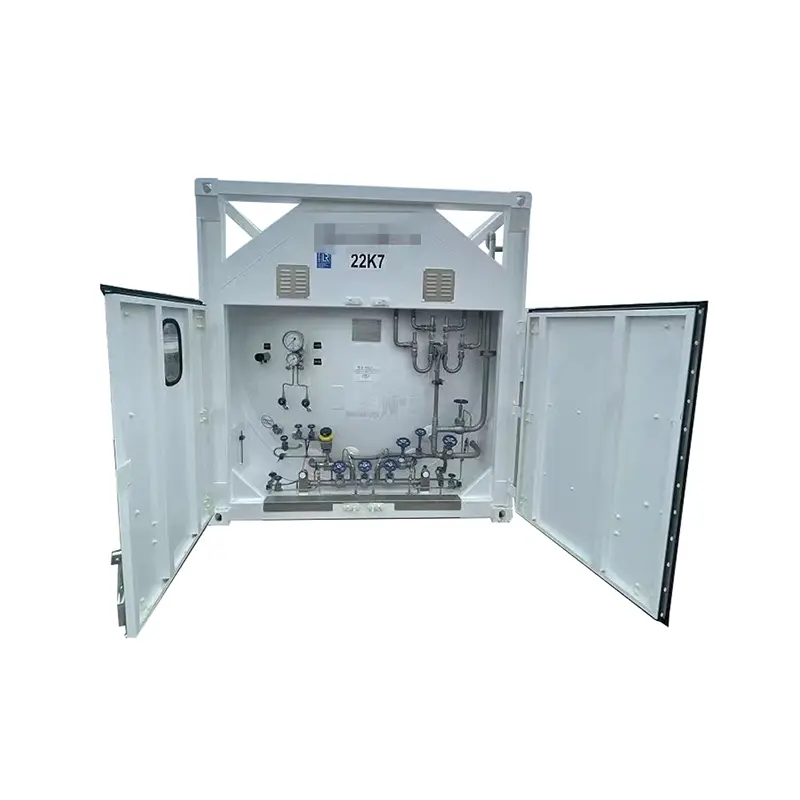
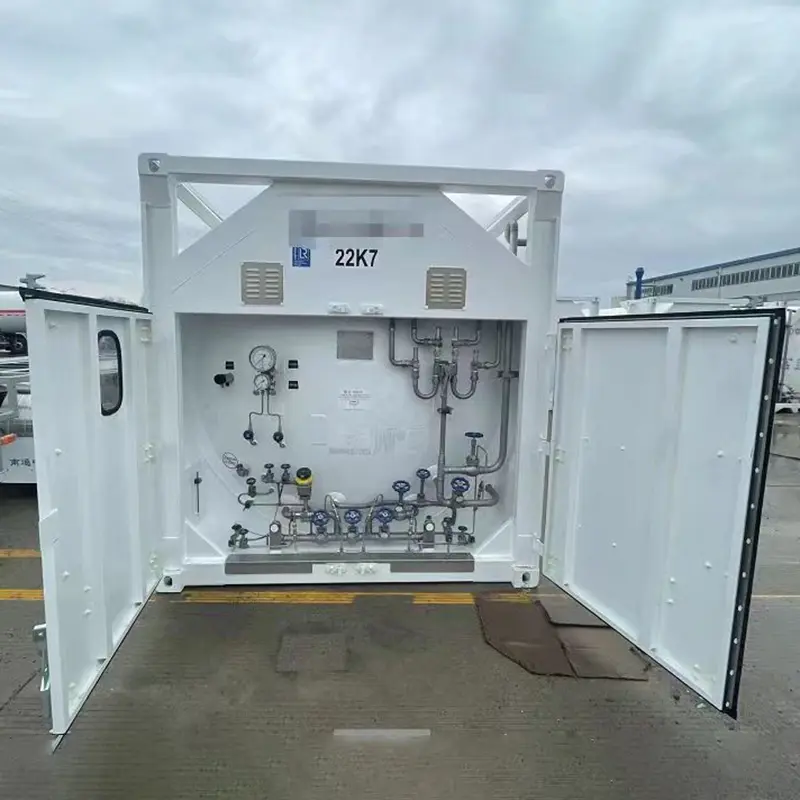
Every T75 unit incorporates essential safety mechanisms, comprising dual safety relief valves, high-precision pressure gauges, inner tank bursting discs, liquid level indicators, and emergency shut-off systems. All engineering aligns with rigorous ISO standards and international classification society certifications to guarantee absolute operational safety across marine and land intermodal routes.
Product Specification
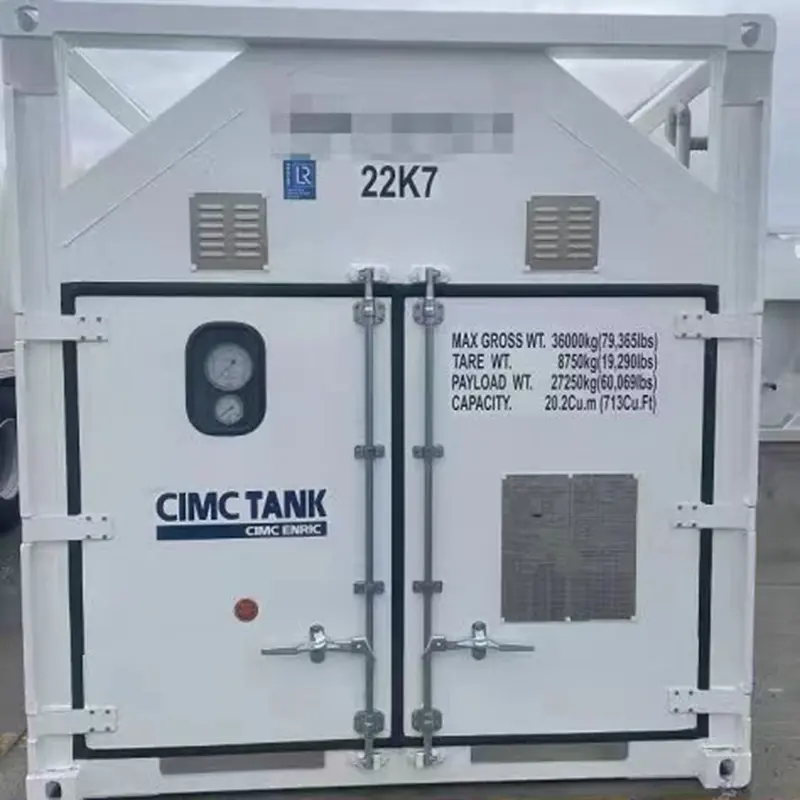
External Dimension (MM) 6058 * 2438 * 2591
MAWP (Maximum Allowable Working Pressure) 2.4 MPa
Tare Mass 8,450 kg
MPGM (Maximum Permissible Gross Mass) 36,000 kg
Advantages
Strong Thermal Insulation Performance

Featuring a high-vacuum multi-layer insulation envelope coupled with a stainless steel inner vessel, the unit delivers low heat conduction. This preserves stable, ultra-low temperatures for sensitive cryogenic liquids—such as liquid oxygen and liquid nitrogen—significantly reducing product loss caused by boil-off during transit and storage.

High Gas Purity Guarantee

With precision-engineered seals and inert contact materials, the container eliminates atmospheric ingress and prevents cargo contamination, fulfilling the demanding purity specifications required in high-end industrial production, electronics, and scientific research.

Solid and Reliable Structure

Engineered with robust end-arc plates and high-tensile bottom longitudinal beams integrated into the ISO frame, the structure withstands severe dynamic impacts and mechanical stresses encountered in multimodal shipping, preventing tank distortion or structural failure.

Frequently Asked Questions
What goods can T75 tank containers transport?
They are primarily utilized for transporting cryogenic liquefied gases, including liquid oxygen (LOX), liquid nitrogen (LIN), liquid argon (LAR), liquefied carbon dioxide (LCO2), liquefied natural gas (LNG), ethylene, and liquid helium.
What safety devices are fitted on a T75 tank container?
Standard safety configurations include dual pressure safety relief valves, internal liner bursting discs, precision pressure gauges, liquid level meters, emergency shut-off systems, and cryogenic control valves.
What is the design temperature range of the T75 container?
The standard design temperature range spans from -196℃ up to +50℃, accommodating deep cryogenic media under standard environmental conditions.
What are the primary materials used in container construction?
The inner pressure vessel is constructed from cryogenic-grade stainless steel (such as 304), while the outer protective shell and corner framework are fabricated from high-strength carbon steel.
What international standards and certifications do these units meet?
The containers comply with standard ISO dimensions and requirements, and are inspected and certified by international classification societies for safe road, rail, and maritime transport.
What are the standard dimensions and pressure ratings?
Standard dimensions are 6058 mm (L) × 2438 mm (W) × 2591 mm (H) with a Maximum Allowable Working Pressure (MAWP) of 2.4 MPa, a tare weight of 8,450 kg, and an MPGM of 36,000 kg.

Related Products