1 / 3
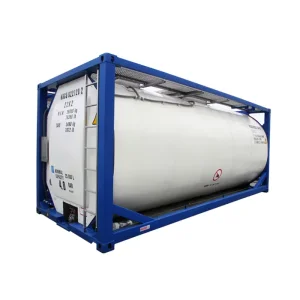
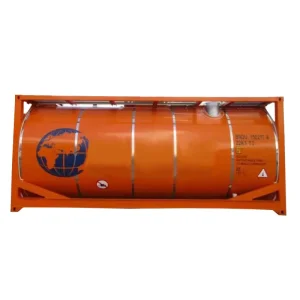
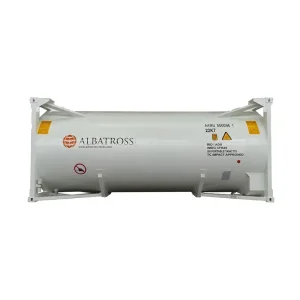
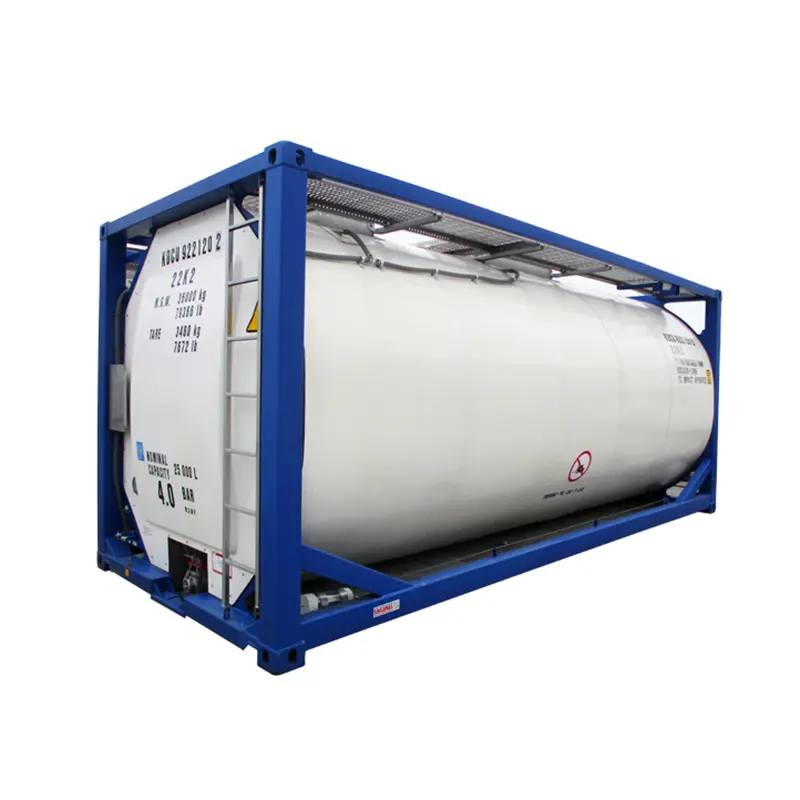
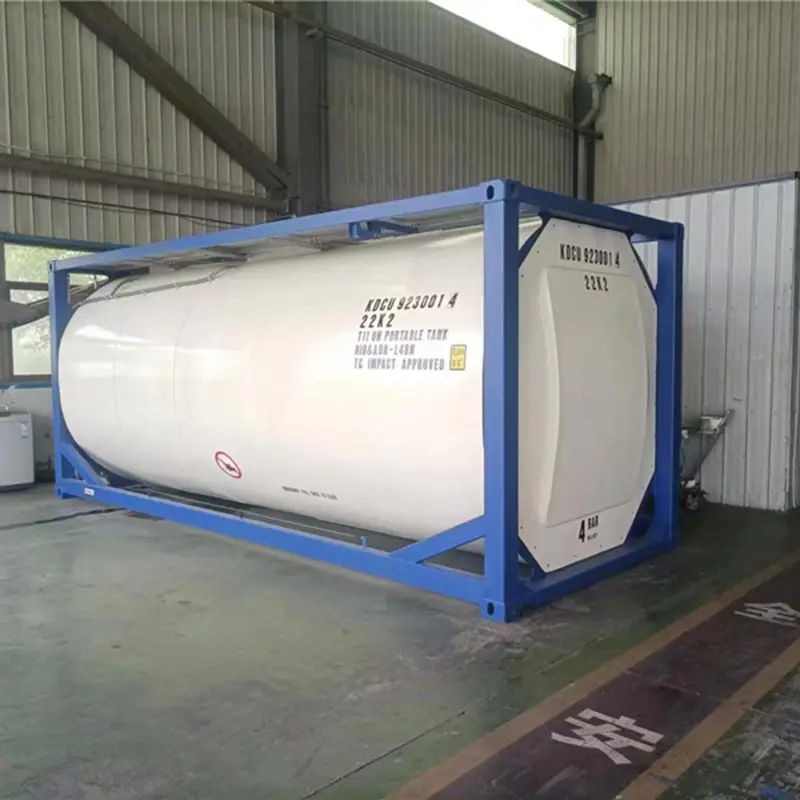
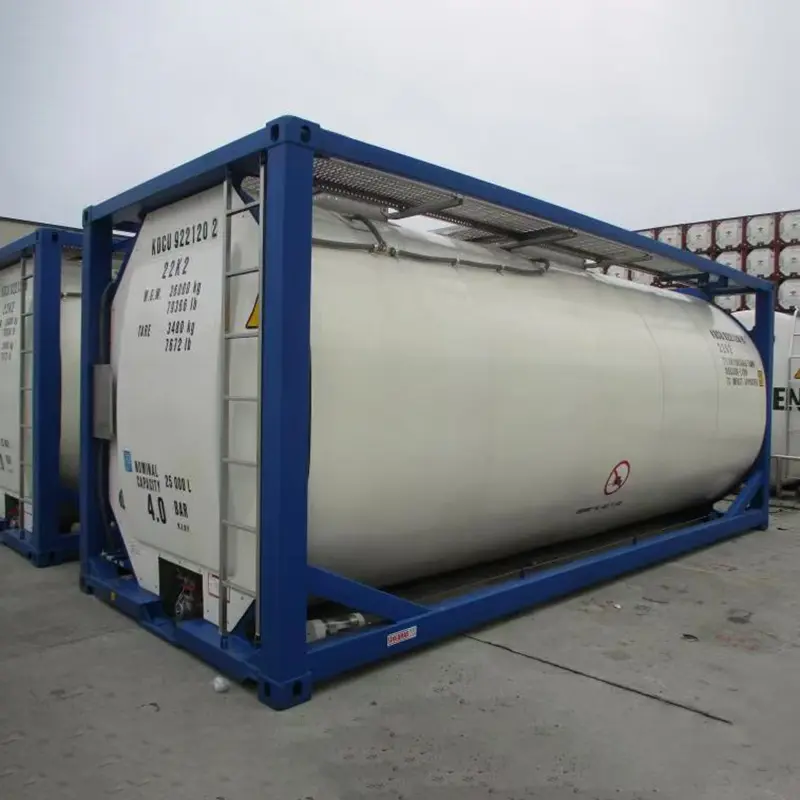
The tank body of a tank container is the core component, and its shape is usually cylindrical, which can better withstand internal pressure. The wall thickness of the tank body is determined by the pressure requirements of the transported goods and the strength characteristics of the tank material. For example, the wall thickness of a tank container transporting high-pressure gas is thicker than that of a tank container transporting low-pressure liquid.
The inside of the tank body is generally coated with an anti-corrosion coating to prevent the cargo from corroding the tank body. For tank containers transporting food-grade liquids, the anti-corrosion coating must also meet food safety standards.
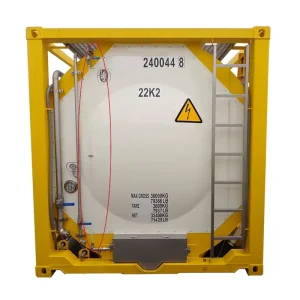
The frame structure is used to support and protect the tank body and is generally made of high-strength steel. The corner fittings of the frame have the same specifications as those of ordinary containers, so that container handling equipment can be used for loading, unloading, and stacking operations.
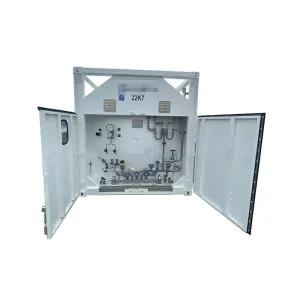
Various fixing devices are provided on the frame to fix the tank body during transportation to prevent the tank body from shaking. At the same time, the frame also takes into account the lashing requirements during sea transportation to ensure the stability of the container on the ship.
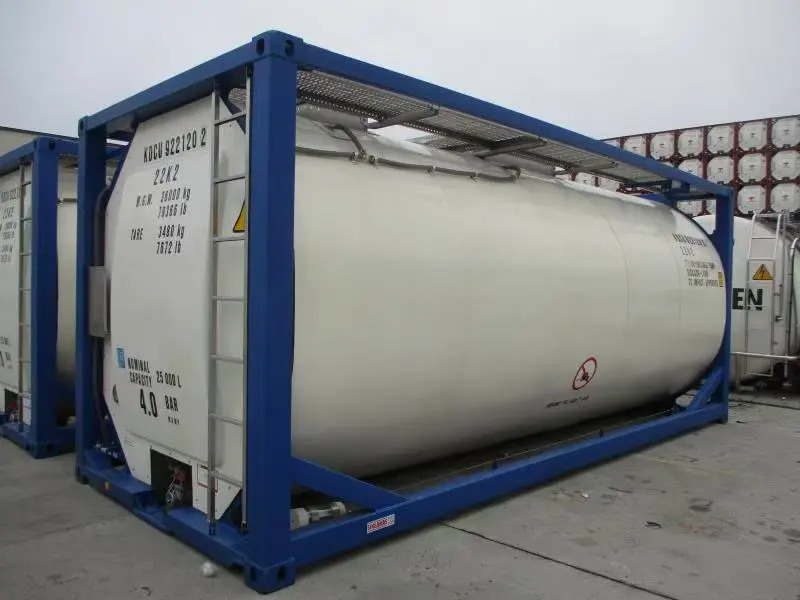
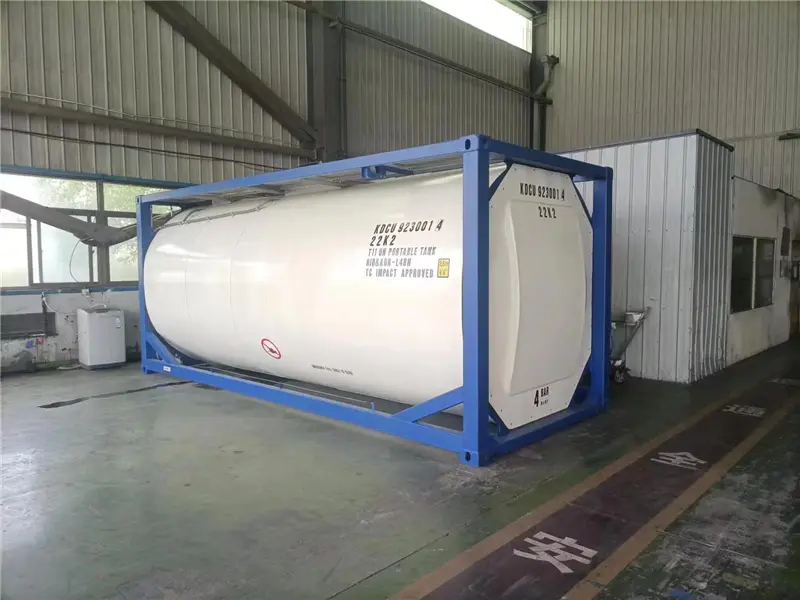
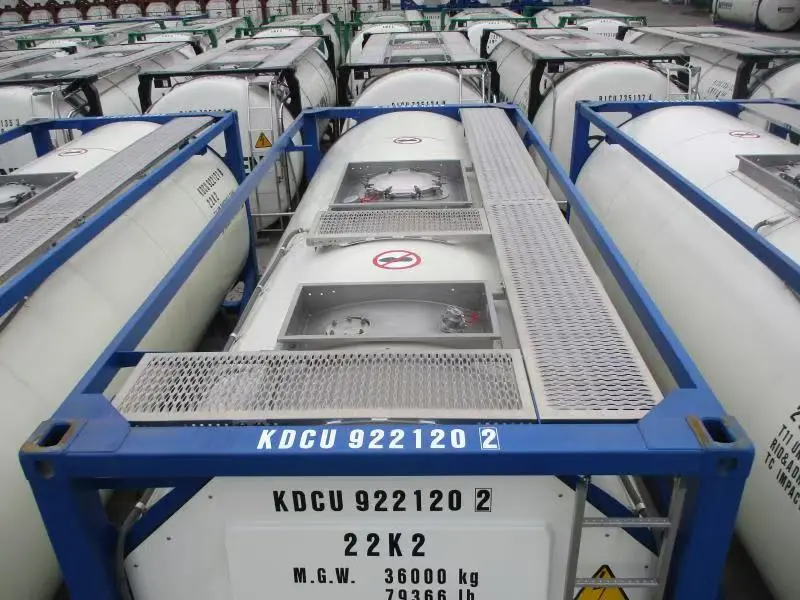
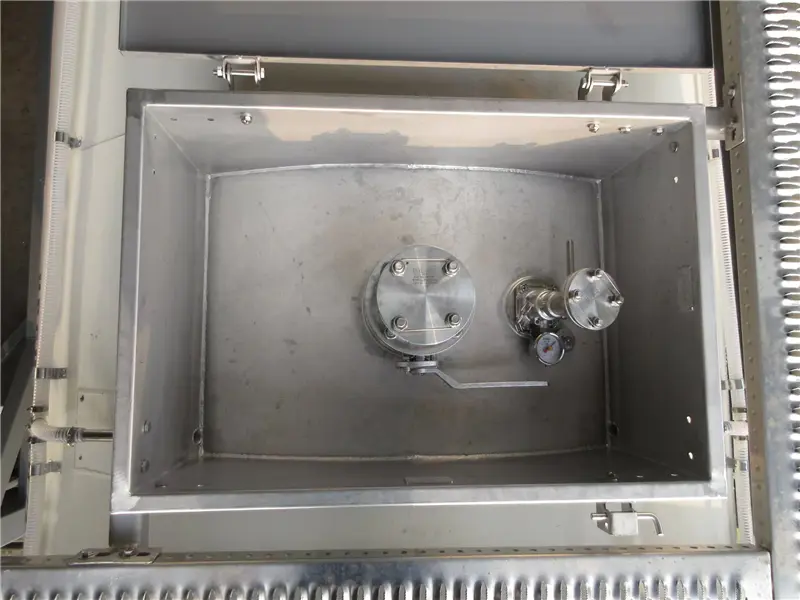
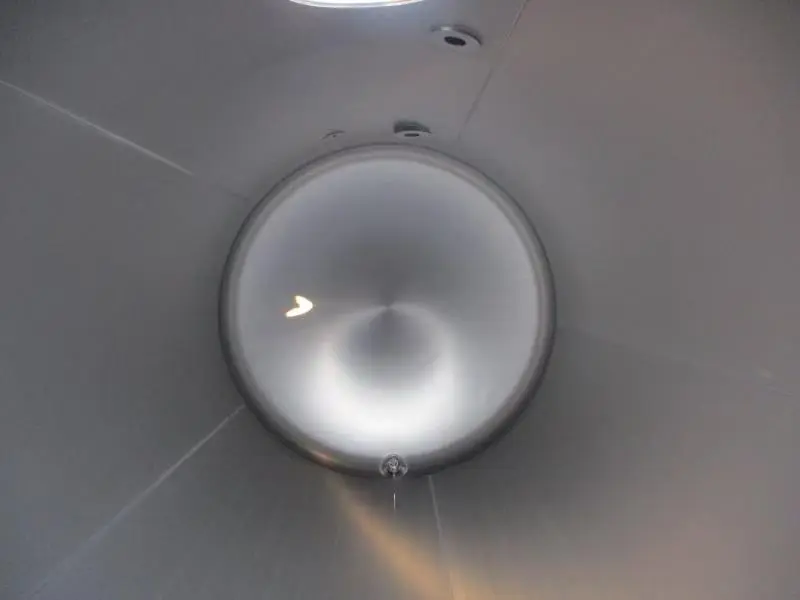
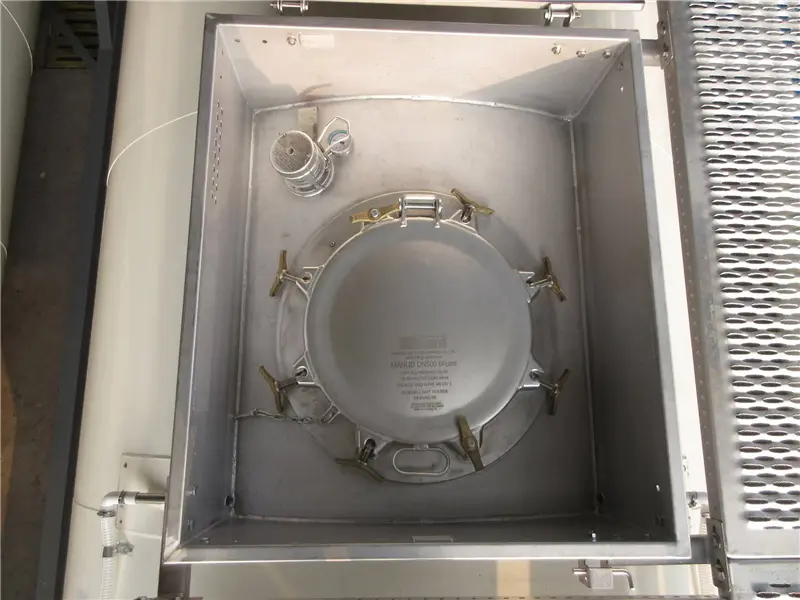
| External Dimension (MM) | 6058*2438*2591 |
| Effective Volume (M3) | 18-24m3 |
| Maximum Gross Weight | 34000kg / 74960lbs |
ISO standard tank containers can transport a variety of goods, including various liquid goods, such as food-grade edible oil, fruit juice, wine, sulfuric acid, nitric acid, sodium hydroxide solution in chemical raw materials, and petroleum products; they can also transport liquefied gases, such as liquefied petroleum gas and liquefied natural gas; in addition, some tank containers can also be used to transport powder materials.
Cylindrical tanks can better withstand internal pressure. During transportation, even if the pressure inside the tank changes, the cylindrical structure can evenly disperse the stress, reduce the risk of tank rupture, and improve transportation safety.
The frame structure is generally constructed using high-strength steel to withstand lifting, stacking, and lashing demands. The tank body is built with wall thickness and strength characteristics specifically matched to the pressure of the intended cargo, combined with protective anti-corrosion coatings.
Yes. Tank containers transporting food-grade liquids are lined with internal anti-corrosion coatings that are strictly manufactured to meet international food safety standards, preventing contamination and ensuring safe delivery.
Because the corner fittings and dimensions match ordinary containers, standard handling equipment can seamlessly handle loading, unloading, and transitions across road, railway, and sea transport without repackaging cargo.
Tank containers utilize professional-grade sealing materials and specialized structural engineering between the tank body and frame components, securely containing hazardous chemicals, gases, and liquids under transit vibrations and pressure changes.