1 / 4
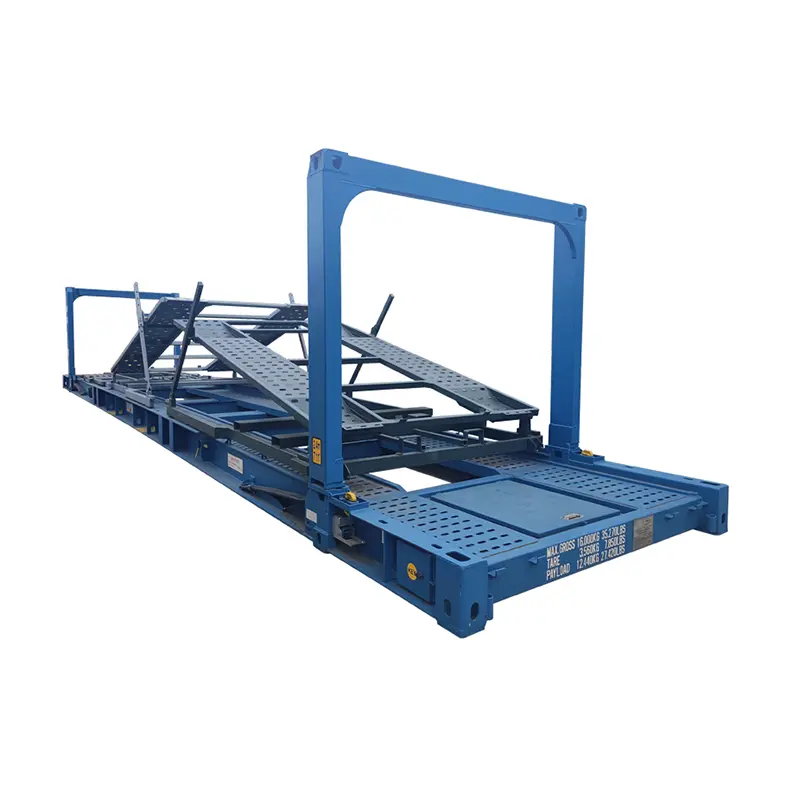
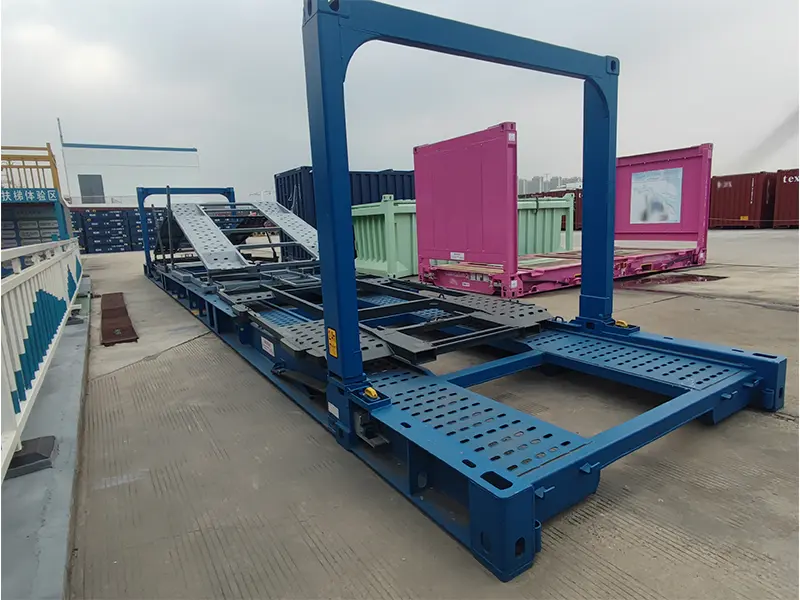
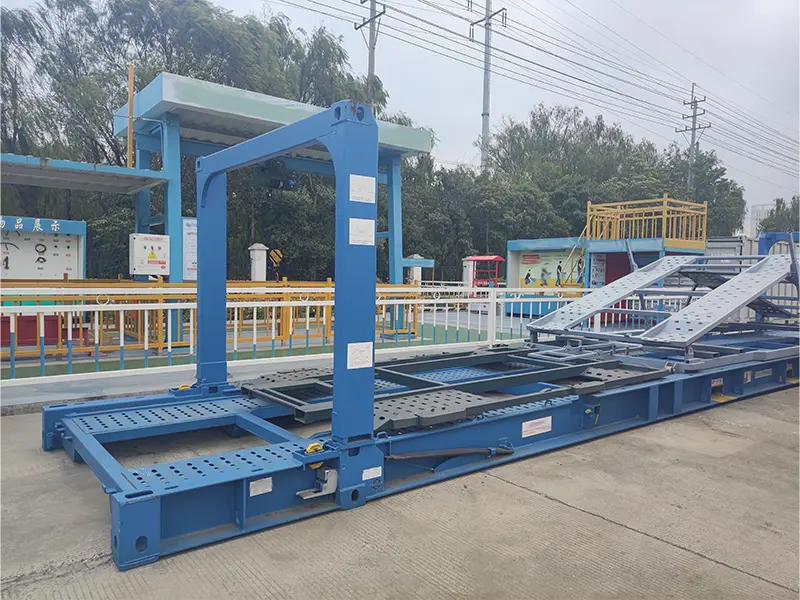
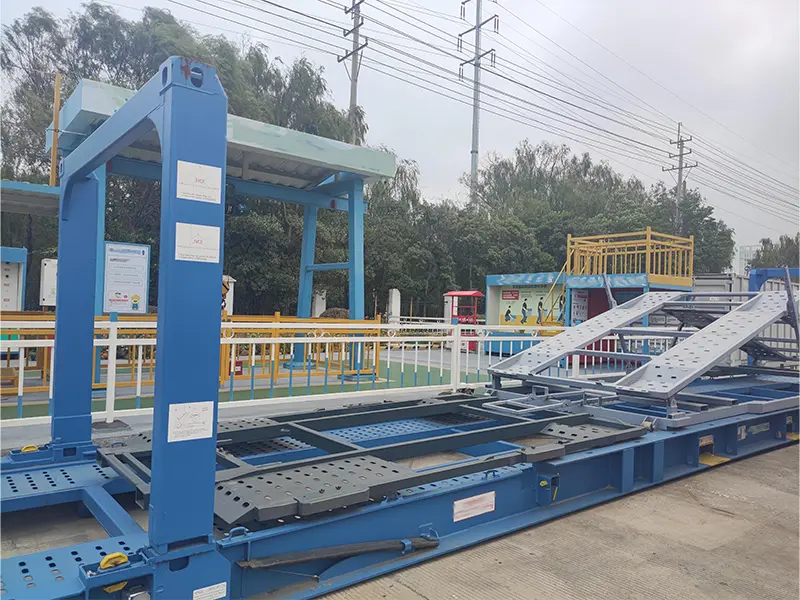
The interior of the car transport container is equipped with a special car fixing device, which is a key part of the car transport container. Common fixing devices include wheel fixers and body tie straps. The wheel fixer is usually a metal clamp that can firmly clamp the tire of the car to prevent the car from sliding forward, backward, left and right in the container.
The body tie strap is generally a high-strength nylon belt or steel belt, which is connected to the inner wall of the container by hooks or bolts, and can tightly fix the car body to reduce the shaking of the car during transportation. Some floors will use anti-slip materials, such as steel plates with anti-slip textures or special anti-slip rubber mats. This can increase the friction between the car tires and the floor, and further ensure the stability of the car in the container.
Some car transport containers will also have drainage grooves on the floor to drain rainwater that may enter the container or sewage generated after washing the car. In addition, like other containers, it can be transported by road, rail, and sea.
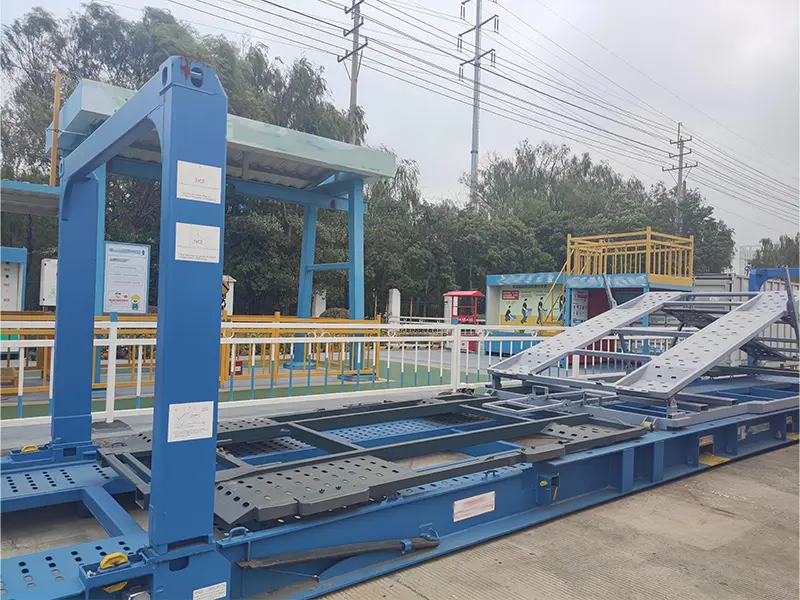
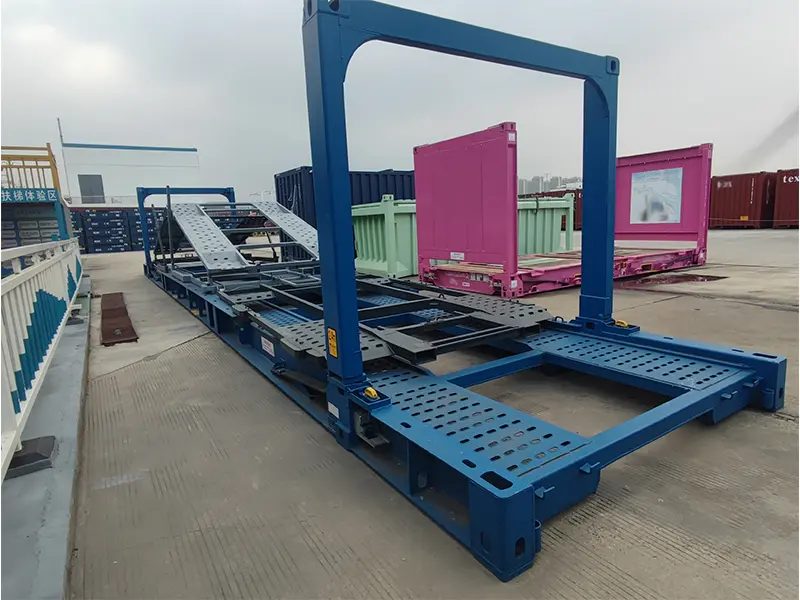
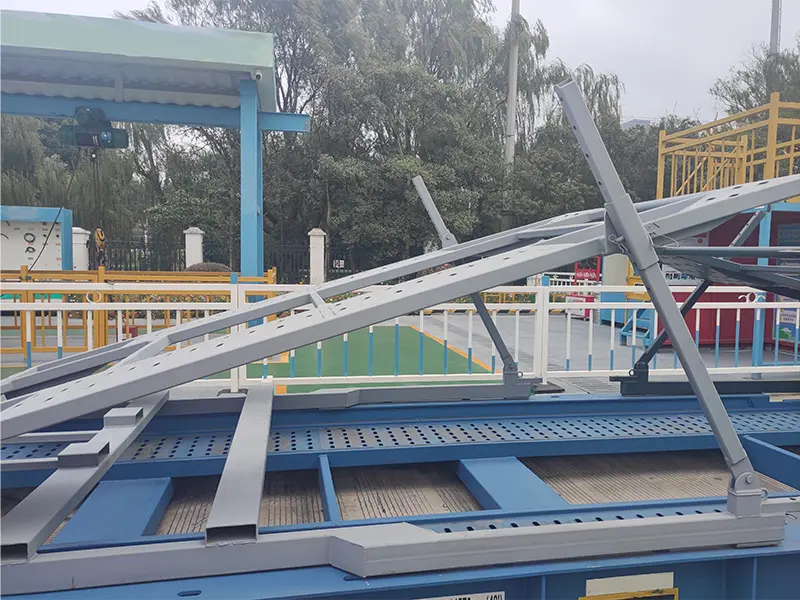
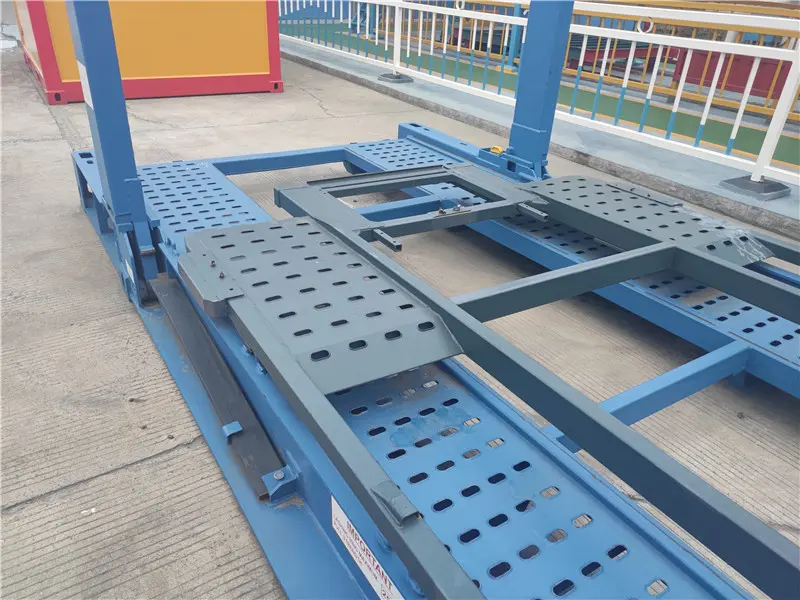
Car transport containers provide a relatively closed transportation environment for cars, which can effectively prevent cars from being damaged by the external environment during transportation. At the same time, the internal fixings can ensure the stability of cars during transportation, reduce collisions and frictions between cars, and reduce the risk of car damage.
Due to its standard container size, car transport containers can be easily converted between different modes of transportation. For example, cars can be transported from the production plant to the port by road, then transported to the destination port by water, and finally delivered to the sales point by road, realizing seamless multimodal transport and improving transportation efficiency.
Compared with other modes of transportation (such as transporting cars by roll-on/roll-off ships), car transport containers can more conveniently count and manage the number of cars transported. The number of cars transported in each container is relatively fixed, making it easier to track and monitor the status of cars during loading and unloading and transportation.