1 / 4
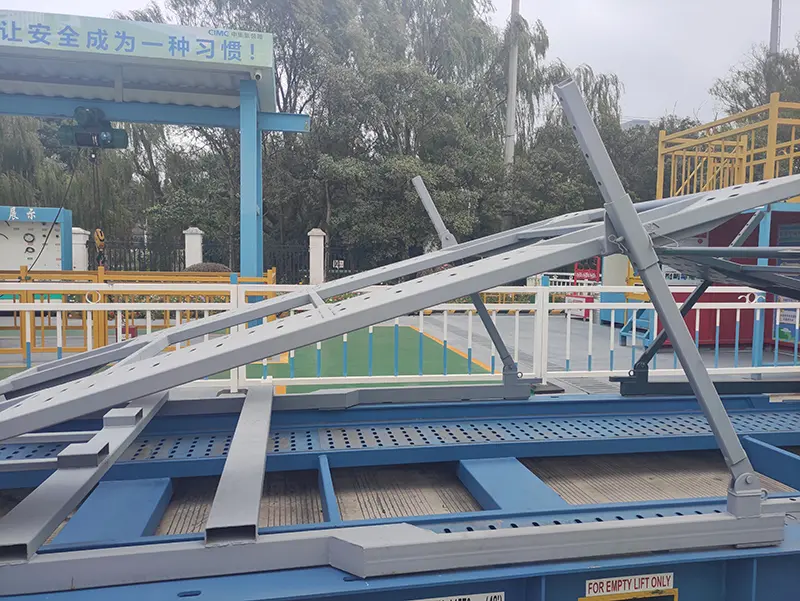
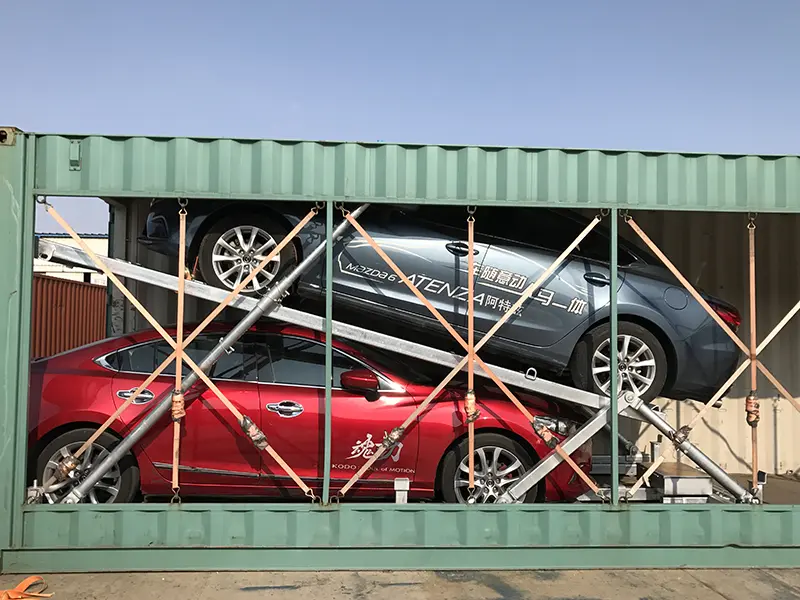
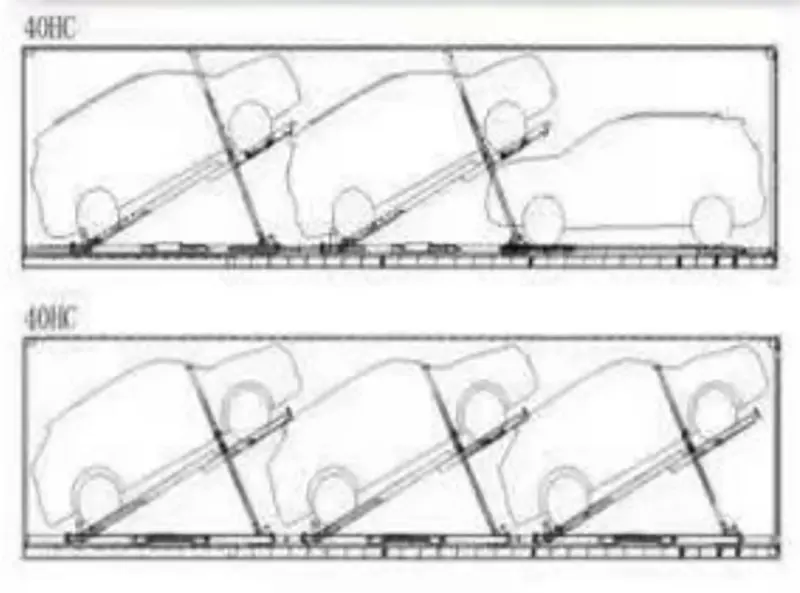
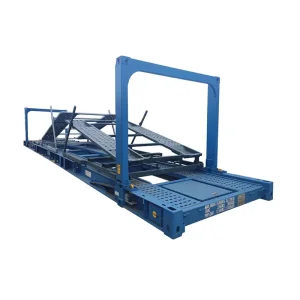
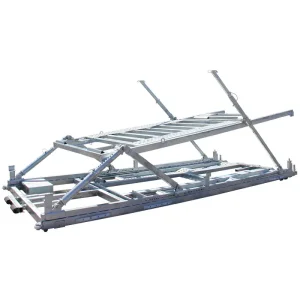
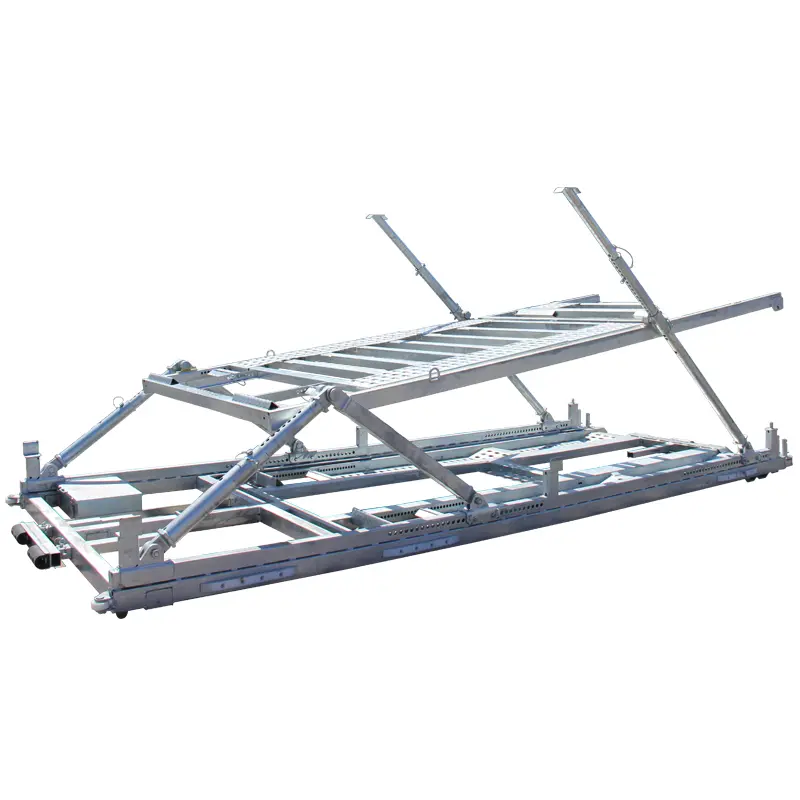
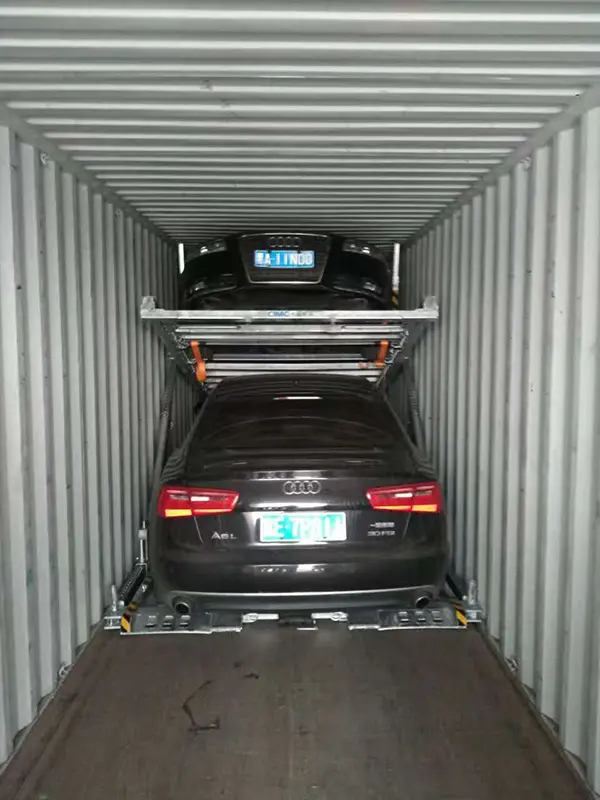
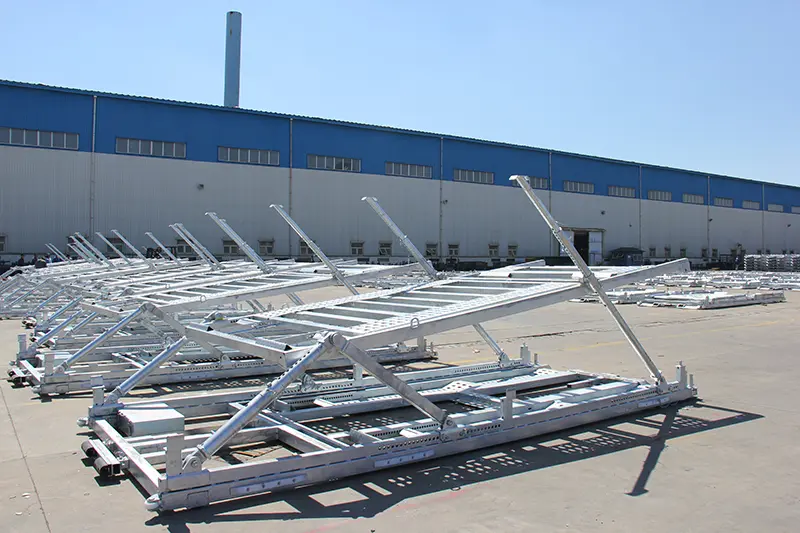
Multiple vehicles can be transported at the same time. Multi-layer vehicle transport racks make full use of vertical space, while retractable designs allow length adjustments based on load size, maximizing shipping capacity and significantly reducing freight costs.
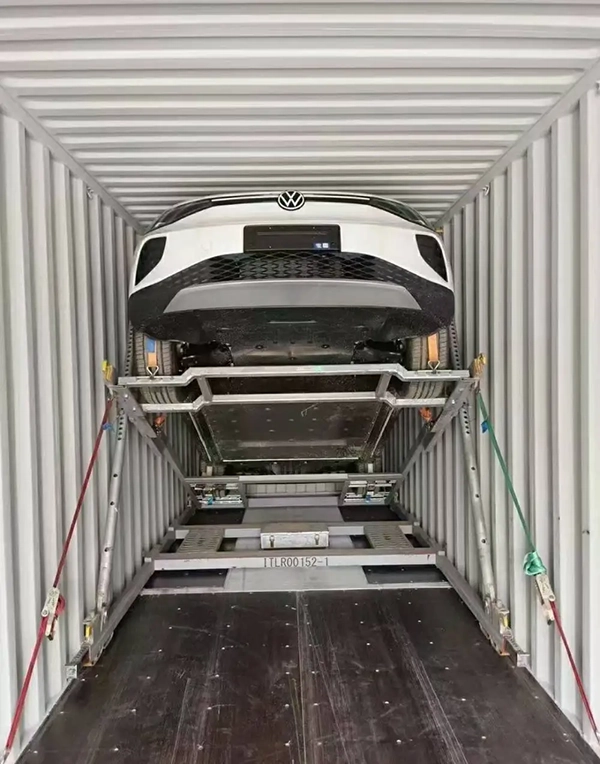
Equipped with specialized wheel-locking devices, protective guardrails, durable plywood, and anti-skid pads. Selected racks feature motor-driven threaded rods and sliders to tightly clamp vehicles, preventing slipping, shifting, or tipping caused by bumps and abrupt braking.
Integrated approach bridges facilitate effortless driving on and off the racks. On retractable units, the approach ramp automatically moves into an unfolded position when the mobile support frame expands, ensuring smooth vehicle drive-in and drive-out operations.
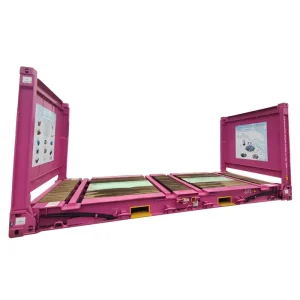
Both folding and retractable models fold down when not in service, dramatically minimizing dead space during empty return trips. This enhances fleet storage flexibility, operational versatility, and return-cargo cost savings.
Depending on the vehicle profile, evaluate the frame complexity, structural height, rated load capacity, and frame adjustability to select the optimal model for your operational needs.
Transport racks are equipped with dedicated tie straps and fixing clamps to lash the wheels or chassis securely to the rack. Anti-skid pads and card slots further increase surface friction to completely eliminate vehicle slippage.
A standard 40-foot High Cube (40HC) container can hold up to three SUV-sized vehicles, though total capacity depends on specific vehicle dimensions and frame setup.
Securing mechanisms mainly consist of metal wheel clamp fixers to restrain multi-directional tire movement and high-strength nylon or steel body tie straps connected via internal wall hooks and bolts.
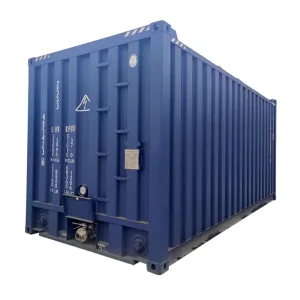
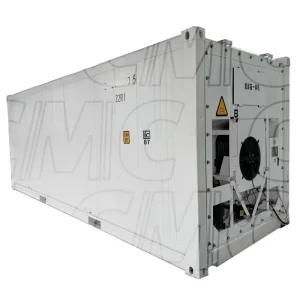
Similar to standardized intermodal shipping containers, car transport containers are built to transition seamlessly across road, rail, and maritime sea transport networks.
Floors feature textured steel plates or rubber mats to maximize tire friction, paired with integrated drainage channels to drain rainwater and vehicle cleaning runoff efficiently.