1 / 2
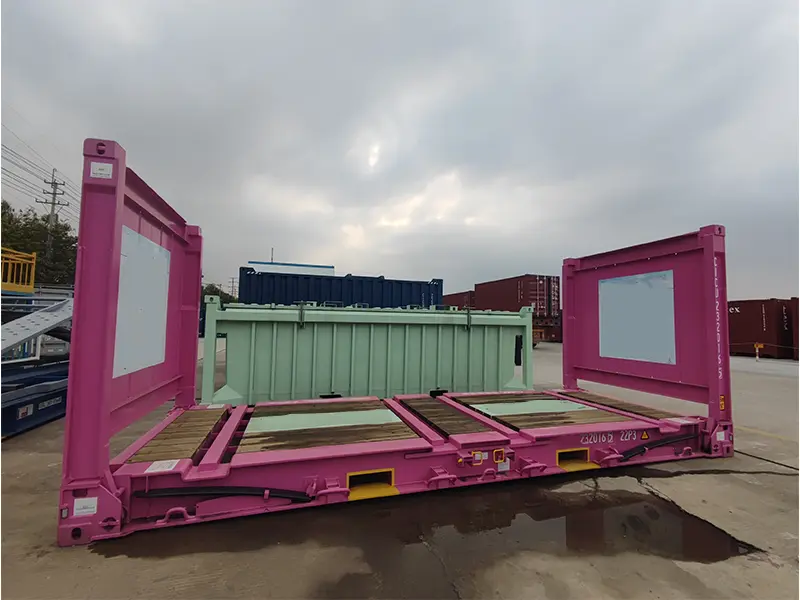
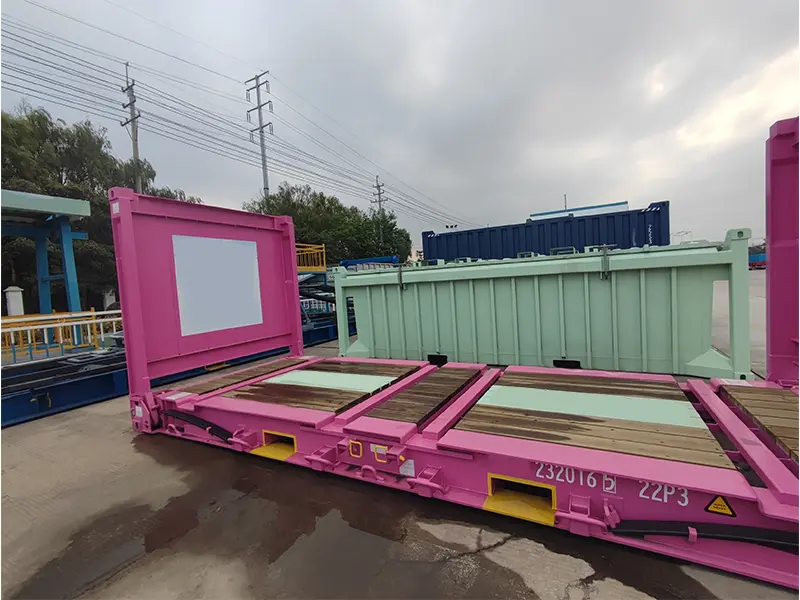
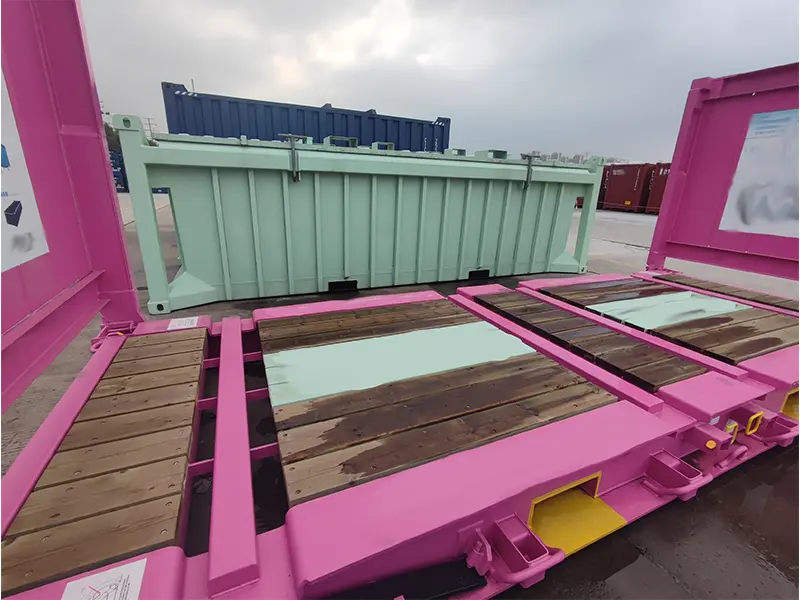
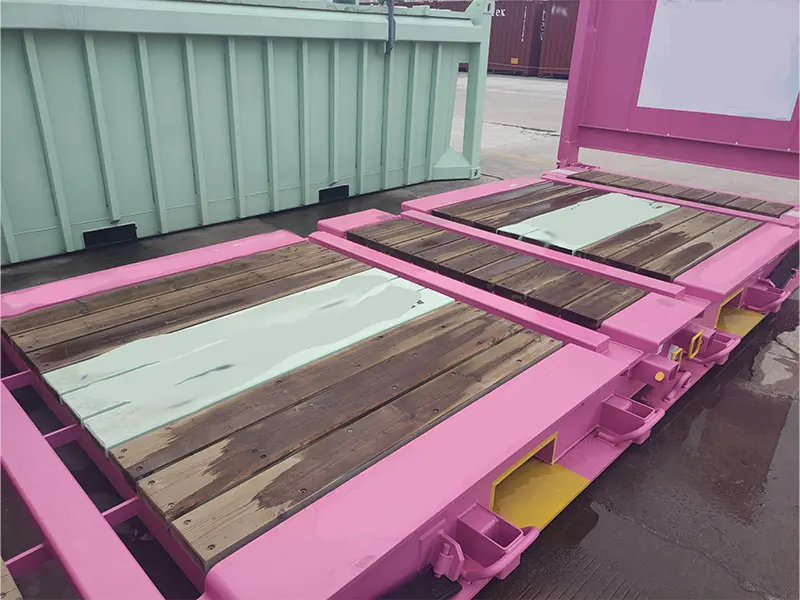
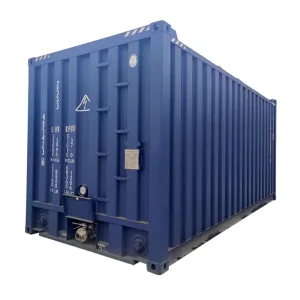
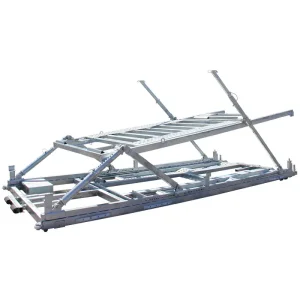
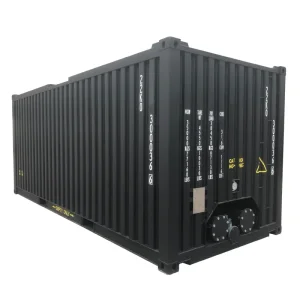
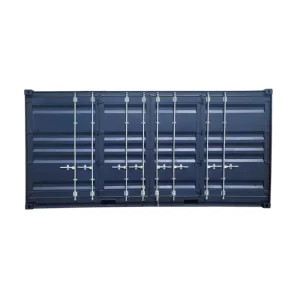
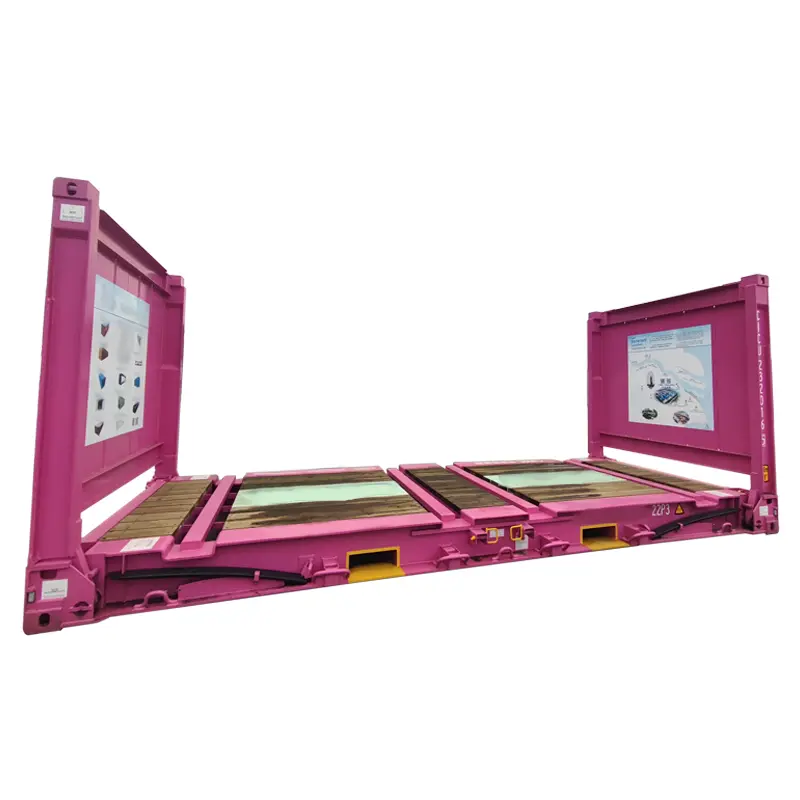
Unrestricted by enclosed walls, platform frame containers handle ultra-large industrial machinery and extended goods effortlessly, providing unobstructed space for components like multi-meter wind turbine blades that exceed standard container dimensions.
Engineered for direct top and side crane operations. The open layout accommodates rapid handling through standard port gantry systems, specialized dockside shore cranes, or job-site mobile truck cranes without spatial constraints.
Maximizes platform bed volume for irregularly contoured equipment. Eliminating exterior panels prevents lost clearance, allowing wide, curved, or protruding profiles to fit securely without internal wall interference.
Built to standard international shipping dimensions, enabling streamlined transshipment across maritime vessels, railway networks, and road transport carriers without needing to unlash or reconfigure cargo.
Platform frame containers are engineered for large, overweight, and irregularly configured shipments. Standard freight includes industrial production machinery, heavy structural components, renewable energy parts (such as turbine blades and towers), construction supplies, and major automotive assemblies that exceed the volumetric and weight thresholds of standard dry freight containers.
Securing begins with analyzing the cargo's overall geometry, gross weight, and center of gravity. Symmetrical items with low balance centers can be securely lashed via steel belts or industrial ropes linked directly to the integrated welded anchoring points. Cargo with high centers of gravity or irregular shapes requires supplementary support structures such as custom brackets, chocks, and specialized struts to prevent shifting, tipping, or rolling under heavy transport dynamics.
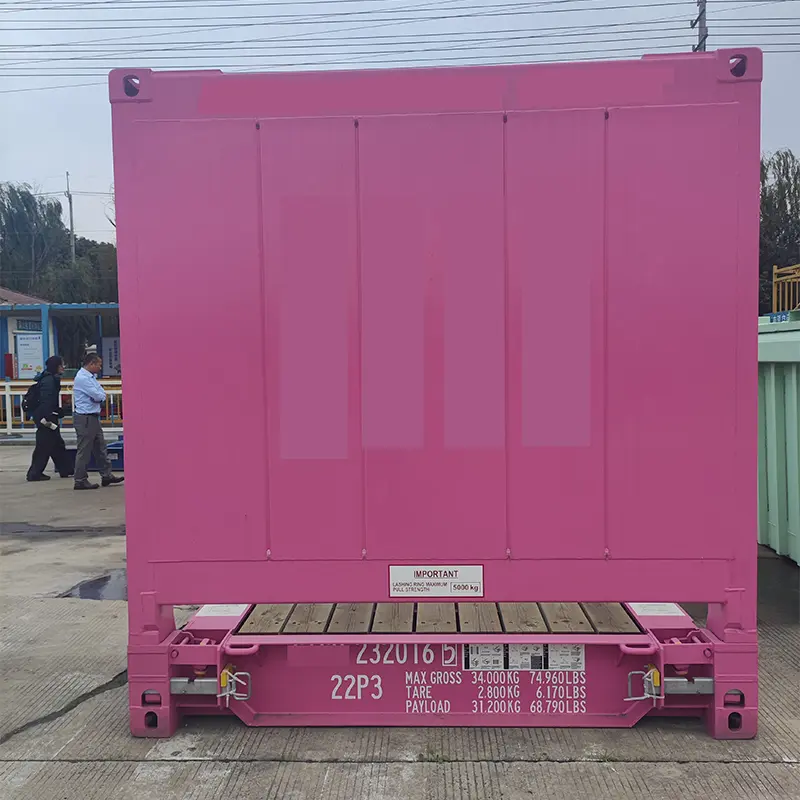
The container is built with heavy-gauge square or rectangular steel corner columns capable of sustaining substantial vertical pressure. High-tensile upper and lower welded beams create a rigid perimeter, while integrated side and end diagonal braces counteract dynamic lateral forces to ensure complete frame alignment and structural stability throughout sea and overland movement.
Because the unit lacks sidewalls and roof barriers, heavy lift cranes provide the most efficient handling. Depending on location, operators utilize dockside portal cranes, port container gantry systems, or truck-mounted mobile cranes directly at industrial delivery sites to execute overhead drops and smooth rigging procedures.
Yes. Fabricated to precise international dimensional specifications, these units interface natively with standard container transport mechanisms. They can transition seamlessly between ocean-going cargo ships, rail flatcars, and highway transport trailers without requiring disassembly or repacking of the onboard freight.
Lashing points consisting of high-strength welded metal hooks and rings are situated both around the external frame beams and distributed along the internal bed platform, offering continuous attachment options across all angles for chains, straps, and specialized securing devices.