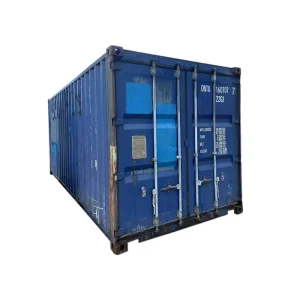
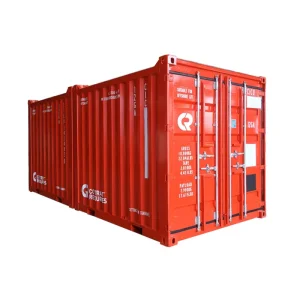
Factory-certified intermodal units optimized for temperature-sensitive perishables, industrial gas storage, and specialized offshore transport operations.
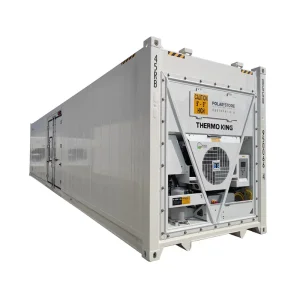
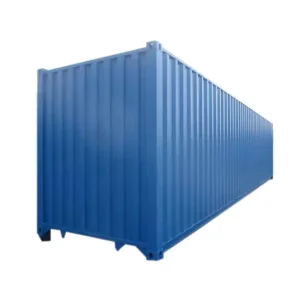
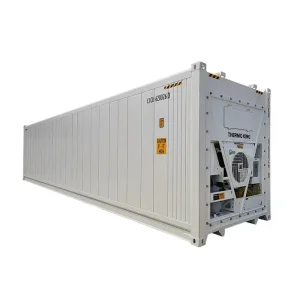
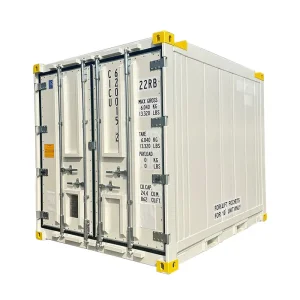
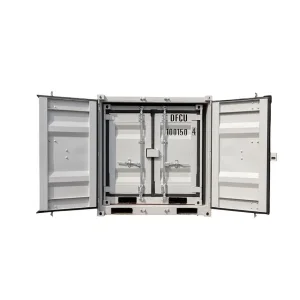
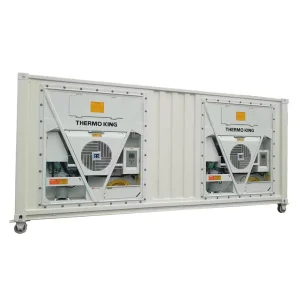
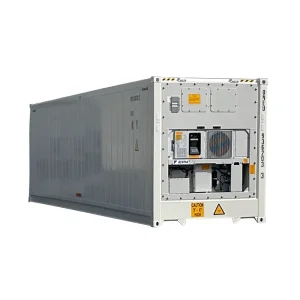
With international cold chains shifting from traditional bulk reefer vessels to modular containerization, structural demand is driven by perishable agricultural freight, strict biologics handling standards, and maritime emission policies.
The structural transition from specialized reefer ships to dedicated container vessels has achieved greater than 90% dominance in perishable maritime transit. This modal migration guarantees continuous temperature tracking and seamless intermodal transfers across rail and heavy freight without transloading risks.
Stringent international Good Distribution Practice (GDP) guidelines have elevated manufacturing requirements. Modern units must maintain tight tolerances (+/-0.25°C) across multi-week ocean corridors, backed by redundant thermal barriers and factory-integrated temperature calibration protocols.
Environmental standards mandated by the IMO and EU F-Gas regulations necessitate shifting toward low-GWP (Global Warming Potential) refrigerants such as R-513A and natural CO2 (R-744). Modern fabrication prioritizes cyclically recyclable structural alloys and zero-ODP cyclopentane-blown polyurethanes.
Our manufacturing methodology blends metallurgical resilience with precision thermodynamics, ensuring containerized assets endure severe marine salt fog, multi-tier racking, and cryogenic environments.
Structural framing is formed from high-yield SPA-H anti-corrosion Corten steel, while outer cladding uses Muffler Grade Stainless Steel (MGSS). Interior lining incorporates food-grade SUS 304 or mirror-finish aluminum to mitigate organic degradation and pass stringent sanitary inspections.
Polyurethane core panels are injected at high pressure using non-ozone-depleting cyclopentane formulations. Achieving a core density of 42-45 kg/m³ ensures a thermal dissipation index (K-value) below 0.38 W/m²·K, preventing thermal bypass bridging under high-humidity oceanic operation.
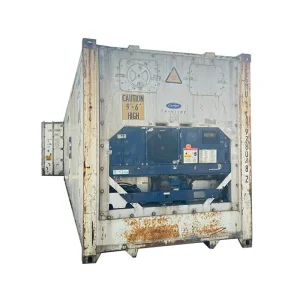
Engineered compatibility with primary global refrigeration machineries: Carrier Transicold PrimeLINE, Thermo King Magnum Plus, and Daikin LXE. Each chassis accommodates dual 380V/460V 3-phase power supplies, dual-speed scroll compressors, and fully sealed microchannel condenser coils.
From coastal blast-freezing to harsh open-ocean platforms, container designs adapt directly to localized environmental challenges and logistical bottlenecks.
High-output blast reefer units capable of maintaining -40°C to -60°C ultralow set points protect cellular integrity in sashimi-grade tuna and pelagic catches, directly installed on harbour quays or mother-vessel processing lines.
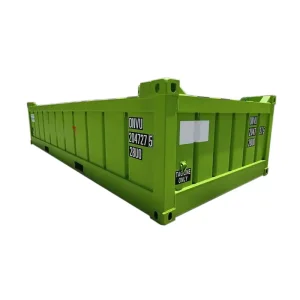
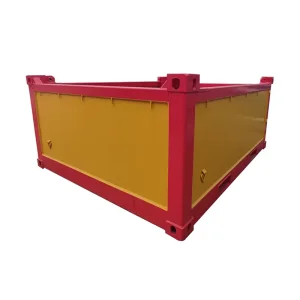
Offshore units certified to DNV 2.7-1 / EN 12079 structural standards feature padeye slings, Charpy-tested low-temperature carbon steels, and specialized explosion-proof electric enclosures built to endure dynamic lift stresses on deep-water extraction rigs.
Equipped with Controlled Atmosphere (CA) gas flushing systems (O2 and CO2 mitigation), these 40ft High-Cube assets suppress respiration rates in soft fruits and floriculture, enabling extended 35-day maritime transit without spoilage.
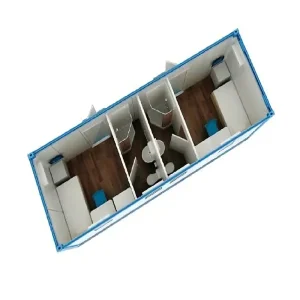
Side-opening access doors and easy-clean flat T-floor channels convert standard ISO reefers into quick-turnaround distribution depots for regional retail grocers, avoiding costly fixed warehouse construction in port-adjacent zones.
Next-generation cold chain hardware integrates smart predictive telematics, thermodynamic insulation enhancements, and zero-carbon mechanical cooling architecture.
Factory-embedded low-power sensors interface directly with global satellite constellations, transmitting live internal temperatures, ambient moisture, power line draw, and shock vibration. Autonomous firmware runs algorithmic pre-trip inspections (PTIs) while still at sea.
Integrating micro-porous silica vacuum panels within container side walls and ceilings reduces wall thickness by 35% without thermal compromises. This enhancement boosts interior cubic capacity by up to 2.8 cubic meters per 40ft High Cube chassis.
Integrating roof-embedded photovoltaic solar sheets with high-latency Phase Change Materials (PCM) allows reefer refrigeration compressors to operate seamlessly across discontinuous rail corridors, cutting shore-power reliance during short uncoupled layovers.
We support shipping lines, sovereign freight operators, and leasing syndicates with full-lifecycle equipment engineering, balancing capex efficiency and field performance.
Full container structural engineering customized for unique footprint sizes (including 10ft, 20ft, 40ft, 45ft, and side-opening variants). Manufacturing paths are calibrated to client specifications, matching local tare-weight legal requirements, customized RAL paint systems, and bespoke interior hanging rails for bulk butcher transit.
Balancing initial fleet investment with secondary fleet utilization: alongside brand-new units, our certified second-hand container network across major Chinese export hubs guarantees each retired unit undergoes strict multi-point structural, insulation, and refrigeration Pre-Trip Inspections (PTI) before global redeployment.
Crucial guidance for logistics engineers, procurement executives, and international container buyers.
Explore our certified equipment solutions, spanning offshore transport baskets, liquid chemical ISO tanks, and heavy-duty dry shipping containers.