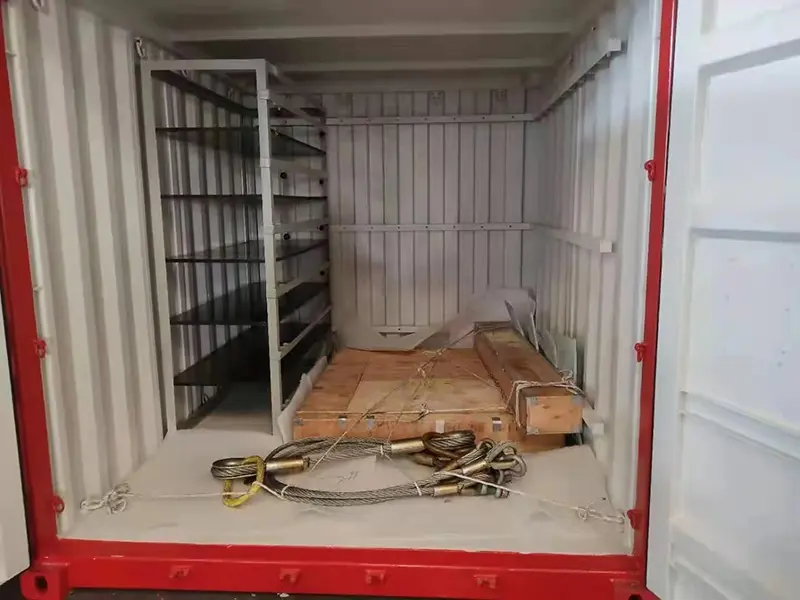
OEM New DNV Certification Offshore Dry Cargo Container Pricelist, Exporters

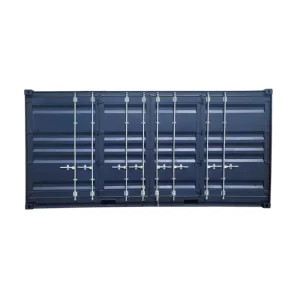
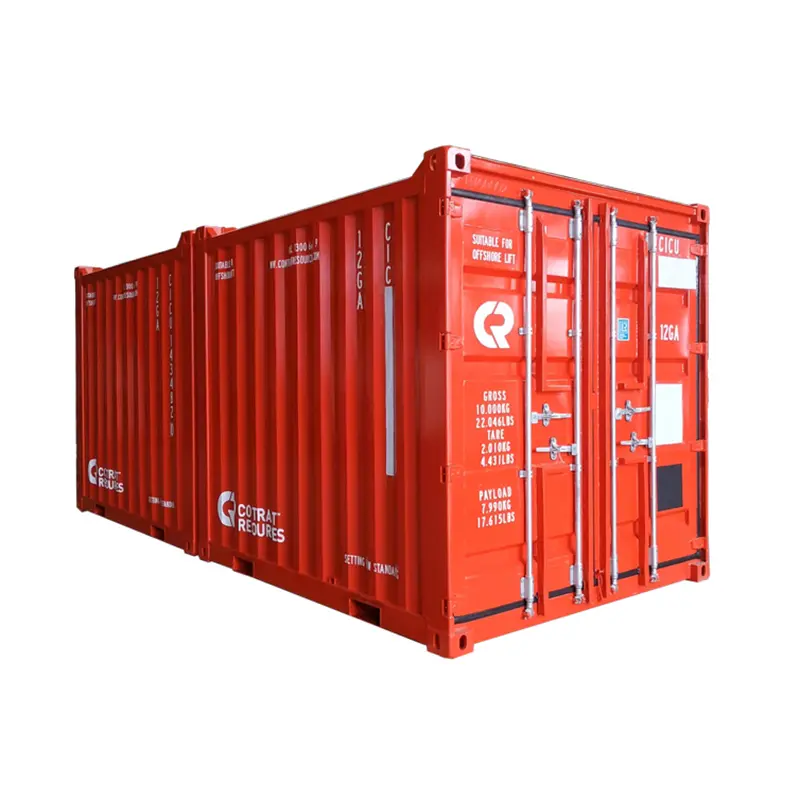
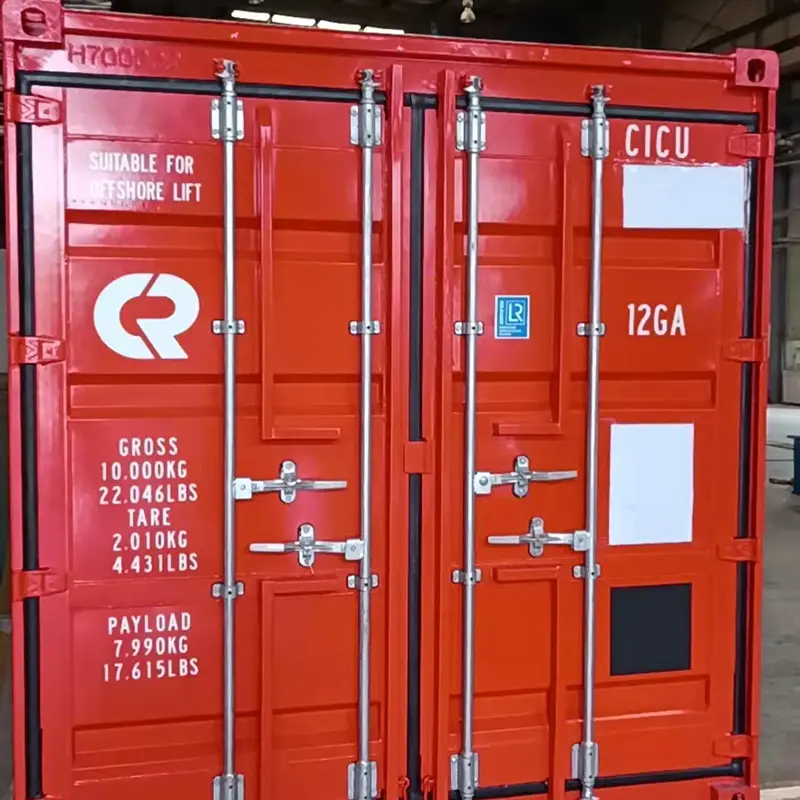
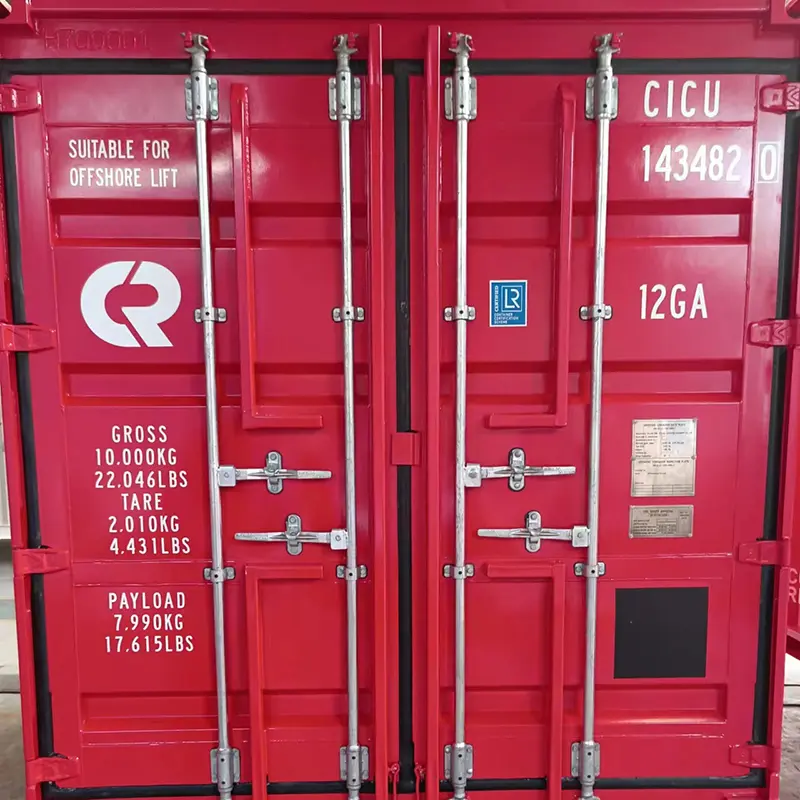
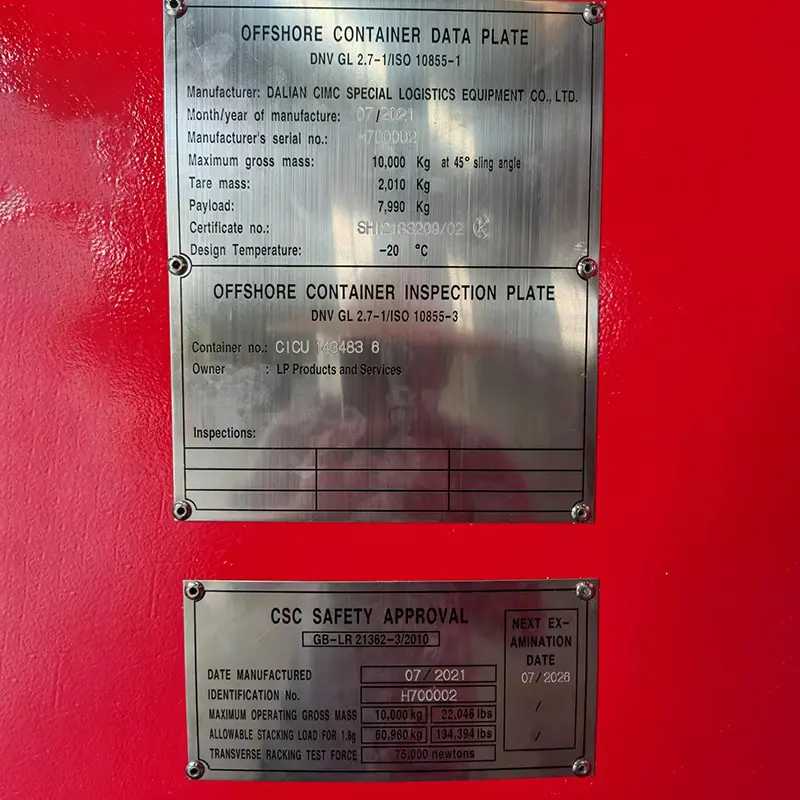
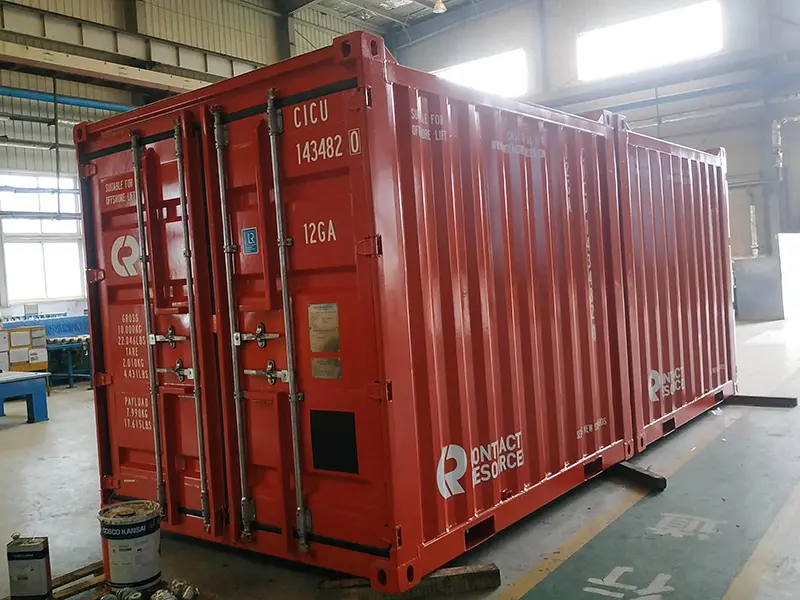
The manufacturing of offshore dry cargo containers complies with DNV certification standards and is used in offshore transportation environments. It is mainly used to load various solid goods, such as machinery and equipment, building materials, etc., to provide safe transportation and storage space for goods, ensuring that the goods are not damaged during transportation from one port to another.

Product Description

Product Introduction

Offshore containers are specially engineered containers used in offshore environments far from the mainland coast, including offshore oil drilling platforms, offshore wind farms, and maritime facilities. Unlike standard coastal shipping containers, offshore units are built for the reliable transportation and supply of materials and equipment in open-sea conditions. Built from weathering steel, they offer robust corrosion resistance against salt spray, wind, and ambient moisture. In addition, their surfaces are coated with multi-layer anti-corrosion and wear-resistant paint to significantly prolong operational life in severe marine settings.
Offshore dry container structural design
Offshore dry cargo storage container

Product Specifications

External Dimension (mm) 12192 × 2438 × 2896
Internal Dimension (mm) 11590 × 2294 × 2554
Door Opening Width (mm) 2290
Door Opening Height (mm) 2569
Maximum Gross Weight 34,000 kg (74,960 lbs)
Maximum Payload 29,250 kg (64,490 lbs)
Tare Weight (±2%) 4,210 kg (9,280 lbs)

Key Advantages

Strength and Stability

Engineered for extreme offshore conditions, these containers withstand dynamic dynamic forces like high waves and strong ocean winds. The frame is noticeably thicker and sturdier than conventional land units, with specialized reinforcements at corners and connections to prevent deformation or damage during offshore handling.

Anti-Corrosion and Weather Resistance

Constructed using weathering steel, multi-layer high-performance anti-corrosion paint, and specialized galvanizing or aluminum cladding on high-wear parts like the base and corner fittings, shielding the structure against harsh marine humidity and saltwater spray.

Offshore Securing and Adaptability

Equipped with specialized fastening interfaces compatible with offshore platform tie-down mechanisms (drilling rigs, FPSOs, and wind installation vessels). Bottom locking points firmly secure the unit to eliminate sliding or dislodgement caused by wave surge.

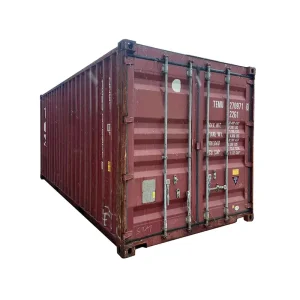
Frequently Asked Questions

Q How waterproof is an offshore container?
Offshore containers are engineered to be significantly more waterproof and corrosion-resistant than regular containers. The weathering steel forms a dense protective oxide layer that blocks moisture penetration, while precision welding standards ensure tight, non-porous seams that eliminate seawater ingress.
Q What is the difference between ISO containers and DNV offshore containers?
The primary differences center on four main areas:
  • Different certification and inspection standards
  • Different structural frame strengths and corner reinforcement
  • Enhanced waterproof and anti-corrosive coating systems
  • Specialized functions and secure latching points for open-sea handling
Q What materials and anti-corrosion treatments are used?
The structure is built from high-strength weathering steel. It is protected by multiple exterior coatings of industrial anti-corrosion and wear-resistant paint, along with specialized surface treatments like hot-dip galvanizing and aluminum cladding on high-exposure corners and base structures.
Q How are offshore containers secured on marine platforms?
They feature integrated, heavy-duty fastening points and specialized bottom locking interfaces designed to interlock with the securing systems of offshore drilling platforms, FPSOs, and marine vessels, ensuring total stability during high wave impacts.
Q What is the payload and gross weight capacity of this offshore container?
This model has a Maximum Gross Weight of 34,000 kg (74,960 lbs), an empty Tare Weight of 4,210 kg (9,280 lbs), and supports a Maximum Payload capacity of up to 29,250 kg (64,490 lbs).
Q Where are these offshore containers typically deployed?
They are purpose-built for installations located far from the mainland coast, primarily providing material logistics and equipment support for offshore oil and gas drilling platforms, floating facilities, and offshore wind turbine farms.

Related Products