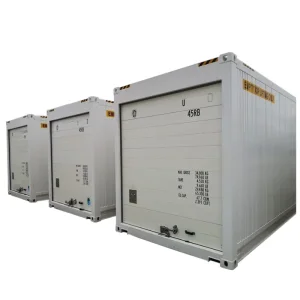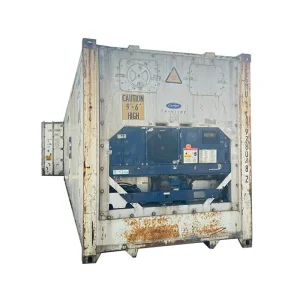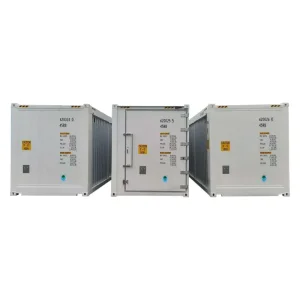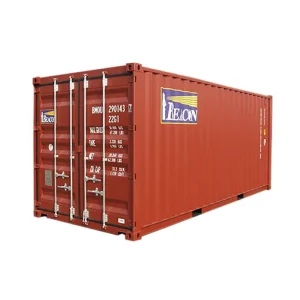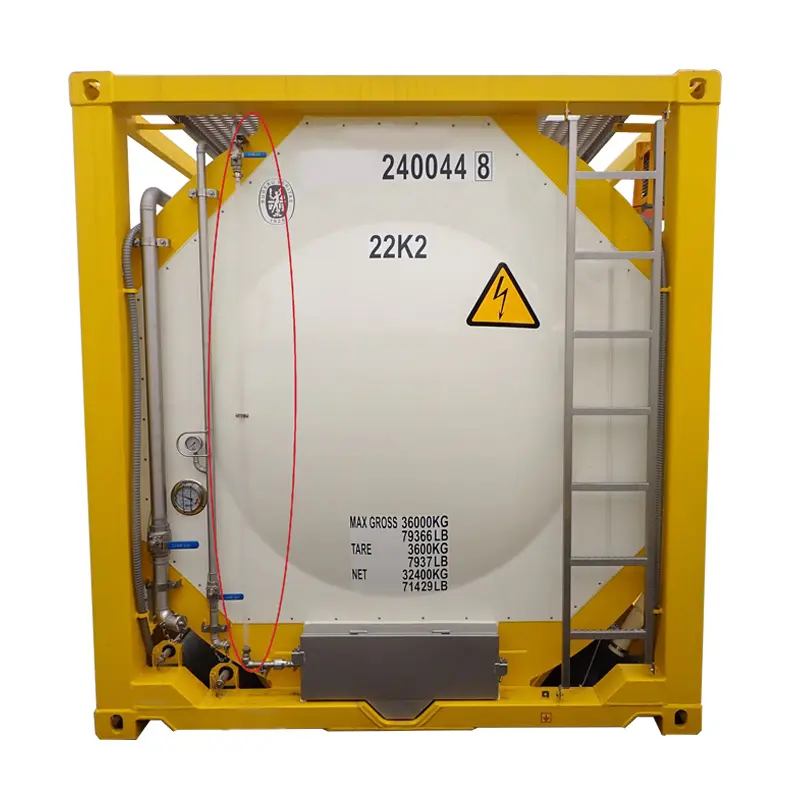
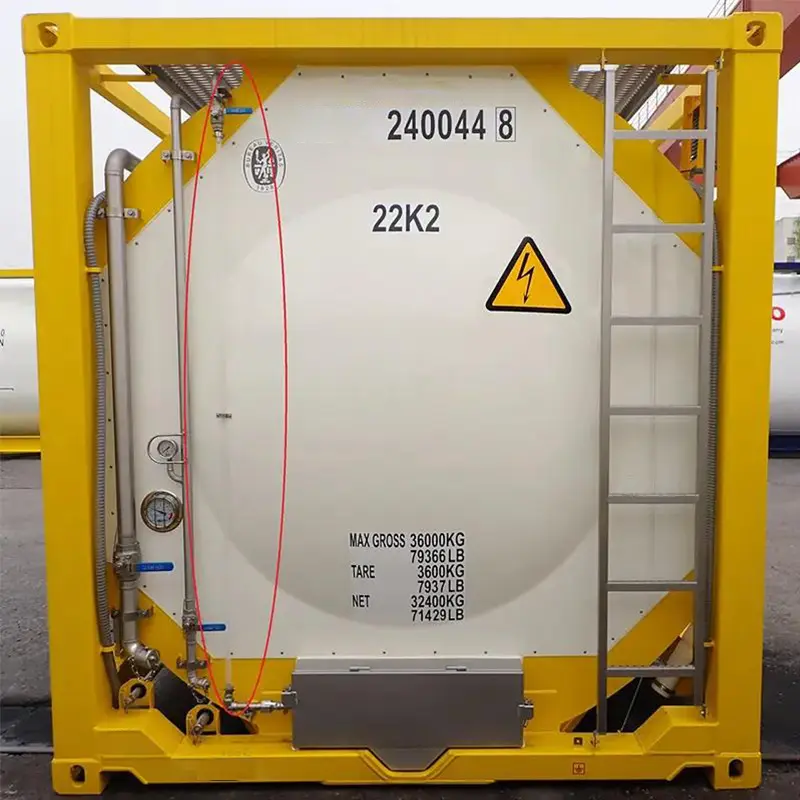
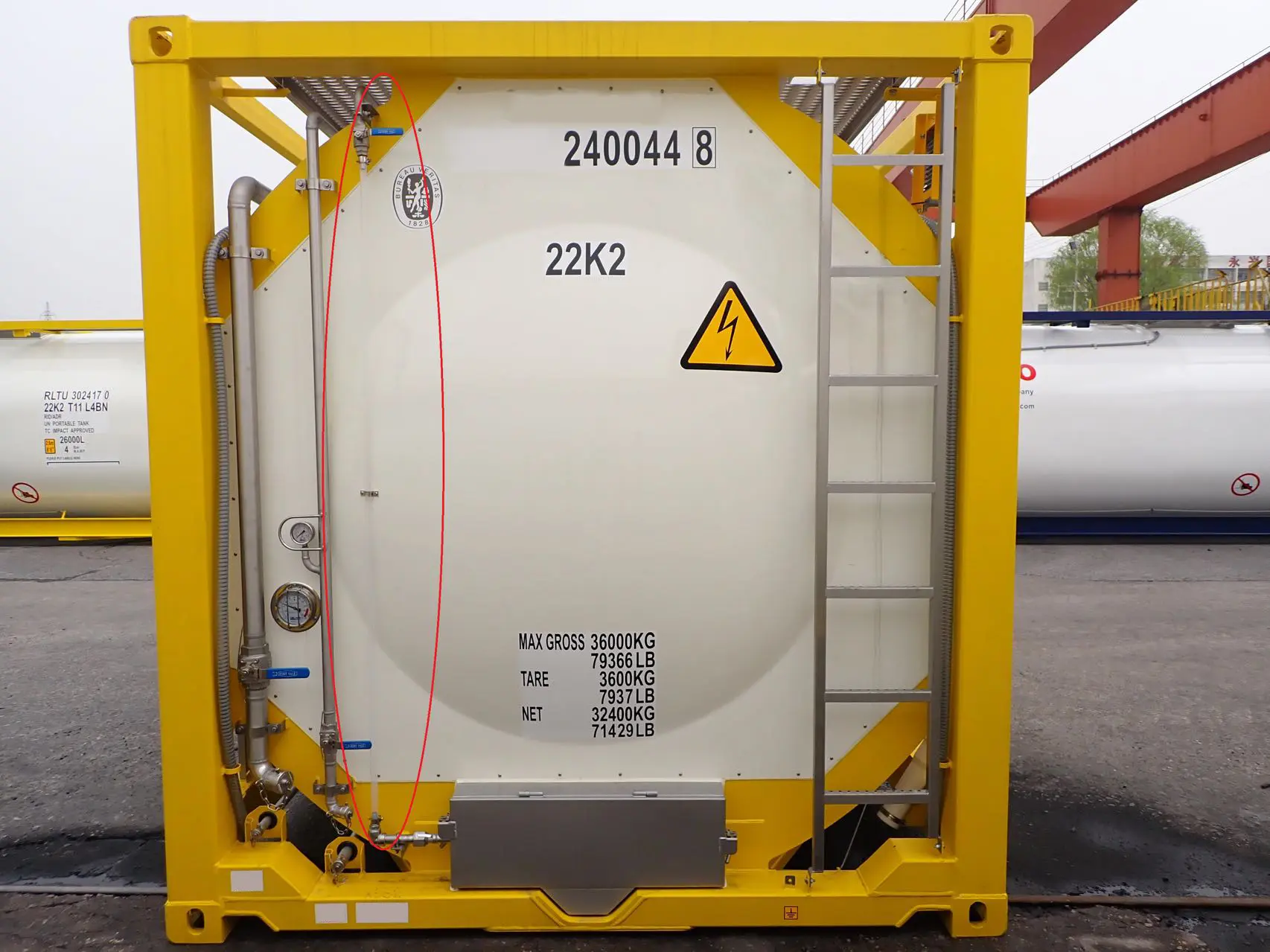
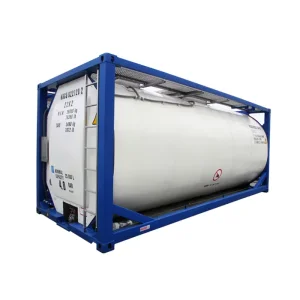
Famous 20ft Tank Container for Alcohol Manufacturer, Factories

Tank containers have good sealing properties and can effectively prevent cargo leakage. This sealing property plays a vital role in avoiding environmental pollution when transporting liquid chemicals or maintaining the freshness and quality of food and beverages when transporting them.

Product Description

Product Introduction

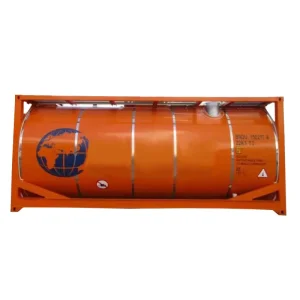
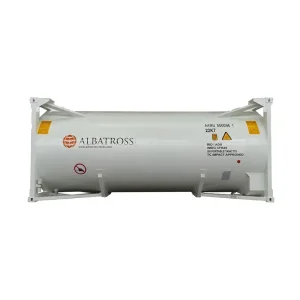
The tank body of a tank container has various shapes, the most common ones are cylindrical and oval. The cylindrical tank body has superior performance in bearing internal pressure and is suitable for transporting high-pressure liquids or gases, such as liquefied petroleum gas, compressed natural gas, etc.; the oval tank body can make better use of space while ensuring a certain volume, and can reduce the impact force caused by liquid sloshing during vehicle driving or ship sailing.
The tank body material is selected according to the nature of the transported goods. For ordinary non-corrosive liquids, such as drinking water, cooking oil, etc., stainless steel materials such as 304 or 316 stainless steel are often used. These materials have good corrosion resistance and hygienic properties; for highly corrosive liquids, such as various acid and alkali solutions, special lining materials such as rubber, plastic or glass fiber are used to enhance the corrosion resistance of the tank body.

Product Specification

External Dimension (MM) 6058 * 2438 * 2591
Effective Volume (M³) 18 - 24 m³
Maximum Gross Weight 34,000 kg (74,960 lbs)

Advantages

● Efficient Transportation

Tank containers have larger loading volumes. Generally speaking, the volume of a standard 20-foot tank container can reach about 20 - 24 cubic meters, which can significantly increase the volume of goods transported in a single shipment compared with traditional packaging methods (such as drums). For example, when transporting liquid chemicals, the use of tank containers can reduce the number of transports, thereby improving transport efficiency.

● Safe and Reliable

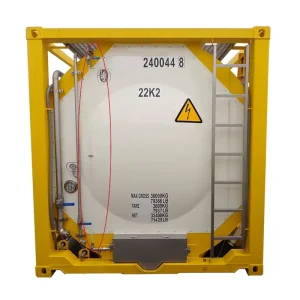
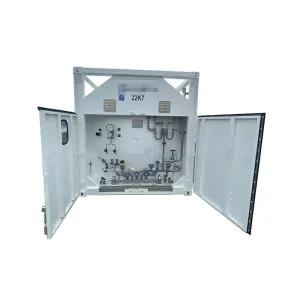
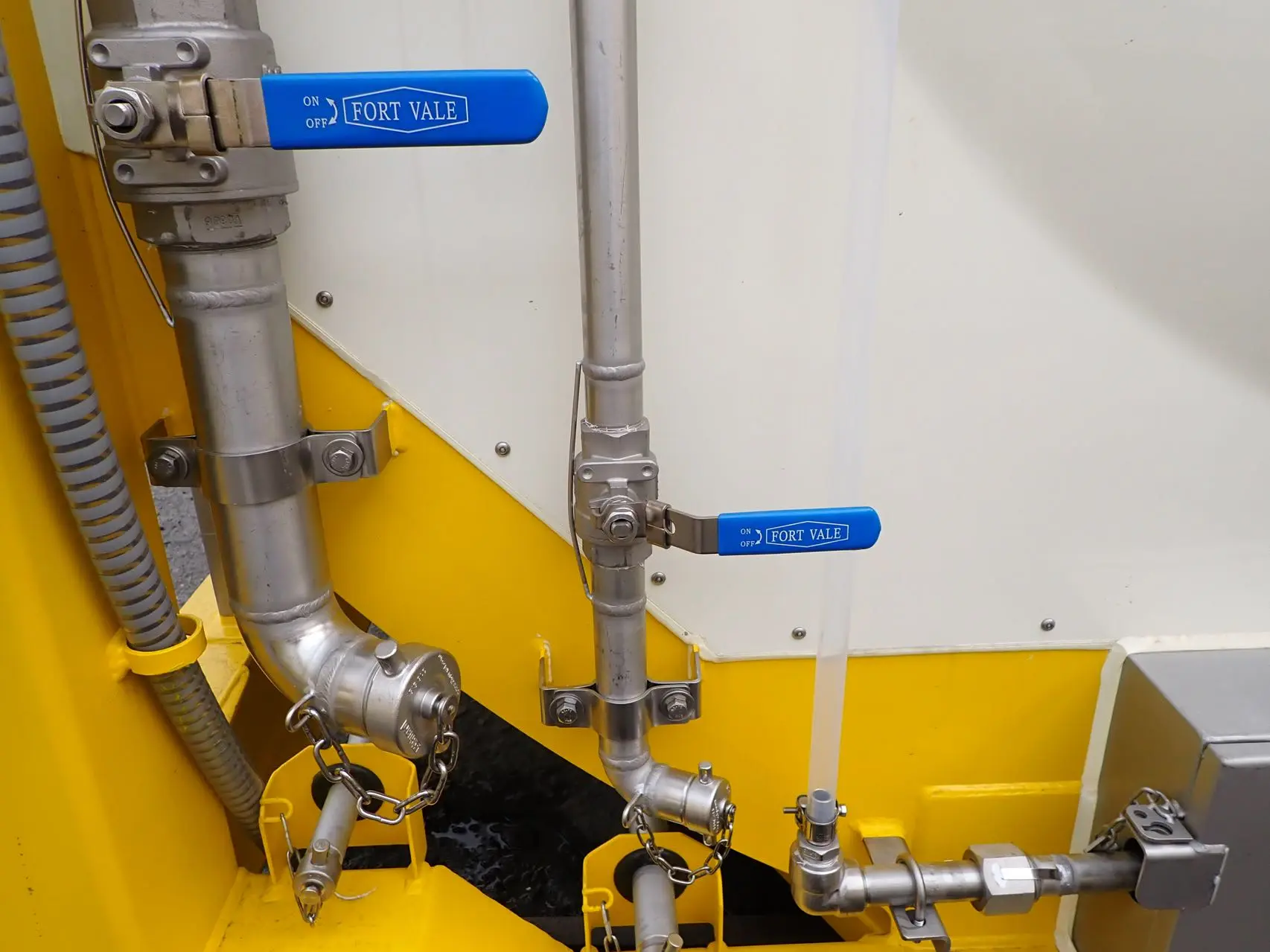
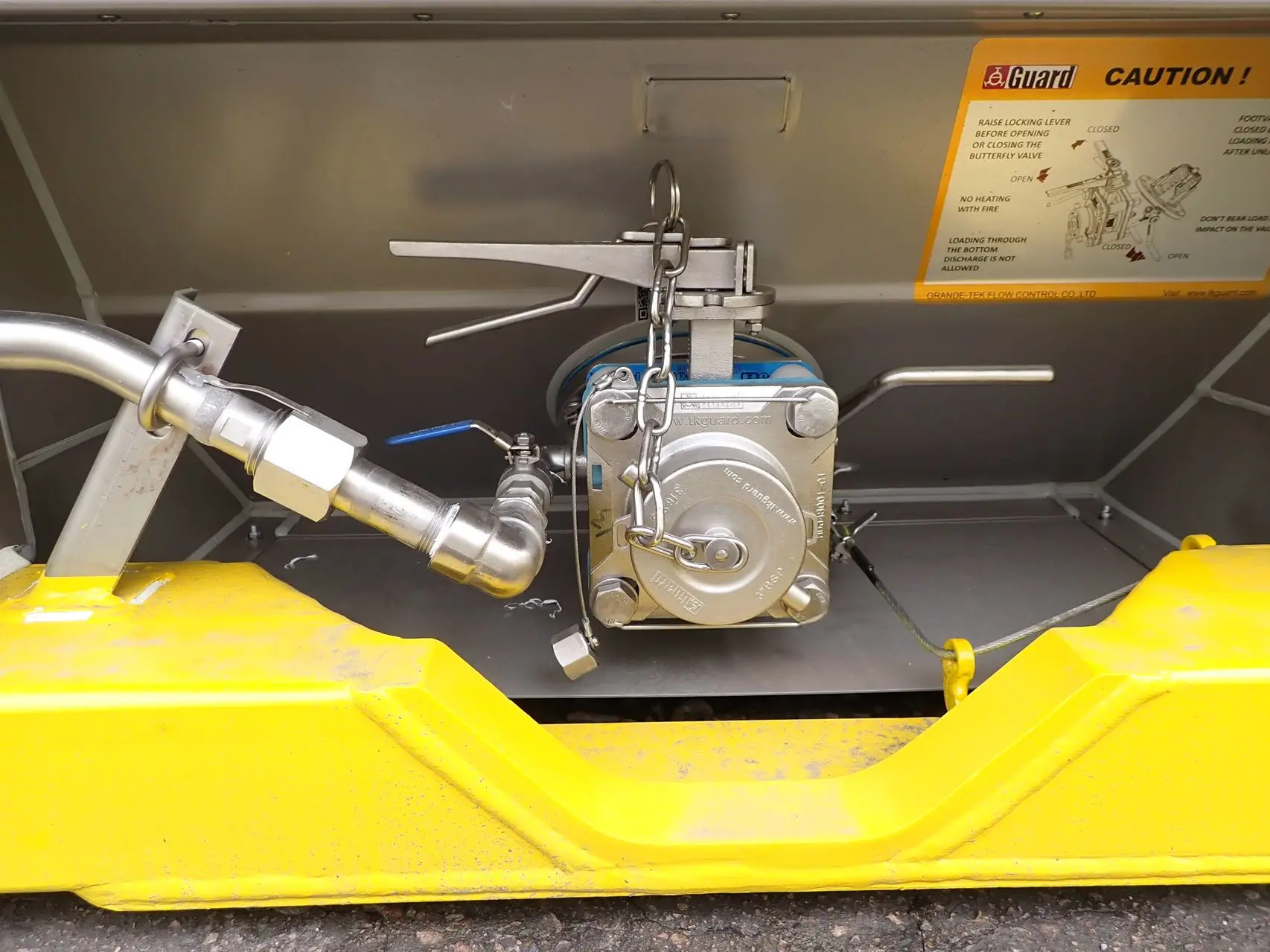
Tank containers are equipped with advanced safety devices, such as safety valves, emergency shut-off devices, etc. The safety valve can automatically open when the pressure in the tank exceeds the set value to release the pressure and prevent the tank from exploding; the emergency shut-off device can quickly cut off the liquid or gas delivery pipeline in the event of an accident to avoid cargo leakage.
Frequently Asked Questions

Q1 How to maintain and service tank containers?
Regularly check the appearance of the tank:
The appearance of the tank should be checked regularly (recommended at least once a month) to check for dents, cracks, corrosion spots, etc.
Internal inspection and cleaning:
After each unloading, the inside of the tank should be inspected for residual cargo, impurities, or corrosion. For high-viscosity liquids such as heavy oil or syrup, special cleaning equipment and agents are required to remove residue from the inner wall.
Q2 How to choose the right size tank container for me?
First calculate the cargo volume, then match the container capacity, and finally select the right size tank container based on the carrying capacity of the transport vehicle.
Q3 What are the differences between cylindrical and oval tank bodies?
The cylindrical tank body excels at bearing internal pressure, making it ideal for transporting high-pressure liquids or gases such as LPG and CNG. The oval tank body maximizes space utilization while maintaining capacity and significantly reduces the sloshing impact of liquids during transit.
Q4 What materials are used to manufacture tank bodies for corrosive goods?
While non-corrosive liquids use 304 or 316 stainless steel, highly corrosive cargo like acid and alkali solutions requires special protective lining materials, such as rubber, plastic, or fiberglass linings, to ensure corrosion resistance.
Q5 What safety devices protect against tank overpressure and leakage?
Tank containers are equipped with safety relief valves that automatically trigger to release pressure if internal limits are exceeded, as well as emergency shut-off devices designed to immediately cut off pipeline flow during accidents.
Q6 What are the standard specifications and capacity of a 20-foot tank container?
A standard unit measures 6058*2438*2591 mm externally, provides an effective volume of 18-24 m³, and supports a maximum gross weight of up to 34,000 kg (74,960 lbs).

Related Products