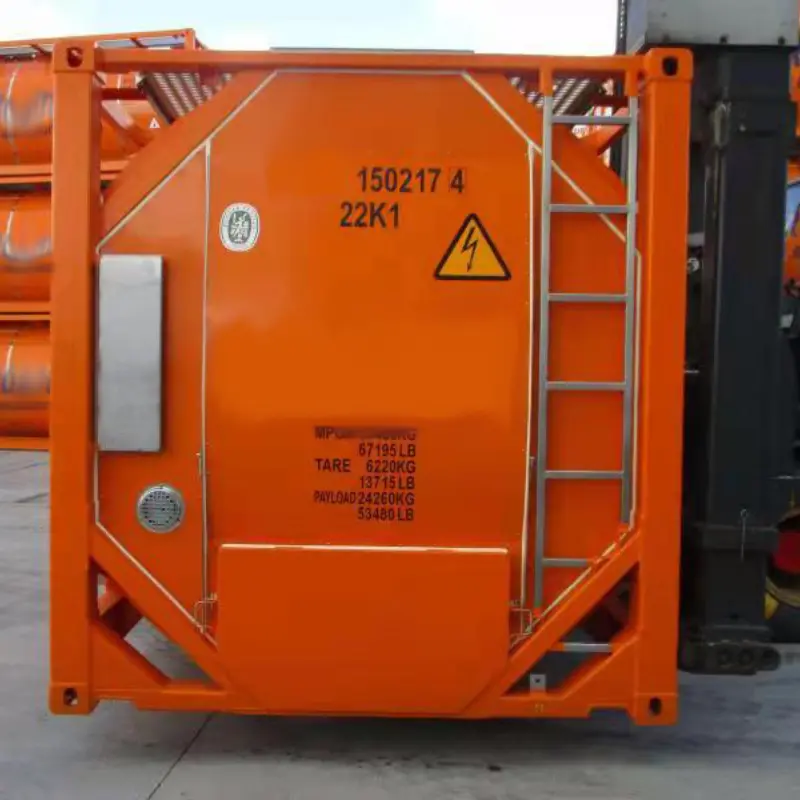
China 20 Foot ISO Liquid Tank Container for Water Product, Exporters

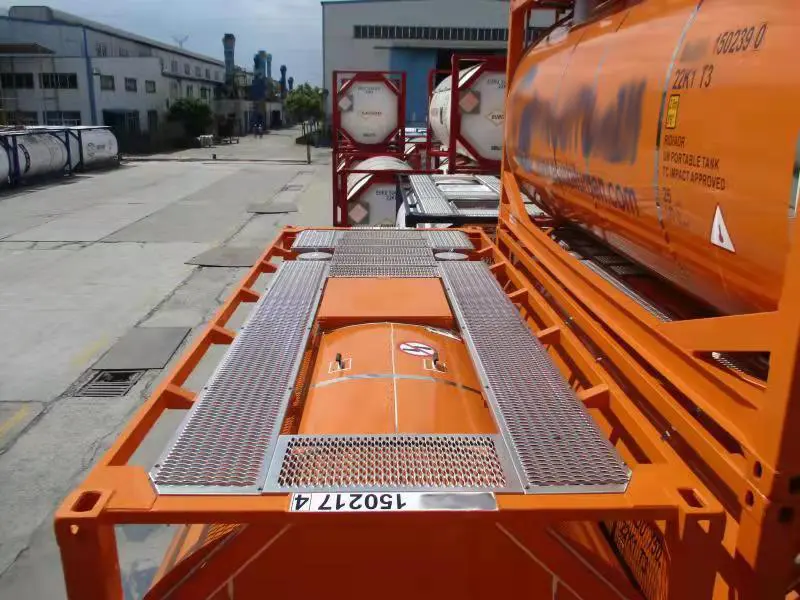
There are many types of tank containers. Different models can carry different liquids and have slightly different tank designs. There are two ways to load and unload tank containers: top loading and top unloading, and top loading and bottom unloading.

Product Description

Product Introduction

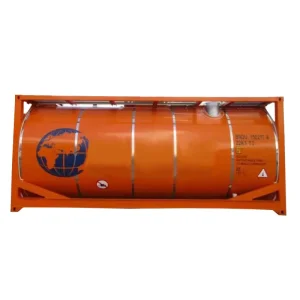
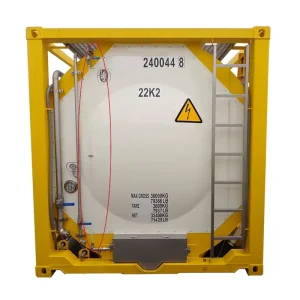
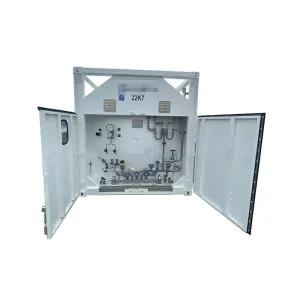
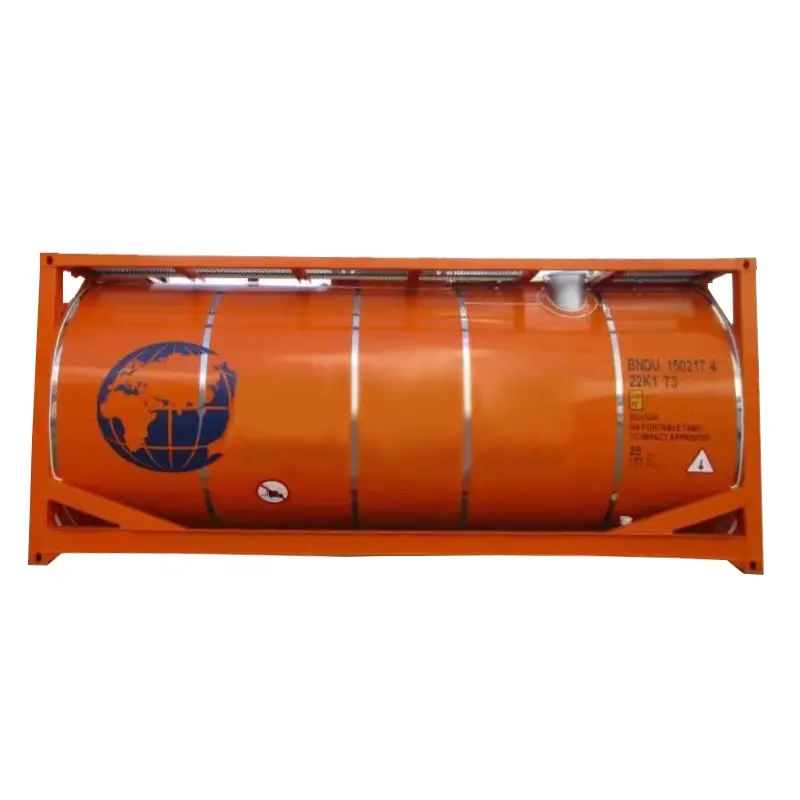
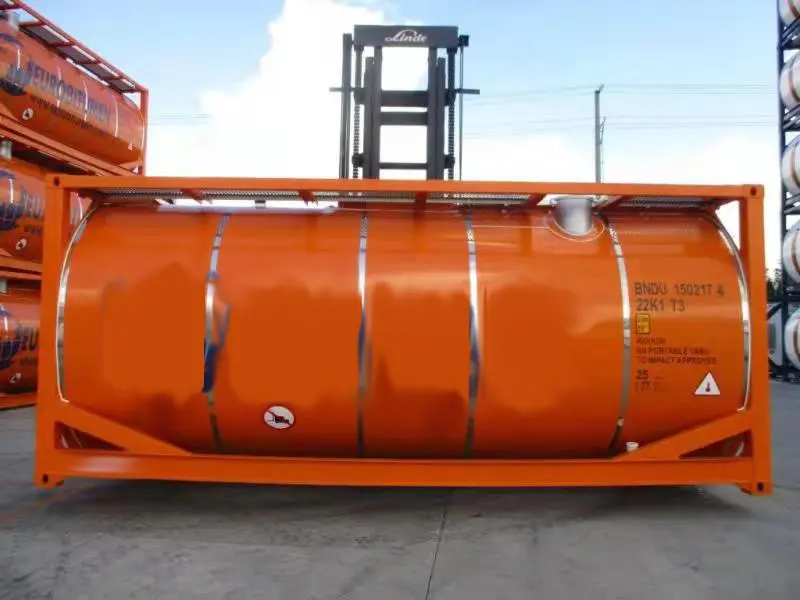
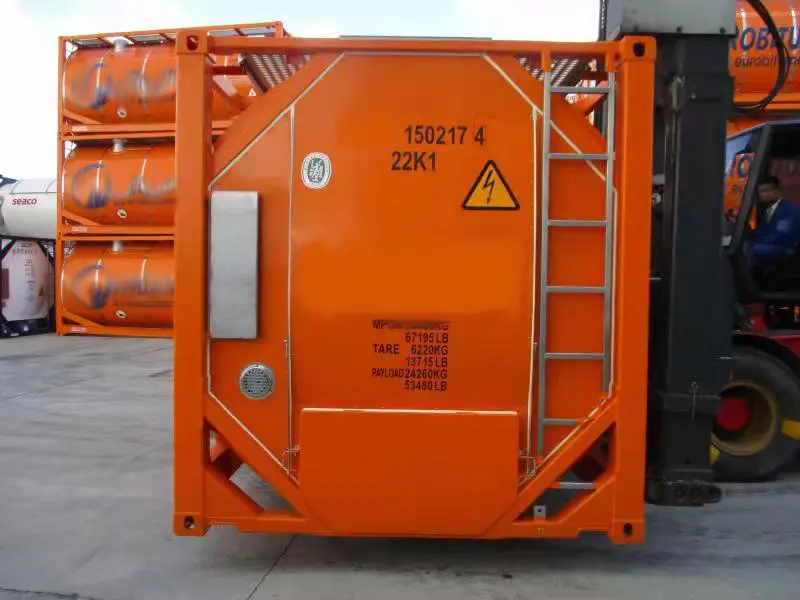
A tank container is a specialized intermodal container engineered to transport liquids, gases, and flowable bulk cargos such as powders, pastes, and granules. Combining the structural integrity of a pressure vessel with the standardized dimensions of an ISO shipping container, it is widely utilized across global logistics. The central tank structure is securely mounted within a heavy-duty framework, delivering structural protection, stability, and streamlined multi-modal handling across sea, rail, and road networks.
Product Specification

External Dimension (MM) 6058 * 2438 * 2591
Tare Mass 3450 kg (±3%)
Maximum Gross Weight 36000 kg

Key Advantages

Safe and Reliable

The structural body is constructed using high-grade industrial steel or specialized corrosion-resistant alloys, engineered to endure heavy pressure and impact loads during long-haul transit. When handling pressurized liquefied gas or high-risk liquids, the vessel retains integrity against elevated pressures of several megapascals, significantly mitigating spill risks.

Economic and Sustainable

Tank containers significantly lower per-unit freight charges by offering optimized bulk capacity. Unlike single-use transport barrels and drums, their heavy-duty reusable lifecycle removes the high cost of intermediate disposal, making bulk transport far more cost-effective and operationally streamlined.

Eco-Friendly Operations

Replacing disposable bulk packaging such as steel or polymer barrels directly eliminates significant industrial packaging waste. The fully circular, recyclable nature of tank containers supports greener logistics and compliance with strict environmental discharge regulations.

Frequently Asked Questions

How to choose the right tank container?
Selection depends heavily on the chemical and physical characteristics of your cargo, including whether it is a liquid, compressed gas, or powder, as well as its corrosiveness, viscosity, and operating pressure requirements.
What are the standard sizes of tank containers?
The standard ISO frame sizes typically deployed across international logistics include 10ft, 20ft, and 40ft units, with the 20ft model being the standard for intermodal liquid cargo.
What types of cargo can be transported in these containers?
They can transport a wide range of products, including industrial food-grade liquids (oils, juices), hazardous and non-hazardous chemicals, compressed liquefied petroleum gas, and granular materials.
How are tank containers cleaned and maintained between shipments?
Containers undergo certified high-pressure washing, chemical cleaning, and steam sanitization at specialized depot stations to guarantee cross-contamination prevention before accepting new loads.
Are tank containers compliant with international transport regulations?
Yes, quality tank containers are manufactured in full compliance with global safety standards, including ISO, IMDG, ADR, and RID certifications, permitting cross-border transport by sea, rail, and roadway.
What safety mechanisms are built into the tank design?
Units feature high-grade pressure relief valves, burst discs, emergency shut-off valves, and reinforced external framing to absorb shocks and protect the inner pressure vessel from mechanical impact.

Related Products