1 / 3
During offshore transportation, internal temperatures are accurately regulated to fulfill specific cold-chain cargo needs. For example, fresh fish can be consistently maintained at 0–4℃, effectively extending shelf life and retaining peak quality and freshness.
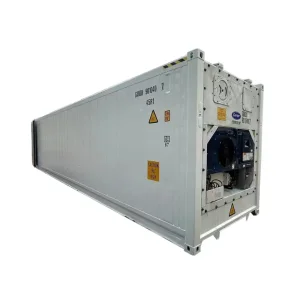
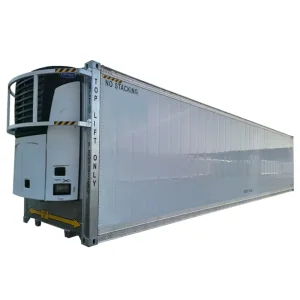
Engineered to standard container configurations, these offshore cold boxes seamlessly operate on small cargo vessels and barges. Units can be combined dynamically to ship mixed types of refrigerated goods across varying maritime routes.
A stable thermal environment drastically prevents decay and structural damage caused by temperature fluctuations during transport—essential for preserving high-value items like pharmaceuticals and premium produce.
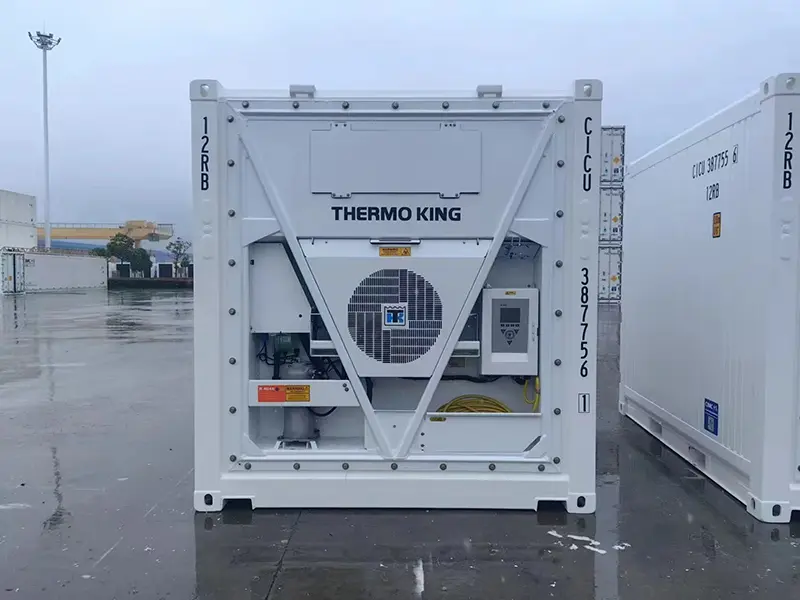
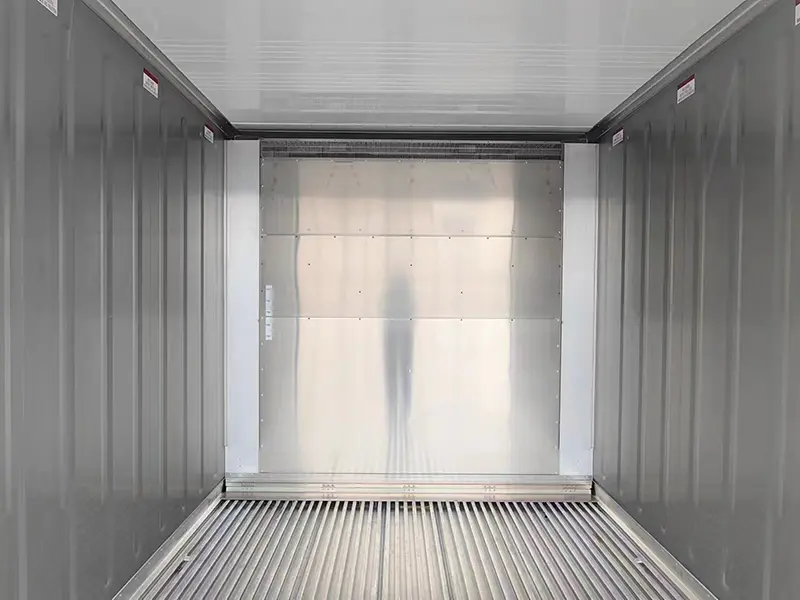
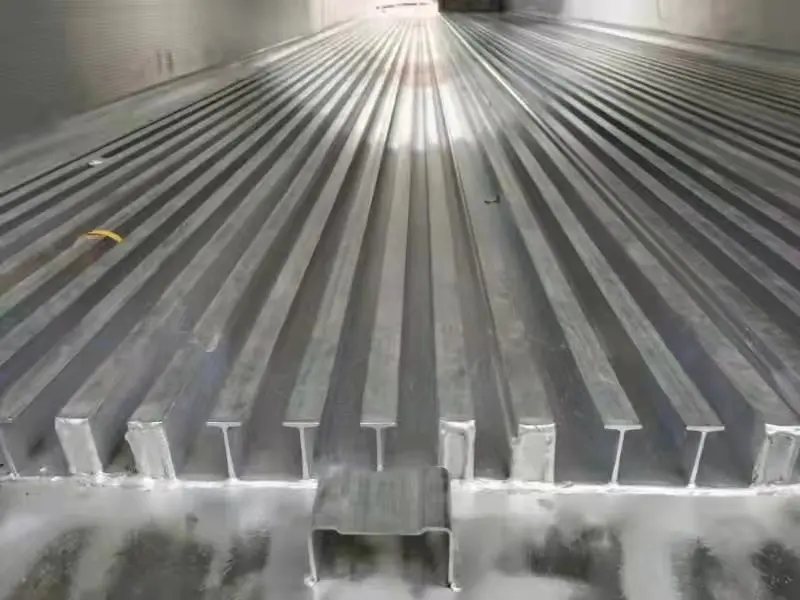
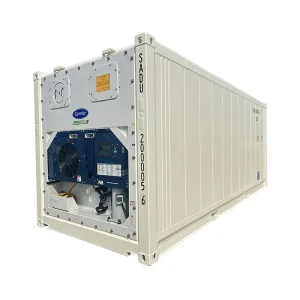
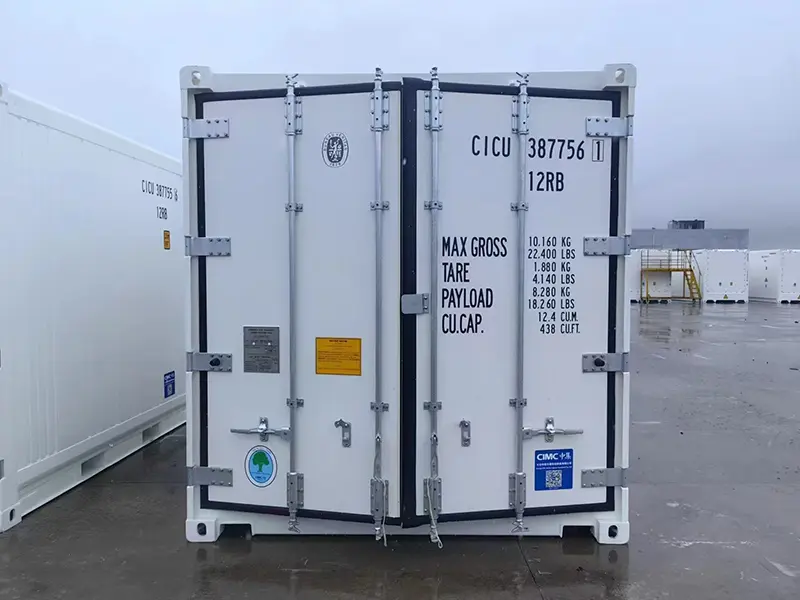
| External Dimension (mm) | 6058 × 2438 × 2591 |
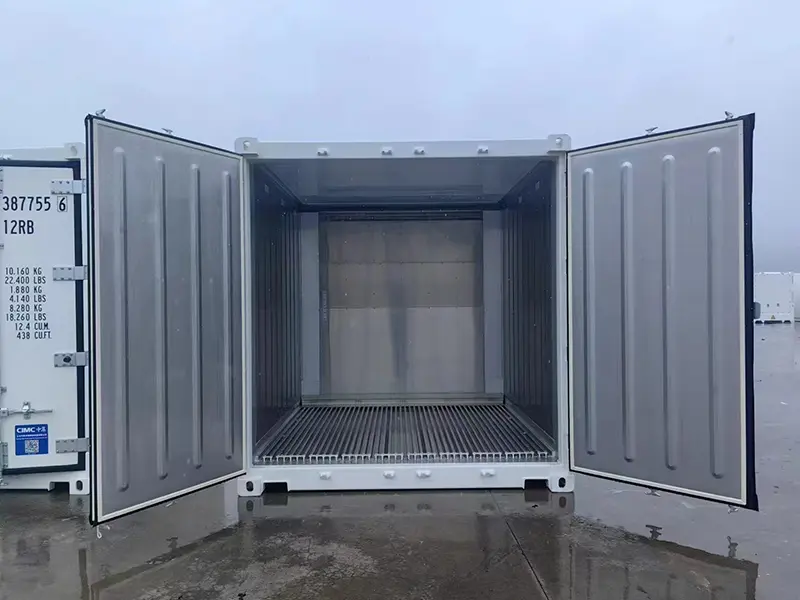
| Internal Dimension (mm) | 5456 × 2280 × 2273 |
| Door Opening Width (mm) | 2290 |
| Door Opening Height (mm) | 2264 (Maximum cargo height: 2221mm) |
| Volume | 28.3 m³ |
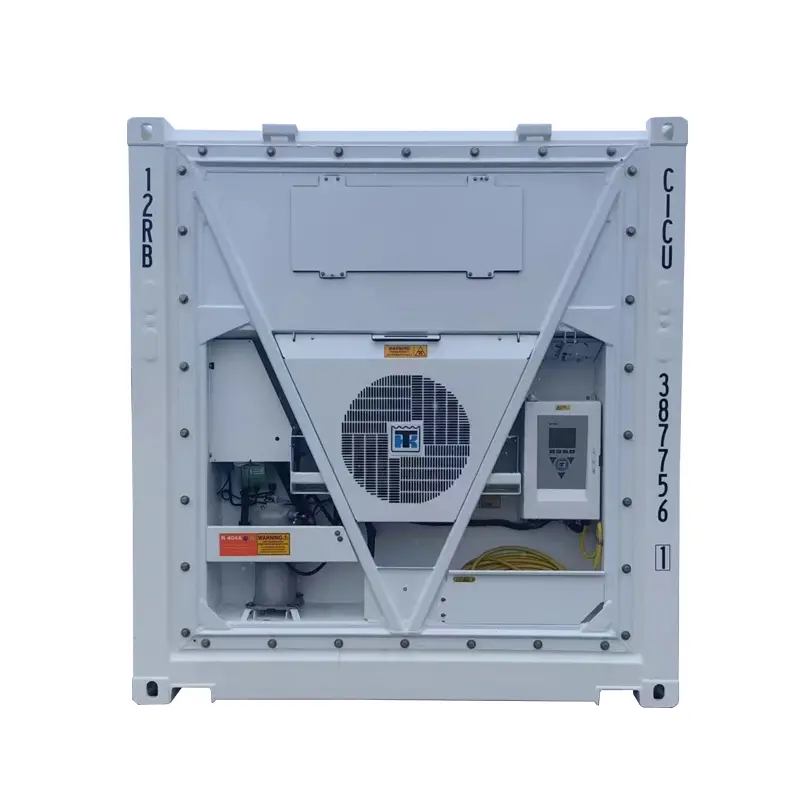
Equipped with reliable, high-efficiency cooling machinery, these units maintain targeted temperatures consistently. Shorter offshore transit reduces cooling failure probabilities, with swift port access allowing expedited servicing whenever required.
Because of shorter operating cycles, less energy and surplus refrigerant storage are required compared to trans-oceanic containers, noticeably minimizing energy consumption and auxiliary equipment expenses.
Adhering to standard dimensional benchmarks ensures broad compatibility with standard port infrastructure, handling vehicles, and vessel deck configurations for seamless loading and discharge.
Shorter continuous compressor cycles diminish overall energy demands and emissions. Furthermore, modern environmentally certified refrigerants are applied to align strictly with global green standards.
Proper cargo stacking is critical to prevent cold-air short-circuiting. Goods should be arranged evenly with open airflow channels for unrestricted air circulation. Periodically inspect and clean the evaporator coils and circulation fans to guarantee optimal airflow balance.
Containers must be positioned and secured according to strict vessel loading and lashing protocols. In rough seas, secondary safeguards such as reinforced lashings and anti-skid rubber pads should be utilized to eliminate positional shifting.
Yes, custom flooring options are supported. Alternative floor types can be specified to align directly with your cargo handling requirements.
The container offers an internal dimension of 5456 × 2280 × 2273 mm, a total volume of 28.3 m³, a door opening width of 2290 mm, and a maximum cargo loading height of 2221 mm.
Yes, standard external dimensions (6058 × 2438 × 2591 mm) allow these containers to integrate easily with regional vessels, small transport ships, and barges, enabling modular placement for multi-cargo operations.
Shorter offshore routes allow smaller operating runs and lower overall power demands without the need for extensive onboard refrigerant reserves or prolonged auxiliary power support.