1 / 4
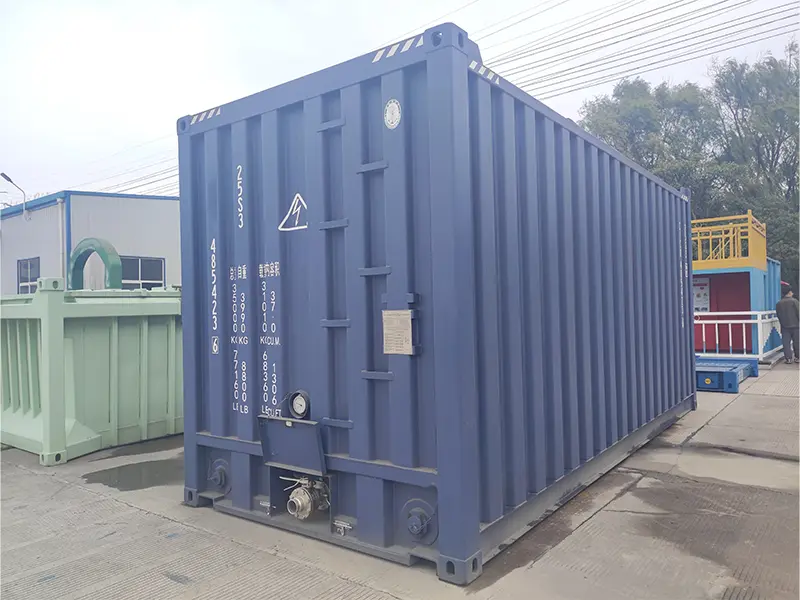
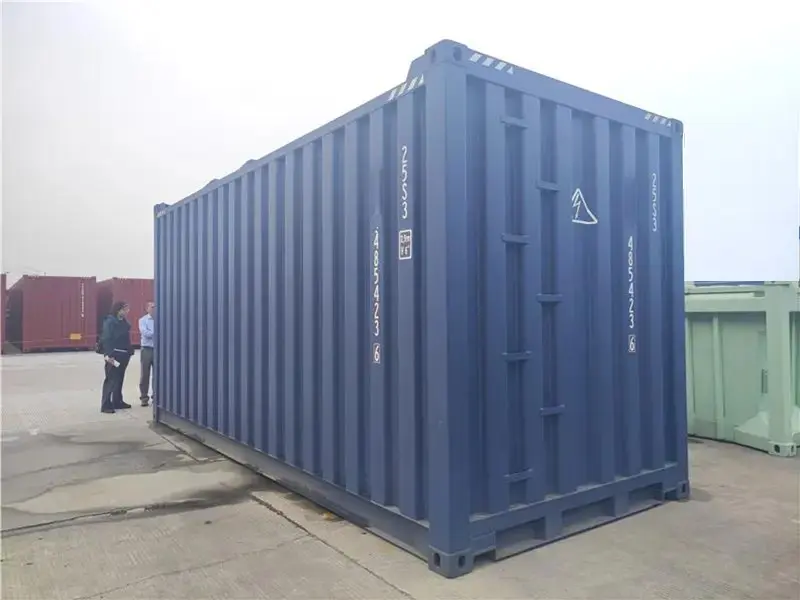
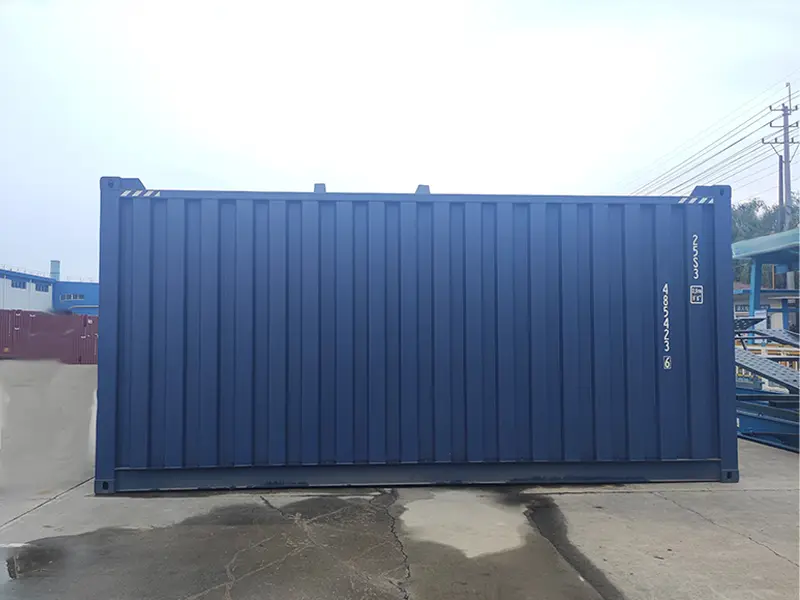
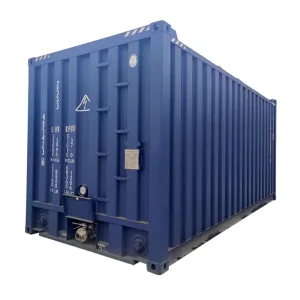
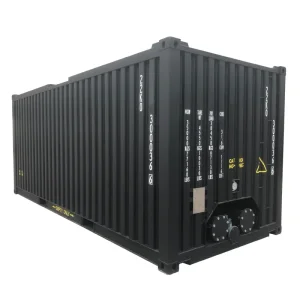
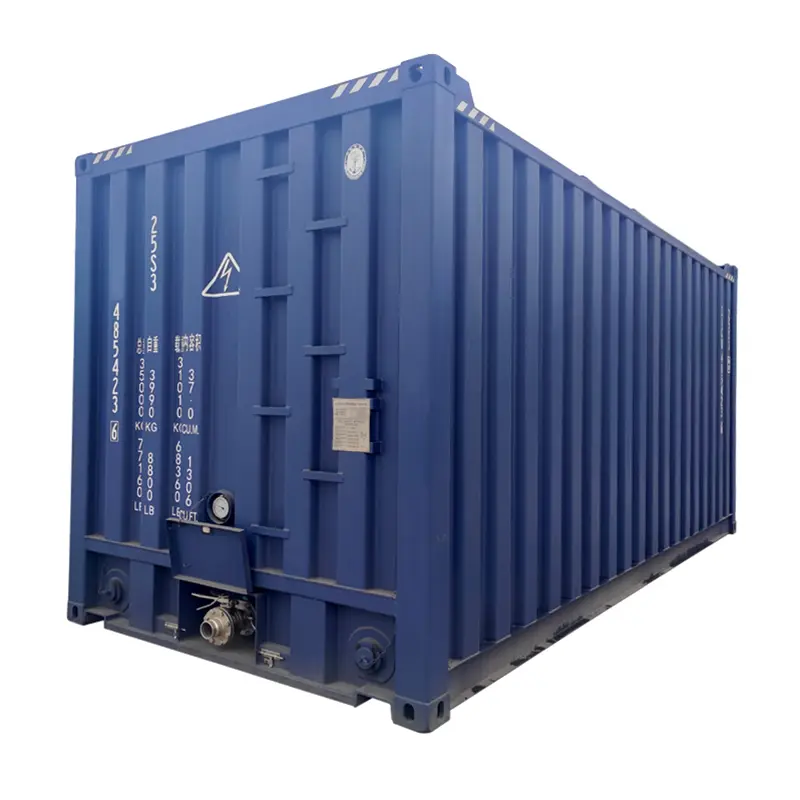
The square shape allows for tighter arrangement in transport vehicles (such as ships and train carriages), improving transportation efficiency. For example, on container ships, square liquid containers can be neatly stacked to maximize the use of cabin space, and can transport a certain proportion more liquid cargo than round liquid tank containers.
During transportation, the center of gravity of square liquid containers is relatively low, especially when filled with liquid. Since the liquid is evenly distributed in the square tank, the container has better stability during vehicle driving and ship navigation, reducing the risk of liquid leakage or container overturning due to shaking and tilting.
Square liquid containers are easy to stack and store in places such as port terminals and logistics warehouses. They can be stacked in multiple layers like ordinary dry cargo containers, saving storage space and facilitating management and scheduling.
It depends on whether the liquid being transported is ordinary liquid. Square liquid containers can transport these ordinary low-pressure liquids, and the cost is lower than that of tank containers, the capacity is larger, and it is easy to maintain.
If the material is excellent, it can be used for 10-20 years without any problems.
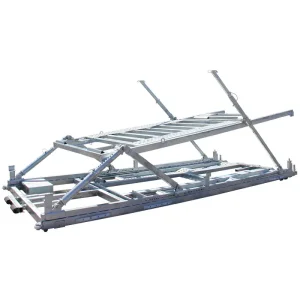
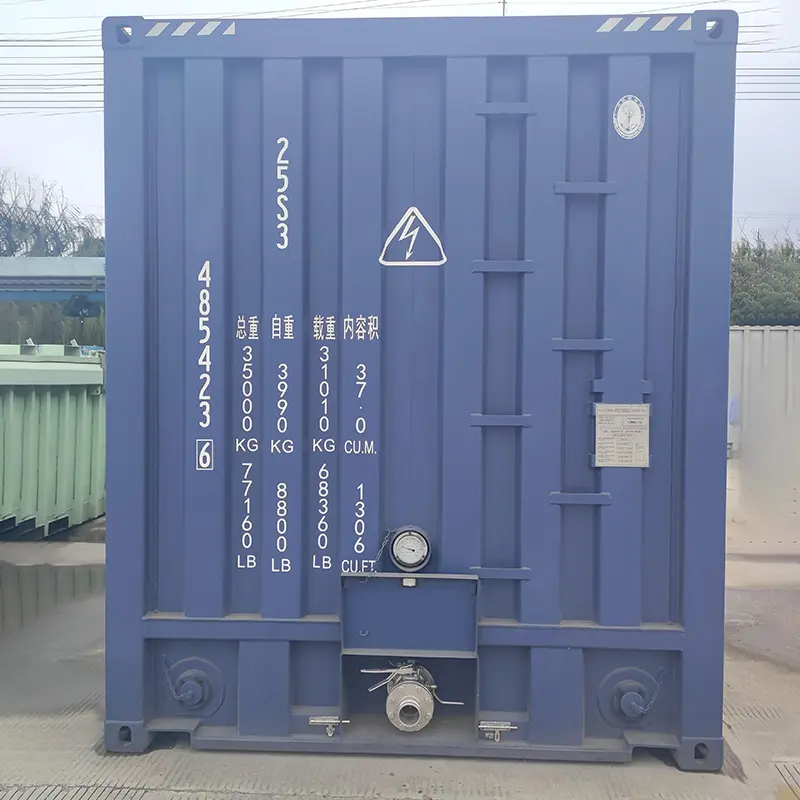
The frame is constructed with high-strength steel featuring reinforced corners and ribs to prevent deformation. The internal tank is manufactured using high-quality metal materials such as stainless steel or carbon steel lined with anti-corrosion materials.
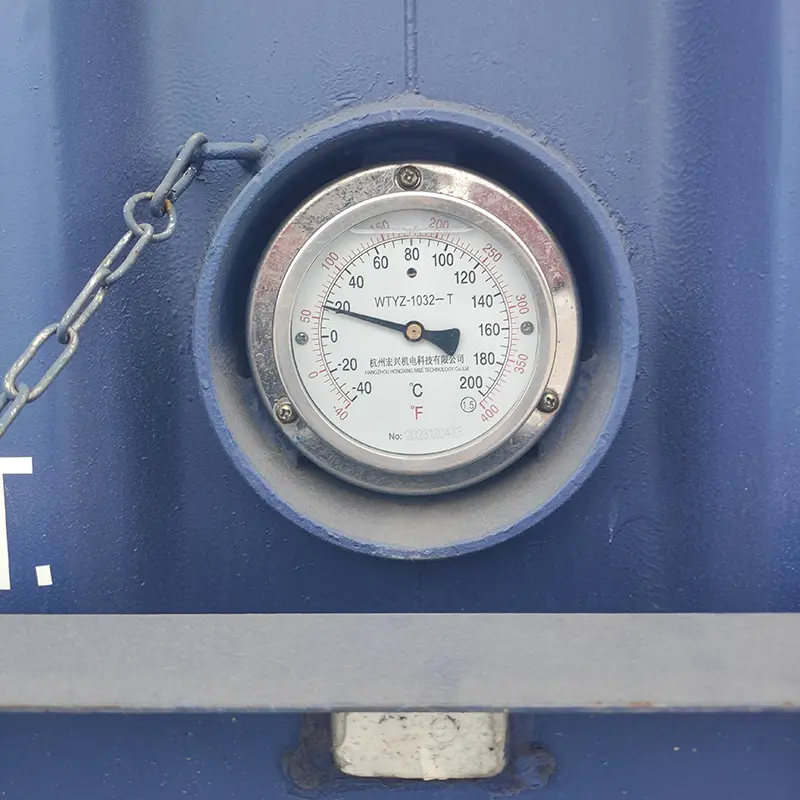
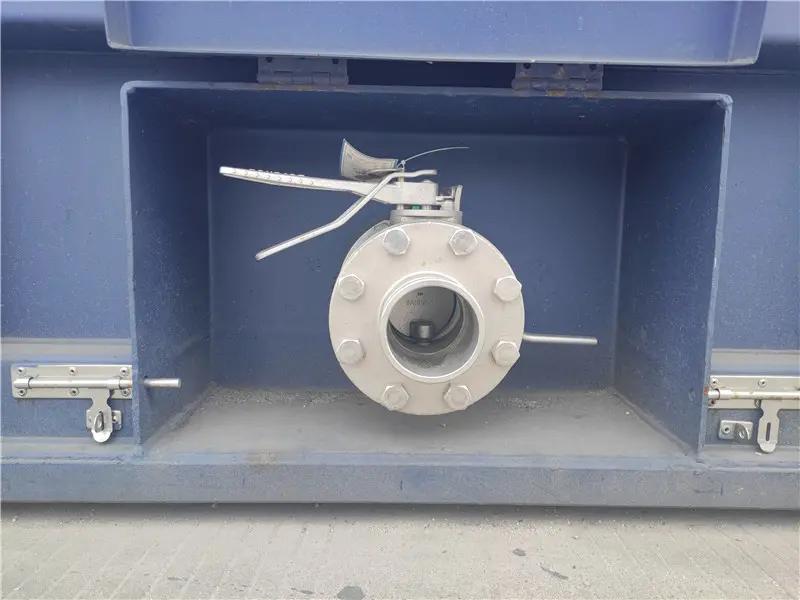
The loading and unloading port is situated at the bottom connected via a dedicated piping system. This allows liquids like gasoline to enter and exit at a lower level, significantly controlling flow and minimizing the risk of splashing, volatilization, and associated safety hazards.
The square geometry allows containers to be arranged and stacked more tightly inside ships and train cars, eliminating dead space and allowing a higher proportion of liquid cargo to be shipped within the same cabin dimensions.
Yes, they are engineered with standard international corner fittings and reinforced structural frames, enabling multi-layer stacking and straightforward handling in port terminals and logistics facilities.