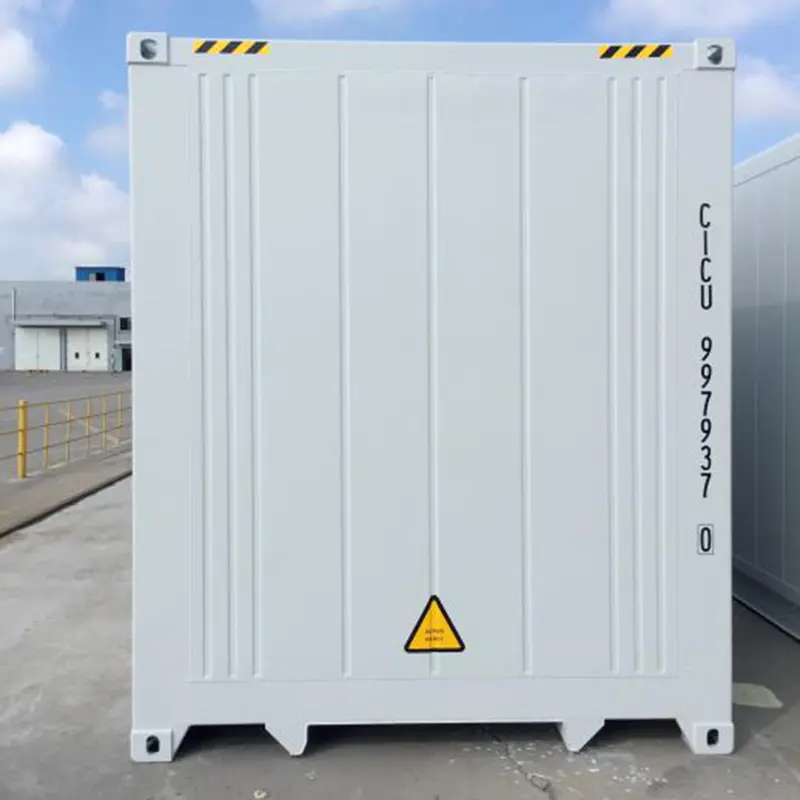
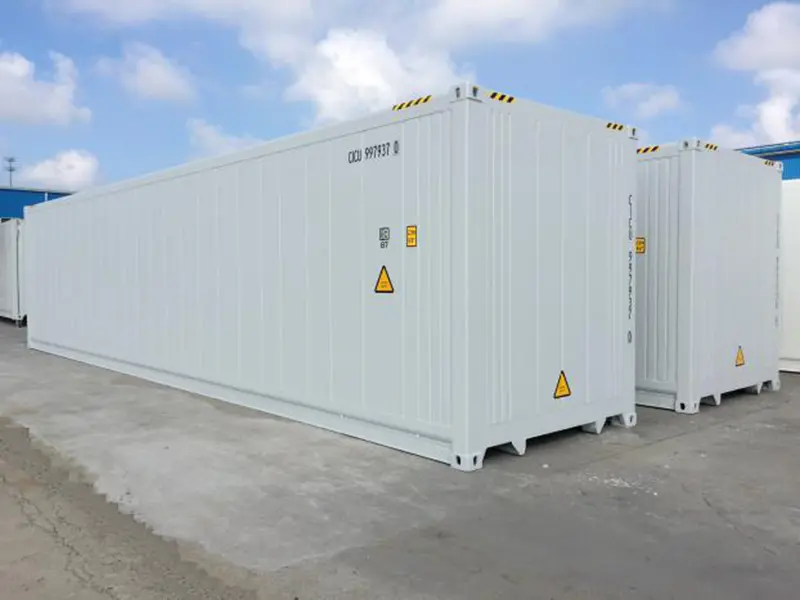
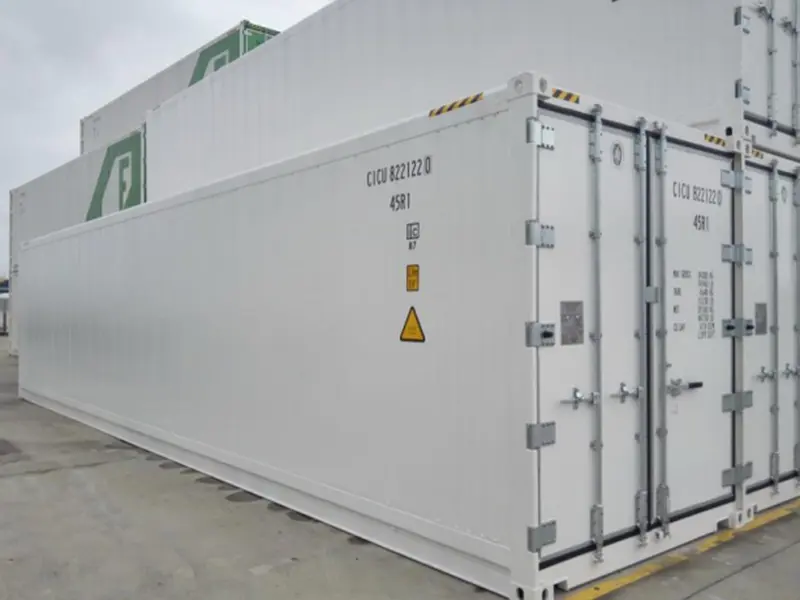
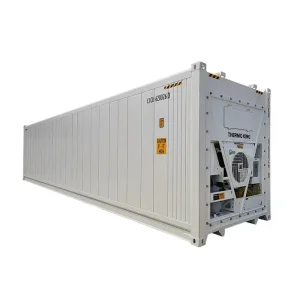
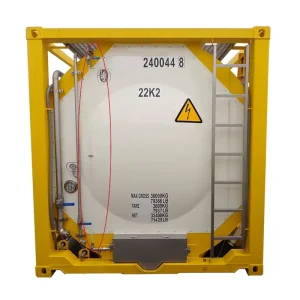
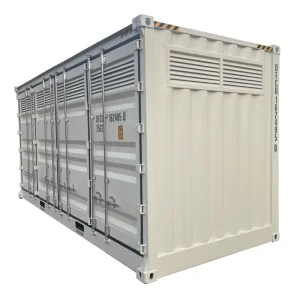
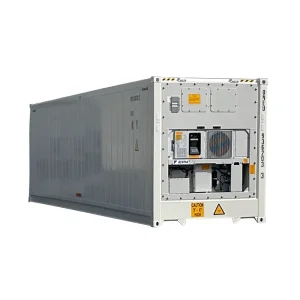
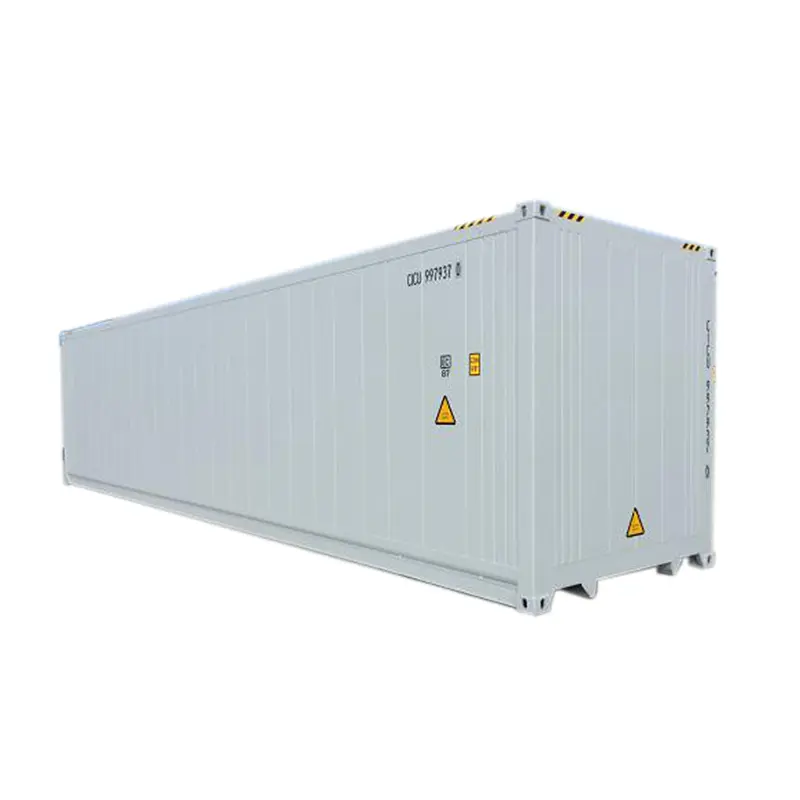
High-Quality New 40ft High Cube Thickened Foam Insulation Container Manufacturer, Factories

Insulated containers keep the temperature of items stable during transportation or storage and have strong thermal insulation properties.

Product Description

Product Introduction

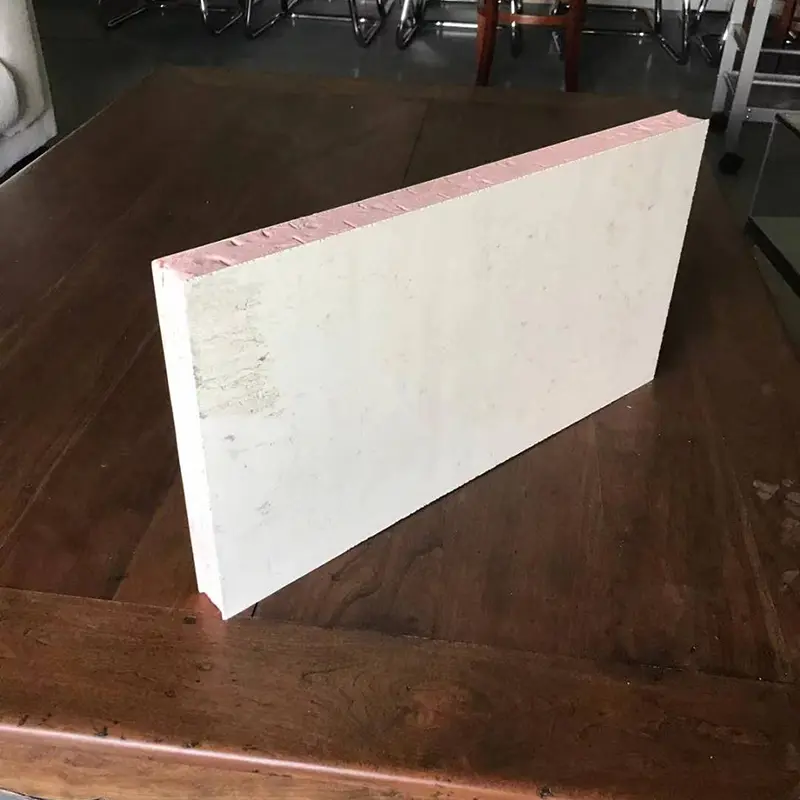
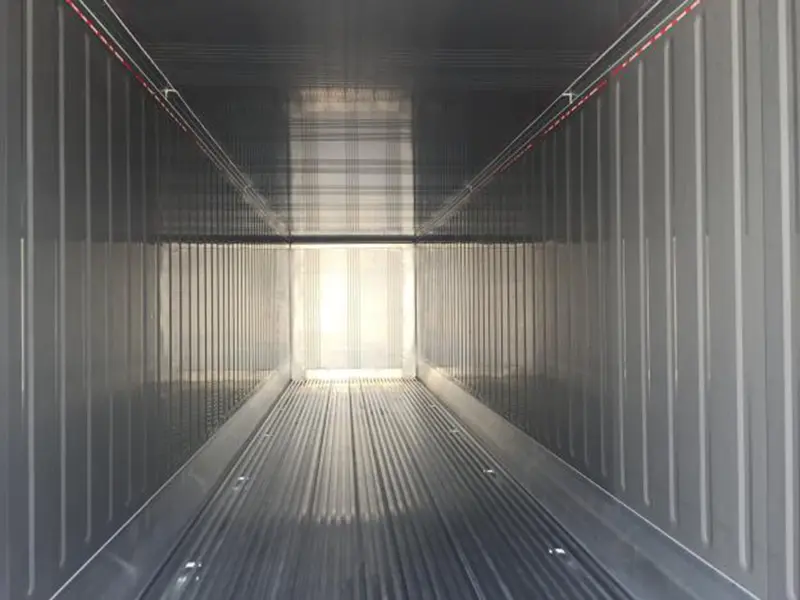
The outer shell of the insulated box is generally made of high-strength, impact-resistant materials such as plastic and metal to provide good protection and support. Common plastic shells have the advantages of light weight and corrosion resistance, while metal shells are more sturdy and durable. The insulation layer is the core part of the insulated box and is usually filled with insulation materials. Common insulation materials include polystyrene foam (EPS), polyurethane foam (PU), perlite, etc. These materials have low thermal conductivity and can effectively reduce heat transfer, thereby achieving the effect of insulation. The inner liner of the insulated container is generally made of food-grade plastic or stainless steel, which has good hygiene and corrosion resistance and can directly contact food or other items that need to be insulated.

Product Specification

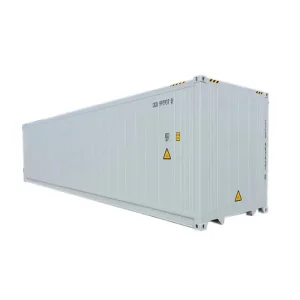
External Dimension (MM) 12192 * 2438 * 2591
Internal Dimension (MM) 12032 * 2352 * 2385
Door Opening (Width) 2340 mm
Door Opening (Height) 2280 mm
Maximum Gross Weight 30480 kg
Maximum Payload 28280 kg
Tare Weight (±2%) 3800 kg

Key Advantages

Stable Constant Temperature
Through stable temperature and good thermal insulation performance, the insulated container can minimize the impact of external temperature changes on the goods, effectively prevent the goods from deteriorating, rotting, and being damaged due to temperature fluctuations during transportation, and ensure that the quality of the goods when they arrive at the destination is basically the same as when they depart, reducing the loss rate of the goods and increasing the market value and economic benefits of the goods.
Cost-effective
If the goods only need to be stored and transported at a constant temperature, the insulated container has a higher cost-effectiveness, is lower in cost than the refrigerated container, and can also hold more goods.
Good Sealing
In order to ensure that the temperature of the goods themselves does not lose and achieve a constant temperature effect, the container has done a lot of work on the sealing of the door to ensure the quality of the goods.

Frequently Asked Questions (FAQ)

Q What is the difference between an insulated container and a refrigerated container?
Refrigerated containers can adjust the temperature through equipment, while insulated containers only keep things warm, that is, hot things are kept hot and cold things are kept cold.
Q What is the insulation principle of the insulated container?
The insulated container mainly achieves its insulation function through the insulation structure of the box. The walls, ceiling and floor of the box are filled with insulation materials, such as polyurethane foam, to reduce heat transfer.
Q Which goods are suitable for transport in insulated containers?
Goods that require constant temperature transport, such as vegetables, fruits, flowers, etc.
Q What materials are used for the outer shell and inner liner?
The outer shell is typically made of high-strength, impact-resistant materials such as plastic or metal. The inner liner is made of food-grade plastic or stainless steel, offering high hygiene standards and corrosion resistance for direct contact with goods.
Q What are the common insulation materials used inside the walls?
Common insulation materials include polystyrene foam (EPS), polyurethane foam (PU), and perlite. These materials feature low thermal conductivity, effectively blocking external heat transfer.
Q What is the maximum payload capacity of the insulated container?
The container has a maximum gross weight of 30,480 kg, with a maximum payload capacity of 28,280 kg and a tare weight of 3,800 kg (±2%).

Related Products