What Is a High Cube Reefer Container Used For?

Time:2026-11-04 Author:Sophia
0%

A High Cube Reefer Container is a refrigerated shipping container with extra interior height. It is designed for temperature-sensitive cargo that needs controlled conditions and more vertical space. Think of stacked cartons, tall produce crates, or chilled goods loaded on pallets. That added room can improve usable capacity, but only when the cargo layout allows air to circulate around the load.

The right choice depends on more than container height. Operators also consider the required temperature range, cargo dimensions, loading pattern, and refrigeration unit. A tightly packed load may restrict airflow, even in a taller container. That detail is easy to overlook. A useful operating principle is: “Extra space helps only when the cargo can still breathe.” I can’t responsibly attribute that sentence to a named industry expert without a verifiable source. A sourced expert quotation should be added before publication.

This guide explains what a High Cube Reefer Container is used for, which cargo may benefit from its added height, and what buyers should check before choosing one. It also considers practical trade-offs, including loading access, internal dimensions, and temperature management. Measurements and equipment vary by model, so confirm specifications with the container supplier. No single container suits every shipment.
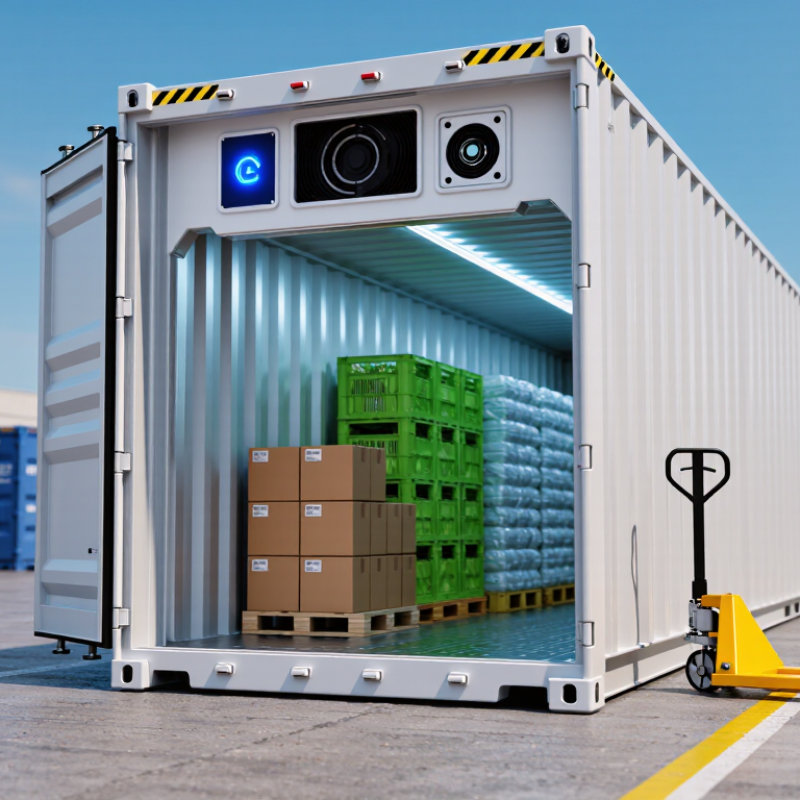
What Is a High Cube Reefer Container Used For?

What Defines a High Cube Reefer Container?

A high cube reefer container is an insulated, refrigerated shipping container with more vertical space than a standard-height reefer. “High cube” describes its taller exterior profile, commonly about one foot higher. Exact dimensions vary by model, so check the equipment specification before planning a load.

Its refrigeration unit controls the internal temperature, while insulated panels help limit heat transfer. Inside, a T-shaped floor channels chilled air beneath the cargo. Air then circulates through the load, provided cartons are stacked with suitable gaps and do not block the airflow paths.

That matters.

Extra height can create more usable volume, but it does not automatically mean greater payload capacity or better cooling.

These containers are used for temperature-sensitive goods such as fresh produce, dairy, and frozen foods. They may suit tall cartons or pallet loads that need extra headroom. The added space can help, though it can also tempt people to pack too tightly.

A high cube reefer is not defined by height alone; its insulation, refrigeration system, airflow design, and operating condition all affect performance. Check the required temperature range and loading guidance for the specific unit.

How Its Refrigeration and Airflow Systems Work

A high cube reefer container is used to transport temperature-sensitive cargo that benefits from extra vertical space, such as boxed produce or chilled ingredients. Its refrigeration unit removes heat and circulates cooled air through the insulated interior. A thermostat monitors the container temperature and signals the unit to adjust its operation. It is a controlled environment, not a substitute for proper cargo preparation.

Airflow is as important as the temperature setting. Many reefer floors have channels that guide supply air beneath the cargo; air then rises and returns toward the unit. Keep cartons clear of the ceiling and avoid covering floor channels or return-air openings. Air needs room. A tightly packed load can leave warm pockets, even when the display shows the target temperature. High cube clearance helps with taller loads, but it does not fix poor stowage.

Ventilation settings can allow limited fresh-air exchange when the cargo requires it, though opening vents indiscriminately may undermine temperature control. Operators should match settings to the cargo’s needs and monitor readings during transit. A reefer generally maintains the temperature of correctly prepared cargo; it may not cool warm goods quickly or evenly. That distinction is easy to overlook.

What Is a High Cube Reefer Container Used For?

Typical external dimensions of a 40-foot high-cube reefer container

High-cube reefers are used to transport temperature-sensitive cargo, such as food and pharmaceuticals. The refrigeration unit cools supply air, which is distributed beneath the cargo through floor channels; air then circulates up through the load and returns to the unit. Dimensions shown are typical nominal external measurements and can vary by container model.

Which Temperature-Sensitive Goods It Carries

A high cube reefer container carries goods that need controlled temperatures during transport. Its extra interior height can accommodate taller cartons or stacked pallets, while the refrigeration unit helps maintain the selected conditions. It is not simply a cold box: airflow, loading patterns, and cargo preparation all affect performance.

Common loads include fresh produce, dairy products, meat, seafood, and frozen foods. Leafy greens and berries can lose quality quickly if temperatures rise. Bananas and some other fruits may need warmer settings than chilled vegetables. There is no universal setting. Chilled fish, for example, has different handling needs from frozen meat, so the cargo’s required range should be confirmed before loading.

Some temperature-sensitive medicines and laboratory materials may also travel in reefer containers, but only when the equipment and monitoring meet their specific requirements. For food cargo, goods are generally prepared at the intended transport temperature before loading; a reefer is not designed to rapidly cool warm products. Keep air channels clear, avoid blocking floor vents, and use suitable packaging. Small details matter. I would not treat the displayed set point as proof that every carton stayed within range. Temperature records and careful loading checks provide a clearer picture, though handling can still be imperfect.

Where It Fits into Cold-Chain Transport

What Is a High Cube Reefer Container Used For?
Where It Fits into Cold-Chain Transport

A high cube reefer is a refrigerated container with extra interior height. In cold-chain transport, it can carry temperature-sensitive goods across road, rail, and sea legs. The added height may suit tall cartons or stacked pallets, especially when shipments need to move between transport modes without repacking. A practical detail: the refrigeration unit takes up some interior space, so the usable volume is less than the outside dimensions suggest.

The container’s role is to help maintain a controlled environment during transit, not to rapidly chill warm cargo. Goods should generally be loaded at an appropriate temperature, with space left for airflow around the load. Air needs room to move. Blocked vents or tightly packed boxes can create uneven conditions, even when the displayed setpoint looks correct. Temperature records and routine checks help teams spot issues during a journey.

High cube reefers can be useful when a shipment needs extra vertical clearance, but the format is not automatically the best choice. Door openings, pallet height, loading equipment, and destination handling all matter. A taller stack may look efficient at the dock, yet still restrict airflow or complicate unloading. That trade-off deserves attention. Cold-chain performance depends on the whole handoff process, including loading practices, transit monitoring, and timely transfer at terminals.

How Its Extra Height Affects Loading and Handling

What Is a High Cube Reefer Container Used For?
How Its Extra Height Affects Loading and Handling

A high cube reefer is a refrigerated container with more vertical room than a standard-height model. That added space can help when cargo is tall, or when pallets need extra clearance above them. The difference sounds simple. In practice, insulation and ceiling equipment reduce usable interior height, so check the container’s specifications before planning a load.

More room does not mean every load should be stacked higher. Refrigerated air needs clear paths around the cargo, especially near supply and return vents. Leave the required airflow gaps, and avoid pressing cartons against the ceiling. Airflow comes first. A tightly packed load may look efficient but can cool unevenly, creating warm spots that are hard to notice during loading.

The extra height can also affect handling. Tall, heavy stacks may shift more easily during movement, so distribute weight evenly and secure cargo for the expected journey. Check doorway clearance, dock height, lifting equipment limits, and the container’s rated capacity. Actual dimensions and handling requirements vary by unit. I would not rely on a generic measurement alone; confirm the data plate and inspect the interior before loading. One practical detail is easy to miss: a high cube still has a fixed floor area, so extra height cannot solve poor pallet spacing.

What Is a High Cube Reefer Container Used For? — How Its Extra Height Affects Loading and Handling
Data dimension Typical information What it means for loading and handling
Primary use Transporting temperature-sensitive cargo, such as produce, frozen foods, meat, seafood, dairy products, and some pharmaceuticals. The refrigeration system controls the container environment; cargo must be packed and loaded to allow air to circulate.
External height A typical high-cube container is about 2.90 m (9 ft 6 in) high, roughly 0.30 m (1 ft) taller than a standard-height container. Check road, rail, warehouse-door, and terminal clearances. The added height can affect route and equipment compatibility.
Typical usable interior height Approximately 2.5 m for many 40-foot high-cube reefers; the exact clear height varies by unit and manufacturer. The extra height can accommodate taller cartons or more vertical tiers, but the cargo must remain below the marked maximum loading line.
Typical interior length and width For a 40-foot reefer, interior length is commonly around 11.5 m and interior width around 2.29 m. Dimensions vary between units. Measure the actual container before planning pallet patterns; insulation and interior fittings reduce usable space compared with external dimensions.
Approximate interior volume About 67 m³ for a 40-foot high-cube reefer, as a rough estimate based on typical interior dimensions. This is geometric volume, not a promise of usable cargo capacity. Air channels, packaging, and loading clearances reduce the space available for freight.
Effect on load capacity Extra height increases potential cubic capacity, not the container’s permitted gross weight. Follow the container’s rating plate, verified tare and payload limits, and applicable road or rail weight rules. Dense cargo may reach the weight limit before filling the space.
Airflow and loading height Reefer airflow is designed to move around and, depending on the unit, through the cargo load. Do not block floor channels, air outlets, or return-air paths. Keep cargo below the marked load line and leave the clearances specified for the unit.
Best suited to Light or moderately dense temperature-controlled cargo that benefits from extra vertical space, such as tall cartons or stackable packaged goods. Confirm that the cargo’s packaging, stacking strength, temperature needs, and required airflow are compatible with the planned loading arrangement.
Important variation Dimensions, payload, temperature range, and equipment features differ by container model and individual unit. Use the unit’s data plate and technical specification for final loading, temperature, and clearance decisions; the figures above are typical estimates, not guaranteed specifications.

FAQS

What is a high cube reefer container?

It is an insulated refrigerated container with extra interior height. It carries temperature-sensitive cargo by road, rail, or sea.

What does its refrigeration unit do?

It removes heat and circulates cooled air. A thermostat monitors the interior temperature and signals adjustments. It maintains conditions; it is not designed to quickly chill warm goods.

How does air move around the cargo?

Supply air can travel through floor channels, rise around the load, and return toward the unit. Keep cartons clear of ceiling space and floor channels. Air needs room.

Does the displayed temperature guarantee even cooling?

No. Tightly packed cartons can block airflow and create warm pockets. The display may show the target while parts of the load remain unevenly cooled.

Why can extra height be useful?

It may fit taller cartons or stacked pallets and help avoid repacking between transport modes. But a taller load still needs airflow clearance.

When should ventilation settings be adjusted?

Use fresh-air exchange when the cargo requires it. Opening vents without a clear need may weaken temperature control. Check readings during transit.

Is the full outside volume available for cargo?

No. The refrigeration unit takes up interior space, so usable volume is smaller than the exterior dimensions suggest. Measure the actual load space.

What should teams consider before choosing a high cube reefer?

Check door openings, pallet height, loading equipment, and destination handling. A tall stack may look efficient at the dock but complicate unloading. It is easy to overvalue height and miss the handoff details.

Conclusion

A High Cube Reefer Container is a refrigerated shipping container with extra internal height compared with a standard reefer. Its insulation and cooling unit help maintain a controlled temperature, while designed airflow moves chilled air around the cargo. Properly arranged loads allow air to circulate and help keep conditions more consistent throughout the container.

These containers are used to transport temperature-sensitive goods such as fresh produce, dairy products, and other foods that need cooling. They can form part of a cold chain across road, rail, and sea transport, helping protect cargo as it moves between locations. The additional height can provide room for taller items or more vertical loading space, but cargo still needs to be secured and stacked without blocking air channels. Careful loading and handling help make use of the extra capacity while supporting effective refrigeration.


Sophia

Sophia

Sophia is a dedicated marketing professional with an exceptional depth of knowledge about her company's products and services. With a keen understanding of market trends and customer needs, she crafts insightful blog posts that not only inform but also engage readers, enriching the company’s online......