
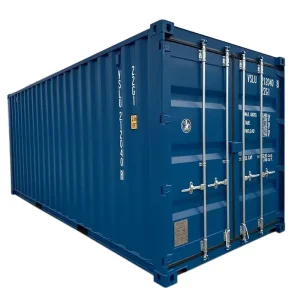
Kuwait Port Operations
Engineered with heavy-duty SPA-H Corten steel, marine anti-corrosion coatings, and high-frequency CSC safety verification for Gulf cross-border logistics.
Examining intermodal connectivity under Kuwait Vision 2035, the expansion of Shuwaikh and Shuaiba Ports, and severe desert microclimate material requirements.
The State of Kuwait represents a vital maritime gateway into the Northern Arabian Gulf, bridging trade flows between East Asia, the Levant, and Europe. Amid the ambitious milestones of Kuwait Vision 2035 (New Kuwait) and the continuous expansion of Mubarak Al-Kabeer Port on Boubyan Island, containerized dry freight infrastructure has shifted from basic commodity transport to strategic national supply security.
With annual container throughput escalating at Shuwaikh Port and Shuaiba Industrial Port, industrial operators face compounding challenges: hyper-saline maritime air combined with ambient summer temperatures exceeding 52°C. Standard dry containers fail under these thermal cycling stresses without rigorous material hardening.
Procuring dry containers for governmental tenders, KOC (Kuwait Oil Company) drilling assets, or petrochemical handling at Mina Al Ahmadi demands zero-defect tolerance. Factory validation entails systematic third-party surveyor inspections by Bureau Veritas (BV) or Lloyd's Register.
Matching custom and standard dry container structural profiles to Kuwait's core industrial sectors.
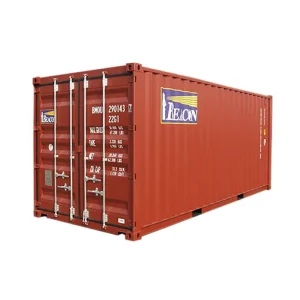
In upstream installations throughout Burgan and Wafra fields, 20ft and 40ft double-door dry containers protect mission-critical valves, drilling mud additives, and instrumentation from sandstorms (Shamals) and extreme radiant UV breakdown.
Reinforced tie-down lashing rings (rated to 1,500 kg each) ensure secure containment of heavy industrial assemblies during rough desert truck transitions.
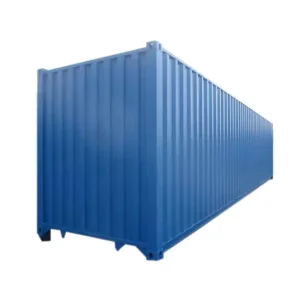
Intermodal road trailers operating via the Nuwaiseeb and Salmi borders require standardized ISO tare weights and certified corner castings. High Cube 40ft dry containers optimize volumetric payloads for fast-moving retail consumer items, medical apparatus, and construction consumables entering Kuwait City.
TIR compliance seals and high-security lock boxes prevent unauthorized transit tampering.
Contractors executing Kuwait's major road networks and housing city expansions (such as South Al-Mutlaa) convert factory-built dry container shells into blast-resistant on-site mobile offices, telecom shelter nodes, and secure storage units.
Factory-integrated side doors and ventilation louver options reduce on-site structural modifications by up to 70%.
Anticipating the technological requirements of maritime digitisation and smart container handling across Middle Eastern logistics hubs.
Transitioning beyond traditional zinc epoxies to graphene-infused ceramic primers, extending external surface operational lifespan in hyper-arid, salt-saturated atmospheres up to 25 years without repainting.
Integrating non-intrusive solar-powered telematics into container corrugation recesses. Real-time door status alerts, internal temperature variance, shock/vibration tracking, and GPS coordination routed directly to cloud ERPs.
Replacing traditional tropical hardwood floors with closed-loop recycled polypropylene-aluminum hybrid flooring, resisting chemical absorption, insect infestation, and heavy localized wheel loads.
Equipping corner castings and main rails with embedded strain transducers, enabling automated terminal cranes to capture stress-fatigue diagnostics upon container pickup at Kuwaiti port gates.
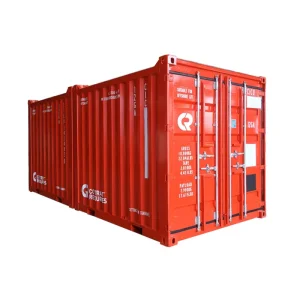
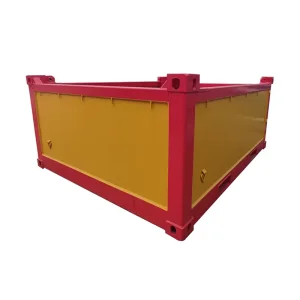
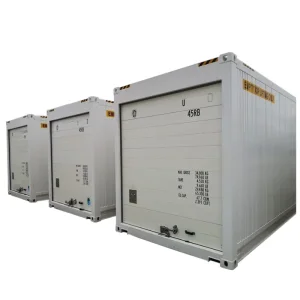
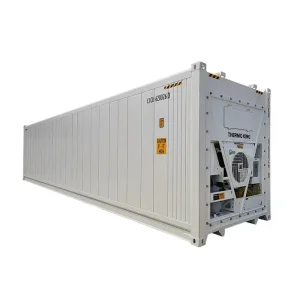
Full suite of intermodal cargo solutions available for direct procurement and project distribution in Kuwait and surrounding Gulf markets.

In-depth responses regarding compliance, custom modifications, local delivery, and durability under Kuwait conditions.
All export containers bound for Kuwait are fabricated with ASTM A242/SPA-H Corten steel and coated using multi-layered epoxy and aliphatic polyurethane paint systems with high Solar Reflectance Index (SRI). This minimizes metal expansion, preserves EPDM gasket elasticity, and prevents thermal stress fractures common in lower-grade commercial containers.
Every standard ISO dry shipping container carries a validated CSC (Convention for Safe Containers) safety approval plate stamped by classification societies such as Bureau Veritas (BV) or ABS. For offshore units destined for Kuwait oilfield concessions, manufacturing aligns with DNV GL 2.7-1 / EN 12079 criteria, with mill test certificates provided for every batch.
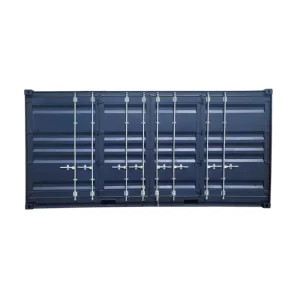
Yes. We specialize in comprehensive OEM/ODM container customization. Popular modifications for Kuwaiti industrial projects include full longitudinal side-opening doors, roller shutter doors, forced-air labyrinth ventilation louvers that prevent sand dust ingress, and internal heavy equipment mounting rails.
With manufacturing centers situated within 100 km of primary sea terminals in Tianjin and Suzhou, standard ISO dry container units from stock can be boarded on direct ocean liner services to Kuwait within 7–14 days. Custom OEM structural builds require approximately 3–4 weeks for engineering fabrication and class surveyor approvals prior to departure.