Blast Reefer Container Factories & Exporters for the Philippines Market

Precision -40°C Deep-Freezing Solutions, Heavy-Duty Thermal Engineering, and High-Humidity Anti-Corrosion Systems Tailored for the Philippine Inter-Island Archipelago & Global Cold Chains.

Send Inquiry Now

Featured Reefer & Cargo Intermodal Systems

Engineered to international ISO and Bureau Veritas criteria for seamless transit across Luzon, Visayas, Mindanao, and international maritime corridors.
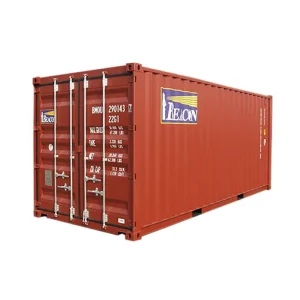
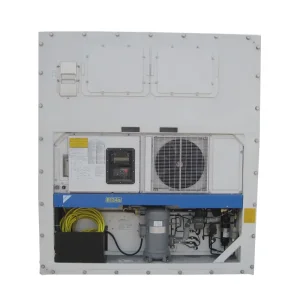
China The new blast reefer containers certified by classification societies Philippines deployment

Philippines Premium Blast Reefer Containers Certified by Major Classification Societies

View Specifications
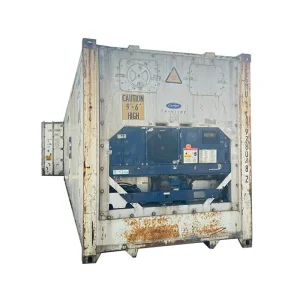
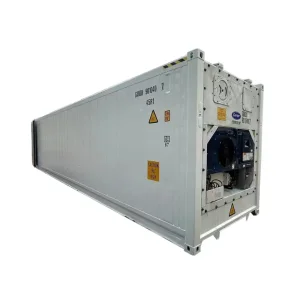
Ninety Percent New Used 40ft HC Carrier Refrigerated Container Philippines

90% New Heavy-Duty 40ft HC Carrier Unit Refrigerated Container for Philippines Port Logistics

View Specifications
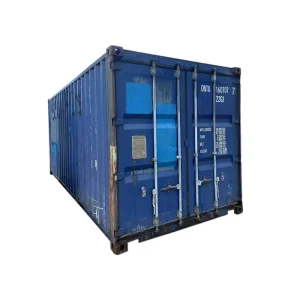
Buy 40ft New Certified Dry Shipping Container Philippines

CSC Certified 40ft High-Cube Dry Freight Shipping Container for Inter-Island Philippine Shipping

View Specifications
China 40ft Used Dry Cargo Shipping Container Philippines

Inspection-Grade 40ft Used Dry Cargo Marine Shipping Container for Philippine Commercial Warehousing

View Specifications

Industrial Dynamics: The Cold Chain Imperative in the Philippines

Strategic cold storage infrastructure meets geographic fragmentation across 7,641 islands.

Archipelagic Transport Vulnerabilities

The Philippines faces unique logistical bottlenecks where perishable food supplies, pharmaceutical distribution, and raw agricultural yields must traverse multi-modal routes involving Roll-on/Roll-off (Ro-Ro) vessels, congested maritime ports like Manila and Batangas, and unpaved arterial rural paths. Conventional cold storage trucks frequently suffer temperature breaks due to prolonged boarding queues and power interruptions. Heavy-duty blast reefer containers eliminate this liability by maintaining steady internal temperatures up to -40°C even during prolonged marine and yard transfers.

Export Yield Preservation: Tuna & Tropical Produce

In hubs like General Santos City (the Tuna Capital) and the banana/mango corridors of Davao and Northern Mindanao, freezing velocity determines commercial value. Rapid blast freezing protects the delicate cellular structure of yellowfin tuna steaks and export fruits, preventing large ice crystal formulation and severe drip-loss during defrosting. Factory-direct blast reefers allow primary processors to implement immediate IQF (Individual Quick Freezing) and blast refrigeration right at dockside or harvest facilities.

Extreme Tropical Climatic Demands

The Philippine climate combines severe relative humidity (often exceeding 85%), ambient dry-bulb temperatures above 38°C, and heavy salt-spray corrosion in coastal logistics yards. Standard commercial cold rooms suffer high thermal leakage and premature exterior shell decay. Our engineering utilizes high-grade Corten steel exterior wall panels, marine-grade anti-corrosive coating systems, food-grade 304/316 stainless-steel inner liners, and deep extruded T-floor profiles that guarantee seamless airflow.

-40°C
Deep Freeze Capability
< 3.5 Hrs
Core Temperature Drop
100% C5-M
Marine Anti-Corrosion
ISO / BV / CSC
Tier-1 Certification

Global Enterprise Procurement Requirements vs CIMIC Engineering

Bridging global industrial cold-chain protocols with regional manufacturing flexibility.

Dual-System Refrigeration Redundancy

Global procurement teams handling high-value biopharmaceuticals and premium export tuna demand zero single-point failure risks. Our custom blast reefer units can be outfitted with dual-circuit compressors and auxiliary generator backup interfaces. If a grid disruption hits a regional Philippine loading hub, the secondary unit auto-activates, averting critical thermal excursions.

IoT Telematics & Remote Atmospheric Logic

Every modern blast container built for our export clients comes integrated with satellite and 4G/5G enabled telematics. Shippers track internal temperatures, evaporator fan speeds, humidity percentages, power consumption, and door-opening cycles via a single centralized dashboard. Automated defrost cycles prevent ice blockage across coils without elevating internal cargo temperatures.

Aerodynamic Airflow with High CFM Circulation

Blast freezing demands up to three times the air velocity of a standard reefer. Our units utilize custom high-static-pressure evaporator fans and engineered ducting walls that drive air down deep into the floor extruded rails and force it evenly up through the pallets, eliminating localized hot spots across deep-tier high cube cargo layouts.

Technical Roadmap, Regional Certification & Compliance Safeguards

Rigorous regulatory adherence ensuring immediate operational clearance at Philippine Customs and port authorities.

CSC & Maritime Classification Approvals

Each unit dispatched to Cebu, Subic Bay, or Manila carries an authenticated CSC (Convention for Safe Containers) safety approval plate, verified under Bureau Veritas (BV), ABS, or CCS inspection. Wall insulation tests comply with ATP (Agreement on the International Carriage of Perishable Foodstuffs) standard heat transmission coefficient (K-value ≤ 0.4W/m²K).

Eco-Refrigerant & ESG Alignment

In accordance with the Montreal Protocol and the Kigali Amendment, our systems transition seamlessly away from phased-out fluorocarbons. We configure blast refrigeration units with R452A, R404A, and future-proof ultra-low GWP R513A or CO2 natural refrigerants, matching European environmental mandates and corporate ESG criteria for multinational food corporations.

Philippine Local Grid & Genset Compatibility

Local utility supplies across regional Philippine provinces often suffer from severe voltage sags (voltage fluctuation between 380V to 460V, 3-phase, 50/60Hz). Our electric power circuits are engineered with heavy-duty surge suppressors, phase-reversal protection switches, and wide-tolerance transformers compatible with clip-on diesel generator sets (gensets).

Global Sourcing Portfolio: Specialized, Dry & Cold Storage Containers

Comprehensive intermodal catalog ready for bulk procurement, OEM customization, and immediate global shipment.
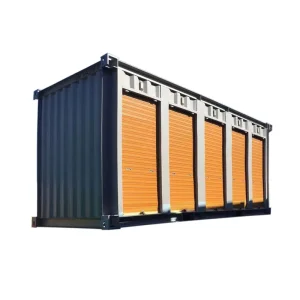
Famous New 20ft Storage Roll-Up Door Dry Cargo Container Philippines

New 20ft Storage Roll-Up Door Dry Cargo Container for Philippine Distribution Yards

View Specifications
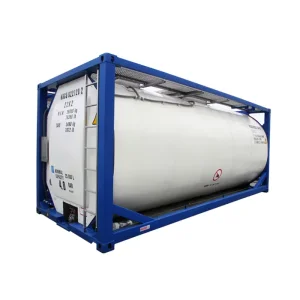
Buy ISO Standard 20ft Versatile Tank Container Transport Chemicals Philippines

ISO Standard 20ft Intermodal Tank Container for Chemicals & Philippine Liquid Commodities

View Specifications
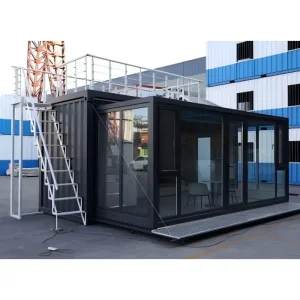
ODM 20ft Foldable Prefab Modular Homes Expandable Container House Philippines

ODM 20ft Foldable Prefab Modular Container Home with Complete Bathroom for Rapid Deployment

View Specifications
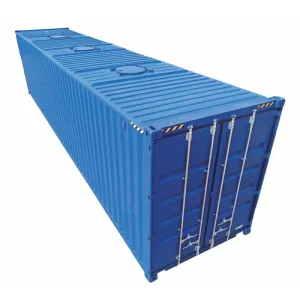
Buy 20 Feet Shipping Bulk Container Exporter Philippines

Certified 20 Feet Intermodal Bulk Cargo Shipping Container for Agri-Mineral Transit

View Specifications
Famous Used 40ft High-Cube Certified Reefer Container Philippines

Used 40ft High-Cube Certified Marine Reefer Container PTI-Tested for Philippine Fruit Exporters

View Specifications
ODM Refrigeration Equipment Cooling Unit For Refrigerated Containers Philippines

ODM Refrigeration Equipment & High-Efficiency Cooling Unit for Philippine Refrigerated Containers

View Specifications
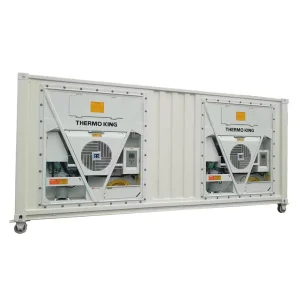
China New 10ft Certified Thermo King Freezer Container Philippines

New 10ft Compact Certified Thermo King Freezer Container for Philippine Urban Cold Stores

View Specifications
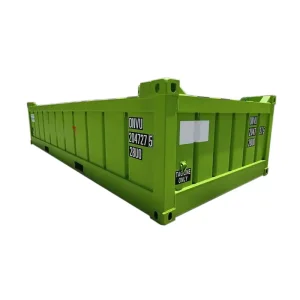
China New DNV Certification Offshore Half-Height Open Top Container Exporter

DNV 2.7-1 Certified Offshore Half-Height Open Top Container for Marine Platform Heavy Cargo

View Specifications

Technical & Procurement FAQ: Philippines Market

Authoritative answers regarding manufacturing, logistics lead times, local power compatibility, and custom engineering.

What separates an ultra-low blast reefer container from a standard marine refrigerated container?
A conventional marine reefer container is fundamentally engineered to sustain cargo temperature (typically maintaining pre-cooled freight between -20°C and +15°C). In contrast, an industrial blast reefer container is powered by heavy-duty multi-stage or scroll compressor configurations, higher BTU cooling capacity, and ultra-high static airflow fans. It actively extracts heat from ambient or warm biological tissue (such as fresh yellowfin tuna or harvested poultry), driving core internal temperatures down to -35°C or -40°C in hours. This stops rapid cellular breakdown and drip-loss.
How do your containers resist saltwater corrosion in coastal Philippine operations?
Our containers are constructed with high-tensile SPA-H Corten steel panels, renowned for their self-healing oxide layer properties. The structural frames are pre-treated through full centrifugal shot blasting, followed by a multi-coat C5-M certified marine epoxy and polyurethane system (minimum 180–220 microns dry film thickness). All interior paneling is built with SUS 304 or food-grade SUS 316 stainless steel with sealed rivet joints, ensuring total washdown capability without floor-wall delamination.
What are the typical lead times and maritime routes for delivery to major Philippine ports?
Shipments departing our primary manufacturing and staging yards near Tianjin and Shanghai reach Manila (South/North Harbor) within 6 to 9 sailing days. Direct feeder services to Batangas, Subic Bay, Cebu Port Center, General Santos, and Davao (Sasa Wharf) average 10 to 14 days depending on transshipment connections. Standard models maintain inventory for immediate release, while fully custom OEM blast units feature manufacturing lead times of 20 to 30 calendar days.
Can CIMIC blast reefer units run reliably on regional generator sets (Gensets)?
Yes. Our units are engineered for seamless pairing with standard 460V/380V 3-phase, 50/60Hz clip-on or underslung diesel gensets. Built-in soft starters mitigate severe start-up inrush current spikes, protecting both the compressor windings and the generator engine. We also supply custom dual-voltage transformers to adjust for fluctuating regional grids across island logistics networks.
What comprehensive quality checks and inspections (PTI) are performed prior to export?
Every refrigerated container undergoes a mandatory pre-trip inspection (PTI) before port clearance. This includes micro-leak helium and nitrogen pressure holding checks on refrigerant circuits, high-voltage insulation dielectric tests, continuous data-logging temperature pull-down cycles from +20°C to -40°C, and acoustic door perimeter sealing assessments to ensure zero air infiltration.

Accelerate Your Cold Chain Efficiency Across the Philippines

Consult with our container engineering specialists today to configure blast freezing units, custom dry cargo fleets, or offshore containers suited exactly to your project specifications and logistical requirements.

Send Inquiry Now