Direct manufacturer deployment covering standard dry freight, modular pod solutions, active deep-temperature refrigeration, heated bitumen tanks, and hazardous offshore baskets.

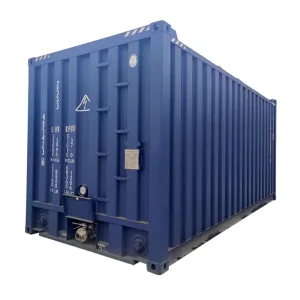
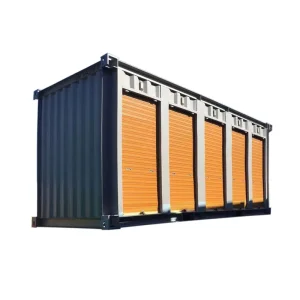
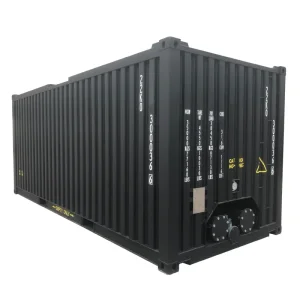
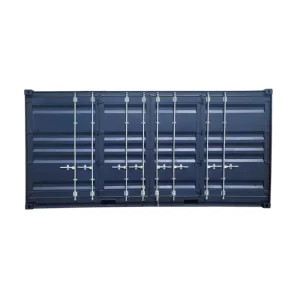
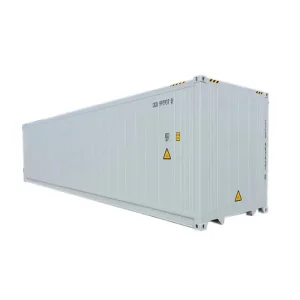
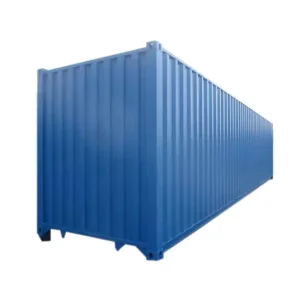
The standard ISO 20-foot shipping container (1 TEU) represents the foundational physical benchmark of global trade networks, combining exact volumetric payload limits with high yield-strength structural steel.
Modern premium ISO 20 containers are fabricated using atmospheric corrosion-resistant Corten steel (SPA-H or equivalent under ASTM A588 standards). This copper-chromium-nickel alloy formulation induces a dense, self-healing protective patina layer upon exposure to marine atmospheres, drastically inhibiting deep iron oxide penetration. For industrial operators, this metallurgical property translates to prolonged service lives exceeding 15 to 20 years under brutal C5-M marine exposure conditions.
Every structural profile—including 4.0mm to 4.5mm thick high-tensile cold-rolled steel corner posts, 2.0mm corrugated side and end panels, and 1.6mm die-stamped roof sheets—is specifically mapped to withstand extreme dynamic acceleration loads encountered during intermodal cellular ship stacking, unit rail car shunting, and rough chassis haulage.
While the standard 40ft container dominates high-cube, low-density retail cargo shipments, the ISO 20 container remains the undisputed vehicle for dense commodities, industrial base materials, heavy equipment components, and concentrated liquids. Operating at a maximum gross weight (MGW) rating of 30,480 kg (67,200 lbs) or uprated 32,500 kg capacities, the tare weight of a certified 20ft dry unit averages merely 2,180 kg to 2,300 kg, maximizing net commercial payload.
The mathematical equilibrium between internal volume (approximately 33.1 to 33.2 cubic meters) and road weight bridge restrictions across European (40/44 metric ton gross combinations) and North American (80,000 lbs Federal Bridge Gross Weight Formula) transit networks ensures that the 20-foot profile achieves minimal empty-space losses when transporting minerals, grain, base chemicals, heavy machinery, or specialized cold-chain goods.
Analyzing global freight lane redistribution, multi-modal dry ports, regional fleet modernization, and the specialized container fabrication hubs centered around North China.
The acceleration of rail infrastructure along the New Silk Road corridors and the expansion of deep-water berths across Rotterdam, Hamburg, Tianjin, Shanghai, and Long Beach have generated increased demand for balanced 20-foot logistics assets. Because rail flatcars in Eastern Europe and Central Asia operate with specific load distribution tolerances, pairs of 20ft containers balance wheel weights far more effectively than individual heavily loaded 40ft units. This architectural reality prevents rail axle overloading while enabling multi-client mixed-commodity consolidation.
Northern China, anchored around the maritime logistics gateway of Tianjin FTA and Bohai Rim industrial clusters, produces over 85% of specialized, offshore, and heavy-payload container derivatives worldwide. With direct proximity to Tier-1 heavy plate steel mills, robotic laser fabrication facilities, and automated shot-blasting priming lines, facilities located within 100 kilometers of deep-water container terminals maintain drastic cost-efficiency and delivery agility over fragmented international yards.
Fleet managers face escalating regulatory pressure under IMO 2030/2050 decarbonization mandates, corporate ESG auditing, and the EU Carbon Border Adjustment Mechanism (CBAM). As a result, manufacturing processes have transitioned toward low-VOC waterborne zinc-rich paints and fully recyclable floor linings. Furthermore, end-of-life secondary market repurposing of ISO 20 containers into modular data banks, battery energy storage systems (BESS), and off-grid pods significantly reduces cradle-to-grave carbon footprints.
Rigorous customization frameworks covering offshore exploration platforms, mission-critical active cold chains, hazardous liquid energy logistics, and modular rapid-deployment habitats.
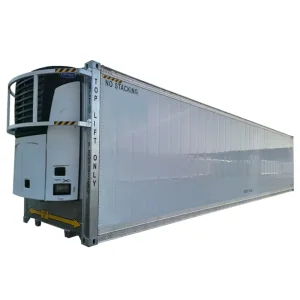
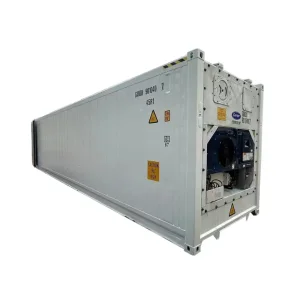
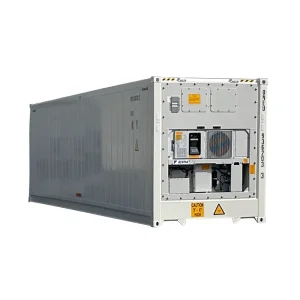
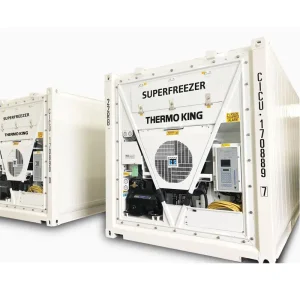
Controlled-atmosphere cold-chain operations require active ISO 20 and 40-foot reefer containers engineered to preserve pharmaceutical APIs, biologics, premium seafood, and horticultural exports at precise set-points from -35°C up to +30°C. Integrating renowned refrigeration machinery from Daikin, Carrier (such as the high-efficiency X4-7300 or ThinLINE series), and Thermo King (Magnum Plus), these units deploy high-density, CFC-free microcellular polyurethane foam injected between high-grade stainless steel (SUS304) internal linings and outer aluminum or Corten panels.
T-bar profile flooring circulates cold air continuously beneath palletized freight, ensuring zero thermal stratification or hot spots. Equipped with digital microprocessors, continuous datalogging, and optional diesel genset integration (such as the TK SLXI system), these units operate autonomously across intercontinental rail and remote highway transits where shore power is unavailable.
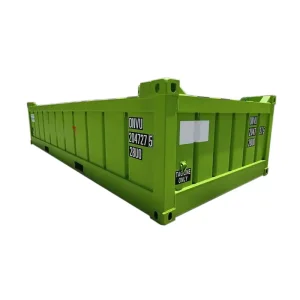
Deployments in dynamic offshore marine environments—such as deep-sea exploration vessels, floating production storage and offloading (FPSO) units, and remote oil rigs—preclude the use of standard ISO dry boxes. The severe wave accelerations, snatch loads from offshore cranes, and impact risks in rough sea states dictate full design adherence to DNV GL ST-E271 (DNV 2.7-1) and BS EN 12079.
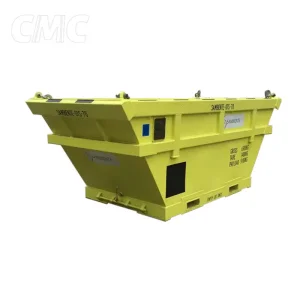
Offshore containers, cutting boxes, and silt baskets are manufactured utilizing normalized micro-alloyed fine-grain steel designed with Charpy V-notch impact toughness tested down to -20°C or -40°C. Lifting eyes, pad eyes, and certified four-leg wire rope slings with master links undergo exhaustive non-destructive testing (NDT), magnetic particle inspection (MPI), and proof-load testing to several multiples of their operational working load limit (WLL).
| Container Classification | Primary Material Standard | Tare Weight (Avg) | Max Gross Mass (MGW) | Primary Regulatory Certifications | Target Operational Lifecycle |
|---|---|---|---|---|---|
| 20ft Standard Dry Cargo (ISO 668) | Corten-A (SPA-H) Structural Steel | 2,200 kg | 30,480 kg – 32,500 kg | CSC, ISO 1496/1, BV, ABS, CCS | 15 – 25 Years |
| 20ft Active Reefer (Daikin / Carrier) | SUS304 Inner / Corten Outer / PU Foam | 2,950 kg | 30,480 kg | ISO 1496/2, ATP Treaty, CE, BV | 12 – 18 Years |
| 20ft Offshore Dry Cargo / Silt Basket | High Toughness Structural Steel (-20°C/-40°C) | 3,100 kg – 4,200 kg | 10,000 kg – 16,000 kg | DNV 2.7-1, EN 12079, IMO MSC/Circ.860 | 10 – 15 Years Rigorous Sea |
| 20ft Heated Liquid / Bitumen Tank | Q345R / 316L Stainless Steel Core | 3,850 kg | 36,000 kg | IMDG, ASME Section VIII, ADR/RID | 20 Years Controlled |
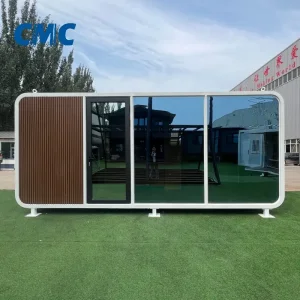
| 20ft Modular Prefab Pod / Apple Cabin | Galvanized Cold-Formed Steel Framing | 2,800 kg – 3,500 kg | N/A (Static Architecture) | ISO 9001, CE Electrical, Local Building Codes | 25+ Years Stationary |
Evaluating the convergence of autonomous IoT telematics, cryogenic hydrogen carriage, advanced composite metallurgy, and automated life-cycle diagnostic networks.
Traditional passive containers are rapidly transitioning into intelligent edge nodes. Utilizing solar-harvesting satellite and 5G cellular communication modules, next-generation ISO 20 units provide real-time GPS coordinates, internal humidity, multi-axis accelerometer shock monitoring, and digital door-seal tampering verification. In reefer units, automated pre-trip inspections (PTI) and remote set-point adjustment mitigate temperature excursion liabilities during ocean voyages without human intervention.
R&D efforts are aggressively tackling tare weight through continuous carbon-fiber reinforcement, aluminum-scandium alloys, and micro-sandwich panels. By shedding between 400 kg and 600 kg of empty box weight while matching standard Corten yield strengths, multi-modal carriers maximize commercial cargo payloads while decreasing fuel consumption across road transport chassis legs, contributing directly to Scope 3 emissions reduction targets.
The global transition to hydrogen energy and carbon capture, utilization, and storage (CCUS) necessitates a new family of high-integrity ISO tank containers. Engineered with double-walled multi-layer vacuum super-insulation (MLI) and inner vessels fabricated from 304L/316L stainless steel, these specialized 20-foot systems are built to safely transport cryogenic fluids down to -253°C or high-pressure liquid CO2 over long-haul multimodal maritime routes without boil-off gas venting.
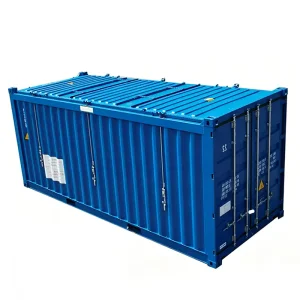
Complete secondary deployment line including mobile refrigeration units, premium used and certified reefer units, insulated containers, offshore half-height carriers, and hard open-top configurations.
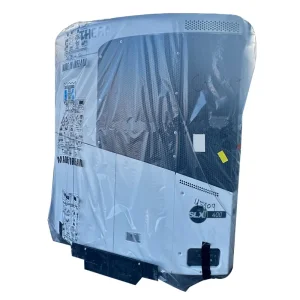
Expert technical resolutions regarding dimensional standards, metallurgical grades, reefer machinery selection, structural stacking ratings, and factory customization parameters.
