
Cryogenic T75
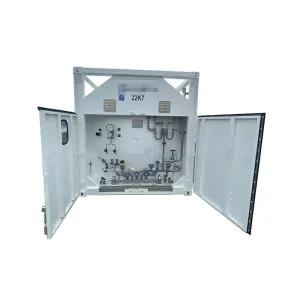
Inspect available pre-owned and factory-certified specialized intermodal solutions configured for heavy duty, hazardous liquid, and temperature-controlled operations across Arzew, Skikda, and Hassi Messaoud.
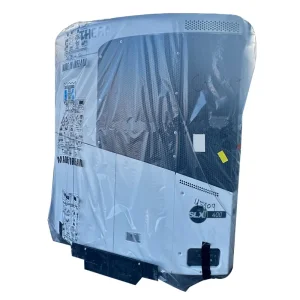
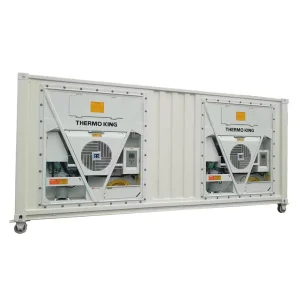
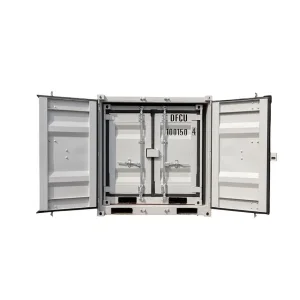
As the Democratic and Popular Republic of Algeria accelerates upstream hydrocarbon extraction, modernizes refining assets, and diversifies into mining and green energy corridors, bulk liquid packaging has undergone a permanent technological paradigm shift.
The vast basins of Hassi Messaoud, Rhourde Nouss, and Berkine demand immense quantities of oilfield chemicals, corrosion inhibitors, mud lubricants, and fracturing fluids. Drum and IBC disposal presents acute environmental hazards and severe logistic dead-weight in the Grand Erg Oriental. Used ISO tank containers provide closed-loop, robust intermodal containment that withstands unpaved washboard desert tracks (Pistes) without catastrophic seal failures.
Petrochemical refining clusters along the Mediterranean coast at Skikda and Arzew require dedicated intermodal logistics for hazardous aromatics, benzene, caustic wash, and specialty catalysts. Refurbished T11 and T14 ISO tanks provide a flexible bulk buffer storage solution, circumventing the massive capital expenditure required for fixed field tank-farm expansions while complying strictly with Algerian Ministry of Energy industrial safety decrees.
With massive national infrastructure investments in the Gara Djebilet iron ore deposit and the Oued Amizour zinc/lead exploitation, bulk reagent delivery (such as technical-grade sulfuric acid and sodium cyanide solutions) has scaled exponentially. Concurrently, hyper-arid exploration camps depend on certified stainless-steel ISO water tank containers for bulk potable water transport, where plastic cisterns fail rapidly under Saharan UV degradation.
Procuring new containerized liquid assets involves intense capital lock-in, global manufacturing lead times averaging 16 to 24 weeks, and high exposure to international stainless steel surcharges. For Algerian state-owned entities, private transport fleets, and international EPC consortiums, recertified used tank containers represent the apex of economic rationalization.
A brand-new 20ft T11 stainless-steel ISO tank container generally carries a CIF Port of Algiers/Oran price point between $26,000 and $32,000 USD, depending on nickel and molybdenum alloy indexes. In contrast, an ITCO-standard fully refurbished, hydro-tested, and BV/LR re-inspected used tank container of equivalent shell integrity is supplied at a 45% to 60% procurement discount.
Because the mechanical shell of an austenitic 316L stainless steel tank possesses a theoretical structural fatigue life exceeding 30 years under normal non-corrosive chemical carriage, purchasing structurally sound, professionally repassivated used tanks allows logistics operators in Bejaia, Skikda, and Djendjen to expand their fleet carrying capacity by over 100% within the exact same CAPEX envelope.
China manufactures over 85% of the world's intermodal shipping and tank container inventory. Our facilities near the Port of Tianjin capitalize on unprecedented metallurgical supply chains, automated plasma welding, robotic pickle-passivation baths, and direct proximity to global maritime shipping routes connecting directly to North Africa.
Every pre-owned tank shell enters our acoustic resonance and multi-point ultrasonic thickness testing (UTM) cell. Ultrasonic transducers calculate residual wall thickness at 64 distinct grid points across the barrel, head dished ends, and sump collars to guarantee no localized pitting or erosion has compromised design burst thresholds beneath ASME Section VIII and EN 14025 tolerances.
Prior to resale into the Algerian market, chemical residue neutralization is executed using biodegradable alkaline wash systems followed by full mechanical electro-polishing down to 0.4 μm Ra roughness. The internal vessel is subjected to nitric-hydrofluoric acid pickling passivation, reforming the chromium-oxide protective passive layer essential to prevent pitting corrosion under Saharan high-sulfur or saline carriage.
We do not dispatch a single tank container without an updated CSC safety approval plate and a fresh 2.5-year intermediate or 5-year periodic hydrostatic test certificate issued by internationally recognized third-party classification societies (Bureau Veritas, Lloyd's Register, or CCS). This paperwork ensures zero administrative bottlenecks at Algerian Douanes (Customs) terminals.
Corten steel structural frames are checked for diagonal deflection, twist-lock dimensional tolerance (ISO 668), corner post impact fatigue, and recoded to withstand stacked loadings up to 9-high container stacks (192,000 kg).
Foot valves, secondary butterfly valves, top air-inlet ball valves, and spring-loaded pressure relief valves (Fort Vale or Perolo) are completely disassembled, ultrasonically cleaned, fitted with new virgin PTFE seals, and bench-tested.
Vessels are flooded with treated demineralized water and pressurized up to 1.5 times the maximum allowable working pressure (MAWP) for 30 minutes, monitored with calibrated digital pressure logs to confirm zero pressure drop or elastic yield.
50mm rockwool or polyurethane insulation envelopes are inspected for moisture ingress. Outer marine-grade GRP or corrugated aluminum/stainless steel cladding sheets are resealed to prevent thermal bridges under extreme North African sunlight.
Selecting the precise UN portable tank designation is critical for ADR-compliant cross-desert haulage and maritime transit via Algiers, Skikda, and Oran. Review the engineering boundaries below.
| ISO Tank Classification | Shell Material & Lining | Nominal Capacity | Working / Test Pressure | Primary Algerian Application Sectors | Heating / Thermal Specs |
|---|---|---|---|---|---|
| UN Portable T11 (General Hazardous Liquid) |
Stainless Steel 316L / 304 Wall: 4.0mm to 4.8mm |
21,000L – 26,000L | MAWP: 4.0 Bar Test: 6.0 Bar |
Base oils, refined lubricants, solvents, drilling mud additives, detergents, food-grade olive oil (Mitidja). | 6-8 Run Steam Heating Ducts; Optional Electrical Trace Heating; 50mm Mineral Wool Insulation |
| UN Portable T14 (High Hazard Corrosives) |
Carbon Steel / 316L Internal PFA / PTFE / Rubber Lining |
14,000L – 21,000L | MAWP: 4.0 Bar Test: 6.0 Bar |
Hydrochloric Acid (HCl), Sulfuric Acid (H2SO4) for mining extraction, Sonatrach well acidizing chemicals. | Top discharge configuration only; Specialized thermal lining insulation; Bursting discs + Manometer |
| UN Portable T50 (Liquefied Gas Under Pressure) |
Fine-grain High Tensile Steel Normalized (SA-612 / Q370R) |
22,000L – 24,500L | MAWP: 15.0 – 22.0 Bar Test: 26.0 – 33.0 Bar |
LPG (Propane/Butane mixtures), Anhydrous Ammonia for agricultural fertilizer synthesis, Refrigerant blends. | Sun-shield protection canopy; Internal baffles for liquid surge control; No direct thermal heating |
| UN Portable T75 (Cryogenic Liquefied Gas) |
Inner: Austenitic SS 304/316 Outer: Carbon Steel Vacuum Casing |
20,000L – 22,500L | MAWP: 8.0 – 16.0 Bar Test: 12.0 – 24.0 Bar |
LNG (Liquefied Natural Gas), Liquid Nitrogen (LIN) for pipeline purging, Liquid Oxygen (LOX) for Sonatrach fields. | High-vacuum multi-layer super insulation (MLI); Holding Time: Up to 90 Days under 50°C ambient |
Operating liquid transport equipment in Algeria means confronting thermal swings spanning 50°C summer highs to sub-zero desert nights, abrasive particulate sandstorms (Sirocco), and protracted transit along the Trans-Sahara Highway (RN1).
Navigating the supply arteries connecting base camps like Hassi Messaoud, In Salah, and In Amenas requires reinforced tank container corner castings, structural frame gusset strengthening, and heavy-duty mechanical spring-loaded relief valves capable of repelling fine silty sand ingress that routinely clogs standard commercial breather vents.
Direct integration into roll-on/roll-off (RoRo) and container liner vessels serving southern European ports (Marseille, Valencia, Genoa). Used T11 tanks operate as intermodal bridges, eliminating costly double-handling and transloading at port terminals, while preserving full compliance with the International Maritime Dangerous Goods (IMDG) Code.
Algeria's expanding food processing sector requires strict segregation between chemical-grade and food-grade equipment. Our dedicated inventory includes pristine, passivated used tank containers previously dedicated exclusively to food-grade cargo (vegetable oils, fruit purees, liquid sugar), fully certified under ISO 22000 and FDA cleanliness standards.
The modernization of Algerian logistics infrastructure centers on visibility, cargo integrity verification, and asset security across vast desert distances where cellular connectivity can be intermittent.
Pre-owned tank containers supplied to high-tier Algerian projects can be retrofitted with intrinsically safe, ATEX Zone 1 rated GPS/Satellite telematics modules. These battery-free, solar-harvesting sensors provide real-time location tracking across blind Sahara regions, transmitting cargo temperature, internal ullage pressure, and shock alerts directly to dispatch headquarters in Algiers or Hassi Messaoud.
As Algeria implements its domestic clean-gas strategy, connecting remote desert towns and industrial mining sites unreached by the Sonatrach pipeline network, T75 ISO tank containers serve as mobile virtual pipelines. Transported on standard heavy-duty skeletal semi-trailers, these units allow rapid regasification on-site without billions of dinars invested in steel pipeline trenching.
Anticipating the Southern Hydrogen Corridor (SoutH2 Corridor) connecting Algeria with Europe via Italy, research into containerized green hydrogen transport is accelerating. High-pressure tube containers and cryogenic storage containers refurbished to ultra-high vacuum cleanliness provide early prototyping capabilities for academic and governmental energy pilot programs.
Importing pressure equipment and specialized used container units into Algeria requires flawless documentation to comply with the Algerian National Quality Control and Fraud Prevention Agency (CACQE) and Port Authority border regulations.
Every tank container exported from our Tianjin facility is accompanied by an unbroken chain of custody and inspection documents: original manufacturer data plate (ASME or equivalent), past cargo history logs confirming non-nuclear / non-toxic contaminant service, and a certified classification survey certificate (BV or LR) verifying the 2.5-year and 5-year periodic hydrostatic test.
The stainless-steel CSC data plate mounted on the rear frame must explicitly stamp the updated re-inspection dates, maximum gross mass, allowable stacking weight, and transverse racking test values. Missing, illegible, or modified plates result in immediate container impoundment at Algerian maritime ports.
Algerian banking regulations (under Banque d'Algérie directives) strictly require an official Certificat de Contrôle de Qualité des Marchandises to initiate documentary credit (Crédit Documentaire / L/C). Our international shipping division collaborates directly with accredited pre-shipment inspectors (SGS, Bureau Veritas, Intertek) to ensure rapid clearance.
Shipments departing Tianjin Xingang or Shanghai connect directly via Mediterranean feeder transshipment hubs (Algeciras, Valencia, Malta) with final port calls at Port of Algiers, Oran, Skikda, and Bejaia. We supply specialized single-trip cargo positioning or direct shipper-owned container (SOC) shipping slots.
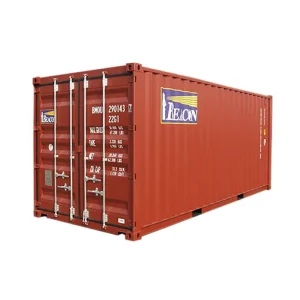
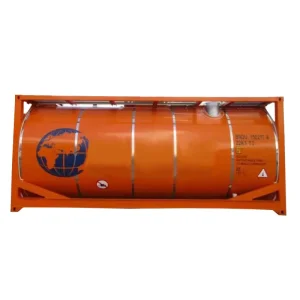
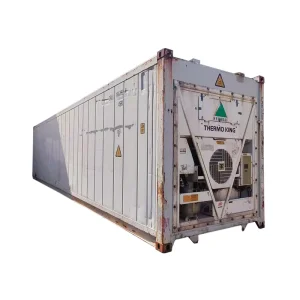
Browse our extensive lineup of heavy-duty, offshore-rated, mining bulk, refrigerated, and dry shipping containers available for Algerian industrial, extraction, and logistics tenders.

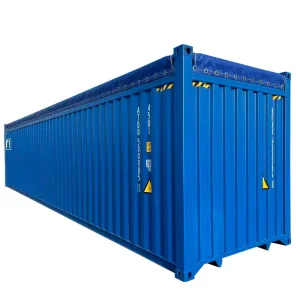
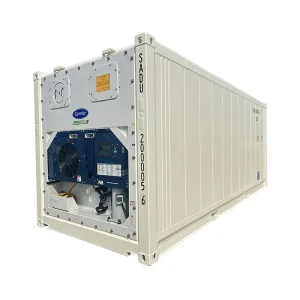
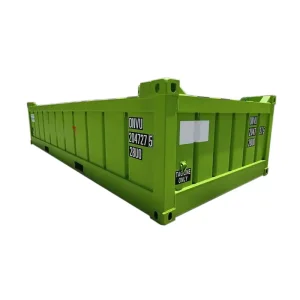
Clear, engineering-led guidance addressing customs clearance, certifications, transit timelines, and Saharan maintenance protocols.
Every unit is supplied with an official CSC safety certificate, third-party classification periodic inspection test report (Bureau Veritas, Lloyd's Register, or CCS) indicating both hydrostatic shell pressure and air tightness results, initial manufacturer clean passport (previous cargo non-contamination record), and a technical drawing layout for local Algerian registration.
From our factory staging depots near Tianjin Port or Shanghai Port, direct containerized or bulk vessel transit to primary Algerian ports (Port of Algiers, Oran, Skikda, and Bejaia) generally takes between 28 and 38 days. Custom modifications, specialized internal valve re-trimming, or sandblast repainting add 7 to 10 days before departure.
Yes. Sonatrach and joint-venture operators (such as Anadarko, Eni, and Cepsa in the Berkine Basin) adhere strictly to ITCO and IMDG guidelines. Our certified used tanks are re-gauged and re-inspected to verify they retain original structural shell integrity, full 316L passivation, and pressure-relief safety margins equivalent to newly manufactured units.
In the Algerian Sahara, surface ambient temperatures often exceed 50°C, causing significant liquid product expansion and vapor pressure accumulation. We calibrate spring-loaded pressure relief settings strictly in accordance with portable tank instructions (T-Codes) and install external solar reflective covers over valves to prevent premature venting of volatile products.
Steam heating jackets (comprising 6 to 8 longitudinal stainless-steel runs beneath the cladding) are ideal when offloading heavy viscous products (such as bitumens or crude fractions) at fixed refinery terminals equipped with industrial steam boilers. Electrical heating systems (trace heating) provide autonomous, thermostatically controlled heating during truck transport or remote sites lacking auxiliary steam.
We operate routinely under Algerian Central Bank import protocols, accepting confirmed Irrevocable Letters of Credit (L/C at sight) opened through tier-one Algerian banks (such as BEA, BNA, or CPA). We provide full pre-export inspection assistance to fulfill all Banque d'Algérie commercial validation parameters.
Request an immediate engineering consultation and transparent CIF Algiers / Skikda / Oran quotation. Our engineering team assists with full specification matching, technical drawings, and customs inspection preparation.