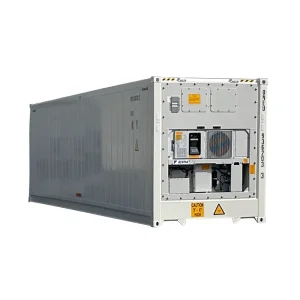
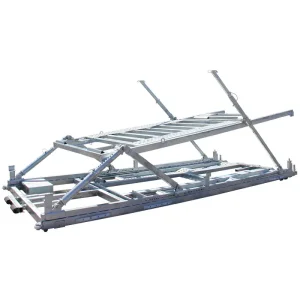
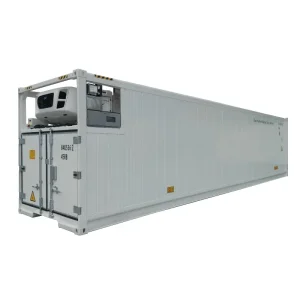
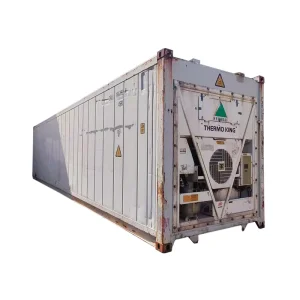
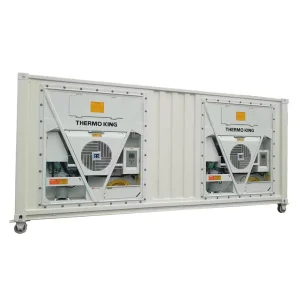
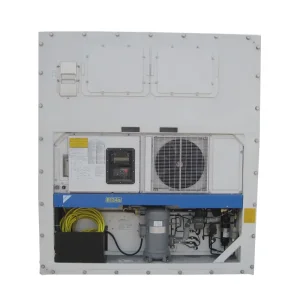
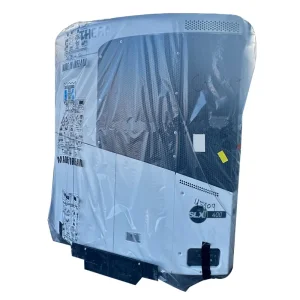
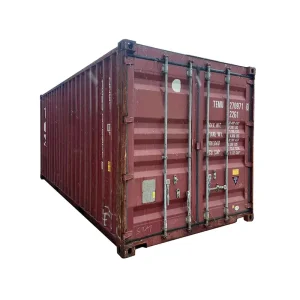
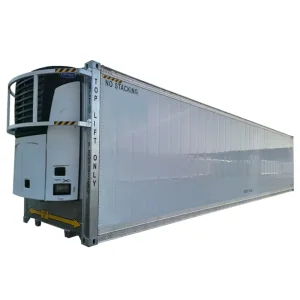
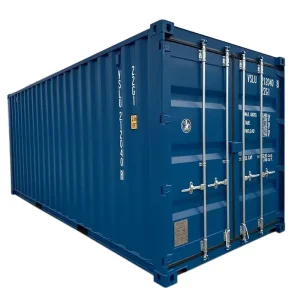
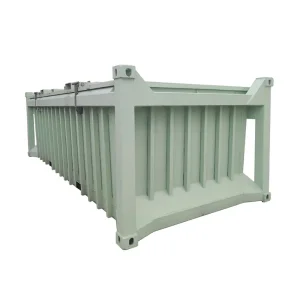
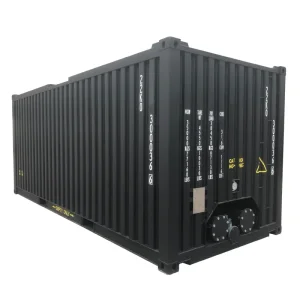
Factory-calibrated refrigerated storage units, intermodal flatracks, and heavy-duty logistics systems engineered according to strict ISO, BV, and CSC safety protocols.
Analyzing the systemic manufacturing moats, localized steel metallurgy, and robotic assembly technologies powering modern containerized structures.
The global construction and logistics sectors have reached a transformative paradigm shift: the convergence of industrial shipping container structural strength with architectural off-site prefabrication. In this evolving domain, buying directly from Chinese manufacturing facilities is no longer merely a cost-arbitrage decision—it is a strategic engineering necessity. China currently produces more than 90% of the world's ISO shipping containers and modular steel units. This undisputed dominance is anchored in unmatched metallurgical ecosystems, automated precision robotic welding lines, and deeply integrated regional supply networks centered around maritime heavyweights like Tianjin and the Yangtze River Delta corridor.
At the center of this industrial powerhouse is CIMIC Group (Tianjin Cimic Imp&Exp Co., Ltd.). Founded in 1983, CIMIC provides four decades of documented technical manufacturing leadership. Our dedicated fabrication yards in Tianjin and Suzhou are located within 100 kilometers of the world's premier deep-water container terminals. This geographical synergy eliminates inland freight bottlenecks, provides instant roll-on/roll-off capability, and accelerates export customs processing to major international markets spanning Africa, Europe, North America, Oceania, and Latin America.
Direct supply contracts with domestic primary mills provide uninterrupted access to certified Corten-A steel coil, structural H-beams, and laser-profiled corrugated panels at highly competitive baseline raw material costs.
Continuous-seam multi-axis welding robots eliminate human joint variance. Every structural corner casting, sill beam, and cross-member undergoes strict ultrasonic and magnetic-particle non-destructive testing (NDT).
Every modular unit, reefer shell, and customized accommodation box is produced under certified Bureau Veritas (BV) and ISO quality assurance programs with individualized manufacturing logbooks.
Located ~100 km from Tianjin seaport, units can be staged, CSC plated, loaded with project cargo (SOC - Shipper Owned Container status), and dispatched on regular liner services without inland consolidation delays.
From basic ISO conversion to high-performance Net-Zero buildings, smart BMS integration, and circular architecture.
Eliminating historical thermal bridging issues using polyisocyanurate (PIR) cores, continuous exterior rockwool sheathing, and vacuum insulation panels (VIP). Modern container homes routinely achieve passive house U-values below 0.18 W/m²K, accommodating extreme sub-arctic and desert conditions.
Designing for Manufacture and Assembly (DFMA) enables 90% of interior MEP (mechanical, electrical, plumbing), cabinetry, high-end sanitary modules, and glazing systems to be pre-installed on the assembly floor. Site assembly requires only base tie-downs and plug-and-play utility connections.
Factory-integrated micro-BMS architecture allows centralized monitoring of internal air quality (IAQ), HVAC output, automated humidity balancing, and smart digital locking networks. Highly desired by institutional student housing, glamping hotels, and worker camp operators.
Versatile structural platforms tailored for remote industrial extraction camps, eco-resort hospitality, humanitarian relief, and grid infrastructure.
Turnkey, rugged modular villages engineered for harsh environmental operational zones. Incorporates self-contained sanitary blocks, heavy insulation, acoustic dampening between units, mess halls, and central clinics built to Eurocode 3 and Australian Cyclone Zone D parameters.
Architectural "Apple Capsule" designs and high-cube panoramic glass container suites. Rapidly deployed on national park concessions or coastal lands without heavy foundation disruption, providing high return-on-investment for boutique hospitality developments.
Flat-pack foldable and ISO-dimensioned rapid medical deployment modules. Fully sterile surfaces, negative pressure HVAC integration, and autonomous power hookups deployable to disaster areas within 48 hours via standard multimodal freight networks.
Reinforced ISO containers adapted to house high-density lithium-ion battery storage (BESS) and high-performance compute clusters. Equipped with integrated structural fire barriers, Novec 1230 gas fire suppression, and redundant precision industrial HVAC cooling units.
Navigating cross-border regulatory frameworks, structural testing, and classification society certifications.
Enterprise procurement directors face multifaceted regulatory landscapes when buying container houses and customized industrial shells from China. CIMIC eliminates cross-border engineering risks by guaranteeing compliance with international statutory bodies prior to dispatch.
Any modified or factory-built container transported via international container shipping vessels must adhere to the International Convention for Safe Containers (CSC 1972). At our factory, each container undergoes racking tests (transverse loads up to 150 kN), floor strength tests, and vertical stacking load tests up to 192,000 kg (allowing stacking up to 9-high fully loaded). A certified stainless steel CSC plate is permanently affixed, ensuring maritime acceptance without port authority refusal.
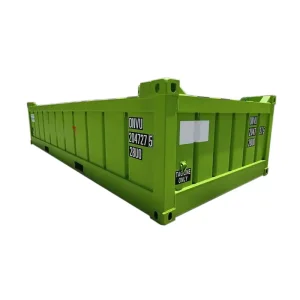
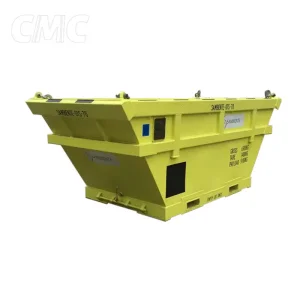
For maritime, energy, and open-ocean installations, conventional dry containers are structurally insufficient. CIMIC's specialized offshore line is manufactured in strict compliance with DNV 2.7-1 / BS EN 12079 standards. These units feature certified offshore lifting slings, pad-eyes welded directly to primary corner posts, Charpy V-notch impact-tested structural steel for sub-zero marine environments (-20°C to -40°C), and non-destructive weld certification.
CIMIC operates dedicated manufacturing lines customized for target market building codes:
Addressing long-tail procurement considerations, shipping configurations, thermal isolation, and customization capabilities.
Converted containers utilize decommissioned or single-trip ISO shipping boxes where openings for doors and windows are cut into the corrugated steel, requiring supplemental structural steel lintels and post reinforcement to restore shear strength. Purpose-built modular container houses are engineered from the ground up: primary structural posts, corner castings, and header beams are fabricated to exact architectural specifications, allowing larger open floor plans, integrated wall insulation cavity spaces, and pre-welded sub-frames without compromising ISO intermodal shipping integrity.
Condensation occurs when warm interior air reaches the dew point against an uninsulated, cold steel container shell. CIMIC eliminates this by applying closed-cell polyurethane spray foam (SPF) directly onto the corrugated interior steel skin, creating an airtight, uninterrupted vapor barrier. Alternatively, we utilize continuous exterior insulation boards (EIFS) combined with thermal break spacers between structural steel framing studs and interior drywall/cladding, ensuring zero interstitial condensation and preventing rust development.
For custom turnkey modular accommodation units, we design them to standard ISO exterior dimensions (20ft, 40ft, 40ft HC) with CSC certifications so they travel as standard dry cargo containers—drastically cheaper than breakbulk or Out-of-Gauge (OOG) cargo. For large-scale camp projects, we supply precision flat-pack systems: 4 interconnected flat-pack units stack into a single 20ft ISO container dimension, delivering an immediate 75% ocean freight saving compared to shipping pre-assembled empty boxes.
Every commercial order leaves CIMIC facilities accompanied by an exhaustive technical handover package. This includes raw material mill test certificates (MTC) proving Corten steel chemistry, weld radiographic or ultrasonic inspection reports, dry film thickness (DFT) paint reports, water deluge ingress test verification certificates, valid CSC safety approval plates, and, for offshore units, third-party DNV 2.7-1 / BV compliance certificates.
When fabricated with SPA-H Corten steel and coated using multi-coat marine-grade epoxy primer and polyurethane topcoats (total DFT > 120-150 microns), the external structural life expectancy exceeds 35 to 50 years. For offshore, mining, and extreme chemical environments, hot-dip galvanization or specialized zinc silicate primer systems are utilized, ensuring maximum corrosion protection with minimal lifecycle maintenance.
Yes. OEM and ODM modular engineering represents over half of our manufacturing capacity. Our in-house CAD/BIM engineering team collaborates directly with your architectural staff. We produce full structural engineering shop drawings, thermal calculations, and MEP diagrams. We accommodate private labelling, client-specified paint schemes (RAL colors), custom laser cut exterior architectural cladding, and region-specific window and door cutouts.
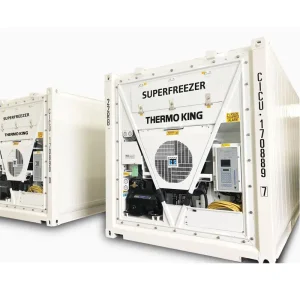
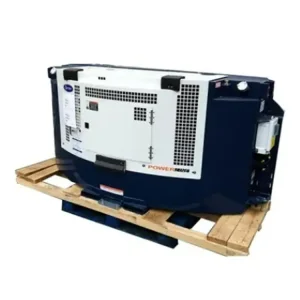
Specialized DNV offshore transport units, double-door dry cargo containers, mobile generator sets, and bitumen containers.
Partner directly with CIMIC Group's engineering headquarters in Tianjin. Whether procuring modular residential units, bulk ISO dry shipping boxes, or bespoke DNV offshore cold chain equipment, our bilingual structural engineering team delivers certified design validation within 24 business hours.