Precision-manufactured across Tianjin and regional coastal fabrication facilities under strict Bureau Veritas, CSC, and ISO verification.
Analyzing structural trade routes, fleet replenishment cycles, supply chain resiliency, and international regulatory shifts shaping marine cargo logistics.
International shipping alliances and container leasing conglomerates (such as Triton, Textainer, and Florens) maintain stringent capital replacement cycles. The global intermodal container inventory exceeds 50 million TEU, requiring persistent annual injections of high-tensile SPA-H Corten steel units to phase out corroded, fatigue-compromised legacy dry vans.
The international cold chain sector continues to post compound annual growth rates (CAGR) above 7.8%, driven by perishable cross-border agro-logistics, active pharmaceutical ingredient (API) shipments, and specialized deep-frozen seafood trades. This demands microprocessor-governed refrigeration units capable of pinpoint stability within ±0.25°C.
Harsh marine environments, including North Sea drilling platforms and deep-water FPSO projects in West Africa and Latin America, mandate containers certified under DNV 2.7-1 / EN 12079. Dynamic lifting integrity, structural pad-eye load tolerances, and extreme low-temperature impact resilience (-20°C to -40°C) dictate specialized custom engineering.
A synthesis of vertically integrated metallurgical supply lines, automated robotic welding cells, and unrivaled coastal logistics throughput.
Direct vertical access to domestic specialized steel mills producing high-grade SPA-H atmospheric corrosion-resistant Corten steel ensures complete traceability, reduced raw material lead times, and predictable structural rigidity across extreme marine exposures.
Continuous roll-forming lines, 6-axis robotic GMAW welding cells, automated zinc-rich primer electrostatic spray cabins, and laser profile cutting guarantee sub-millimeter dimensional tolerances conforming strictly to ISO 668 and ISO 1496 series.
Every export lot undergoes comprehensive factory-floor witness testing by Bureau Veritas (BV), ABS, Lloyd's Register (LR), or China Classification Society (CCS), including 9-high container stacking tests, transverse racking, floor deflection, and weatherproof water-deluge assessments.
Located proximate to Tianjin Port, Qingdao, and Shanghai maritime clusters, units move rapidly from the final assembly buffer directly into port gate-in marshaling yards, reducing overland transit risks, demurrage penalties, and container positioning overhead.
Comprehensive metallurgical, dimensional, and payload reference parameters across standard freight, thermal-controlled, and offshore units.
| Equipment Category | Structural Metallurgy | Nominal Dimensions (L × W × H) | Max Gross Mass (MGM) | Core International Certification | Primary Commercial Use Cases |
|---|---|---|---|---|---|
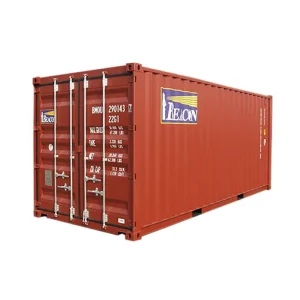
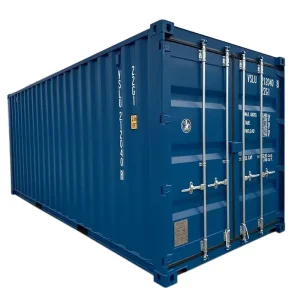
| 20ft Standard Dry Cargo (GP) | SPA-H Corten Steel (1.6mm - 2.0mm corrugation) | 6,058 × 2,438 × 2,591 mm (20' × 8' × 8'6") | 30,480 kg (67,200 lbs) | ISO 1496-1 / CSC / BV | General maritime freight, mineral concentrates, palletized consumer goods. |
| 40ft High Cube Dry (HC) | SPA-H Corten Steel, 28mm marine plywood floor | 12,192 × 2,438 × 2,896 mm (40' × 8' × 9'6") | 32,500 kg (71,650 lbs) | ISO 668 / TIR / UIC | Volumetric industrial machinery, automotive sub-assemblies, bulk e-commerce freight. |
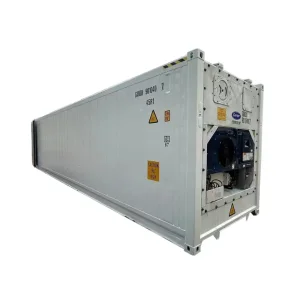
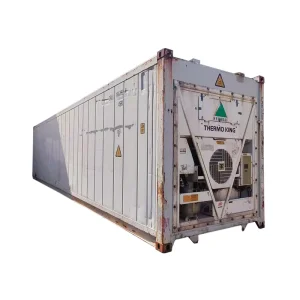
| 40ft High Cube Reefer | MGSS / Stainless outer, AL T-floor, PU foam (45 kg/m³) | 12,192 × 2,438 × 2,896 mm | 34,000 kg (74,950 lbs) | ATP / ISO 1496-2 / CE | Fresh fruits, frozen meat/seafood, biopharmaceuticals (-30°C to +30°C range). |
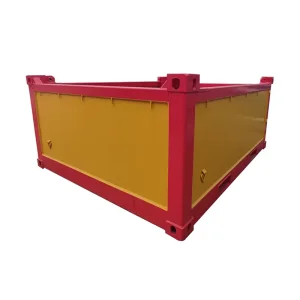
| DNV Offshore Half-Height | High-yield structural carbon steel (Charpy -20°C) | Custom lengths (10ft / 20ft / half-height) | Up to 15,000 kg | DNV 2.7-1 / EN 12079 | Offshore rig support, drilling mud bags, subsea tooling, scrap extraction. |
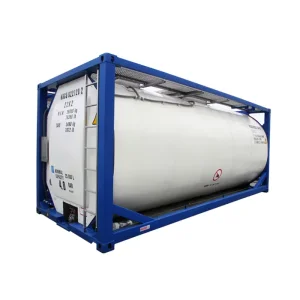
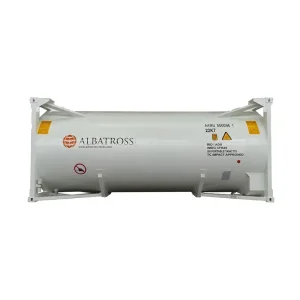
| 20ft ISO Tank (T11 / T14) | 316L Stainless Steel inner vessel, Q235 outer frame | 6,058 × 2,438 × 2,591 mm (20,000L - 26,000L) | 36,000 kg | IMDG / ASME / ADR / RID | Hazardous chemicals, aviation fuels, food-grade edible oils, liquid detergents. |
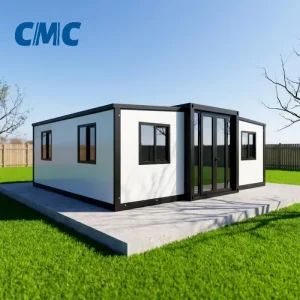
| 20ft Modular Steel Housing | Q235B galvanized skeleton, PIR/Rockwool insulation | 5,850 × 2,250 × 2,600 mm (Expandable formats) | 8,000 kg (Dynamic structural) | ISO 9001 / CE / Green Building | Mining base camps, emergency response units, modular offices, border defense facilities. |
Tailored structural designs deployed across maritime, sub-arctic, desert, offshore, and intermodal transport corridors.
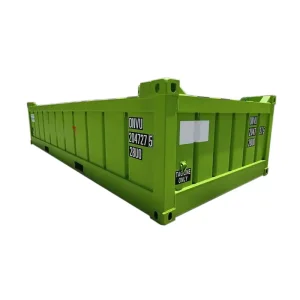
High-seas supply vessels encounter severe horizontal accelerations. DNV 2.7-1 certified half-height open-tops and offshore cargo baskets utilize certified 4-point wire rope lifting slings, reinforced internal lashing points, and high-impact corner castings to withstand dynamic loads during rough crane hoists in wave heights exceeding Sea State 6.
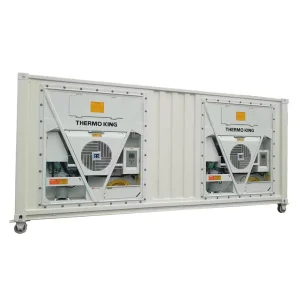
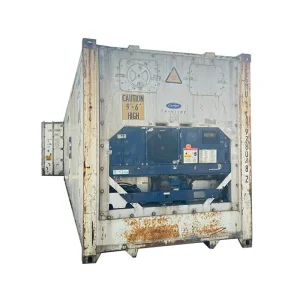
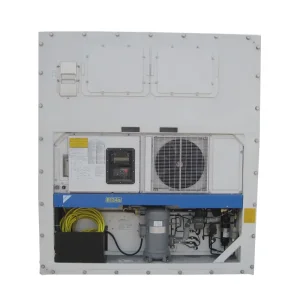
Equipped with Daikin, Carrier, or Thermo King powerplants, our insulated reefer containers incorporate automated controlled atmosphere (CA) nitrogen and carbon dioxide modulation systems. This retards respiration in climacteric fruits (e.g., avocados, bananas), extending maritime transit endurance up to 45 days across transpacific and European voyages.
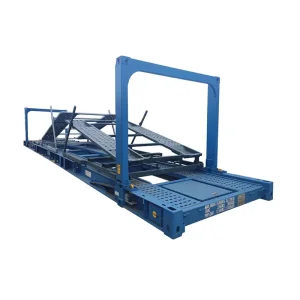
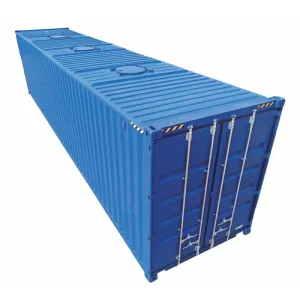
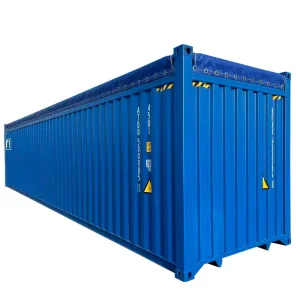
For break-bulk generators, turbine rotors, and track loaders that exceed conventional end-door dimensions, 40ft High Cube Soft Open Top units with removable swing-out rear headers and tarpaulin covers provide unrestricted vertical overhead gantry crane access, paired with 4,000 kg rated floor tie-down rings.
How edge IoT sensors, low-GWP refrigerants, advanced composite coatings, and structural decarbonization are reshaping manufacturing.
Integration of solar-harvesting BLE/LoRa/GSM IoT gateway nodes permanently affixed to the container top rail. Real-time telemetry delivers GPS geolocation, door-open intrusion optical alerts, real-time shock/vibration logging (3-axis accelerometers), and reefer compressor diagnostic telemetry directly to cloud ERPs.
Factory transitions toward low-carbon electric arc furnace (EAF) steel and zero-VOC waterborne coatings have cut the cradle-to-gate carbon footprint per TEU by over 38%. Reefer lines incorporate ultralow Global Warming Potential refrigerants (R513A, R1234yf, and natural CO2 R744 transcritical cooling systems).
Next-gen multi-stage zinc epoxy powder primers paired with polyaspartic aliphatic topcoats provide over 1,500 hours of continuous ASTM B117 salt spray endurance. This drastically lowers paint maintenance cycles for maritime operators navigating high-salinity oceanic belts.
Key quality assurance, verification checkpoints, and contracting variables essential for high-volume container acquisitions.
Ensure every unit bears a permanent, non-corrosive stainless steel Convention for Safe Containers (CSC) data plate specifying allowable stacking weight (minimum 192,000 kg / 216,000 kg for 9-high stacks), racking test values, timber treatment compliance (Australian quarantine specs), and classification society marks.
Verify that manufacturer welding procedures conform to AWS D1.1 or ISO 15614. Crucial stress zones—such as the bottom side rail, corner casting welds, and header-to-post joints—must be subjected to Non-Destructive Testing (NDT) via Magnetic Particle Inspection (MPI) or Ultrasonic Testing (UT).
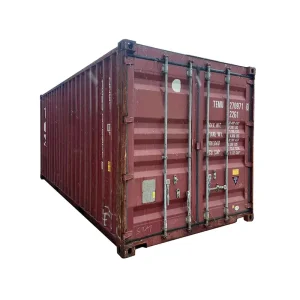
When procuring second-hand containers, demand certified IICL-6 (Institute of International Container Lessors) or Cargo Worthy (CW) inspection certificates. Distinguish clearly between simple Wind and Water Tight (WWT) storage grades versus vessels certified for sea freight carriage.
Optimize landed costs by choosing between FOB China seaport or 'One-Way Freight Free' arrangements (SOC - Shipper Owned Containers loaded with revenue cargo destined to your regional discharge port, offsetting empty repositioning expenses).
In-depth technical answers addressing material selection, operational tolerances, certification requirements, and custom modifications.
SPA-H Corten steel forms a dense, self-healing oxide patina upon exposure to atmospheric marine salt air. This protective passivation layer reduces atmospheric corrosion rates to less than one-fifth of standard Q235 carbon steels, preventing micro-pitting, structural wall thinning, and catastrophic container collapse under heavy 9-high fully laden shipboard stacks.
Standard ISO containers are engineered for static 9-high stacking and smooth gantry crane lifting via corner castings. In contrast, DNV 2.7-1 / EN 12079 units are purpose-built for harsh offshore dynamic lifting, involving vessel-to-rig transfers in rough sea states. They mandate heavy-duty integral pad-eyes, low-temperature impact-tested steel (tested to -20°C or -40°C Charpy V-notch values), and dedicated certified 4-point wire rope lifting slings.
An active reefer container incorporates an electrically driven, microprocessor-controlled refrigeration unit (e.g., Daikin, Carrier, Thermo King) requiring a 380V/460V 3-phase power supply or diesel gen-set. It actively extracts heat to maintain cargo temperatures between -35°C and +30°C. An insulated container is a passive box with dense polyurethane foam walls and no machinery, intended solely to dampen ambient temperature fluctuations over short-sea or regional transit.
International maritime container flooring (typically 28mm 19-ply hardwood or bamboo-wood composites) must strictly adhere to the Australian Department of Agriculture, Fisheries and Forestry (DAFF / AQIS) treatment standards. Plywood must be pressure-treated with approved timber preservatives (such as Cypermethrin or Radale T-wood preservatives) to prevent cross-border pest transmission, evidenced by an explicit treatment plate on the CSC certification panel.
Any container intended for regular cellular container vessel slot loading must maintain external ISO envelope dimensions (ISO 668), corner casting coordinates, and CSC safety approval. If custom modifications alter width or corner post placements, the container must be shipped as Out-Of-Gauge (OOG) on flat-rack beds, or moved via break-bulk carriers, which incurs higher freight tariffs.
The Institute of International Container Lessors (IICL-6) specification sets strict tolerance thresholds for second-hand units. Floor indentations cannot exceed 10mm, side-wall panel dents must not protrude into interior clearance envelopes by more than 35mm, door gaskets must form a continuous airtight hermetic seal, and the locking bar assemblies must rotate smoothly without binding.
Immediate deployment availability across China coastal ports: ISO certified new-builds, second-hand units, and multimodal equipment.