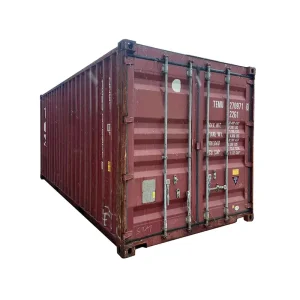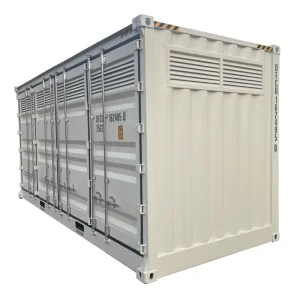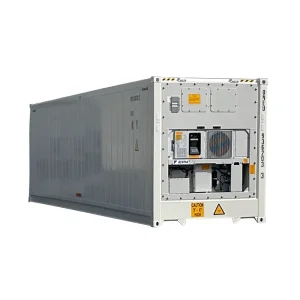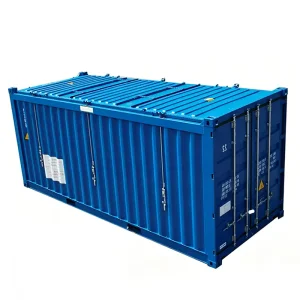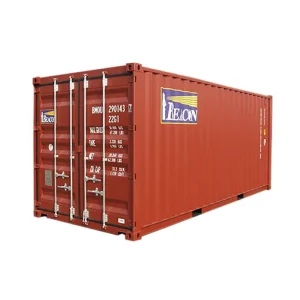
Explore immediate factory release and customized dry freight, reefer cold-chain, and specialized intermodal containers manufactured to strict CSC, BV, and ISO marine tolerances.
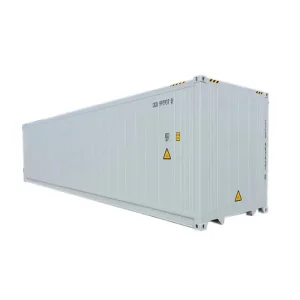
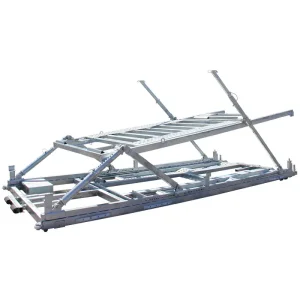
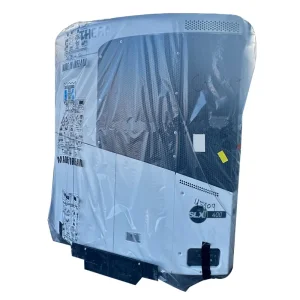
In modern intermodal freight markets, standardized shipping containers represent core balance-sheet assets. Procuring across specialized marine sectors demands exacting mechanical and operational specifications.
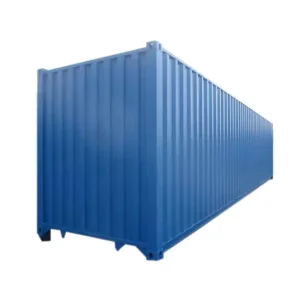
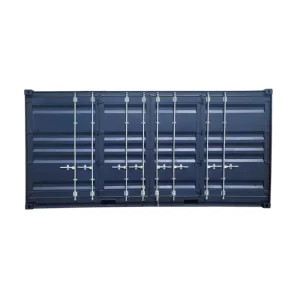
Global freight forwarders prioritize fleet standardization conforming to ISO 668 and ISO 1496-1 series dimensions. Requirements center on maximal tare-to-payload ratios, structural longevity across minimum 9-tier stacking criteria (192,000 kg gross vessel loads), and CSC documentation that ensures frictionless interchange between sea, rail, and heavy highway chassis.
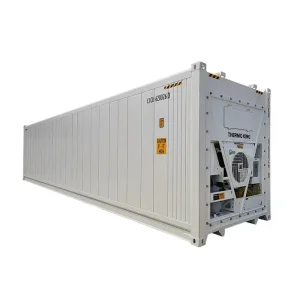
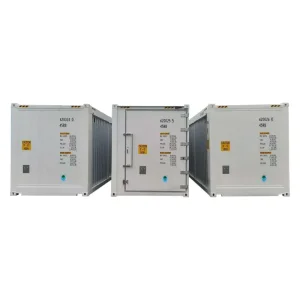
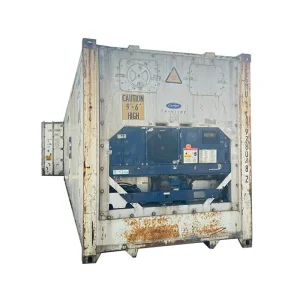
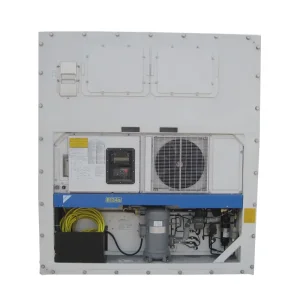
Pharmaceutical, fishery, and perishable commodity supply chains require tightly regulated reefer containers equipped with Thermo King, Daikin, or Carrier machinery. Demand metrics focus on micro-climatic accuracy (±0.25°C variance), dehumidification controls, modified atmosphere (MA) injection valves, and sub-zero blast-freezing capabilities downward to -40°C or ultra-low -60°C.
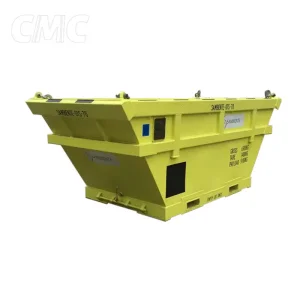
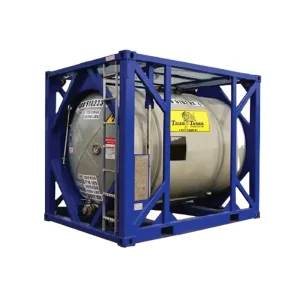
Upstream oil, natural gas, and mineral operators operate under hazardous operational conditions. Procurement models dictate strict compliance with DNV 2.7-1 / EN 12079 standards for offshore dynamic crane lifting, low-temperature impact-tested steels (-20°C charpy notch impact tests), heavy silt baskets, ISO tank containers, and explosion-proof electrical enclosures.
Container production in China integrates automated robotic fabrication, advanced metallurgical engineering, and rigorous non-destructive quality testing to ensure intermodal resilience.
| Structural Subsystem | Material Engineering Standard | Operational Function & Tolerance Threshold | Class Certification Validation |
|---|---|---|---|
| Corner Castings & Posts | Cast Steel SCW480 / SPA-H Cold-Rolled | Accommodates compressive stacking forces up to 86,400 kg per corner; resists dynamic acceleration loads. | ISO 1161, BV Structural Proof Tested |
| Corrugated Wall Panels | SPA-H Atmospheric Corrosion-Resistant Corten Steel | 1.6mm – 2.0mm deep-profile corrugation providing superior shear strength against container deformation. | ISO 1496-1 Weather-tightness & Racking |
| Floor Structure Assembly | 28mm Hardwood Marine Plywood / Bamboo Composite | Tested for 7,260 kg front-axle forklift roll testing; treated according to Australian quarantine standards (AQIS). | TCT (Timber Treatment Quarantine Standard) |
| Marine Protective Coating | Zinc-Rich Epoxy Primer + Polyurethane Topcoat | C5-M High Marine Durability coating system (~120–160 μm DFT) resisting salt-fog exposure > 3,000 hrs. | ISO 12944 Paint Specification Compliance |
| Reefer Cold-Bridge Barrier | Stainless Steel 304 / MGSS Internal Liners + PIR Foam | Rigid foamed-in-place polyisocyanurate (density ~40-45 kg/m³) with thermal conductivity λ ≤ 0.024 W/(m·K). | ATP Certification for Perishable Transport |
Modern container production leverages fully automated continuous flux-cored arc welding (FCAW) and submerged arc welding (SAW) on bottom side rails, header corners, and cross-members. Automated laser-guided optical alignment guarantees that diagonals stay within a stringent ±3.0mm tolerance window across 40-foot spans, eliminating latching failures on high-speed container gantry cranes and spreader beams worldwide.
The global shipping container market is rapidly evolving from passive steel shells into intelligent, real-time connected nodes in the autonomous digital logistics chain.
Factory-integrated, solar-powered edge IoT gateways featuring quad-constellation GNSS, dual GSM/satellite mesh antennas, real-time shock/vibration detection, and automated smart door-seal breach alerts.
Transition from legacy hydrofluorocarbons (HFCs) to ultralow Global Warming Potential (GWP) eco-refrigerants such as R-513A, R-1234yf, and natural CO2 (R-744) refrigerating systems complying with EU F-Gas regulations.
Deployment of high-yield recycled scrap Corten steel combined with carbon-reinforced structural polymers for roof and side panelling, reducing tare weight by 14% while boosting volumetric payload thresholds.
Integration of ISO 23274 telemetry architectures with carrier ERP platforms, enabling real-time structural health monitoring, dynamic payload balancing, and scheduled maintenance alerts via machine learning.
Understanding shifting macroeconomic currents, new maritime trade corridors, and regional equipment imbalances empowers procurement teams to optimize their capital expenditures.
Chinese container manufacturers produce over 90% of global intermodal equipment. Maritime manufacturing clusters centered around Tianjin, Suzhou, Ningbo, and the Pearl River Delta maintain close access to blast furnace mills, marine paint formulators, and major deepwater container ports. This ecosystem yields substantial economies of scale that cannot be replicated elsewhere.
Recent trade re-routings around the Cape of Good Hope, expansion of the Trans-Caspian International Transport Route (Middle Corridor), and rising industrial capacity in Latin America and Southeast Asia have altered container repositioning balances. For multinational fleet operators, relying solely on container leasing leads to margin volatility during peak trade seasons. Forward-looking shipping companies, sovereign logistics bodies, and mining enterprises increasingly secure direct factory-built OEM/ODM equipment lots to guarantee chassis availability, stabilize capital costs, and configure custom structural assets.
Container deployment across international borders requires full compliance with maritime safety covenants, classification society approvals, and strict quarantine regulations.
Every newly built export series undergoes rigorous type testing witnessed by premier classification bodies including Bureau Veritas (BV), ABS, Lloyd's Register (LR), and China Classification Society (CCS). Factory audits cover transverse racking, longitudinal end-wall/side-wall rigidity, floor strength deflection, and roof load survivability.
International intermodal regulations mandate that every container carry an authorized International Convention for Safe Containers (CSC) stainless steel identification plate. This plate certifies the country of manufacture, build date, max gross weight, allowable stacking weight (typically 192,000 kg), and transverse racking test load values.
For certified pre-owned or converted fleets, structural assessments adhere strictly to the Institute of International Container Lessors (IICL-6) standard. Inspections cover dent depths, floor gouges, understructure cross-member twists, corner fitting wear, and door gasket seal integrity to guarantee seaworthiness and weather-tightness.
Evaluating long-term asset life, depreciation schedules, and maintenance overhead is essential when planning container fleet investments.
Primary Applications: Dedicated shipping liner fleets, critical high-value pharmaceutical cold chain routes, offshore exploration, and converted modular architectural buildings.
Primary Applications: One-way export shipments, remote industrial construction site lockups, agricultural dry storage, and cost-controlled non-liner inland logistics.
Authoritative technical answers to common questions asked by enterprise procurement officers, shipping directors, and project engineers.
Explore heavy-duty offshore equipment, hazmat containment units, and high-efficiency cold chain containers engineered for specialized industrial and maritime operations.