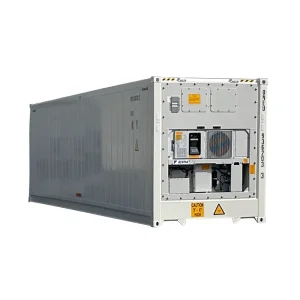
Direct quotations and manufacturing specifications for mission-critical special containment solutions, including DNV offshore baskets, sub-zero reefers, and hazardous storage units.
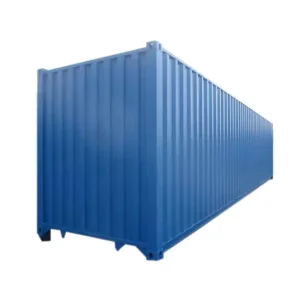
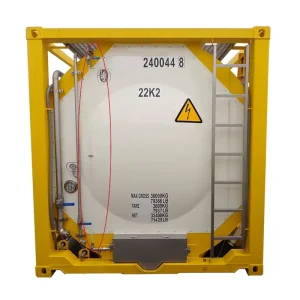
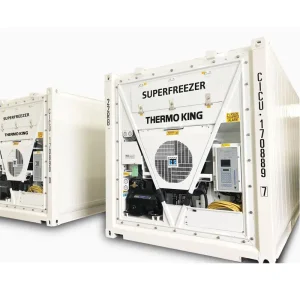
The international containerized freight sector has crossed a transformative threshold. Commodity dry vans are no longer sufficient to solve the complex thermodynamic, spatial, and dangerous goods transport demands of modern industry.
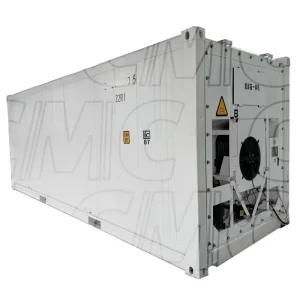
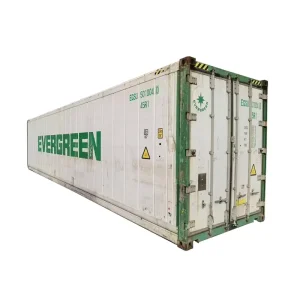
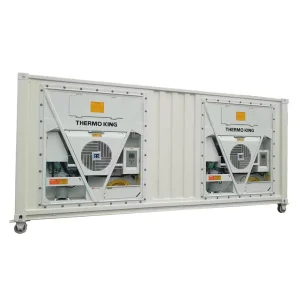
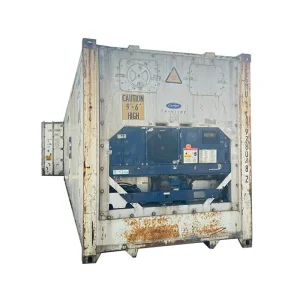
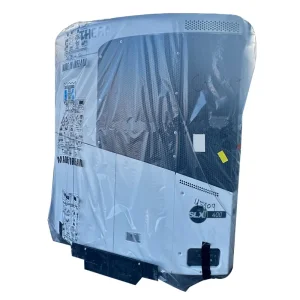
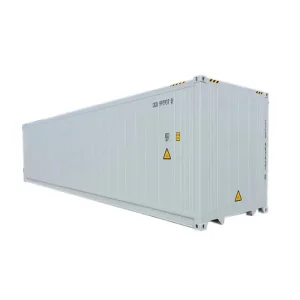
High-value biopharma and perishable freight mandate precision refrigeration units (Daikin, Thermo King, Carrier). Modern reefers integrate micro-inverter variable speed compressors that regulate internal temperatures down to -60°C with automated atmosphere modulators.
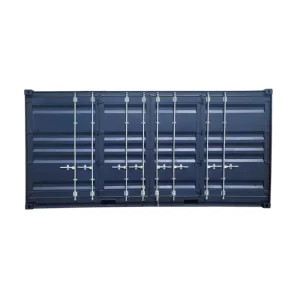
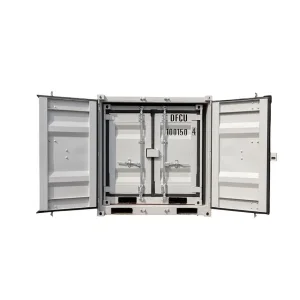
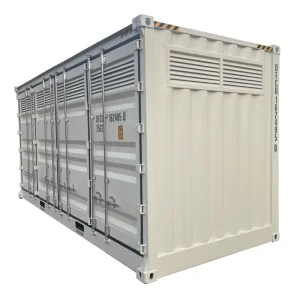
Transporting volatile chemicals, lithium batteries, and flammable solvents necessitates custom containment. Side-open double doors, louvered spark-arrestor vents, and anti-static bunded spill decks prevent catastrophic vapor accumulation during maritime transit.
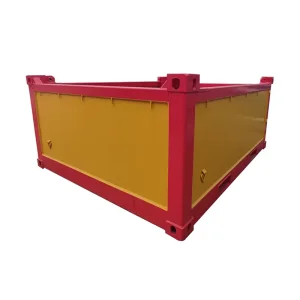
Subsea engineering and deep-water platforms require equipment compliant with DNVGL-ST-E271. Specialized half-height ore bins and offshore equipment baskets must survive acceleration shocks, salt mist pitting, and multi-point crane snatch loads.
Engineered for EPC contractors, multi-national logistics consolidators, and intermodal leasing syndicates requiring verifiable structural metrics.
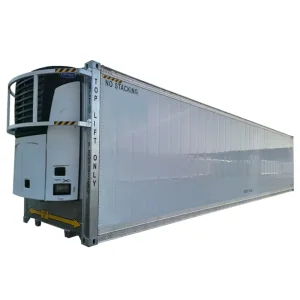
Turnkey refrigerated ecosystems bridging remote agricultural hubs and deepwater terminals. Combining 40ft High Cube reefer units with integrated solar power generation, DC inverter compressors, and thick polyisocyanurate passive insulation boards.
Structural retrofitting for grid-scale Lithium Iron Phosphate (LiFePO4) storage. Fortified Corten frames with internal fire-retardant drywall, NFPA 69 explosion-relief roof hatches, and localized Novec 1230 suppression integration ready for worldwide deployment.
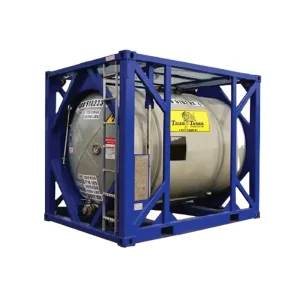
Fully certified DNV 2.7-1 / EN 12079 open cargo baskets and ISO tank units built from high-impact Charpy-V tested structural steel. Optimized for harsh North Sea and Gulf of Guinea dynamic sea-state lifts with full four-point pad eye testing.
Navigating complex international shipping regulations demands end-to-end certification traceable down to batch-level heat-sink numbers and weld radiography.
Every unit built at our Tianjin facility carries individual certifications from premier global classification bodies: Bureau Veritas (BV), Lloyd's Register (LR), ABS, and DNV, affixed with genuine stainless steel CSC plates valid for international intermodal lines.
We construct container envelopes exclusively using high-grade SPA-H atmospheric corrosion-resistant Corten steel. Zinc-rich epoxy priming followed by chlorinated rubber or polyurethane intermediate and top coats shields assets against aggressive C5-M marine salinity.
Situated 100km from Tianjin Port terminal infrastructure, our manufacturing facility facilitates immediate quayside staging. This minimizes drayage fees, mitigates pre-trip inspection delays, and accelerates customs clearance for export to Africa, Europe, and the Americas.
Our engineering divisions are advancing containment reliability by merging mechanical structural design with telemetry-driven predictive analytics.
Integration of ultra-low power LoRaWAN and Iridium satellite modules embedded directly into reefer side-walls. Provides end-to-end cold chain traceability, automated pulp temperature alerts, and live door-ajar logging.
Deploying roof-recessed monocrystalline flexible photovoltaic modules backed by lithium energy buffers, reducing auxiliary diesel consumption on intermodal flatbed journeys by up to 42%.
Replacing legacy HFC cooling elements with R-513A and natural CO2 (R-744) units, complemented by polyurethane sandwich floor cores engineered from 100% recycled ocean-bound PET composites.
In-depth engineering criteria, structural verification protocols, and logistic procurement timelines for international buyers.
Explore our full line of solar-integrated smart reefers, offshore cargo baskets, cryogenic and ISO tank units designed to exacting international standards.