
High-integrity dry, refrigerated, and offshore container units manufactured to ISO, BV, and DNV international safety and structural benchmarks.
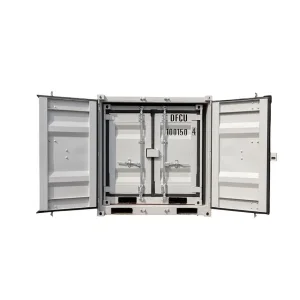
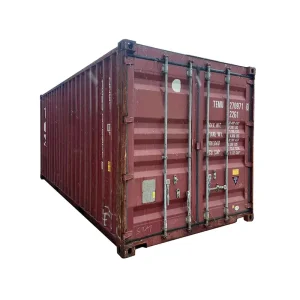
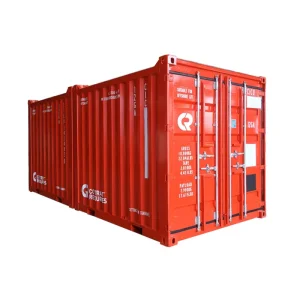
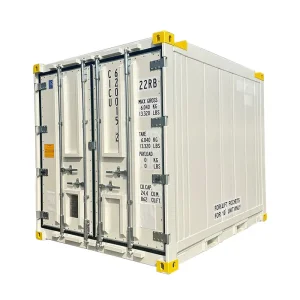
Understanding structural engineering evolution, decarbonization demands, and modular architectural shifts driving international container manufacturing.
Modern building shipping containers demand SPA-H atmospheric corrosion-resistant steel. When exposed to harsh marine microclimates, Corten-A forms a dense oxidized protective passivation layer that eliminates structural fatigue and guarantees stackability ratings up to 9-high laden configurations (192,000 kg gross limit).
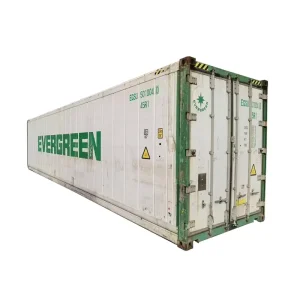
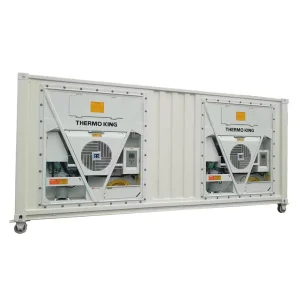
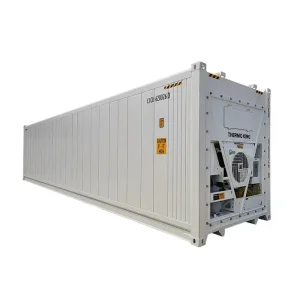
Next-generation reefer architectures integrate zero-ODP polyisocyanurate (PIR) insulated vacuum-injected foam cores, achieving thermal transfer coefficient (K-values) down to 0.32 W/m²K. Paired with microcomputer control units like Thermo King and Daikin, cargo temperature deviation remains within ±0.25°C.
Global infrastructure has pivoted toward modular building shipping containers as standard prefabricated structural nodes. Pre-engineered corner castings (ISO 1161) allow seamless crane handling and rapid on-site assembly for tactical hospitals, border checkpoints, remote mining camps, and luxury apple cabins.
From Tianjin to Suzhou: how unified automated lines, deep raw material clustering, and seaport proximity redefine export speed and cost optimization.
Direct supply line piping from domestic steel manufacturing epicenters ensures continuous access to certified SPA-H weathering steel coils, zinc primers, and high-spec refrigeration machinery without international shipping lead-time vulnerability. Production buffers maintain consistent factory floor momentum across cyclical commodity spikes.
All building shipping containers pass through multi-axis robotic MAG welding lines to eliminate human error in seam porosity. Every unit undergoes automated pneumatic seal testing, ultrasonic thickness gauging, and radiographic non-destructive testing (NDT) to secure BV (Bureau Veritas) export certification.
Situated within 100 kilometers of Tianjin Free Trade Area and East China seaports, finished units transition directly from assembly paint curing booths to container yards. This layout minimizes domestic drayage risks, cuts container transfer costs by 18%, and enables same-day port customs declarations.
Engineered specs tailored for specific commercial, marine, mineral, and prefabricated architectural environments.
High-cube 40ft and standard 20ft dry boxes designed for rail-sea double-stack dynamics, featuring CSC safety plates for unrestricted international transshipment.
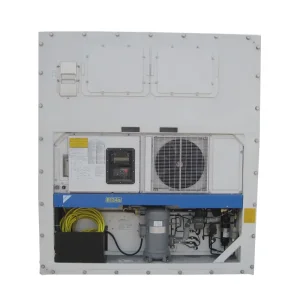
Blast reefer units and Daikin/Carrier cold storage installations operating in extreme ambient temperatures (+50°C down to -40°C) for fisheries and pharmaceuticals.
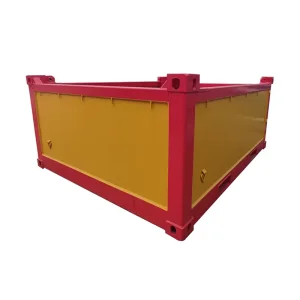
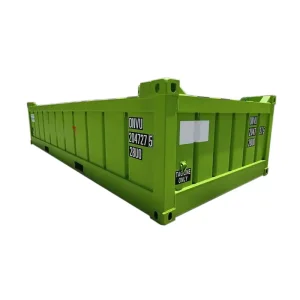
Heavy-duty open-top half-height baskets and DNV 2.7-1 certified lifting boxes engineered for North Sea and equatorial offshore rig logistics and dynamic sling loads.
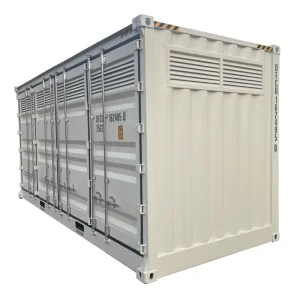
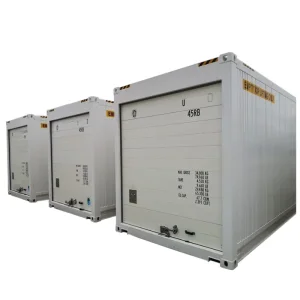
Side-opening dangerous goods enclosures with integrated explosion-proof ventilation, fire suppression systems, and bunded floor spill containment basins.
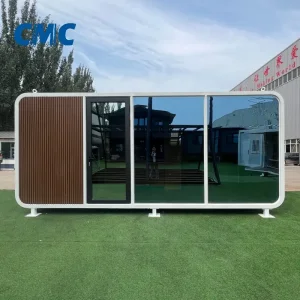
Flat-pack and fully welded apple cabin architectural modules, transforming shipping container chassis into garden pods, construction field labs, and luxury offices.
Direct answers to the structural, metallurgical, and certification queries faced by global procurement officers and project engineers.
All international shipping containers must carry a valid CSC (Container Safety Convention) approval plate, issued under the supervision of classification societies like Bureau Veritas (BV), ABS, or DNV. For specialized offshore lifting containers, compliance with DNV 2.7-1 / EN 12079 structural load and pad-eye sling certifications is legally required.
Corten-A (SPA-H standard) contains specific alloy additions of copper, chromium, and nickel. When exposed to outdoor weathering, it oxidizes to form an impermeable protective patina layer rather than flaking rust. This guarantees longevity exceeding 25+ years in aggressive marine environments, whereas mild steel undergoes catastrophic wall thinning.
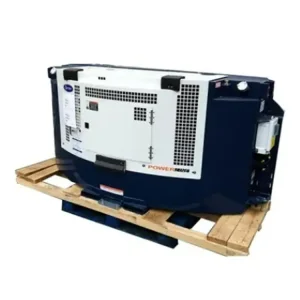
Active blast reefer containers employ heavy-duty refrigeration units (Thermo King, Carrier, Daikin) powered by 380V/440V 3-phase grid or diesel gen-sets to continuously extract heat down to -35°C or -60°C. Passive insulated containers rely on high-density polyurethane walls to limit temperature change to <1.5°C per 24 hours without external power.
We supply comprehensive Finite Element Analysis (FEA) models, 3D CAD blueprints, and structural calculation books prior to tooling. Each production batch undergoes third-party inspector review, including welding joint penetrant testing, corner casting tensile tests, and rain-tight water deluge testing at 2 bar pressure before issuance of inspection release certificates.
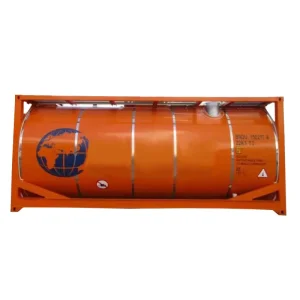
High-specification mobile equipment: from modular apple cabins and side-open dangerous chemical boxes to ISO liquid tanks.

Direct technical drawings, custom dimension engineering, and class society certifications dispatched within 24 business hours.