Each unit incorporates heavy-duty corner castings and foundation feet engineered to exceed dynamic hoisting, shear racking, and marine transit stress ratings.
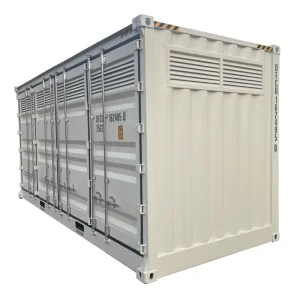
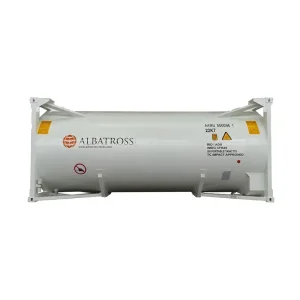
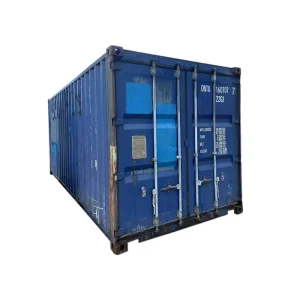
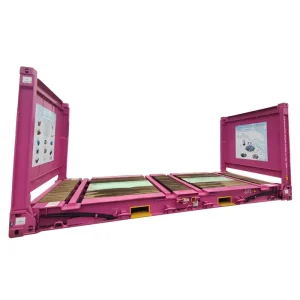
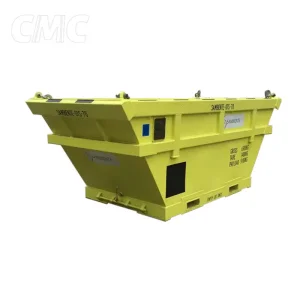
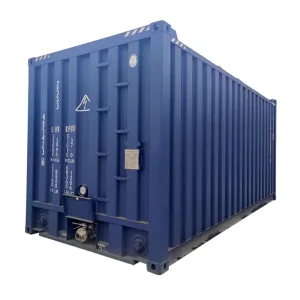
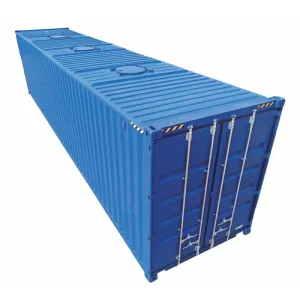
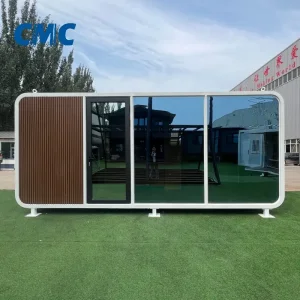
In global intermodal logistics, container feet—consisting of lower corner castings, structural foot pads, twist-lock engagement interfaces, and base support pedestals—represent the ultimate focal point of mechanical load transfer.
Every lower corner casting foot is manufactured with high-precision internal aperture geometries (bottom, side, and end holes). These strict dimensional tolerances ensure smooth engagement with shipboard twist-locks, spreader twistlocks, and rail chassis container pins without mechanical jamming during rapid port maneuvers.
Manufactured using fine-grain, deoxidized cast steel such as SCW480 or ASTM A27 Grade 70-36. The material is subjected to full-cycle normalizing heat treatment to refine the pearlite-ferrite microstructure, guaranteeing high tensile strength, exceptional weldability to Corten framing, and high Charpy V-notch toughness.
Our heavy-duty container feet absorb intense vertical stacking loads up to 86,400 kg (190,480 lbs) per post. This structural integrity allows full 9-high container vessel cellar stacking under extreme dynamic sea conditions, including severe pitching, yawing, and roll oscillations.
| Component Element | Standard Specification | Material / Metallurgy | Quality Test Protocol | Primary Industrial Utility |
|---|---|---|---|---|
| Bottom Corner Casting Feet (BR / BL) | ISO 1161, ISO 668 Dimensions | SCW480 / ASTM A27 Gr. 70-36 | NDT, UT, MPI, Impact Test (-40°C) | Cellular vessel stacking, trailer twistlocks |
| Offshore DNV Heavy Foot Pads | DNV GL 2.7-1, EN 12079 | Low Alloy High Strength Cast Steel | 100% Surface MPI, Radiographic Testing | Dynamic crane lifting on offshore platforms |
| BESS Energy Storage Base Anchors | UL 9540A & Seismic Zone 4 | Corten A / High-Yield Forged Steel | Finite Element Dynamic Shear Simulation | Ground foundations for grid-scale batteries |
| Modular Architecture Levelling Feet | Structural Building Code Class A | Hot-Dip Galvanized Structural Steel | Cyclic Static Loading & Salt Spray 1500h | Prefab tiny houses, multi-story container pods |
As intermodal freight transitions toward full digital automation and smart supply chains, corner castings and footings are evolving from passive metal joints into active, sensorized structural interfaces.
Embedded strain gauges and piezoelectric micro-sensors cast directly into the structural cavity of container feet. These transmit real-time data on stacking weight, load shifts, and eccentric load balances via low-power satellite LPWAN.
Next-generation micro-alloyed cast steels containing targeted additions of nickel and molybdenum. This engineering guarantees superior Charpy impact absorption down to -60°C for Arctic maritime passages and extreme polar transport.
Magnetic and optical positioning chamfers integrated into the bottom footings, facilitating rapid autonomous twist-lock placement in automated port terminals (AGV docks) with zero human intervention.
Replacing traditional solvent coatings with aqueous zinc-graphene composite primers, providing up to 25 years of continuous resistance against aggressive ocean salt-spray, acidic vapors, and atmospheric weathering.
Container foot castings, leveler pads, and structural base components must adapt to diverse mechanical environments across modern industrial operations.
In offshore crane transfers, supply boats experience severe waves causing violent acceleration. Our specialized offshore container feet and padeye integrated corner castings provide 3.0x dynamic hoisting factors, resisting sudden shock loads in the North Sea and Gulf of Mexico.
Utility-scale battery energy storage enclosures weigh over 35 tons in compact 20ft footprints. CIMIC custom container base feet and mounting pads anchor the units to seismic-rated concrete pads, neutralizing wind shear, ground seismic vibrations, and thermal expansion.
Converting containers into luxury apple cabins, offices, and modular hospitals requires ground footings that simplify foundation adjustments. Our engineered leveling feet and twist-lock foundation plates eliminate uneven settling on raw terrain.
Operating from modern industrial bases in Tianjin and Suzhou, CIMIC Group leverages advanced casting automation, metallurgical testing, and streamlined seaport connectivity.
Our Tianjin plant is located in China's steelmaking core. We maintain direct pipeline procurement of hot-rolled Corten-A coiled plate and certified casting ingots, shielding international buyers from raw material volatility and delivery bottlenecks.
Corner casting feet are bonded to the container structural corner posts using robotic six-axis welding stations. Programmed heat inputs prevent heat-affected zone (HAZ) embrittlement, delivering uniform weld seams that withstand heavy shear stresses.
Located just 100 kilometers from the Tianjin container terminal, completed orders transition quickly from final quality inspection to ship loading. This strategic location cuts inland transit costs and protects tight vessel cut-off dates.
Procuring container feet and structural assemblies requires balancing unit purchase costs against operational safety, field maintenance expenses, and structural service life.
Substandard castings using cheap scrap iron frequently suffer from internal shrinkage cavities and microscopic cold shuts. These hidden defects can rupture under the weight of container stacks, causing catastrophic failures. CIMIC castings utilize refined deoxidized steels tested for internal structural integrity.
Variations of more than 2mm on corner casting apertures cause repeated binding during twist-lock engagement, wearing down automated spreader hooks and slowing port turnaround times. Our CNC-machined corner castings ensure smooth intermodal connections across ships, chassis, and rail cars.
Unprotected carbon steel corrodes rapidly when exposed to seawater wash and heavy condensation around the base foundation. Our zinc-rich epoxy priming and optional hot-dip galvanization stop rust creep, lowering maintenance and repainting costs over a 15-to-25 year operational lifespan.
CIMIC operates under strict international quality guidelines, ensuring smooth customs clearance and regulatory compliance across Africa, Europe, the Americas, and Australasia.
Every standard production run receives formal batch certification by Bureau Veritas surveyors. This includes destructive tensile testing, cold-bend verification, and dimensional calibration records linked directly to the container CSC approval safety plate.
For high-risk offshore operations, corner foot assemblies are subjected to rigorous non-destructive testing (NDT), including Magnetic Particle Inspection (MPI) and Ultrasonic Testing (UT), ensuring zero internal defects in dynamic crane-lift components.
Orders are delivered with complete documentation, including 3.1 Mill Test Certificates (EN 10204), heat-lot chemical breakdown analyses, Charpy V-notch energy reports, and raw material provenance certificates.
In-depth engineering answers to common procurement questions from freight forwarders, modular architects, and offshore logistics managers.
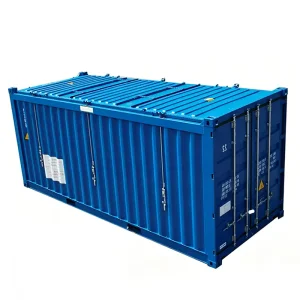
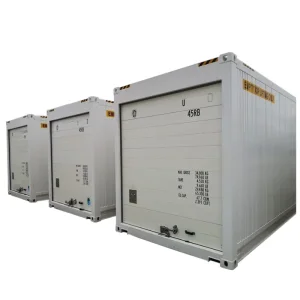
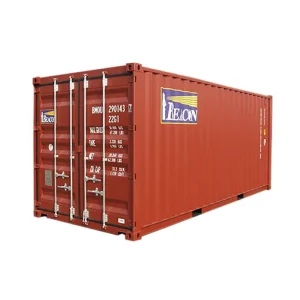
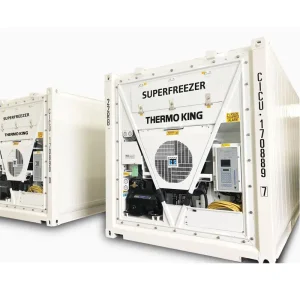
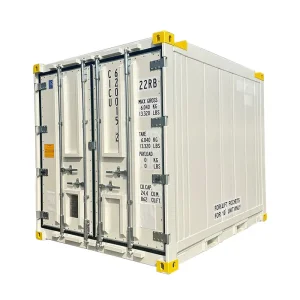
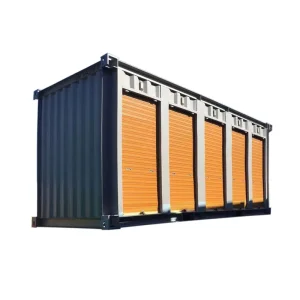
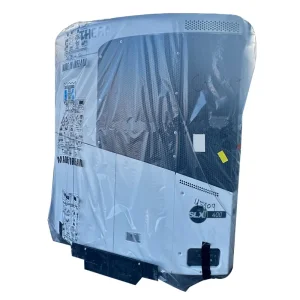
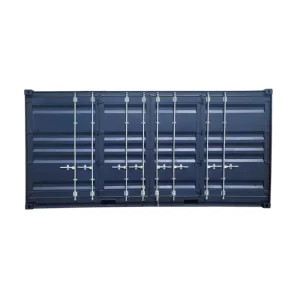
Our reefer, dry, open-top, and mobile generation units are built on heavy-duty corner castings and foundation feet, ensuring long-term operational durability.
Speak directly with our structural engineering team to review casting metallurgical requirements, custom aperture dimensions, or large-volume export schedules for your intermodal fleet.
