
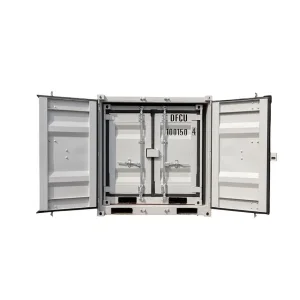
Factory-direct intermodal units, hazardous cargo solutions, offshore certified baskets, and cold storage systems ready for immediate global logistics mobilization.
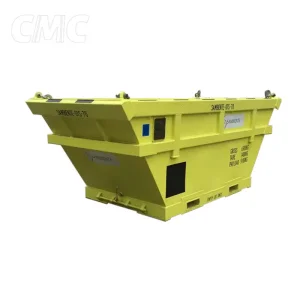
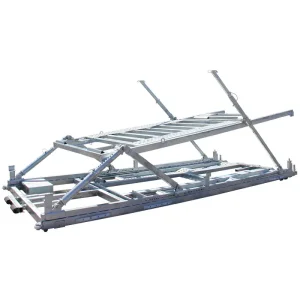
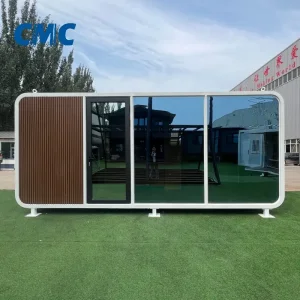
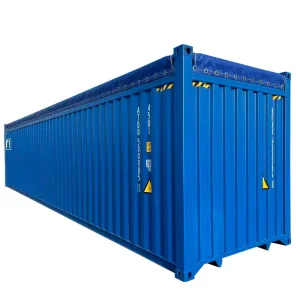
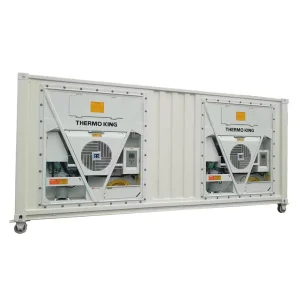
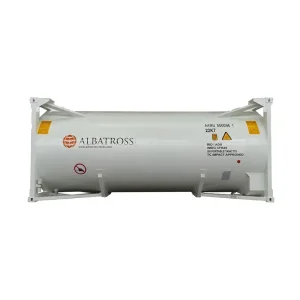
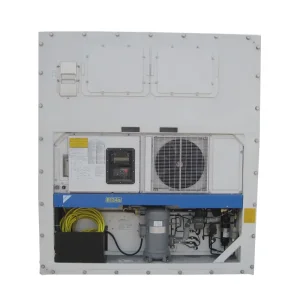
Contemporary intermodal equipment manufacturing requires micro-alloyed metallurgy, high thermal retention polyurethane formulations, and rigorous dynamic stress modeling to withstand extreme maritime and terrestrial corridors.
Standard sea and dry cargo intermodal containers rely on atmospheric corrosion-resistant Corten steel (SPA-H JIS G3125 standard). The protective copper-chromium-nickel patina stabilizes in hostile marine salinity, delivering:
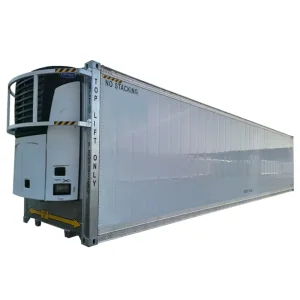
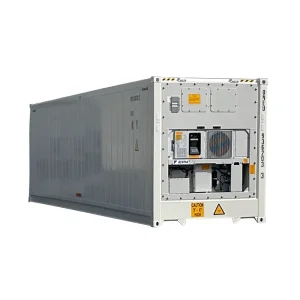
Active and passive temperature-controlled reefers demand non-thermal bridging floor/wall intersections and cyclopentane-blown microcellular polyurethane insulation cores (density > 42 kg/m³):
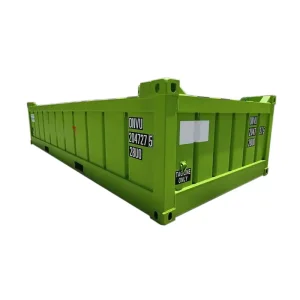
Units deployed across offshore drilling platforms, mining sectors, and chemical handling are designed under destructive dynamic fatigue parameters:
Tianjin and Yangtze River Delta operational centers leverage full-vertical metallurgical clusters, high-throughput automated robotic fabrication, and terminal-adjacent logistics to slash manufacturing lead times.
Our direct integration with primary domestic steel mills guarantees priority rolling schedules for specialized Corten coils, high-tensile structural hollow sections (HSS), and marine timber flooring. Component lead times are contracted under guaranteed JIT (Just-In-Time) protocols, avoiding international raw material supply crunches.
Fabrication facilities utilize 6-axis multi-pass robotic welding systems for side corrugated panels, end-frames, and base crossmembers. This guarantees dimensional tolerances within ±1.5 mm across diagonal measurements, ensuring 100% intermodal corner casting lock engagement during port crane spreader cycle operations.
Strategically placed less than 100 kilometers from the Port of Tianjin and major coastal maritime hubs, manufactured units bypass costly inland transshipment corridors. Units can be directly loaded with export dry cargo ("One-Way Free Use") or stacked onto container vessels within 48 hours of customs export clearance.
Navigating global maritime transit requires multi-jurisdictional compliance. Every unit leaving our production lines carries validated classification society approvals, CSC inspection approvals, and strict localized customs certifications.
| Regulatory Standard | Applicable Container Families | Testing & Inspection Protocol | Global Trade & Site Compliance Value |
|---|---|---|---|
| CSC Safety Approval Plate IMO / UN Convention |
20ft/40ft Dry Freight, High Cube, Open Top, Reefer | Transverse racking, longitudinal inertia bending, end-wall strength, 9-tier compression stack load test. | Mandatory clearance for intermodal maritime carriage on commercial container liners worldwide. |
| DNV 2.7-1 / EN 12079 Offshore Marine Safety |
Silt Baskets, Offshore Mud Skips, Tool Cribs, Rig Reefers | 4-point dynamic lifting test, 2-point tilt lift, horizontal impact, weld NDT (MPI / Ultrasonic) at low temperatures. | Authorization for open-ocean crane lifts onto offshore drilling rigs in the North Sea, Gulf of Mexico, and West Africa. |
| ISO 1496 Series Design & Dimensions |
Full Fleet: Dry Cargo, Insulated, Tank Containers | Dimensional accuracy, internal floor shear loading test (conforming to 7,260 kg front axle forklift load). | Flawless compatibility with intermodal rail wagons, twist-lock chassis trailers, and automated port straddle carriers. |
| TIR / Customs Seal Certification Cross-Border Land Bridge |
Side Open, Double Door, Intermodal Rail Dry Containers | Tamper-proof hinge pin welding, customs security wire holes, anti-theft locking bar brackets. | Rapid bonded transit across Eurasian Rail Corridors (Silk Road) and Pan-African transport corridors without inspection delays. |
| ASME Sec. VIII / IMDG Code Hazardous Chemicals & Gas |
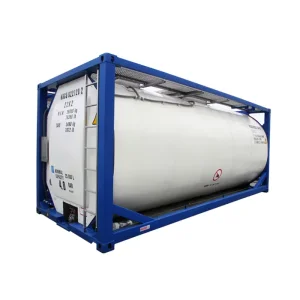
20ft ISO Tank Containers, Cryogenic Vessels | Hydrostatic pressure testing up to 6.0 Bar, ultrasonic thickness gauging, vacuum retention evaluation. | Universal approval for bulk hazardous chemicals, food-grade syrups, and liquefied flammable gas intermodal transport. |
Procurement officers face divergent requirements depending on asset lifecycle goals, whether securing capital fleet expansion, high-integrity dangerous cargo handling, or remote temporary infrastructure.
Prioritize standardized Corten box builds with high-durability marine paint systems (C5-M environment), factory-applied container prefix leasing serials, high-turnaround stackability, and guaranteed resale residual values in secondary markets.
Demand DNV-approved rigging sets, heavy machinery soft open-top containers, dangerous goods storage with bunded floors, and high-cube units modified for field offices, mobile generator enclosures, and electrical sub-stations.
Seek pharmaceutical-grade reefer containers with micro-temperature band controllers (±0.25°C), controlled atmosphere (CA) nitrogen generators, blast-freezing capabilities, and food-grade electropolished 316L ISO tank units.
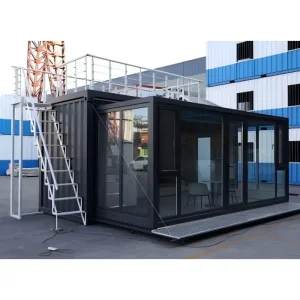
Focus on CE and UL certified flat-pack modular structures, expandable foldable houses, and high-aesthetic Apple Pod cabins with pre-installed electrical plumbing, thermal double-pane curtain glazing, and rapid 2-hour field erection.
The intermodal hardware sector is transitioning from passive metallic containment toward intelligent, low-emission, self-diagnosing logistics platforms.
Next-generation containers incorporate factory-embedded solar-powered IoT transceivers. These sensors transmit real-time GPS coordinates, interior humidity, structural impact/g-force anomalies, and refrigeration compressor telemetry via global 5G NB-IoT and low-earth orbit (LEO) satellite links.
In response to Kigali Amendment mandates and EU F-gas phase-downs, reefer manufacturing is pivoting to natural refrigerants, including R744 (CO₂) with ultra-low Global Warming Potential (GWP=1), integrated inverter scroll compressors, and battery-buffered electric systems for autonomous rail transit.
To maximize net freight payload within statutory gross weight limits, engineers are deploying micro-alloyed ultra-high-strength steel grades and modular aluminum floor joists. Over 98.5% of structural elements are completely recyclable, aligning with Corporate ESG and Scope 3 supply chain reduction goals.
Container structures are exposed to punishing environments. Our purpose-built engineering satisfies localized operational demands across world regions.
Solar-assisted insulated containers provide off-grid farm-gate pre-cooling for fresh produce, mitigating post-harvest spoilage in ambient conditions exceeding 45°C without uninterrupted grid reliance.
DNV-certified half-height containers and silt baskets resist violent deck wash, sub-zero brine spray, and heavy drill stem tool friction during crane lift platform transfers.
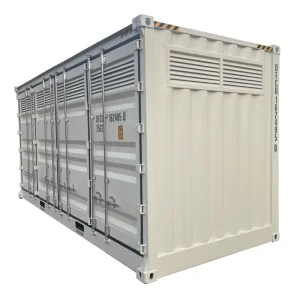
Reinforced double-door and side-opening dry freight units operate seamlessly along the Trans-Eurasian railway, absorbing aggressive shunt shocks and severe continental temperature shifts.
Flat-pack and expandable Apple Cabin pods function as turn-key retail pop-ups, remote telemedicine clinics, and luxury eco-resorts with minimal on-site foundation preparation.
Explore offshore certified dry boxes, chemical liquid transport vessels, certified pre-owned reefers, and modular architectural container pods.

Clear, engineer-verified guidance on structural tolerances, international maritime certifications, minimum order quantities, and custom fabrication workflows.
Our standard 20ft and 40ft ISO dry cargo containers are engineered and tested in accordance with ISO 1496-1 to withstand a minimum superimposed static stacking load of 192,000 kg. This accommodates 9-tier stacking of fully laden 30,480 kg containers on container vessels in harsh ocean sea-states.
While standard ISO containers are designed for automated container terminal crane spreaders and twist-lock vessels, DNV 2.7-1 / EN 12079 units are built for open-ocean dynamic sling lifting to oil and gas platforms. They utilize Charpy impact-tested structural steel down to -20°C or -40°C, heavy-gauge perimeter frames without twist-lock castings, continuous non-destructive weld examinations (NDT), and permanently certified four-point lifting pad-eyes and slings.
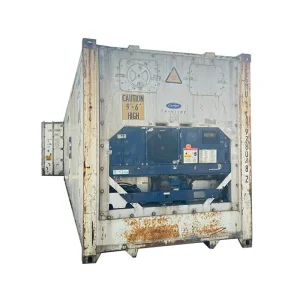
We supply new and certified used reefer containers fitted with genuine Carrier Transicold (ThinLINE, PrimeLINE), Daikin LXE, or Thermo King Magnum Plus units. These units operate on 3-phase 380V/460V power at 50/60Hz. Dual-voltage transformers (190V/230V) or integrated diesel gen-sets (clip-on or underslung Carrier X4 models) are available for continuous power on road and rail corridors.
Every newly built container is dispatched with an individualized Bureau Veritas (BV), ABS, CCS, or DNV Classification Certificate, a valid CSC (International Convention for Safe Containers) safety approval plate riveted to the door frame, an official Factory Acceptance Test (FAT) report, and material mill test certificates (MTC) certifying SPA-H steel metallurgy.
Yes. Our in-house engineering department supports full OEM/ODM prototyping. We customize containers from compact mini-storage units (4ft to 12ft nested series) to 45ft high cubes. Custom modifications include full side-opening bifold doors, explosion-proof louver ventilation, spill containment bund floors, reinforced roller-shutter access, and internal insulation panels.
For standard ISO dry cargo containers and certified depot-stored used reefers, dispatch can occur within 5 to 7 days from coastal Chinese depots (Tianjin, Qingdao, Shanghai, Ningbo). Custom OEM configurations, specialized DNV baskets, or gas ISO tanks generally carry an MOQ of 1 to 4 units with factory fabrication cycles ranging from 20 to 35 business days.