Direct manufacturer deployment of dry cargo, hazardous goods storage, mobile pods, and offshore transport architectures.
In-depth technical analysis for procurement directors, logistics engineers, and asset managers navigating volatile supply chains.
Standard marine containers leverage SPA-H Corten atmospheric corrosion-resistant steel with a minimum yield strength of 345 MPa. Crucial weldment zones, corner castings (ISO 1161), and load-bearing sills undergo ultrasonic flaw detection to ensure survival across severe multi-axis dynamic loads during heavy ocean transit.
Modern container pricing is driven by cold-rolled coil indices, low-VOC zinc-rich epoxy coating lines, and global trade imbalances. Fleet operators increasingly shift procurement capital from off-the-shelf standard dry units toward ODM purpose-engineered intermodal modules that maximize freight utility and interior cubic volume.
Compliance is strictly enforced under the International Convention for Safe Containers (CSC). Units engineered in our manufacturing centers are certified by leading global bodies—including Bureau Veritas (BV), ABS, and DNV—guaranteeing operational safety across ocean, rail, and heavy highway transport modes.
How concentrated supply chain clusters along coastal economic zones deliver uncompromised production turnarounds and measurable cost advantages.
Our strategic operations located near Tianjin Port and Suzhou benefit from immediate upstream access to premier steel rolling plants, specialized polyurethane continuous foaming production lines, and high-spec hardwood ply/bamboo flooring mills. This tight proximity mitigates supply chain volatility and locks in competitive material tariffs.
Every maritime shell is fabricated on automated robotic welding tracks engineered for continuous sub-arc welding. Digital jig fixtures secure sub-millimeter tolerances on diagonal dimensions, eliminating frame deflection and premature door seal fatigue when stacked 9-high under fully loaded conditions (192,000 kg gross stack weight).
Steel assemblies are shot-blasted to Swedish Standard SA 2.5, clearing all mill scale and oxidation. Automated multi-coat booths apply zinc silicate primers followed by epoxy intermediate barriers and durable polyurethane topcoats, resisting salt spray, UV degradation, and electrolytic action for over 15–20 years in harsh oceanic environments.
Translating standard ISO container parameters into mission-critical municipal, energy, and high-risk field infrastructure.
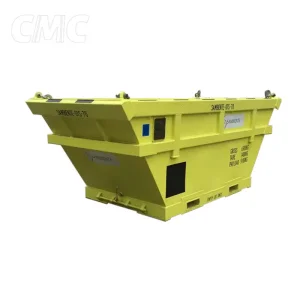
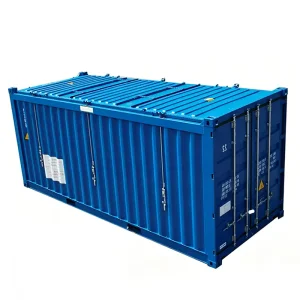
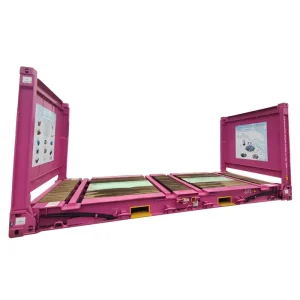
Deploying specialized DNV 2.7-1 / EN 12079 certified silt baskets, tool carriers, and half-height ore bins equipped with certified 4-point wire rope lifting slings. Engineered specifically to survive dynamic wave impacts and heavy mechanical abuse in North Sea and Gulf of Mexico operations.
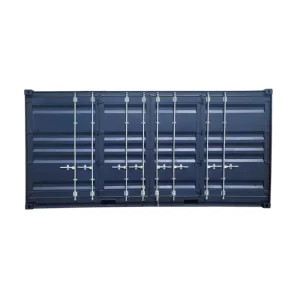
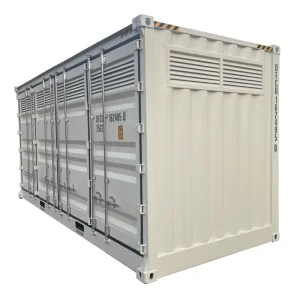
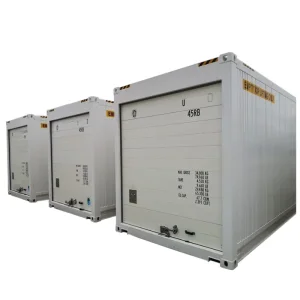
Side-opening high-cube configurations custom fitted with explosion-proof ventilation grilles, acid-resistant floor retention bunds, and spark-free emergency escape hardware. Certified for safe chemical storage, hazardous paint warehousing, and lithium battery transit compliance.
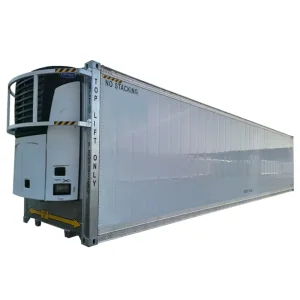
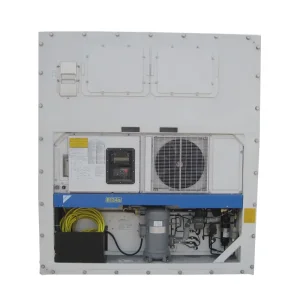
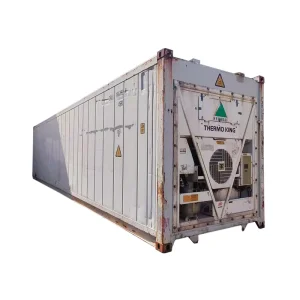
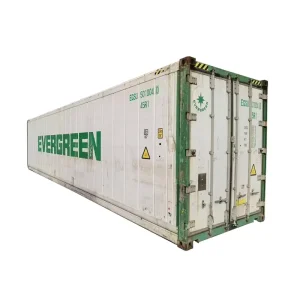
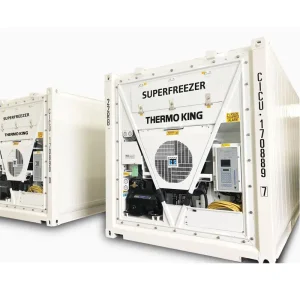
Combining world-class Carrier Transicold, Thermo King, or Daikin digital scrolling compressors with high-density polyurethane vacuum insulation (K-factor ≤ 0.33 W/m²K). Maintains uninterrupted thermal environments down to -35°C or ultra-low -60°C for biomedical products, fresh tuna, and frozen perishables.
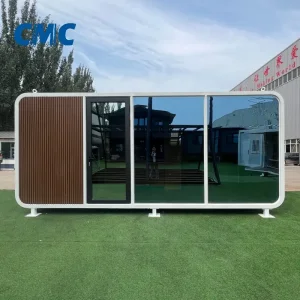
Heavy-duty structural shells refitted into turnkey office pods, outdoor capsule cabins, and site power generation stations. These plug-and-play architectural solutions preserve CSC intermodal transport certifications, allowing worldwide rollouts without non-standard breakbulk freight penalties.
The convergence of structural engineering, real-time telemetry, and circular lifecycle economics.
Modern fleet reefers and smart dry vans integrate low-power GPS, internal humidity, multi-point temperature sensors, and optical door-tamper detection. Data is relayed via dual-mode GSM/Satellite transmitters directly into enterprise ERP and supply chain tracking stacks, offering actionable insights for cold-chain compliance.
In adherence to the Kigali Amendment, our next-generation reefer platforms accelerate transitioning from legacy R134a to ultra-low Global Warming Potential (GWP) coolants—including R-452A and natural CO2 (R-744) units. These systems lower fleet carbon footprints while operating at higher thermal compression efficiencies.
Ongoing materials engineering centers on advanced thermoplastic composite roof panels and ultra-high-strength steel sills. Reducing tare weight by up to 280 kg per 40ft High Cube without compromising yield thresholds directly drives higher payload allowances and reduces per-ton fuel expenditures on intermodal rail and road links.
Reference factory baseline costs, dimension parameters, and structural certifications for wholesale global procurement orders.
| Equipment Classification | Dimensions (L × W × H) | Max Gross Mass (MGM) | Primary Metallurgy / Insulation | Certifications Held | Indicative Price (FOB Base) |
|---|---|---|---|---|---|
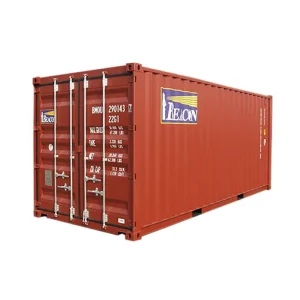
| 20ft Standard Dry Intermodal | 6,058 × 2,438 × 2,591 mm | 30,480 kg (67,200 lbs) | SPA-H Corten Steel / 28mm Plywood | CSC, BV, ISO 1496-1 | $1,850 – $2,250 |
| 40ft High-Cube Dry Cargo (HC) | 12,192 × 2,438 × 2,896 mm | 32,500 kg (71,650 lbs) | SPA-H Corten / Bamboo Composite | CSC, BV, ABS | $3,200 – $3,750 |
| 20ft Dangerous Goods (Hazmat) | 6,058 × 2,438 × 2,896 mm | 30,480 kg | Corten / Chemical Bund / Vents | IMDG, CSC, BV | $3,400 – $4,200 |
| 40ft High-Cube Reefer (Carrier/TK) | 12,192 × 2,438 × 2,896 mm | 34,000 kg | MGSS / AL / Cyclopentane Polyurethane | TIR, ATP, BV, ISO | $14,500 – $18,900 |
| DNV Offshore Half-Height Ore Basket | 6,058 × 2,438 × 1,280 mm | 15,000 kg – 20,000 kg | S355 Structural Steel Shell | DNV 2.7-1, EN 12079 | $5,800 – $7,600 |
| Modular Office Pod / Apple Cabin | 5,800 × 2,150 × 2,450 mm | Custom structural deadweight | Galvanized Frame / Thermal Glass / PU | CE, ISO 9001 Structural | $6,200 – $11,500 |
*Note: Indicative factory rates are subject to real-time Corten raw coil exchange rates, unit customization specifications, refrigeration compressors selected, and order quantities. Bulk discounts apply to multi-TEU lots.
Providing seamless validation, factory gate approvals, and bonded delivery worldwide.
Every newly constructed dry, reefer, or offshore container leaves the facility with its official class inspection dossiers. Data plates explicitly stamp test parameters, including transverse/longitudinal racking, floor deflection (7,260 kg forklift axle test per ISO 1496/1), and stacking proofs.
To eliminate expensive empty repositioning charges, we provide complete Shipper Owned Container (SOC) support. Units are certified seaworthy for single-trip cargo carriage directly from Chinese loading berths to your final discharge port, effectively eliminating ocean relocation empty leg fees.
We provide comprehensive 2D CAD layouts, structural calculations, and 3D step files prior to metal shear. For high-volume projects or specialized custom offshore modules, our engineering teams interface directly with project safety managers to verify crane lifting profiles and structural integration.
Direct responses from our engineering and manufacturing department.
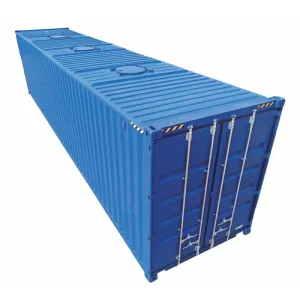
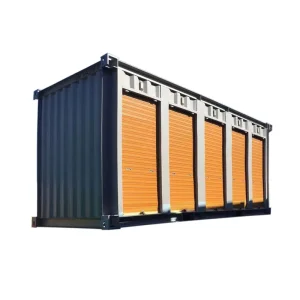
Our standard manufacturing line spans 10ft, 20ft, 20ft High-Cube, 40ft, and 40ft High-Cube variants. For project-specific OEM/ODM procurements, we manufacture half-height bulk containers, open-top units with removable hard/soft roofs, full-side-opening access formats, roll-up shutter configurations, and custom DNV offshore containers built to precise footprint requirements.
We equip active reefer modules with premium global marine systems including Thermo King (Magnum Plus), Carrier Transicold (PrimeLINE, ThinLINE, and X4 series), and Daikin (LXE series). Our engineering team will review your cargo profile, ambient route exposure, and power supply (380V/440V 3-Phase 50/60Hz) to recommend the ideal compressor balance.
Facilities hold documented ISO 9001, ISO 14001, and BV (Bureau Veritas) manufacturing quality certifications. Marine units carry a valid CSC (Convention for Safe Containers) safety approval plate inspected and stamped by classifications societies including BV, ABS, or CCS. Specialized offshore containers comply with DNV 2.7-1 / EN 12079 structural proofing.
An active reefer container relies on an electrically driven mechanical refrigeration unit to actively heat or cool interior atmosphere across precise setpoints (-30°C to +30°C). An insulated container relies on thickened cyclopentane-blown polyurethane foam or sandwich panels without active mechanical machinery, passively protecting pre-conditioned cargo over short distribution routes.
Our fleet of secondary and off-hire containers undergoes comprehensive structural and electrical recertification. Units are examined for frame integrity, corner casting compliance, floor delamination, and gasket seal elasticity. Reefer units receive a full Pre-Trip Inspection (PTI), downloading diagnostic error logs and verifying continuous deep-freeze pull-down tests prior to loading.
Standard inventory models and certified used shipping units have an MOQ of 1 unit. For non-standard structural modifications, customized door apertures, special paint liveries, or engineered modular pods, MOQs depend on retooling overheads—often starting at 2 to 4 units for specialized builds, and scaled up for volume manufacturing lines.
Engineered to withstand the demanding requirements of open-sea rigging, chemical transit, and bulk ore transportation.