
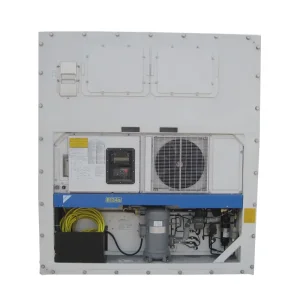
Engineered intermodal shells, offshore certified chassis, and specialized temperature-regulated enclosures manufactured for extreme structural load-bearing conversions and commercial housing integrations.
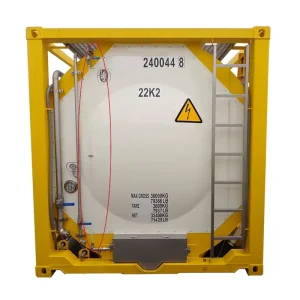

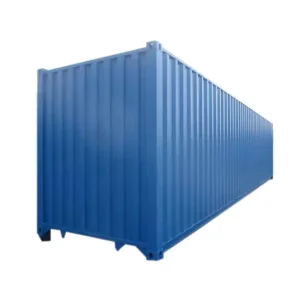
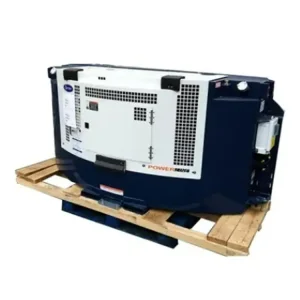
Evaluating commercial demand, sustainability mandates, and the shift from traditional on-site construction to precision-manufactured off-site volumetric living modules.
Municipalities across North America and Western Europe face intense residential shortages. Industrial ODM container conversions allow developer consortia to slash ground-up delivery schedules by 65%, meeting stringent zero-energy mandates with standardized factory builds.
Unlike timber frame or light gauge steel framing, true intermodal ISO units use SPA-H Corten alloy steel. This metallurgic baseline withstands aggressive salt spray exposure, Category 5 hurricane wind loads, and ground seismic accelerations exceeding 8.0 on the Richter scale.
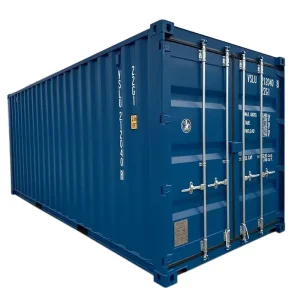
Every custom ODM structure maintains compliant ISO corner castings, twist-lock anchor tolerances, and tare ratings. Units can be directly loaded onto container vessels, standard rail wagons, and flatbed trailers without costly escort permits or non-standard transport surcharges.
Operating from world-class manufacturing bases positioned 100 km from North China seaports, our supply ecosystem provides end-to-end metallurgical processing, precision robotic welding, and automated finishing lines.
Factory operations operate under ISO 9001 / 14001 audited environments. Structural frames are independently inspected and certified by Bureau Veritas (BV) and DNV to guarantee structural compliances.
By coupling upstream Chinese steel plate production with synchronized supply chains for PU/PIR sandwich panels, tempered double glazing, and pre-certified MEP conduits, our client landing costs are minimized.
Our design engineering team utilizes advanced Building Information Modeling (BIM) to accommodate localized building codes, load-bearing openings, integrated structural lintels, and pre-routed electrical raceways.
Located within an hour of major container terminals, completed modules undergo rapid customs consolidation, reducing demurrage risks and expediting oceanic transport across African, European, and American trade lanes.
Evaluating structural modification limits, thermal envelope engineering, and metallurgical longevity standards across differing container modification tiers.
| Conversion Tier | Structural Substrate | Thermal Barrier System | Acoustic Attenuation (STC) | CSC Compliance |
|---|---|---|---|---|
| Standard Dry Cargo Conversion | 1.6mm – 2.0mm SPA-H Corten Corrugated | Rockwool / Glasswool + Gypsum Board (R-13 to R-19) | STC 38 - 42 dB | Retained (Selective Openings) |
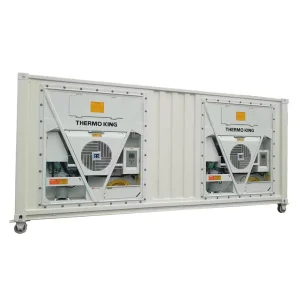
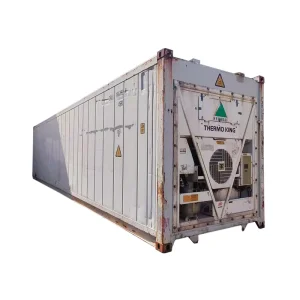
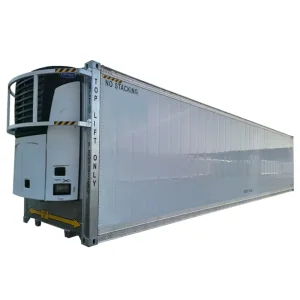
| High-Cube Cold Chain Hybrid | Stainless Interior / Corten Exterior Envelope | Injected Polyurethane High-Density Foam (R-28 to R-36) | STC 48 - 52 dB | Retained with CSC Re-plate |
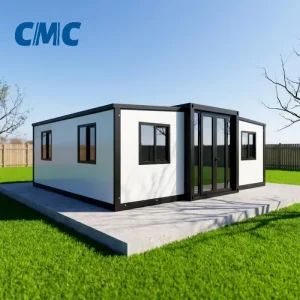
| Engineered Expandable Modular | Heavy Gauge Q345B Steel Frame + 75mm Sandwich Panels | Dual-Layer PIR Core / Aerogel Thermal Breaks (R-32+) | STC 50+ dB | Custom Flatpack/DNV Type Approval |
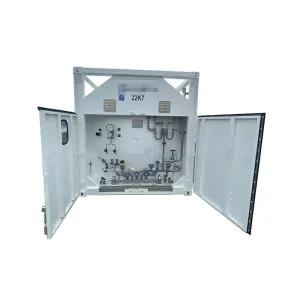
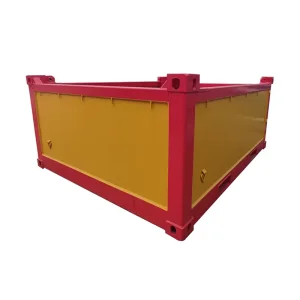
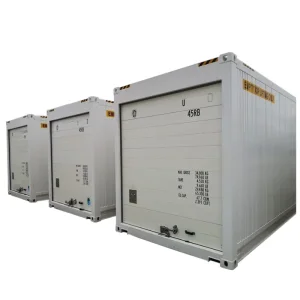
| Offshore Hazardous/Remote Unit | DNV 2.7-1 / EN 12079 High Tensile Steel Cage | Ceramic Fiber / Class A-60 Fire Insulated Sandwich | STC 55 dB | DNV Maritime Lifting Plate |
Proven engineering implementations spanning luxury ecotourism clusters, high-density workforce accommodation, and mission-critical containerized equipment shells.
Factory-finished luxury modular container suites, integrating low-E double glazed panoramic curtain walls, solar inverter arrays, and concealed split plumbing. Installed in remote nature reserves with zero ground soil disruption.
Ruggedized multi-tier accommodation blocks deployed across Western Australia, Central Africa, and Latin America. Built to endure ambient swings from -40°C to +50°C using heavy-duty HVAC and commercial-grade sanitization fittings.
Precision conversion of 20ft and 40ft High Cube containers into secure Battery Energy Storage Systems (BESS) and telecommunication enclosures, featuring automated fire suppression and isolated floor load channels.
Crucial criteria enterprise procurement officers, infrastructure contractors, and property funds must mandate when issuing custom container home RFQs to Chinese manufacturers.
When removing extensive vertical corrugated web plates for window and doorway cutouts, engineers must recalculate structural load pathways. Our design facility installs welded structural tubing (SHS/RHS lintels) to restore moment-resisting capacities for high-stack structural integrity up to 9 units.
International buyers must ensure domestic compliance before factory dispatch. We offer complete custom integration of UL-certified electrical systems (110V/60Hz) for North American markets, AS/NZS 3000 wiring for Australasia, and CE-marked components for the European Economic Area.
Technological advancements redefining modular prefabricated manufacturing, reducing lifecycle carbon impact while enhancing structural durability.
Integrating ultra-thin aerogel insulation blankets inside container corrugations eliminates interior space loss while achieving R-40 thermal barriers. Phase change materials absorb peak solar loads, drastically slashing HVAC power demands.
Modern ODM shipping container homes are engineered with pre-installed IoT hubs, intelligent automated louvers, real-time indoor air quality sensors, and remote power monitoring arrays installed during structural assembly.
Environmental, Social, and Governance (ESG) criteria are driving institutional real estate towards containerized architectures. By repurposing robust intermodal assets, structural embodied carbon is reduced by up to 72% relative to concrete structures.
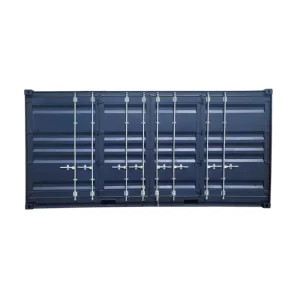
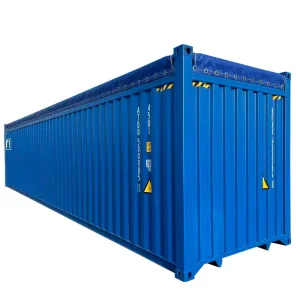
Explore heavy-duty insulated structures, offshore equipment cages, side-door accessible shells, and factory-prefabricated modular container homes ready for worldwide deployment.
Direct answers to the most critical technical, logistic, and regulatory questions submitted by international engineering directors and commercial procurement teams.