Explore our heavy-duty freight units engineered for harsh maritime salt spray, dynamic stack loads up to 216,000 kg, and custom cold-chain thermal thresholds.
A data-backed assessment of international maritime equipment allocation, decarbonization mandates, and material science developments dominating global supply chains.
Over 92% of international maritime shipping containers rely on SPA-H atmospheric corrosion-resistant Corten steel. Raw material pricing swings, energy surcharges, and copper-phosphorus alloy stabilization directly dictate unit CAPEX. Modern container procurement mandates deep visibility into steel mill certifications and automated shot-blasting metrics (SA 2.5 standards) to hedge against long-term structural decay in hyper-saline trade lanes.
With the International Maritime Organization's Carbon Intensity Indicator (CII) and EEXI mandates, naval architects demand lighter, thermally superior container fleets. Eco-conscious buyers transition toward waterborne anti-corrosion paints and vacuum insulation panels (VIP) in reefer boxes, slashing auxiliary refrigeration generator fuel usage by up to 28% during trans-Pacific and trans-Atlantic vessel transits.
Real-time telematics integration has moved from luxury to prerequisite. Global supply chains now leverage battery-autonomous, solar-harvesting IoT nodes that stream continuous GPS coordinates, internal barometric pressure, sudden shock g-force vectors, and precision internal chamber temperatures directly to enterprise cloud ERP platforms, minimizing high-value cargo losses in transit.
Inside CIMIC's advanced manufacturing facilities: Automated robotics, rigorous metallurgical verification, and dock-adjacent logistics that outpace conventional lead times.
Every dry cargo and offshore container is constructed along automated production lines featuring multi-axis industrial robots. Submerged arc welding (SAW) and continuous gas metal arc welding (GMAW) eliminate porosity defects along primary bottom side rails and top corner castings. Structural dimensions conform to ISO 668 tolerances within ±1.5mm, ensuring frictionless automated gantry loading at container terminals worldwide.
Following high-velocity steel grit blasting to achieve an anchor profile of 40–75 microns, structural assemblies receive an automatic three-layer protective shield: an inorganic zinc-rich epoxy primer (providing cathodic sacrificial protection), a high-build epoxy intermediate seal, and a flexible polyurethane topcoat. This chemistry guarantees over 1,500 hours of continuous ASTM B117 salt spray endurance without blistering.
Standard dry shipping containers feature 28mm-thick, 19-ply treated marine-grade apitong or keruing plywood, strictly meeting Australian Quarantine and Inspection Service (AQIS) treatment mandates against pest vector transfer. For heavy machinery or chemical drums, we configure heavy embossed anti-skid steel floors welded directly onto structural cross-members rated to withstand front forklift axle loads of 7,260 kg (16,000 lbs).
Situated in the heart of Northern China's manufacturing basin—just ~100 km from Tianjin Xingang and with direct distribution channels to Suzhou / Shanghai—our manufacturing yards avoid overland drayage bottlenecks. Finished equipment is moved rapidly from final factory water-tightness validation to carrier staging depots, significantly lowering detention risk and inland transit surcharges.
Comprehensive engineering baselines, structural capacities, and tiered pricing bands designed to guide procurement directors, logistics engineers, and capital planners.
| ISO Series / Model Designator | Dimensions (L × W × H) | Tare Wt. (kg) | Max Payload (kg) | Internal Volume | Thermal / Spec Ratings | Standard Certification | Indicative Price (FOB USD)* |
|---|---|---|---|---|---|---|---|
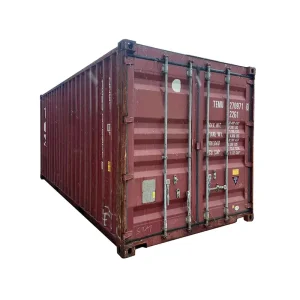
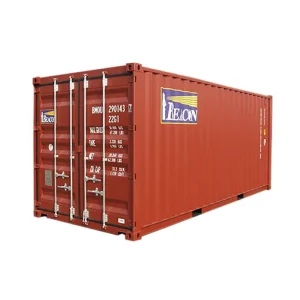
| 20ft GP General Purpose Dry | 6,058 × 2,438 × 2,591 mm | 2,180 kg | 28,300 kg | 33.2 m³ (1,172 cu.ft) | Standard Passive Dry | ISO / BV / CSC | $1,850 – $2,350 |
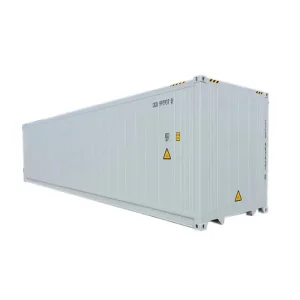
| 40ft High Cube Dry (40HC) | 12,192 × 2,438 × 2,896 mm | 3,800 kg | 28,700 kg | 76.4 m³ (2,698 cu.ft) | Extra Height / Apitong Ply | ISO / BV / CSC | $3,150 – $3,850 |
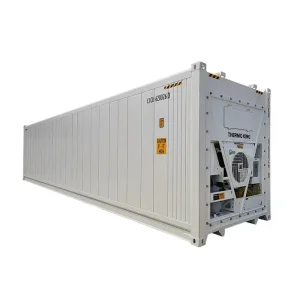
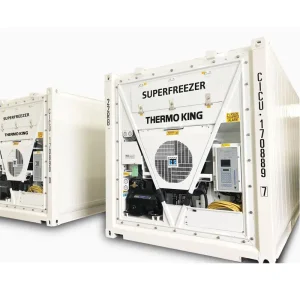
| 40ft High Cube Certified Reefer | 12,192 × 2,438 × 2,896 mm | 4,480 kg | 29,520 kg | 67.5 m³ (2,385 cu.ft) | Thermo King / Carrier / Daikin (-30°C to +30°C) | BV / ISO / ATP | $9,800 – $14,500 |
| 40ft Thickened Foam Insulated | 12,192 × 2,438 × 2,896 mm | 3,950 kg | 26,530 kg | 68.0 m³ (2,401 cu.ft) | PU Injection Foam (No Active Compressor) | ISO / BV Certified | $5,200 – $6,800 |
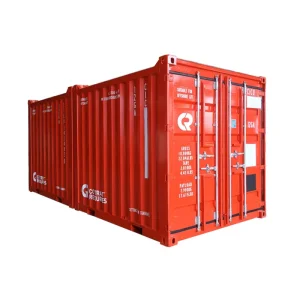
| 20ft Offshore Dry Cargo Container | 6,058 × 2,438 × 2,591 mm | 3,100 kg | 11,900 kg | 29.5 m³ (1,041 cu.ft) | Heavy Reinforced Pad Eyes & Slings | DNV 2.7-1 / EN12079 | $4,900 – $6,400 |
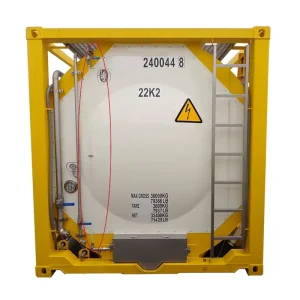
| 20ft UN Portable ISO Tank Container | 6,058 × 2,438 × 2,591 mm | 3,550 kg | 32,450 kg | 21,000 – 26,000 L | 316L Stainless Shell / Steam Heating | ASME / IMDG / ADR | $12,500 – $18,900 |
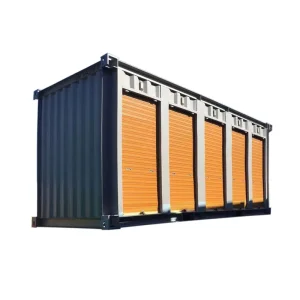
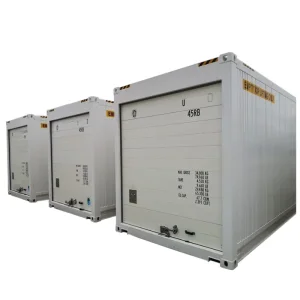
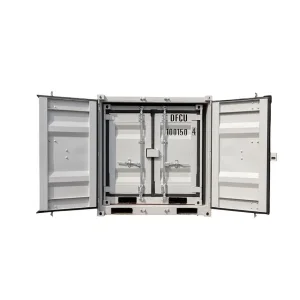
| Mini Storage Nested Series (4ft–10ft) | Modular Nested Sizes | 450 – 1,200 kg | 2,500 – 8,000 kg | Nested Form Factors | Roll-Up or Steel Double Doors | OEM Industrial Spec | $950 – $1,750 |
*Note: Pricelist quotes represent typical volume spot-order ranges and may fluctuate subject to regional raw Corten steel spot prices, currency exchange dynamics, selected paint chemistry, and bespoke client modifications. Volume tiers apply for orders exceeding 50 TEUs.
From high-seas mineral transport to pharmaceutical cold chains and rapid disaster relief modular housing, discover how engineered containers perform in mission-critical environments.
Our 40ft High-Cube Reefer Containers integrate advanced Dehumidification Systems (down to 50% relative humidity) and controlled atmosphere valves to delay the respiration rate of exotic perishables. By keeping core cargo temperatures stable within ±0.25°C of the setpoint across 35-day oceanic voyages, spoilage rates drop by more than 85% compared to legacy reefers.
Certified for dynamic open-ocean lifting in the North Sea, Gulf of Guinea, and Southeast Asian oil & gas basins. Units endure high-amplitude vessel heave, four-point dynamic sling tension tests, and Charpy V-notch impact tests at -20°C. Fabricated with structural tubing that prevents rupture under intense side-impact collisions with rig hulls.
Subject to extreme continental temperature deltas ranging from -45°C in Siberian transits to +40°C across Central Asian corridors, intermodal containers require specialized high-elasticity door gasket compounds (EPDM) and thickened insulated side panels that avoid inner wall condensation and freeze-thaw cargo damage.
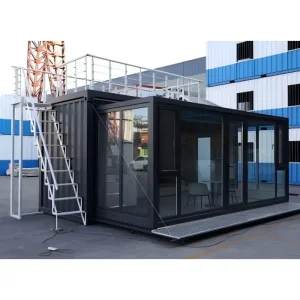
Our foldable and expandable prefabricated container houses provide rapid structural mobilization for mining camps, military defense installations, and humanitarian emergencies. Units feature structural fire-rated rockwool wall cores, integrated electrical conduit channeling (UL/CE compliant), and fully equipped ensuite sanitary blocks.
A zero-compromise inspection protocol ensures every shipping and storage unit complies strictly with International Convention for Safe Containers (CSC) guidelines.
Each container series undergoes destructive and non-destructive type tests replicating extreme stack pressures. Corner posts are subjected to a combined axial load of 86,400 kg per post (equivalent to stacking nine fully laden 24,000 kg containers atop one another). Transverse racking tests guarantee container squareness under high-sea wave yaw and pitch forces.
To eliminate moisture ingress risks that trigger agricultural mold and dry cargo decay, finished containers undergo a two-phase hermetic test. First, an internal high-intensity 10,000-lumen light-tightness verification identifies microscopic pinhole weld defects. Second, a 2.5 bar water-hose deluge test targets all perimeter door gaskets, header profiles, and ventilation baffles.
For custom reefer units incorporating Thermo King, Daikin, or Carrier machinery, engineers execute an automated multi-stage Pre-Trip Inspection (PTI). The system logs thermistor calibration accuracy, probe readouts, high-pressure refrigerant cut-outs, defrost heater cycling, and compressor power draw across a continuous 6-hour thermal pulldown cycle down to -25°C.
Clear, unvarnished guidance on customs certifications, MOQ variables, manufacturing lead times, and specialized design configurations.
All dry and refrigerated sea containers produced by CIMIC feature a valid CSC (Convention for Safe Containers) safety approval plate and a Customs seal approval plate. Certification is overseen by major international classification societies, primarily Bureau Veritas (BV) and ISO registrars. This ensures full intermodal compliance across ocean liners, port terminals, and rail transit networks worldwide without border-crossing disputes.
An active reefer integrates an electro-mechanical compressor unit (Carrier, Thermo King, or Daikin) requiring 380V/440V 3-phase power to actively extract heat and maintain temperatures between -30°C and +30°C. An insulated container features thick polyurethane or polyisocyanurate foam panels without moving components, preventing temperature spikes passively during short regional hops or transshipment dwell periods.
Yes. In addition to standard ISO 20ft and 40ft units, our facilities fabricate customized lengths including mini-storage modules (4ft, 5ft, 6ft, 8ft, 10ft), full side-opening bifold doors, end roll-up roller shutters, removable open-tops, and three-in-one multi-temperature reefer compartments tailored to unique fleet and distribution needs.
Standard inventory units and certified used shipping containers have an MOQ of just 1 unit. For bespoke OEM/ODM projects requiring specialized structural re-tooling, distinct paint color schemes, custom side doors, or internal partition walls, the MOQ typically begins at 2 to 4 units depending on the engineering complexity involved.
Our manufacturing and staging yards sit roughly 100 km from the international terminals of Tianjin Port. This close proximity slashes inland drayage fuel costs, prevents terminal connection delays, and speeds up vessel booking-to-loading turnaround times, saving importers an estimated $300 to $650 per TEU in overland transfer costs.
Standard ISO containers are engineered for vessel cellular guides and vertical stacking. DNV 2.7-1 offshore containers are explicitly built for open-sea crane lifting onto offshore oil and gas platforms under harsh wave heave conditions. They incorporate high-impact structural steel profiles, Charpy-tested weldments, pad eyes rated for four-leg lifting slings, and secondary structural redundancies.
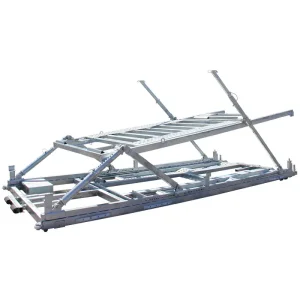
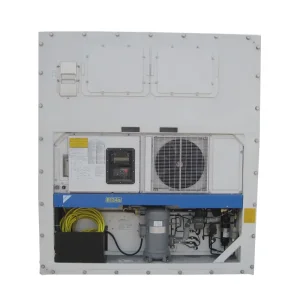
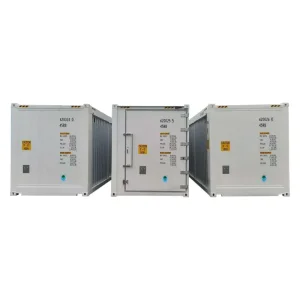
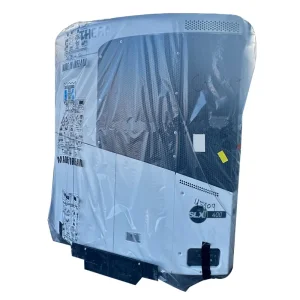
Complete your fleet deployment with vehicle transport racking, standalone refrigeration generator units, deep freeze containers, and certified offshore equipment.
A rigorous logistics protocol safeguarding cross-border container transactions against demurrage shocks, customs impounds, and unexpected freight surcharges.
Under Free On Board (FOB) terms, CIMIC manages export customs declarations, local port terminal handling charges (THC), and berth marshaling. Buyers gain direct control over ocean carriage freight rates and liner contracting while leveraging our low-cost export processing corridors in Northern and Eastern China.
For industrial buyers, EPC contractors, and agricultural operators requiring door-to-door delivery, we negotiate ocean contracts with leading carriers (Maersk, COSCO, MSC, CMA CGM). We manage transit marine insurance (Institute Cargo Clauses A - All Risks) and streamline local import clearance documentation across Europe, the Americas, and Africa.
Eliminate costly carrier demurrage and detention fees permanently by purchasing new or used units on an SOC basis. Importers load outbound cargo inside their newly bought containers in China, shipping them to their destination terminal without return obligations, creating an immediate double-dividend in logistics savings.
