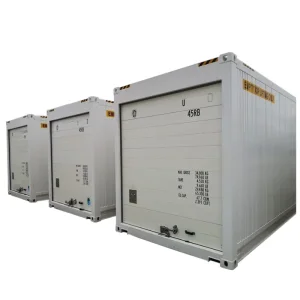
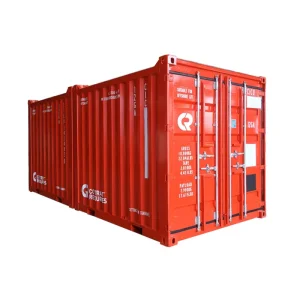
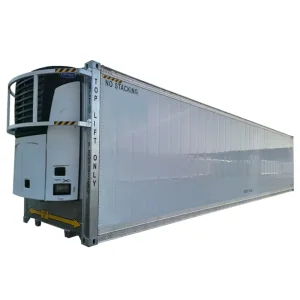
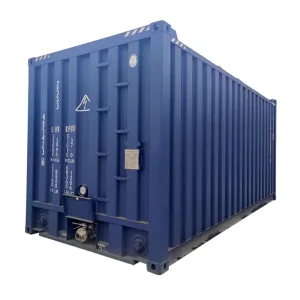
Engineering industrial-grade 20ft & 40ft hard-top open-top shipping containers optimized for Hanshin Port, Osaka heavy machinery manufacturing, and high-cube breakbulk logistics.
Send Inquiry NowDirect factory configurations engineered for top-loading flexibility, extreme payload stability, and seamless cross-border maritime integration into Kansai shipping terminals.
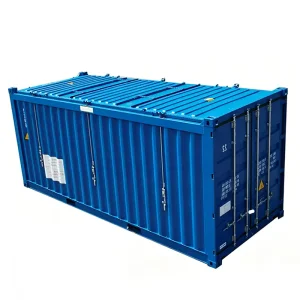
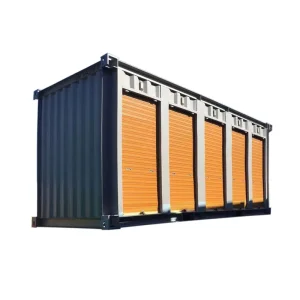
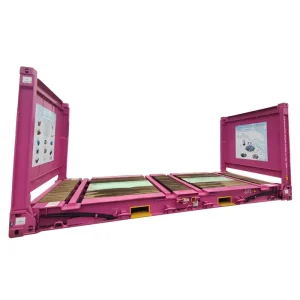
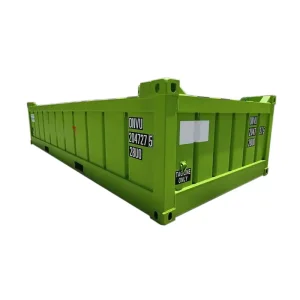
The Kansai metropolitan region, anchored by the port facilities of Osaka and Kobe (Hanshin Port cluster), represents one of East Asia's most sophisticated manufacturing epicenters. Characterized by high-precision computer numerical control (CNC) machine tools, industrial robotics, precision metal forgings, railway bogies, power generation equipment, and structural architectural fabrications, Osaka's commercial throughput demands logistics containers that exceed standard dry-freight capabilities. Standard end-loading ISO dry boxes inherently constrain overhead crane operations, while flexible soft-tarpaulin open-top units often fail to satisfy Japan's rigorous cargo security, weather-tightness, and multi-tier port yard stacking standards.
This is where our specialized China hard-top open-top container manufacturing lines deliver an unmatched operational synergy for Osaka importers, Japanese forwarders (NVOCCs), and multi-modal logistics carriers. Built with a fully removable, high-tensile corrugated Corten steel roof structure, our hard-top open-top containers enable overhead gantry crane access at Sakai-Senboku, Nanko, and Yumeshima container terminals. Concurrently, once locked via heavy-duty corner-casting cam devices, the unit restores full structural box rigidity, functioning exactly like a standard dry box capable of bearing a 9-high container stack at maximum gross weight (30,480 kg to 32,500 kg).
Technical Information Gain: Unlike tarpaulin-topped containers susceptible to fabric weathering, condensation seepage, and physical tampering, the hard-top container features an engineered gasket seal profile paired with removable transverse roof bows and a high-rigidity steel lid. This eliminates transit moisture ingress during monsoon downpours across the East China Sea and simplifies port clearance under Japan Customs and Port Authority guidelines.
In global multimodal shipping, the economic loss associated with traditional breakbulk ocean freight—stemming from excessive terminal handling fees, extended port turnaround cycles, weather exposure damage, and complex lashing requirements on conventional cargo vessels—has propelled maritime operators toward specialized containerization. Hard-top open-top units bridge the critical gap between heavy over-height/over-weight machinery and standard container liner vessels. By utilizing China's advanced container manufacturing clusters, global shippers avoid the exorbitant freight surcharges of conventional flat racks when the cargo only requires overhead crane loading without exceeding ISO exterior dimensional boundaries.
Our industrial production facilities in Tianjin and Suzhou maintain a pivotal competitive advantage in the engineering of hard-top open-top containers. Through seamless vertical integration with domestic primary steel suppliers (such as Baosteel and Shougang) providing certified SPA-H weathering steel (Corten-A), we maintain complete metallurgy traceability, ensuring anti-corrosion resilience against the saline atmospheric conditions prevalent across Osaka Bay.
Every corner post, bottom side rail, and removable top lintel is fabricated through synchronized multi-axis welding robots. This guarantees weld seam penetration, zero micro-porosity, and absolute structural compliance with ISO 1496-1 transverse racking load requirements.
Each production run undergoes rigorous third-party surveyor validation, including Bureau Veritas (BV), China Classification Society (CCS), and Det Norske Veritas (DNV). CSC safety approval plates are riveted directly to the door, certified for instant maritime deployment.
Located within 100 kilometers of prime deepwater container terminals, our facilities offer direct weekly feeder sailings to Osaka Port. Typical sea transit is compressed to 48–72 hours, slashing inventory carrying costs for Japanese precision industrial conglomerates.
Understanding the precise mechanical and economic parameters allows procurement directors to select the exact asset classification required for heavy industrial operations:
| Specification / Feature | China Hard-Top Open-Top (CIMIC) | Standard Soft-Top Open-Top | Platform / Flat Rack Container |
|---|---|---|---|
| Roof Structure | Removable Corten Steel Panel + Seal Locking Bars | PVC / Vinyl Tarpaulin with TIR Cord | None (Open Frame) |
| Stacking Capability | Full 9-High ISO Yard Stacking (Roof On) | Limited / Top Tier Restricted | Requires Interlocking; Low Tier Utility |
| Cargo Protection | Hermetic Weather Resistance; Tamper Proof | Weather Resistant; Vulnerable to Punctures | Requires Custom Crating & Tarpaulins |
| Loading Accessibility | Overhead Crane & Rear Swing Door | Overhead Crane & Rear Swing Door | Overhead Crane, Side Forklift, End Roll |
| Hanshin Port Stacking Fees | Standard Dry Box Storage Tariff | Standard Special Box Tariff | OOG High-Tariff Stacking & Demurrage |
| Lashing Ring Capacity | 28x Internal Heavy Rings (Up to 4,000 kg each) | Standard Tie Rings (1,000–1,500 kg each) | Heavy External Lashing Winches (5,000 kg) |
The operational agility of hard-top open-top containers manifests across distinct industrial clusters throughout Osaka Prefecture, Hyogo, and the greater Kansai economic zone. Our engineers customize interior floor configurations, transverse roof bows, and lashing rings to solve concrete logistical pain points.
Osaka manufacturers in Higashiosaka and Kadoma frequently export high-tonnage stamping presses, vertical lathes, and machining centers. These bulky units cannot be loaded horizontally through rear doors without damaging floor guide tracks. Our hard-top units permit direct crane drop-in, anchored with 4,000 kg integrated floor lashing points.
For large architectural panels imported into Kansai construction hubs, vertical A-frame loading via overhead hoist is imperative. Once lowered into the container, the steel hard-top is crane-fitted and clamped down, shielding expensive tempered glass from oceanic moisture and air pollutants.
With ongoing urban renewal and infrastructure engineering in the Osaka Bay Area, oversized structural steel beams, seismic dampers, and modular construction assemblies are continuously transported. Hard-top containers protect these coated components from corrosion during ocean transit.
When sourcing specialized open-top equipment from Chinese factories, experienced procurement directors evaluate total lifecycle value rather than initial invoice price alone. Critical assessment vectors include:
Corten Steel Quality Grading: Insist on genuine SPA-H weathering steel for all corrugated side sheets and roof panels. Inferior mild steel compromises paint adhesion and deteriorates within 24 months in marine salt environments.
Floor Reinforcement Engineering: While standard dry boxes utilize 28mm marine-grade plywood, hard-top open-top units carrying dense machine tools require upgraded 35mm multi-ply bamboo-hardwood composites or integrated checker-plate steel flooring over reinforced cross-members.
Roof Handling Ergonomics: Our patented removable roof header design features balanced sling hoist points and a swinging/removable rear header bar. This ensures forklifts can enter the container even when the roof is detached without causing head-clearance collision damage.
Clear, technical insights addressing certification, maritime compatibility, handling procedures, and Osaka port logistics.
The steel roof is equipped with dedicated ISO corner lifting lugs allowing quick removal via standard crane slings or forklift spreader attachments. Once repositioned, heavy-duty locking cams and specialized EPDM continuous rubber compression gaskets create a 100% hermetic seal that complies with ISO weather-tightness requirements.
Yes. When the hard-top lid is locked in position, the container possesses identical structural load-bearing capacity to an ISO standard dry container. It is certified for 9-high multi-tier container stacking in vessel holds and port terminal yards up to a total stack weight of 216,000 kg.
If the cargo exceeds the standard roof line, the steel hard-top can either be lashed internally against the container side wall or transported on a separate flat rack. The unit then operates as an open-top Out-of-Gauge (OOG) container with removable roof bows accommodating the profile.
Yes. All containers delivered from our factories feature a stainless steel CSC (International Convention for Safe Containers) safety approval plate stamped by classification bodies such as BV, CCS, or DNV. This allows immediate registration and integration into Japanese intermodal rail and road networks.
Standard production lead time ranges from 15 to 25 days depending on customization (such as checker-plate flooring or custom lashing systems). Ocean transit from Tianjin or Shanghai port to Osaka Port takes 3 to 5 days, enabling exceptionally agile supply chain operations.
Yes. In addition to standard 20ft and 40ft units (8'6" height), our factory specializes in 40ft High-Cube (9'6" height) hard-top open-top models, providing extra vertical clearance for modern industrial equipment and heavy project cargo.
Explore our certified line of specialized containers manufactured for Japanese and international supply chains.