
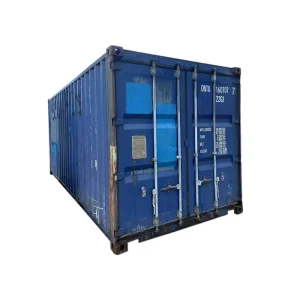
Grade-A CW / IICL
Pre-inspected, CSC-plated, and structural cargo-worthy dry shipping container units directly mobilized from top Chinese coastal ports (Tianjin, Qingdao, Shanghai) to Alexandria, Port Said, and Ain Sokhna.
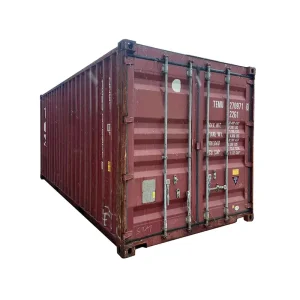
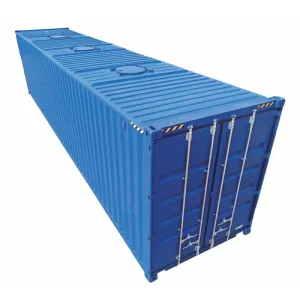
Secure volume container batches with certified CSC safety plates and streamlined ACID / Nafeza advance customs verification.
The Arab Republic of Egypt represents one of the most critical crossroads in global logistics. Anchored by the 193-kilometer Suez Canal—which handles roughly 12% of global maritime commerce—Egypt has transformed into a focal node under the "Egypt Vision 2030" industrial revitalization program. The establishment of the Suez Canal Economic Zone (SCZone), paired with dramatic infrastructural overhauls across the Mediterranean ports of Alexandria, Dekheila, and Damietta, as well as the Red Sea gateway of Ain Sokhna, has fueled an unprecedented demand for reliable, cost-effective containerized shipping and storage solutions.
While the demand for pristine newly manufactured containers remains steady, used dry cargo containers (predominantly 20ft General Purpose and 40ft High-Cube units) have emerged as the foundational workhorse for Egyptian enterprises. In the face of foreign exchange constraints, fluctuating currency valuations (EGP), and tight capital allocation timelines, local contractors, freight forwarders, and agricultural conglomerates increasingly opt for grade-A second-hand ISO dry containers imported directly from Chinese factory hubs and coastal depot operations.
In developing logistics ecosystems, the purchase of new shipping containers introduces unnecessary capital expenditure. A used dry cargo container retiring from Tier-1 container lines (e.g., COSCO, Maersk, CMA CGM) retains over 80% to 90% of its structural rigidity and hermetic sealing capability, yet is available at 40% to 60% of the cost of a brand-new ISO container. For Egyptian project developers working on massive real estate expansions—such as the New Administrative Capital (NAC), New Alamein City, and New Mansoura—pre-owned containers provide rapid-deployment solutions for on-site secure storage, hazardous material sheltering, workshop conversions, and temporary personnel accommodation.
Furthermore, Egypt's expanding dry port infrastructure—most notably the 6th of October Dry Port (DP6) and the planned inland logistical nodes in 10th of Ramadan City and Sadat City—demands large inventories of intermodal freight boxes to decongest Alexandria and Dekheila container yards. Chinese used dry containers bridge this infrastructure gap seamlessly.
Egypt's operating environment is characterized by intense solar irradiation, extreme coastal saline mist (in Alexandria and Damietta), and hyper-arid desert sands (in the Western and Eastern Deserts). Selecting the correct metallurgical and condition grade is imperative.
| Classification Grade | Structural Rigidity & Steel Spec | Hermetic / Watertight Status | CSC Plate Status | Optimal Egyptian Application |
|---|---|---|---|---|
| IICL-5 / IICL-6 (Premium Used) | SPA-H Corten steel; minimal surface oxidation; straight corner posts. | 100% Wind & Water Tight (WWT); certified gasket integrity. | Valid & Active | Intermodal transit, high-value electronics, agricultural exports via Alexandria. |
| Cargo Worthy (CW) | Sound frame; light floor scuffs; fully stackable up to 9-tiers. | Completely watertight; floor timber intact (28mm apitong hardwood). | Valid / Recertifiable | Regional feeder transshipment, SCZone bonded warehouse dry storage. |
| Wind & Water Tight (WWT) | Cosmetic surface rust, minor dents; zero structural member distortion. | Hermetically sealed against desert sandstorms (Khamaseen) and rain. | Depot Inspected | On-site equipment storage at Benban Solar Park, construction laydowns. |
| As-Is / Where-Is (Architectural) | Non-structural secondary units; suitable for cutting and structural framing. | Requires refitting or roof patch repair depending on project design. | Expired / Architectural Use | Modular housing, site offices, pop-up commercial venues in New Cairo. |
Our used containers feature atmospheric corrosion-resistant Corten steel. When exposed to maritime atmospheres like Alexandria, it forms an insoluble passivating oxide layer, halting degradation.
Equipped with heavy-gauge EPDM rubber door gaskets. Engineered to create a vacuum seal that keeps fine desert dust and airborne humidity out of dry cargo cavities during cross-desert hauls.
Every Cargo Worthy container supplied from China carries an authentic International Convention for Safe Containers (CSC) plate, validating gross weight limits up to 30,480 kg (67,200 lbs).
Why do tier-one Egyptian importers bypass regional middlemen and procure directly from Chinese manufacturing and depot aggregators? The answer lies in volume predictability, direct-from-source grading veracity, and unmatched port-side integration.
Tianjin, Qingdao, Ningbo, and Shanghai harbor the largest concentration of container handling facilities worldwide. As hundreds of thousands of TEUs (Twenty-Foot Equivalent Units) cycle through domestic dry-bulk and export cycles, top-tier secondary containers are systematically sorted and stored in coastal depots. Sourcing from our Tianjin and coastal storage hubs gives Egyptian clients direct access to huge inventory pools, avoiding the 20% to 35% markups charged by local secondary brokers in Cairo or Alexandria.
Furthermore, Chinese suppliers provide complete end-to-end multi-modal staging. For customers moving equipment to Egypt, containers can be provided under "One-Way Cargo" (Shipper-Owned Container / SOC) modalities. Egyptian importers can load commercial export cargo in China, move it under single-trip freight terms to Alexandria or Sokhna, discharge the cargo, and subsequently retain the container as an amortized storage asset or intermodal fleet unit.
Operating in Egypt requires strict adherence to customs regulations. Egypt's National Single Window for Foreign Trade Services (Nafeza) mandates an Advance Cargo Information Declaration (ACID) number for all maritime imports. Failure to comply leads to severe demurrage penalties or cargo rejection at destination ports.
Our experienced export documentation desk handles direct coordination with the importer’s Egyptian customs broker, ensuring all commercial invoices, packing lists, BV (Bureau Veritas) or SGS condition survey certificates, and Bills of Lading (B/L) are uploaded to the CargoX blockchain platform with complete ACID mapping. Whether clearing via the Egyptian Customs Authority at Alexandria Port, Port Said West, or Ain Sokhna Port, our documentation ensures seamless, penalty-free entry into the country.
Used shipping containers are no longer just maritime cargo vessels—they are versatile modular building blocks driving Egypt's ambitious infrastructure and industrial projects.
Contractors operating in the New Administrative Capital rely on used 40ft HC containers to securely store high-value MEP fixtures, architectural glass, and power cables, protecting them from heat, dust, and theft.
Egypt's solar and wind megaprojects in Aswan (Benban) and Zafarana use modified 20ft and 40ft Corten containers to house inverter banks, lithium-ion battery arrays (BESS), and localized SCADA control hardware.
In the New Valley and Toshka reclamation sectors, used containers serve as dry bulk depots for fertilizers, seed reserves, and irrigation pumps, providing reliable protection against desert weather extremes.
Answers to technical, regulatory, and logistics questions commonly asked by Egyptian logistics directors, procurement managers, and civil contractors.
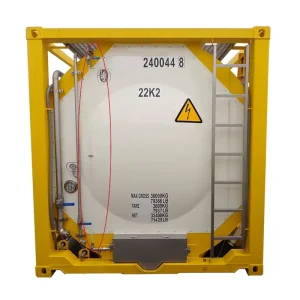
In addition to standard dry freight containers, we provide specialized cold chain, bulk fluid, and heavy offshore units engineered for complex industrial applications across Egypt.
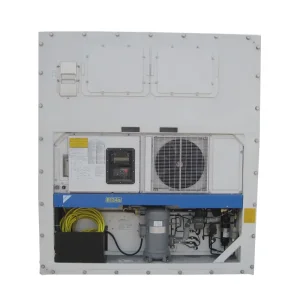
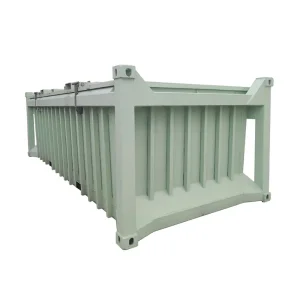
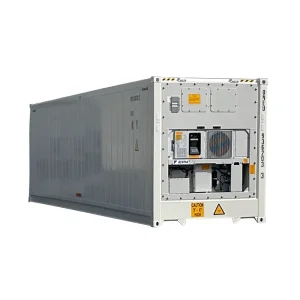
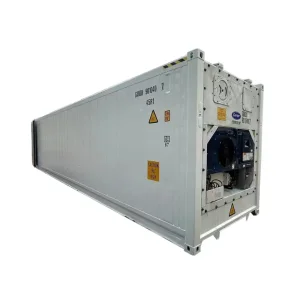
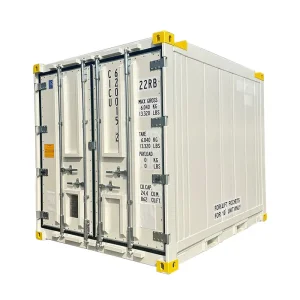

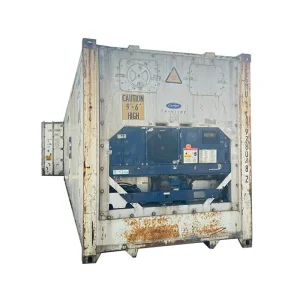
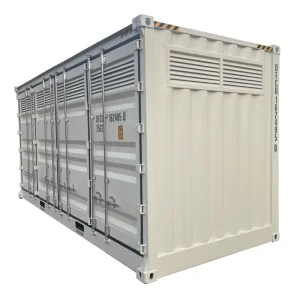
Direct supply line from Chinese port yards to Alexandria, Damietta, and Ain Sokhna. Tailored logistics packages for Egyptian corporate buyers.