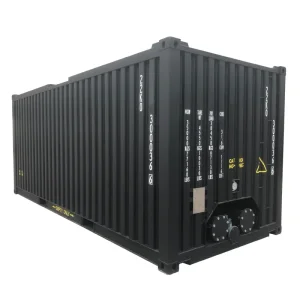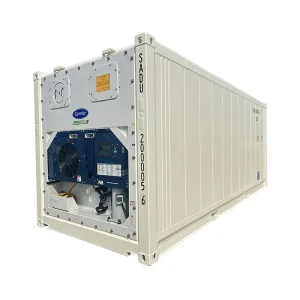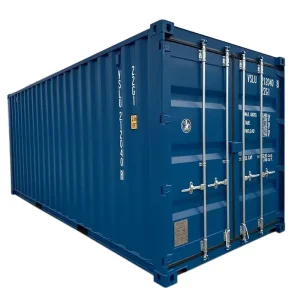
Core modular platforms and multi-temperature reefer configurations designed for rapid side-loading deployment across Tokyo Bay intermodal transit lines.
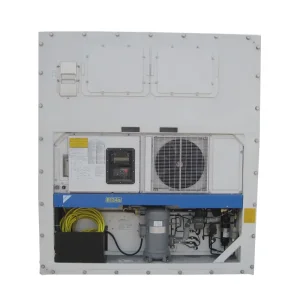
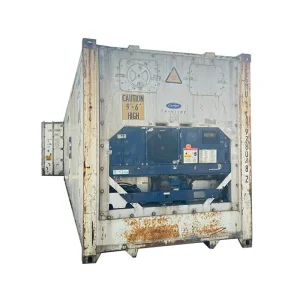
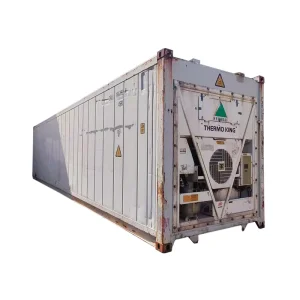
Analyzing structural shifts across the Greater Tokyo Metropolitan area, Keihin Port complex, and land-constrained multimodal hubs requiring specialized side-opening access.
The Greater Tokyo Area, representing one of the densest industrial and consumer concentrations on Earth, faces unique logistics challenges characterized by high land costs, rigid terminal berth constraints, and strictly governed transport windows. Within the massive terminals of the Port of Tokyo (Oi, Aomi, and Shinagawa container terminals), standard end-loading dry cargo containers encounter substantial throughput bottlenecks when integrating with regional micro-distribution chains and multi-story distribution centers across Shinagawa, Koto, and Ota wards.
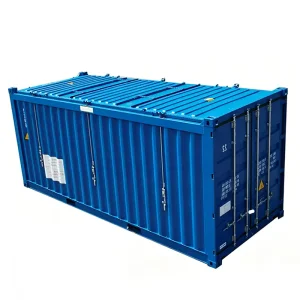
As a leading side open door container manufacturer supplying the Tokyo market, we engineer solutions designed specifically around Japan Industrial Standards (JIS) and the operational demands of domestic haulage. The conventional end-door ISO container necessitates complete longitudinal access—requiring extensive clearance yard-side for forklifts to maneuver inward. In the compact staging aprons of Tokyo’s bayfront logistics facilities, side-opening containers (full bi-fold side access and tri-fold configurations) eliminate up to 60% of unnecessary forklift travel time, allowing lateral cross-docking right alongside narrow delivery corridors.
Full integration with the Keihin Port strategy, linking Tokyo, Kawasaki, and Yokohama with side-open heavy-duty units that maximize throughput at limited-apron berths.
Equipped with low-friction roller options and full side spans that integrate directly into Japanese Automated Guided Vehicle (AGV) sorting warehouses.
Enhanced structural reinforcement featuring high-yield Corten steel cross-members compliant with strict Japanese construction and safety mandates.
How side open door intermodal containers are transforming multimodal logistics, hazardous material handling, and smart intermodal transit worldwide.
Across the international shipping ecosystem, traditional maritime containerization is undergoing a pronounced shift toward customization. The proliferation of automated manufacturing components, high-value battery packs (Energy Storage Systems / EV lithium arrays), aerospace assemblies, and large-format structural modules has exposed the severe limitations of standard end-loading dry boxes. When freight cannot be loaded via standard pallet jack entry, specialized handling becomes mandatory.
As premier manufacturers, our engineering teams address this by developing Full Side Open (FSO) and Open Side High Cube (OS-HC) containers. These intermodal platforms combine the stackable structural integrity of standard ISO containers with full unrestricted side access. Through proprietary door header designs and high-tensile continuous hinges, our side-door containers avoid deflection and corner-post torque, even under multi-tier 9-high container vessel stacking conditions.
Engineered for oversize industrial machinery, wind turbine parts, and precision robotic modules that require wide overhead crane and direct lateral forklift stowage.
Rapid emergency access compliant with IMDG codes, permitting instant lateral inspection of chemical barrels and lithium battery shipments without de-vanning.
Seamless transition between deep-sea vessels, JR Freight rail platforms, and regional flatbed trucks without re-packaging or cross-dock transfer losses.
Tailored engineering workflows deployed to satisfy Japanese civil infrastructure, industrial production, and cold-chain precision.
In high-density districts such as Chiyoda, Minato, and Shinjuku, construction staging areas are restricted to narrow road easements. Conventional container un-stuffing blocks lanes and invites strict municipal penalties. Our Tokyo-spec 20ft and 40ft full-side open containers function as mobile, secure warehouse pods. Construction teams can slide open entire side panels parallel to the building facade, offloading long structural girders, curtain-wall glass modules, and pre-cast concrete elements directly to tower cranes without impeding city traffic.
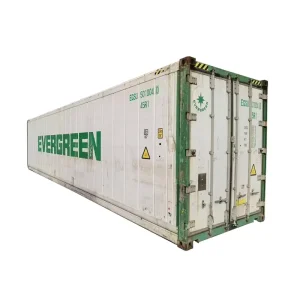
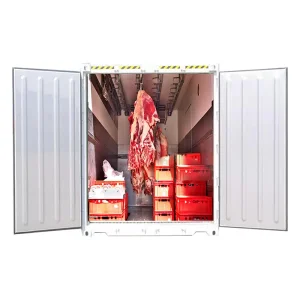
Handling delicate marine products, wagyu beef, and fresh produce traversing Tokyo’s Toyosu central wholesale market demands precision climate preservation. Combined with our advanced refrigeration equipment, side-open refrigerated containers allow pallet-level inventory segmentation. Workers access individual seafood totes via dedicated side doors without venting the entire internal chilled volume—drastically mitigating temperature spikes and slashing power consumption during daily multiple-drop delivery routes.
Continuous innovation roadmap focused on structural light-weighting, IoT sensor integration, and smart door telemetry.
Deploying ultra-high-yield SPA-H weathering steel coupled with localized carbon-fiber side lintel stiffeners. This reduces tare weight by 14% while retaining full 30,480 kg maximum gross mass certification for highway weight-limit compliance in Japan.
Replacing manual dual-locking gear cams with hydraulic/pneumatic actuated electronic locking tracks. Controlled via secure Bluetooth mesh or cab-side push-button, enabling single-operator side door deployment in under 45 seconds.
Embedded EPDM gasket monitoring sensors measuring micro-deflections, seal compression pressure, and moisture ingress in real time, transmitting predictive maintenance data directly to Tokyo fleet maintenance terminals.
In-depth responses covering certification, structural integrity, delivery protocols, and customization options for Japanese and international buyers.
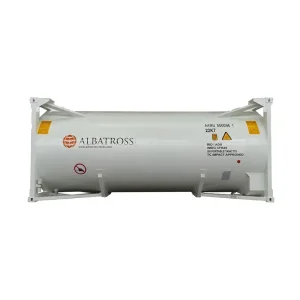
Explore our broader line of heavy-duty, ISO tank, bulk carrier, and specialized refrigerated containers built for extreme commercial performance.