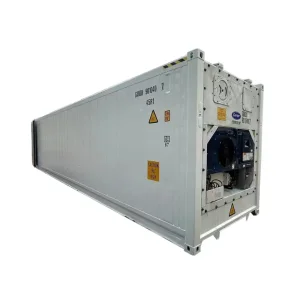
Pre-engineered thermal retention and refrigeration systems ready for distribution across Bratislava, Žilina, Košice, and regional transit arteries.
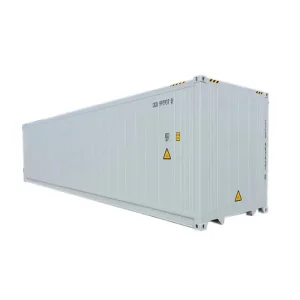

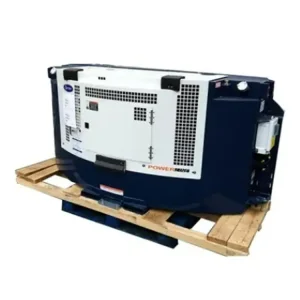
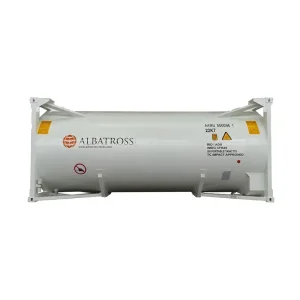
Examining intermodal connectivity, climate fluctuation management, industrial clustering, and international standard compliance.
Situated at the very geographic core of Central Europe, the Slovak Republic serves as a critical junction for European freight transport corridors. Bridging Western European consumer centers with Eastern supply chains, Slovakia has transformed into a high-density manufacturing and logistics hub. Key commercial epicenters, including the Danube-adjacent Bratislava region, Trnava, Nitra, and the industrial centers of Žilina and Košice, handle substantial volumes of temperature-sensitive components daily.
Slovakia's automotive sector—spearheaded by major plants for Volkswagen, Stellantis, Kia, and Jaguar Land Rover—demands extreme reliability for polyurethane adhesives, specialized interior coatings, sealants, and sensitive microelectronics. These components undergo irreversible structural degradation if subjected to thermal shocks or extreme temperature drops typical of Slovakian winters (often dropping beneath -15°C in the northern regions). Passive insulated containers (non-powered thermal retention units) and active reefer systems bridge this supply gap, ensuring exact interior thermal envelopes without the high capital overhead or energy expenditures of dedicated mechanical trailers.
Deploying insulated logistics equipment within Slovakia demands absolute compliance with European Union harmonized standards. All equipment distributed through our OEM pipeline adheres to the strict tenets of:
Adherence to the Agreement on the International Carriage of Perishable Foodstuffs. Verification of Reinforced Insulated Class (IR) retaining overall K-coefficients lower than 0.40 W/m²K under rigorous caloric measurement.
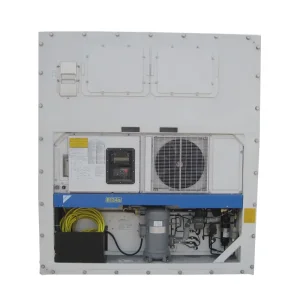
Units integrating mechanical cooling (Carrier, Thermo King, Daikin) utilize eco-conscious, low Global Warming Potential (GWP) refrigerants (R-452A, R-134a, or CO2 systems) ensuring long-term operational legality.
Every structural framing unit carries a certified Convention for Safe Containers (CSC) data plate, validated by Bureau Veritas (BV) or DNV to ensure seamless intermodal handling on Slovak and pan-European rail networks.
Choosing between high-density foam insulated containers and mechanical refrigerated systems depends primarily on shipment duration, cargo sensitivity, and destination infrastructure. For inter-depot movements within Central Europe, our thickened-foam containers reduce operational expenses significantly:
| Performance Metric | Thickened Foam Passive Container | Mechanical Active Reefer | Intermodal Application Scenario |
|---|---|---|---|
| Operating Energy | 0 kWh (Passive Thermal Inertia) | Continuous 3-Phase Electric / Diesel Genset | Passive for Slovak rail shuttle routes; Active for deep-freeze |
| Insulation Core | High-density Polyurethane (PUR/PIR) 80-120mm | Polyurethane Core with T-Bar Flooring | Passive maintains ±3°C drift over 48 hours in typical weather |
| Maintenance Cost | Near Zero (No compressor, moving parts) | Periodic service (oil, filters, refrigerant) | Passive eliminates breakdown risks during dry rail shunting |
| Deadweight Ratio | Lower tare weight, maximum payload | Higher tare weight due to machinery (~450kg extra) | Dense industrial chemicals maximize Slovak weight road limits |
Leveraging Chinese state-of-the-art container fabrication plants delivers unmatched cost advantages and engineering depth for Slovakian enterprises. Operating out of heavy industrial hubs like Tianjin and Suzhou—situated approximately 100 km from major deepwater terminal facilities—our manufacturing processes capitalize on scalable structural steel fabrication, high-pressure polyurethane foaming jigs, and robotic welding precision.
Through our comprehensive OEM and ODM support mechanisms, buyers across Slovakia can configure bespoke insulated units:
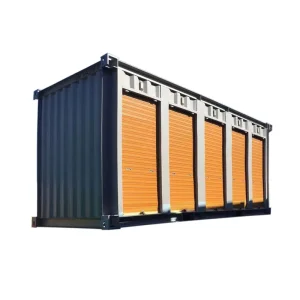
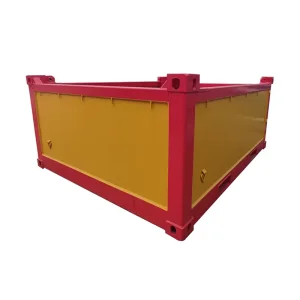
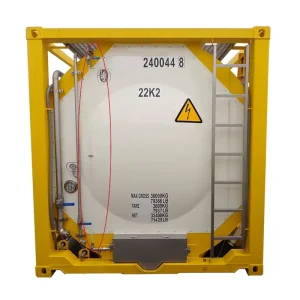
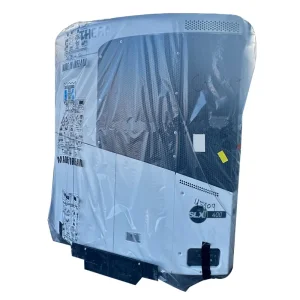
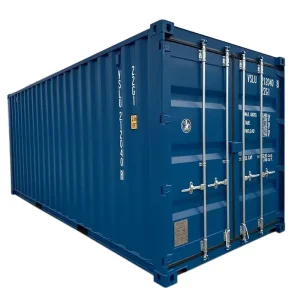
Explore comprehensive ISO-standard, insulated, refrigerated, and modular structural models manufactured to exacting international codes.
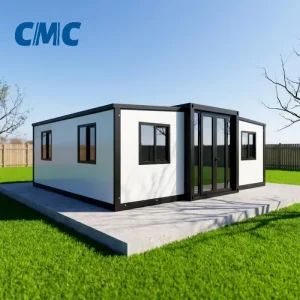
Critical insights into logistics, customs, temperature monitoring, and bespoke engineering.
Most ocean freight shipments depart from North China ports (such as Tianjin or Qingdao) directed via Mediterranean gateways (Koper, Slovenia, or Trieste, Italy) or Northern European ports (Hamburg, Rotterdam). From Koper or Hamburg, direct block trains haul containers directly to Slovak intermodal terminals in Dunajská Streda, Bratislava, or Košice within 28 to 35 days total transit time.
Our insulated containers feature high-density, CFC-free polyurethane foam (PUR/PIR) injected at high pressures between inner stainless steel or GRP skins and the Corten outer structure. With thermal conductivities as low as 0.024 W/mK, the internal thermal mass of dense cargo prevents ambient sub-zero penetration for several days without electrical heating.
Yes. We routinely install ATEX-certified, EN 12830-compliant IoT telematics systems during assembly. These monitor ambient air temperature, relative humidity, door openings, shock, and GPS location in real time via 4G/5G networks, integrating directly with regional ERP and transport management systems in Slovakia.
Every delivery includes full CSC safety plates, Bureau Veritas (BV) or ISO 9001 factory inspection certificates, Bill of Lading, Commercial Invoice, Packing List, and certified ATP test records where applicable. This comprehensive documentation guarantees swift customs handling under the EU Single Market customs framework.
