Intermodal assets pressure-tested, CSC-plated, and calibrated to withstand Indian Ocean maritime logistics challenges.

Analyzing the intersection of transshipment dominance, local manufacturing recovery, and bulk liquid freight mechanics in South Asia.
Sri Lanka, anchored by the high-throughput Port of Colombo and the deep-water infrastructure of Hambantota International Port, sits directly on the world's most critical East-West maritime corridor. As international shipping alliances prioritize regional transshipment hubs, the island nation has evolved beyond traditional break-bulk logistics toward specialized containerized transport.
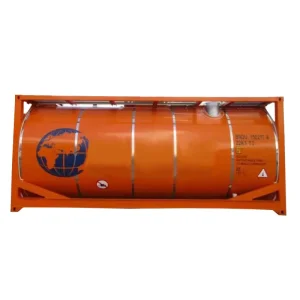
The demand for used ISO tank containers (UN Portable Tanks T11, T14, and specialized baffles) has surged significantly. Local chemical blending plants, agricultural processing facilities (such as coconut oil and oleochemical extraction), and the apparel industry's chemical auxiliary supply chains require resilient bulk storage and intermodal capability without the prohibitive CAPEX of brand-new units.
Recent macroeconomic stabilization policies in Sri Lanka have prioritized capital efficiency and foreign exchange optimization. Procuring refurbished, ISO-certified, and BV/LR-inspected used tank containers allows domestic distributors and terminal operators to scale bulk storage fleets at 40% to 60% lower capital entry barriers than newly built steel tanks.
These assets serve a dual role: dynamic intermodal vessels traversing coastal and feeder routes across Chennai, Chittagong, and Malé, and static bunded storage within Free Trade Zones (FTZs) such as Katunayake and Biyagama, mitigating landside infrastructure limitations.
Customized refurbishing protocols tailored to specific product densities, corrosive behaviors, and thermal profiles.
Certified food-grade T11 units featuring high-grade 316L stainless steel shells, high-efficiency steam heating panels, and rockwool insulation designed for virgin coconut oil, palm kernel derivatives, and fatty acids.
Rubber-lined and PTFE/PFA-coated used tanks reconditioned specifically for hazardous textile processing reagents, sulfuric acid, sodium hypochlorite, and water treatment compounds demanded by local municipalities.
Heavy-duty ISO tanks tailored for marine lubricants, heavy fuel oils, and bitumen logistics. Fitted with top-spill containment boxes, flame arrestors, and calibrated bottom-discharge valves matching local tanker manifolds.
Ensuring second-hand tank containers pass through Sri Lanka Ports Authority (SLPA) and Central Environmental Authority (CEA) protocols seamlessly.
No used tank container should enter service without comprehensive hydrostatic and pneumatic validation. CIMIC Group oversees total technical reconditioning on every decommissioned unit prior to release:
Importing equipment into Colombo or Trincomalee demands exhaustive paperwork. CIMIC units arrive bundled with validated Class Approval Certificates (Bureau Veritas, Lloyd’s Register, or DNV), a clean previous-cargo record (Cleanliness Certificate), and up-to-date CSC Safety Plates. This prevents demurrages, import detentions, and inspection rejections at Sri Lankan bonded yards.
Modernizing pre-owned tank containers for smart fleet monitoring and environmental accountability across the Indian Ocean rim.
Precision shot-blasting, chemical passivation of 316L inner tanks, and re-application of high-solid epoxy marine-grade coatings to counter tropical corrosion.
Complete overhaul with virgin PTFE gaskets, installation of anti-tamper security seals, and retrofitting standard 3-inch BSP/Flange outlets.
Optional ATEX Zone 0 solar-powered telematics integration tracking GPS position, liquid temperature, ullage level, and inner pressure in real time.
Extending dynamic life cycles by an additional 10–15 years, reducing lifecycle steel production footprint by up to 72% per TEU compared to new builds.
In-depth responses compiled by CIMIC technical directors regarding inspection, transit, and localized deployment.
Explore our heavy-duty industrial containers, specialized mineral carriers, and modified intermodal units ready for export.