
Comprehensive Procurement Intelligence, Macro-Supply Logistics & OEM/ODM Engineering Specifications from Premier Chinese Manufacturers
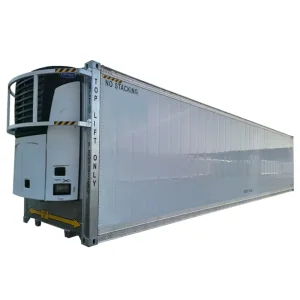
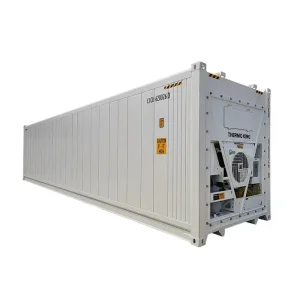
Direct manufacturer ex-work supplies: Cold-chain integrated units, DNV certified offshore modules, and heavy cargo units ready for immediate seaport dispatch.
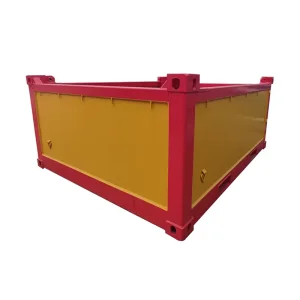
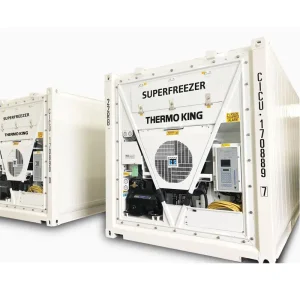
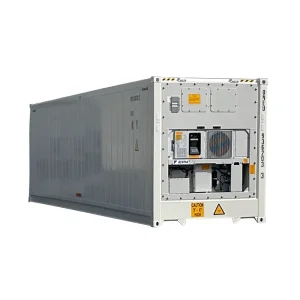
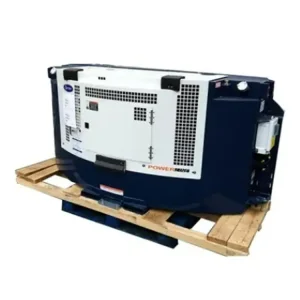
Analysis of production infrastructure, supply-demand equilibrium, raw material indices, and maritime fleet expansion dynamics.
Over 90% of international dry freight and specialized ISO containers originate from Chinese industrial manufacturing clusters. With advanced robotic welding and automatic water-borne paint lines, hubs like Tianjin and the Yangtze River Delta ensure global supply chain resilience, operating with continuous throughput capacities exceeding 3.5 million TEU annually.
The structural integrity of standard intermodal equipment relies exclusively on SPA-H atmospheric corrosion-resistant Corten steel. Fluctuation in cold-rolled coil indices, coupled with environmental compliance conversions toward low-VOC paint protocols, directly defines global export quote structures and equipment operational lifespans.
International compliance mandating the International Convention for Safe Containers (CSC), Bureau Veritas (BV), and Det Norske Veritas (DNV) certification governs all cross-border commercial transactions. Compliance frameworks guarantee structural integrity against dynamic 9-high container vessel stacking thresholds.
Transitioning from static steel envelopes to connected, self-regulating logistics telemetry and green thermodynamic units.
Real-time satellite GPS tracking, integrated digital shock-sensors, door-seal security logs, and predictive internal temperature micro-variations powered by kinetic harvesting.
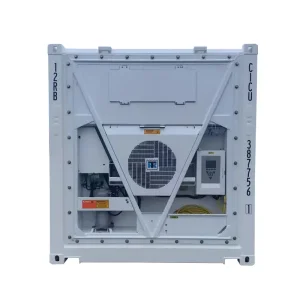
Mandatory transition of cold-chain reefer compression circuits toward ultra-low Global Warming Potential refrigerants (R-513A, CO2 R-744) paired with DC variable-inverter drives.
Advanced hybridization of lightweight micro-alloyed ultra-high-strength steel with composite fiber internal wall panelling to optimize tare weight while preserving 30,480 kg payload limits.
AI-assisted optical character recognition (OCR) and RFID automated corner-casting nodes designed specifically for driverless terminal operations and smart-stack stacking algorithms.
Purpose-engineered equipment customized to resolve complex operational constraints in harsh environments.
DNV 2.7-1 / EN 12079 certified offshore baskets and reefers constructed to endure intense maritime wave impact, explosive air mixtures, and dynamic multi-point crane hoist requirements.
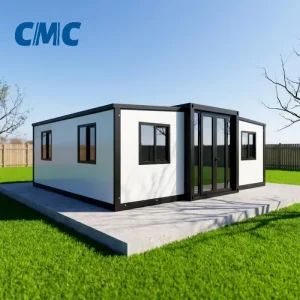
Standardized ISO modular building envelopes repurposed for high-spec workforce housing camps, modular power substations, battery energy storage systems (BESS), and emergency clinic shells.
Specially reinforced 40ft and 45ft pallet-wide dry containers built for transcontinental railway lines, compensating for extreme inland temperature ranges from -40°C in Siberia to +45°C in Central Asia.
High-specification T11/T14 stainless steel containers suited for dangerous chemical derivatives, featuring customized inner baffles, electrical heating systems, and dual rupture-disc relief valves.
Adapting manufacturing parameters to localized climate hazards, logistics infrastructures, and regulatory frameworks.
Exporting to West and East Africa requires upgraded floor coatings and anti-condensation marine paint layers. In seasonal monsoons, passive insulated units or solar-hybrid reefers ensure cold continuity for pharmaceuticals and agriculture where electric grid stability cannot be guaranteed.
European buyers prioritize double-end doors, roller shutters, and full side-opening container variants to support rapid cross-dock operations in dense logistic parks. Equipment adheres to strict CE directives, low-noise refrigeration certification, and REACH chemical standards on paint coats.
Complying with Federal Highway Administration (FHWA) axle weight distribution rules, North American logistics demands 40ft High Cube and specialized lightweight 20ft bulk chassis configurations, using custom high-yield tensile steels to maximize legal grain and mineral payload capacity.
Critical considerations regarding orders, quality certifications, manufacturing lead times, and customs clearing.
Explore heavy-duty bulk handling boxes, railway freight systems, hazardous goods side-access containers, and green energy innovations.
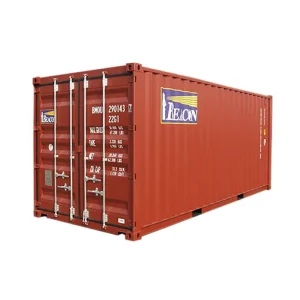

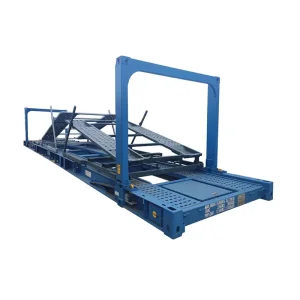
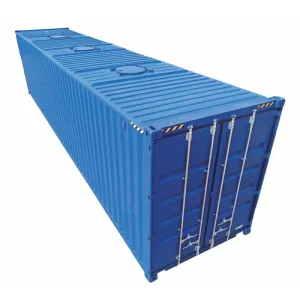
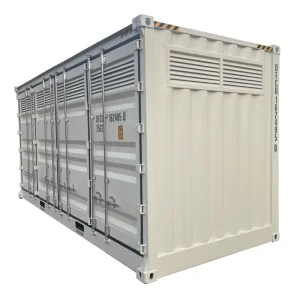
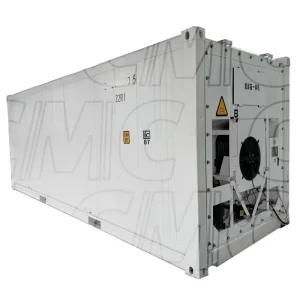
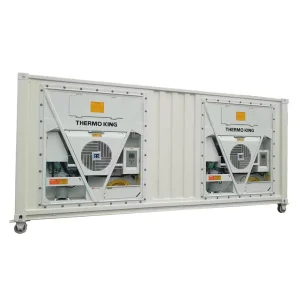
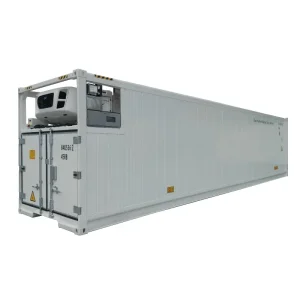
A procedural checklist for procurement teams evaluating container manufacturers and export consolidators.
Request mill test certificates verifying yield strengths of hot-rolled Corten steel (such as SPA-H or equivalent Q345D). Review dry film thickness (DFT) logs, confirming zinc-rich primer base layers (minimum 30μm) topped with durable epoxy and polyurethane marine-grade topcoats exceeding 100μm overall.
Confirm corner castings are manufactured from low-temperature high-toughness cast steel (SCW480 or equivalent), evaluated under ultrasonic non-destructive testing (NDT) to prevent catastrophic fracturing under high-dynamic vessel acceleration moments.
For active refrigerated equipment purchases, demand Pre-Trip Inspection (PTI) historical printouts and computer data log downloads verifying sub-cooling capability down to -25°C within 120 minutes, compressor current draws, resistance checks on heater elements, and vacuum decay limits.