Factory-direct intermodal units engineered in compliance with ISO, CSC, DNV, and BV marine safety accreditations for complex terrestrial and offshore deployments.
The intermodal industry has migrated from commoditized steel boxes to intelligent, high-density enclosures equipped with interior thermodynamic management, active atmosphere stabilization, and automated monitoring.
Internal shipping container environments face catastrophic thermal bridges when subjected to cross-latitude oceanic routes. Chinese state-of-the-art factories now leverage vacuum insulated panels (VIP) paired with continuous closed-cell polyurethane foam cores (thermal conductivity ≤ 0.020 W/m·K), cutting ambient heat ingress by 42% compared to standard dry box configurations.
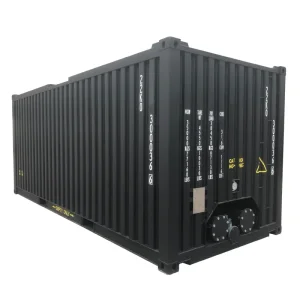
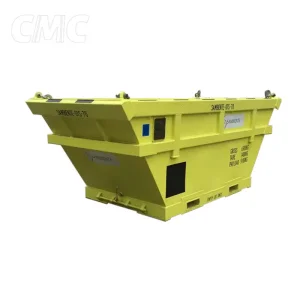
Subsea operations, offshore rigs, and splash zones mandate high impact resistance under dynamic marine hoisting conditions. Our certified silt baskets, half-height ore bins, and modular pressurized cabins undergo Charpy V-notch impact testing at -20°C using high-tensile Corten structural steel (SPA-H), ensuring Zero-Brittle fracture risk during high-sea crane operations.
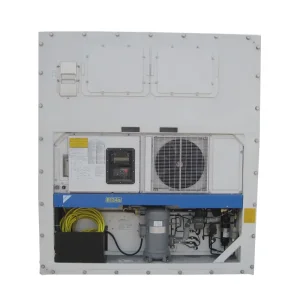
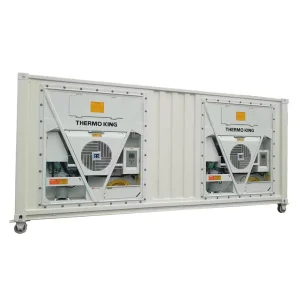
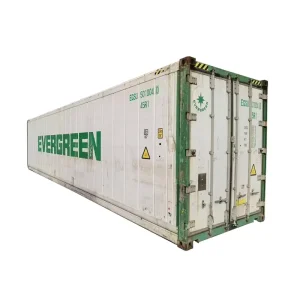
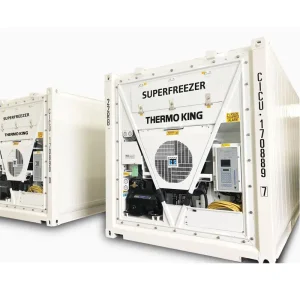
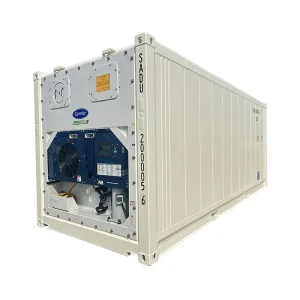
Inside perishable shipping containers, controlling ethylene gas and oxygen-carbon dioxide ratios is paramount. Integrated Daikin, Carrier, or Thermo King cooling suites are engineered alongside factory-calibrated nitrogen infusion valves, retarding produce metabolism to extend trans-Pacific freshness cycles beyond 45 consecutive days.
Navigating international maritime customs, rail clearances, and localized construction codes requires verified metallurgical certification, documented non-destructive testing (NDT), and CSC boundary plating.
Each dry, reefer, and modified ISO unit is fitted with a stainless steel International Convention for Safe Containers (CSC) plate detailing permissible gross weight, stacking capability (up to 216,000 kg for 9-high stacks), and racking test values.
Certified third-party inspectors survey steel gauge thickness, automated submerged arc welding seam integrity, and air tightness at our Tianjin workshops, delivering stamped BV Marine Certificates and DNV 2.7-1 / ISO 10855 offshore endorsements.
Reefer machinery and inside-container modular dwellings feature switchable multi-voltage options (380V/460V 3-phase 50/60Hz; 110V/220V residential circuits) complying with CE, UL, and Australian AS/NZS 3000 wiring rules for prompt local grid interconnection.
Operating inside the Tianjin FTA Pilot Area allows streamlined customs processing, bonded pre-assembly of secondary hardware, and direct dispatch to North China terminals, shaving 7 to 10 days off standard inland transport lead times.
| Container Classification | Structural Metallurgy | Inside Insulation / Lining | Regulatory Standard | Primary Industrial Use-Case |
|---|---|---|---|---|
| 20ft/40ft High Cube Reefer | Corten SPA-H Outer Shell + Stainless MGX Steel | 100mm High-Density PU Foam (CFC-free) | ISO 1496-2, CSC, TIR, ATP | Biopharmaceuticals, Deep Frozen Seafood (-35°C to +30°C) |
| Offshore DNV Silt Basket | Grade 50D Carbon Steel (Sub-zero Tested) | Hot-Dip Galvanized / Epoxidized Interior | DNV GL ST-E271, EN 12079 | Subsea Drill String Tooling, Marine Rig Dredge Waste |
| 20ft Heated Asphalt Unit | Internal Q345R Pressure-Vessel Grade Steel | Rockwool Double-Layer Thermal Cladding | IMO Type 4 / UN Portable Tank / BV | Bulk Bitumen, Heated Heavy Fuel Oil Logistics |
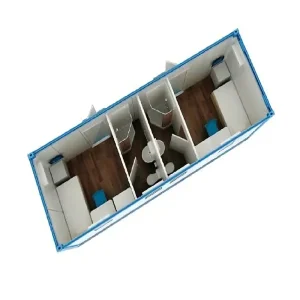
| Prefabricated Modular Habitation | Rigid Box-Channel Tubular Skeleton | Fireproof Glass Wool / Integrated PVC Cladding | CE, ISO 9001, AS/NZS, IBC Codes | Mining Camp Accommodations, Remote Command Hubs |
From deep desert infrastructure sites to open sea petroleum blocks, modified container interiors perform vital industrial, commercial, and logistical functions across demanding operational sectors.
Renewable microgrid operators configure 40ft High Cube containers into high-density battery energy storage stations. Our factories engineer integrated floor reinforcement up to 36,000 kg capacity, aerosol fire suppression ductwork, explosion-relief roof hatches, and localized HVAC cooling to guarantee optimal lithium-ion lifecycle performance.
Modular medical enclosures built inside 20ft and 40ft units feature anti-bacterial stainless steel walls, positive-pressure HEPA air handling, medical-gas routing, and emergency generator hookups, enabling rapid airlift and road positioning during humanitarian or disaster responses.
Server clusters require thermal precision and strict electromagnetic containment. Factory-modified dry shipping containers feature interior server rack arrays, redundant in-row liquid heat exchangers, and biometric security locks, ready for immediate plug-and-play hookup at suburban mobile telecoms and mining sites.
China's container fabrication facilities are evolving into digitalized manufacturing centers, embedding smart IoT telematics, low-carbon composites, and predictive life-cycle monitoring into every intermodal asset.
Low-power interior sensors relay real-time humidity, temperature gradients, oxygen balance, and vibration telemetry via 5G and LEO low-orbit satellite constellations directly to customer logistics consoles.
To reduce emissions, factory lines incorporate carbon-fiber reinforced polymer (CFRP) panels and recyclable non-aromatic waterborne coating systems, shaving dead tare weight by 14% while retaining structural stackability.
Our assembly lines utilize robotic vision and phased-array ultrasonic non-destructive testing (NDT), identifying metallurgical defects or insulation voids down to 0.1 mm precision before shipping from factory grounds.
Precise answers to technical, commercial, and operational queries from global logistics coordinators and fleet directors.
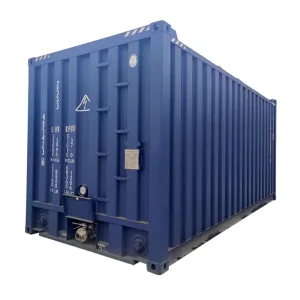
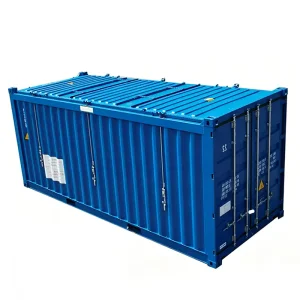
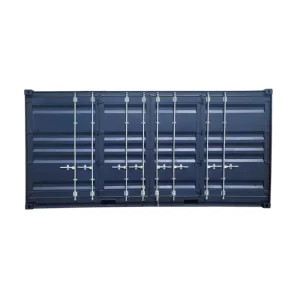
When continuous corrugated side panels are cut to introduce side doors or open tops, horizontal stiffness is compromised. Our engineering office implements reinforced boxed top headers (60x60x4.5mm tube), augmented corner post tie plates, and high-tensile threshold steel, validating structural stability via finite element analysis (FEA) and physical ISO 1496 racking stress tests.
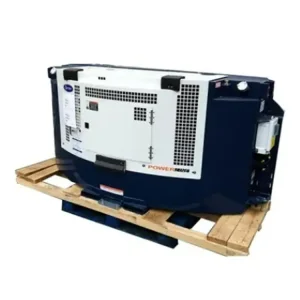
Standard catalog units ship within 7 to 15 calendar days from our Tianjin yard stock. Custom OEM/ODM modified containers (such as specialized power generator housings or sub-zero blast freezers) require 25 to 40 production days, including structural drafting approval, CNC laser profile cutting, automated assembly, multi-coat marine painting, and classification society survey.
Our 20ft heated asphalt containers incorporate internal flue heating tubes alongside direct electrical heating elements and external boiler steam connectivity. Coupled with an external layer of high-density rockwool insulation (50-100mm) protected by a stainless steel skin, bitumen remains fluid or easily reheated upon terminal discharge.
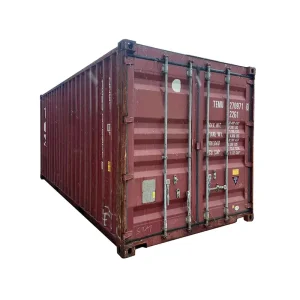
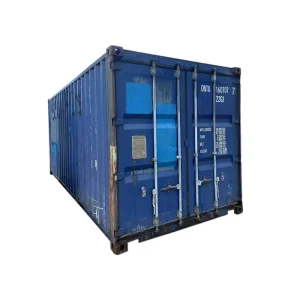
Every second-hand dry cargo or reefer box stored across our Chinese port facilities undergoes comprehensive inspection under IICL-6 (Institute of International Container Lessors) criteria. We verify floor delamination, door gasket seals, locking bar cam tightness, and structural crossmember squareness prior to releasing export bills of lading.
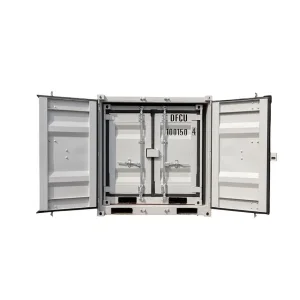
Discover our extended line of mini-storage sets, custom-width side opening units, hard open tops, and high cube deep freezers manufactured directly in China.