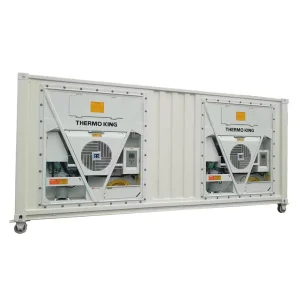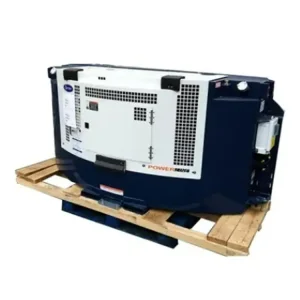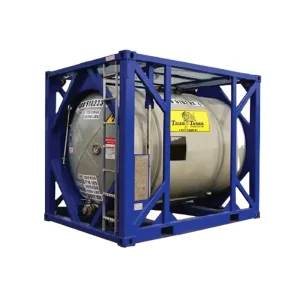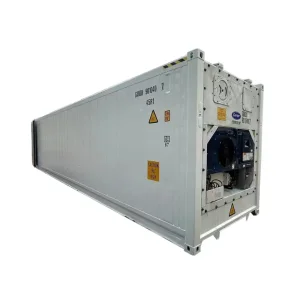
Explore certified intermodal equipment engineered to BV, ISO, and DNV offshore parameters, delivered directly from China's primary manufacturing maritime cluster.
Procuring intermodal hardware requires transparent insight into the macro-economic parameters driving factory-gate quotes. Understanding these fundamental variables shifts corporate buyers from reactive pricing to strategic market timing.
Over half the baseline cost of an ISO sea container tracks directly with structural Corten-A steel spot markets. China's integrated blast furnaces and domestic rolling mills allow producers to hedge raw plate variance, shielding enterprise purchase orders from rapid inflationary swings seen in offshore fabrication sites.
Stricter global environmental compliance mandates low-VOC, waterborne zinc coatings. Chinese production centers utilize fully robotic dual-coat systems that ensure a salt-spray resistance index beyond 1,000 hours, balancing compliance overhead with superior structural anti-corrosion life.
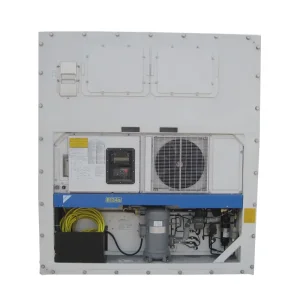
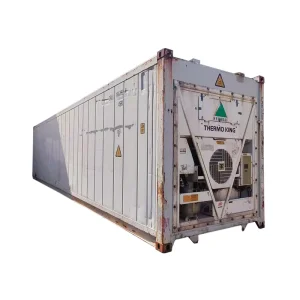
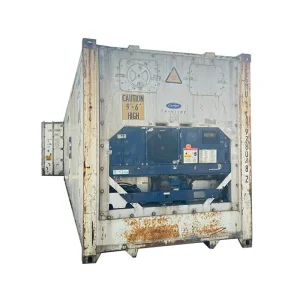
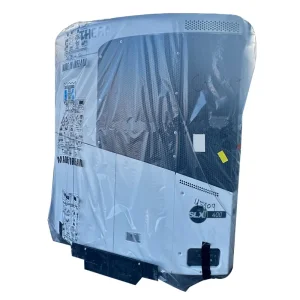
For specialized reefers, machinery integration represents roughly 60% of total asset outlay. Direct relationships with world-tier OEMs—including Daikin, Carrier, and Thermo King—enable Chinese plants to optimize procurement discounts, inverter unit calibration, and pre-trip inspections (PTI) at the earliest manufacturing stage.
China accounts for over 90% of global ISO container fabrication. This industrial concentration is not solely built on low labor rates, but on unparalleled supply chain clustering, logistics proximity, and regulatory engineering cohesion.
Within a two-hour radius of key centers like Tianjin and Suzhou, factories access every sub-tier supplier: corner castings, EPDM door gaskets, high-security lock boxes, bamboo-ply composite floors, and structural roof bows. Zero transcontinental supplier lead times prevent assembly bottlenecks.
Positioned ~100 km from premier maritime gateways like Tianjin Port, manufactured containers avoid exorbitant inland positioning expenses. New empty units often move on "one-way export free lease" journeys directly with major container liners, zeroing out buyer positioning freights.
Units are manufactured to the rigorous oversight of classification societies including Bureau Veritas (BV), ABS, and Det Norske Veritas (DNV). CSC safety plate certifications are registered and riveted on-line, ensuring full seaworthiness for international maritime transport from day one.
| Container Category | Primary Structural Spec | Key Direct Cost Drivers | Target Lifespan |
|---|---|---|---|
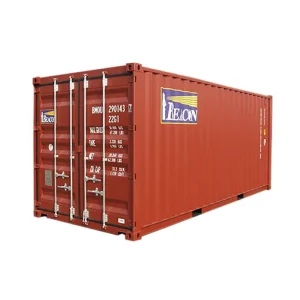
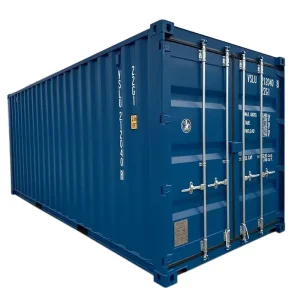
| 20ft / 40ft Standard Dry ISO | SPA-H Corten steel, 28mm hardwood floor | Steel tonnage, primer standard, flooring lumber prices | 15 – 25 Years |
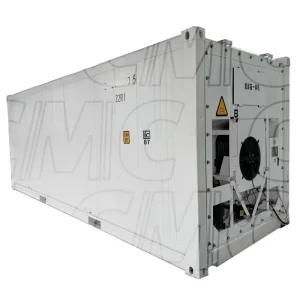
| Cold-Chain / Reefer (Daikin/Carrier) | Stainless interior (MGSS), Polyurethane foam, Scroll unit | Refrigeration machinery, insulation foaming density, PTI testing | 12 – 18 Years |
| Offshore Oil & Gas (DNV 2.7-1) | High-yield structural steel, integrated pad eyes & slings | DNV welding inspection, third-party proof-load testing | 20 – 30 Years |
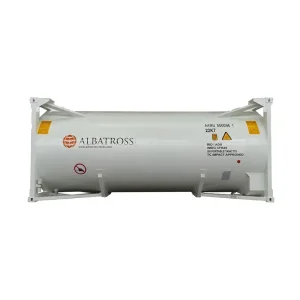
| ISO Dangerous Goods / Tank Container | 316L Stainless steel tank / Expl-proof venting | Pressure vessel certifications, chemical-grade valve sets | 20 – 25 Years |
The intermodal sector is transitioning through an epoch of digitalization, decarbonization, and modular integration. Next-generation buyers look beyond raw cubic volume toward integrated industrial utility.
Modern reefers and security containers now integrate continuous satellite and cellular IoT gateways. Factory-embedded sensors monitor inside temperatures, GPS paths, humidity levels, and door closures in real time, preventing cargo loss and lowering marine transit insurance premiums.
Rising energy prices in off-grid deployments have spurred factory integration of high-efficiency DC inverter units paired with solar-recharged batteries. These smart reefer platforms cut stationary diesel emissions significantly while delivering cold-chain storage at remote agricultural consolidation points.
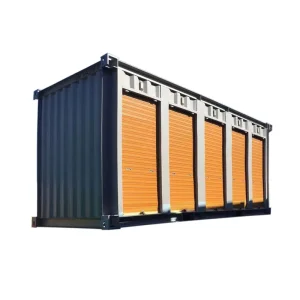
Container architectures are rapidly expanding into Battery Energy Storage Systems (BESS), mobile server data rooms, and high-spec modular housing. Chinese factories engineer structurally fortified, blast-resistant enclosures tailored for localized renewable microgrids and industrial equipment installations.
From deep-sea vessel slots to harsh inland exploration sites, specialized containers serve as resilient infrastructure. See how engineering adaptations answer varied operational demands.
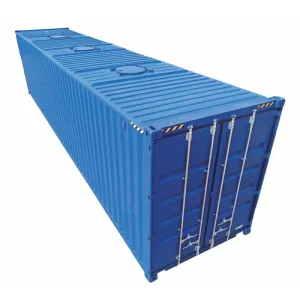
Dense raw ores break standard general-cargo flooring. Heavy-duty half-height ore carrier containers, featuring reinforced sub-frames and low-slung centers of gravity, enable safe bulk haulage from interior pits to oceanic loading terminals, withstanding harsh tippler operations.
For fresh food, meat exports, and pharmaceutical runs, temperature stability is essential. Multi-temperature high-cube reefers, equipped with Carrier or Daikin machinery, serve as mobile modular cold rooms at terminals lacking stationary cold warehouse space.
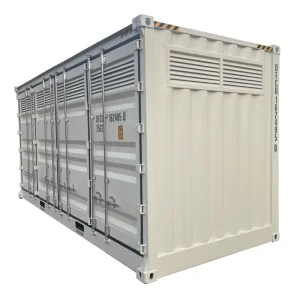
Volatile chemicals, lithium battery consignments, and hazardous industrial chemicals demand explosion-proof louvers, interior spill bunds, non-sparking floors, and side-opening doors that simplify mechanical forklift loading while meeting IMDG compliance.
Enterprise procurement teams avoid spot-market traps by using structured sourcing workflows. Here are the core factors to optimize when buying from Chinese container manufacturers.
Specify exact Corten steel grades, floor ply material (bamboo composite vs. hardwood), floor thickness (typically 28mm), and door hardware requirements. Pinning specs down upfront stops post-quote surprises.
Cut repositioning charges by coordinating one-way cargo leases with shipping lines out of Qingdao, Shanghai, or Tianjin. This approach effectively brings factory-new units to destination ports with minimal sea freight cost.
Make CSC safety plates signed by recognized societies (BV, ABS, Lloyd’s, or CCS) an explicit milestone condition for final commercial balance payments, ensuring unhindered container handling at terminal gates globally.
FOB choices work well if your company maintains a master ocean freight agreement. Otherwise, review CIF or DAP factory-arranged freight options, especially when plants secure bulk vessel deck discounts through seasonal contracts.
Clear, direct answers to common questions about sea container production, quotes, quality checks, and logistics.
Review further options across offshore, reefer, ISO tank, and customized dry units ready for immediate industrial configuration and dispatch.