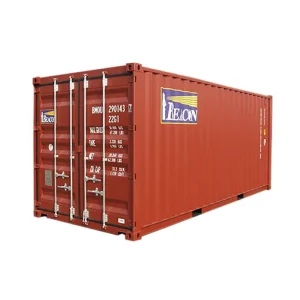
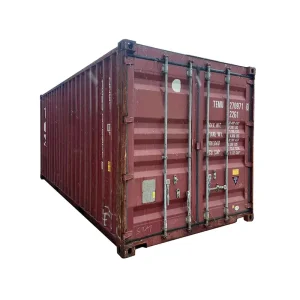
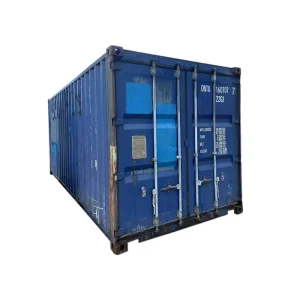
Direct-from-factory ISO container equipment, heavy chassis compatibility setups, and modular units engineered for high payload integrity across global trade corridors.


From standard intermodal haulage to high-tensile modular chassis systems, China's export manufacturing hub combines deep metallurgical metallurgy with automated robotic welding to satisfy strict international highway safety regimes.
Modern container trailers utilize cold-formed thermo-mechanically rolled steels that deliver superior yield strength (>700 MPa) while significantly cutting tare weight. This allows global haulers to maximize dry cargo payloads while remaining fully compliant with regional axle load limitations.
Critical structural components, including the main I-beam web and flange connections, are fused using multi-head submerged arc automated welding lines. Ultrasonic and radiographic non-destructive testing (NDT) eliminates internal porosities and stress fractures under dynamic twisting loads.
Surface finishing protocols feature comprehensive SA 2.5 automatic grit blasting followed by zinc-rich epoxy priming and polyurethane marine topcoats. Systems withstand over 1,000 hours of continuous ASTM B117 salt spray exposure, ensuring durability in harsh coastal corridors.
| Trailer / Chassis Configuration | Compatible Container Types | Tare Weight (Approx.) | Rated Payload Capacity | Axle & Suspension Architecture | Global Compliance Target |
|---|---|---|---|---|---|
| 20ft ISO Intermodal Skeletal | 20ft Dry, 20ft Tank Container, 20ft Open Top | 3,800 kg - 4,200 kg | 30,500 kg - 35,000 kg | Dual / Tri-Axle FUWA or BPW 13T, Leaf / Air | ISO 1496, ADR, DOT/FMVSS |
| 40ft Gooseneck Container Trailer | 40ft Standard Dry, 40ft High Cube (HC) | 5,200 kg - 5,600 kg | 40,000 kg - 45,000 kg | Tri-Axle 13T/16T, Mechanical or Air Suspension | EU Directives, GCC, Australian ADR |
| Multi-Configuration Combo Slider | 1x40ft, 2x20ft, or 1x20ft Center-Mounted | 6,100 kg - 6,500 kg | 48,000 kg GVWR | Heavy-Duty Tri-Axle with Front Lift Axle option | North American Bridge Law, CSC, TIR |
| Heavy Terminal Port Bomb-Cart | 20ft, 40ft, 45ft Port Transfers & Internal Yards | 7,800 kg - 8,500 kg | 65,000 kg Off-Highway | Rigid Walking Beam Suspension, Solid / Dual Tires | Port Operating Safety Standards, CE |
Procurement directors across North America, Europe, Australia, and the Middle East prioritize durability, twist-lock alignment speed, and low operational friction over initial acquisition capital.
Forged alloy container twist-locks engineered to strict ISO 1161 standards guarantee exact corner fitting engagement. CNC laser-cut mounting beds eliminate dimensional drift, saving crucial turnaround minutes at crowded marine intermodal gates.
By specifying maintenance-free sealed hub units, branded dual-circuit WABCO ABS/EBS braking systems, and JOST heavy-duty two-speed landing legs, fleet managers decrease unscheduled roadside downtime by over 38% throughout a 10-year service lifecycle.
Weight-reduced skeletal chassis incorporating perforated structural members and optional aluminum air reservoirs, rims, and landing gears allow logistics operators to burn less diesel on unladen return legs, driving Scope 3 ESG supply chain targets.
Container trailers do not operate in a vacuum. Successful logistics operations coordinate custom chassis engineering with specialized intermodal container assets to solve severe transport challenges.
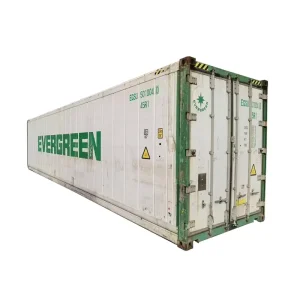
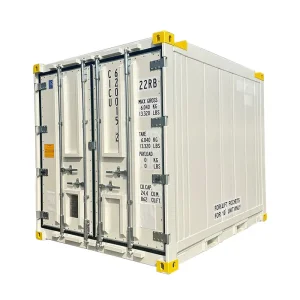
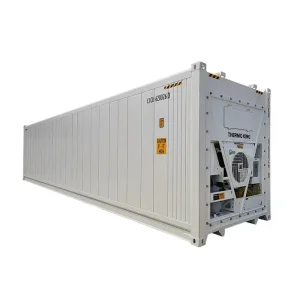
Engineered for temperature-controlled pharmaceutical and perishable shipments requiring continuous power during long inland transit corridors.
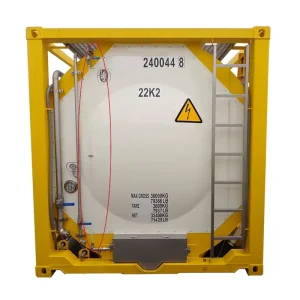
Purpose-built 20ft drop-frame skeletal trailers configured for low center of gravity liquid transportation across municipal roadways.
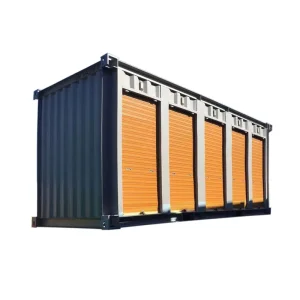
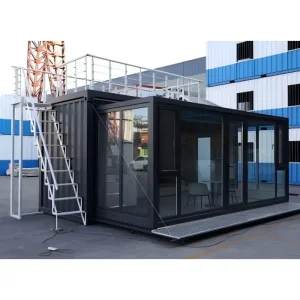
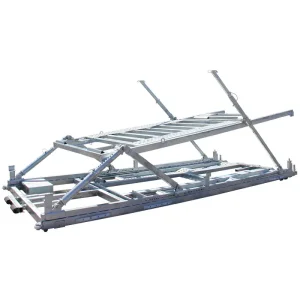
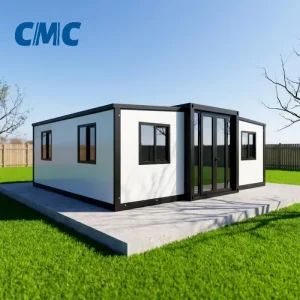
Rapid relocation and offloading systems designed for expandable container houses, site offices, and self-storage parks.
Ensuring that imported trailers and shipping container systems clear customs smoothly and obtain immediate highway licensing requires deep structural adherence to international technical mandates.
For shipments bound for the United States and Canada, chassis incorporate FMVSS-121 compliant dual-circuit air brake systems with 2S/1M or 4S/2M ABS configurations. Complete electrical harnesses utilize pre-molded sealed harnesses with DOT-certified LED illumination.
Trailers exported to EU member states comply with European Whole Vehicle Type Approval (WVTA). Key components—including braking valves, kingpins, drawbars, and underrun protection—carry official 'e/E' mark approval documents, satisfying stringent roadworthiness verifications.
Containers manufactured at our facilities bear valid International Convention for Safe Containers (CSC) safety approval plates. Offshore logistics units conform to rigorous DNVGL-ST-E271 / EN 12079 structural design, pad-eye lifting proofs, and non-destructive weld testing protocols.
The transition toward digitized logistics demands connected trailers capable of edge-computing load data, reporting structural health, and interfacing with zero-emission commercial tractors.
Next-generation trailers feature solar-harvesting satellite/cellular IoT gateways. Fleets track dynamic axle weight real-time via air suspension pressure sensors, monitor brake pad wear, measure tire pressure (TPMS), and detect twist-lock latch status remotely.
To meet net-zero carbon goals, developmental container trailers integrate electric regenerative braking axles. Recovered kinetic energy charges an underslung 48V-400V lithium battery bank, supplying zero-emission electrical power directly to reefer cooling units without burning diesel.
Incorporating carbon fiber reinforced polymers (CFRP) and ultra-high-strength boron steel in crossmembers and bumper sections reduces tare weight by a further 12-15% while improving cyclical fatigue endurance under high-frequency rail-car piggyback loading.
Detailed technical and logistical answers directly from our senior engineering and export operations departments.
We primarily use heavy-duty low-alloy high-tensile steels: Q345B for standard structural members and Q460 or T700 for main beam webs and flanges subject to concentrated stresses. Yes, we provide full OEM and ODM customization. You can configure kingpin heights (90mm or 50mm interchangeable), landing gear brands (JOST, Fuwa), suspension setups (mechanical multi-leaf, parabolic, or pneumatic air-ride), and twist-lock layouts to match your local bridge formula laws.
To optimize shipping economics, we stack standard skeletal trailers in nests of 3 or 4 units, securing them with certified heavy-duty lashing plates and corner weld locks for shipment via Breakbulk, Ro-Ro, or 40ft High Cube containers (SKD/CKD). In SKD format, the running gear, landing legs, and drawbar assemblies are bundled compactly, allowing three 40ft skeletal trailers to fit inside a single 40ft HC container, substantially lowering per-unit freight charges.
An ISO container chassis is designed for public highway transport, featuring full road-homologated suspensions, dual-circuit ABS/EBS brakes, complete lighting, and manual or pneumatic twist-locks. In contrast, a terminal bomb-cart (yard chassis) is an off-highway, ultra-heavy-duty trailer engineered exclusively for port container terminals. Bomb-carts feature prominent flared guide plates for rapid blind crane drops, rigid unsprung suspension, and solid tires with gross vehicle ratings reaching 65,000 kg.
Yes. Our tank containers and matching carrier trailers are fully engineered to comply with the International Maritime Dangerous Goods (IMDG) Code, RID/ADR for European overland chemical haulage, and USDOT regulations. Tank vessels are manufactured with 316L stainless steel, passivated, insulated, and inspected under Bureau Veritas or Lloyd's Register oversight. Our reefer units feature certified CSC plates with machinery options from Thermo King, Carrier, or Daikin.
Review our heavy cargo platforms, roll-up storage units, certified freezers, and economical refurbished fleets ready for immediate seaport loading and dispatch.