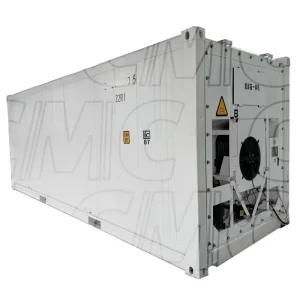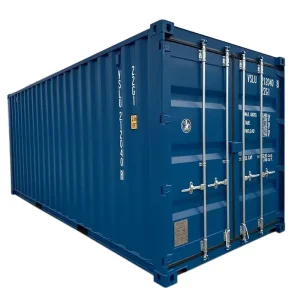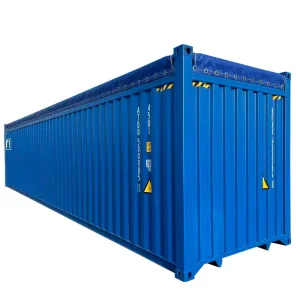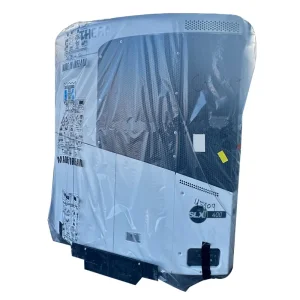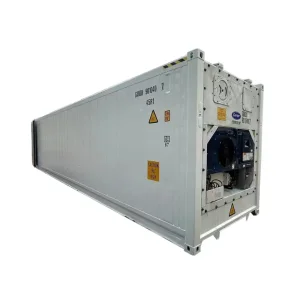
Direct factory production lines verified to CSC, BV (Bureau Veritas), and ISO tolerances for intermodal road, marine, and offshore infrastructure.
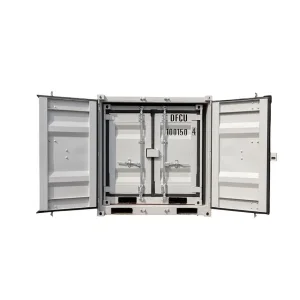
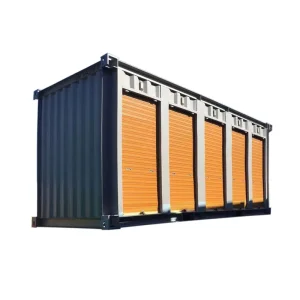
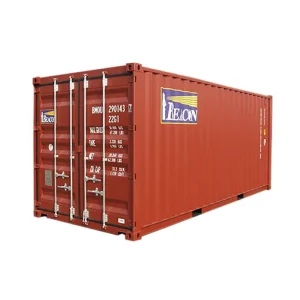
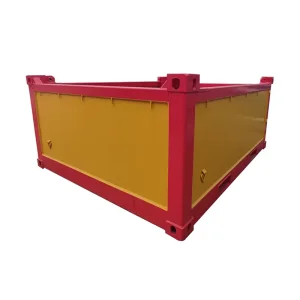
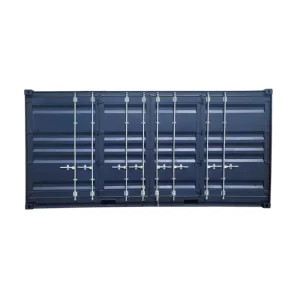
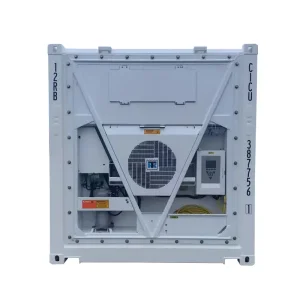
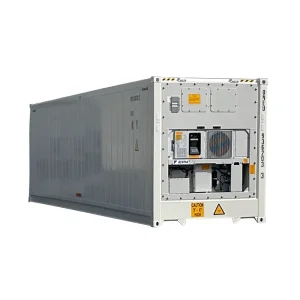
Precision engineering metrics comparing standard ISO dimensions versus 9'6" High Cube variants. Understanding volumetric payload gains and structural load limits.
In global multimodal supply chains, the extra 1 foot (305 mm) of vertical height provided by High Cube (HC) shipping containers alters freight consolidation economics. Operating under the international ISO 668 (Series 1 freight containers — Classification, dimensions and ratings) and certified via CSC (International Convention for Safe Containers), high cube units elevate internal cubic capacity by approximately 12% to 15% without expanding horizontal yard footprints or rail gauge allowances.
| Dimensional Metric | 40ft High Cube (40' HC Dry) | 40ft Standard Dry (40' GP) | 20ft High Cube (20' HC Dry) | 40ft HC Reefer (Refrigerated) |
|---|---|---|---|---|
| External Length | 12,192 mm (40' 0") | 12,192 mm (40' 0") | 6,058 mm (19' 10.5") | 12,192 mm (40' 0") |
| External Width | 2,438 mm (8' 0") | 2,438 mm (8' 0") | 2,438 mm (8' 0") | 2,438 mm (8' 0") |
| External Height | 2,896 mm (9' 6") | 2,591 mm (8' 6") | 2,896 mm (9' 6") | 2,896 mm (9' 6") |
| Internal Length | 12,032 mm (39' 5.7") | 12,032 mm (39' 5.7") | 5,898 mm (19' 4.2") | 11,583 mm (38' 0") |
| Internal Width | 2,352 mm (7' 8.6") | 2,352 mm (7' 8.6") | 2,352 mm (7' 8.6") | 2,290 mm (7' 6.1") |
| Internal Height | 2,698 mm (8' 10.2") | 2,393 mm (7' 10.2") | 2,698 mm (8' 10.2") | 2,553 mm (8' 4.5") |
| Door Opening Width | 2,340 mm (7' 8.1") | 2,340 mm (7' 8.1") | 2,340 mm (7' 8.1") | 2,290 mm (7' 6.1") |
| Door Opening Height | 2,585 mm (8' 5.8") | 2,280 mm (7' 5.8") | 2,585 mm (8' 5.8") | 2,535 mm (8' 3.8") |
| Cubic Capacity | 76.2 m³ (2,694 cu.ft) | 67.7 m³ (2,390 cu.ft) | 37.4 m³ (1,320 cu.ft) | 67.5 m³ (2,385 cu.ft) |
| Tare Weight (Nominal) | 3,900 kg (8,598 lbs) | 3,750 kg (8,267 lbs) | 2,350 kg (5,180 lbs) | 4,480 kg (9,876 lbs) |
| Max Gross Weight (M.G.W.) | 30,480 / 32,500 kg | 30,480 / 32,500 kg | 30,480 kg (67,200 lbs) | 34,000 kg (74,950 lbs) |
| Max Payload Rating | 28,600 kg (63,052 lbs) | 28,730 kg (63,338 lbs) | 28,130 kg (62,020 lbs) | 29,520 kg (65,080 lbs) |
Strategic metallurgy, fully automated robotic welding, and seamless coastal port connectivity driving over 85% of the world’s intermodal container supply.
China's vertical integration with blast-furnace rolling mills supplies atmospheric corrosion-resistant SPA-H steel at unmatched economies of scale. High-grade copper-phosphorus microalloying yields exceptional yield strength (≥345 MPa) and seawater pitting resistance for multi-decade life cycles.
Positioned within 100 km of Tianjin Port and eastern coastal nodes (Qingdao, Shanghai, Ningbo), direct factory-to-quayside trucking cuts inland drayage costs. Containers can be picked up empty or pre-loaded with domestic export cargo (one-way freight free cabotage) to slash transit tariffs.
Equipped with 6-axis robotic welding lines that ensure leak-proof corrugated side panels and roof sheets. High-precision laser tracking guarantees square corner casting tolerance deviations remain under 1.5 mm, ensuring seamless stacking across 9-high container vessel cellar guides.
Emerging regulatory standards, circular lifecycle imperatives, and smart IoT architectures transforming ISO containers into active supply chain terminals.
International Maritime Organization (IMO) clean marine mandates and VOC reduction limits have propelled our factory lines to transition to waterborne zinc-rich primers and polyaspartic topcoats. This dramatically curbs factory volatile emissions while preserving C5-M marine corrosion resistance.
Modern 40ft High Cube reefers and dry boxes are increasingly specified with factory-recessed satellite and cellular IoT modems. Real-time temperature sensors, door breach detection, internal shock sensors, and atmospheric gas monitoring stream live data directly into logistics ERP systems.
The global transition to renewable grid stabilization and edge computing relies heavily on 20ft and 40ft High Cube enclosures for Battery Energy Storage Systems (BESS). Factory customization includes structural floor beam reinforcement (>15,000 kg battery payload) and specialized ventilation duct cutouts.
How diversified industrial sectors deploy specialized High Cube formats to resolve complex operational bottlenecks.
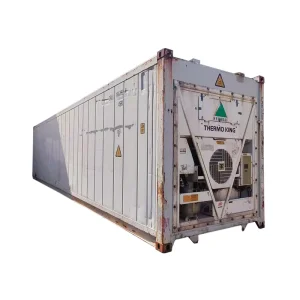
Utilizing 40ft HC Carrier, Daikin, and Thermo King refrigerated boxes, perishable exporters maintain pinpoint setpoint precision between -35°C and +30°C. The elevated 2,553 mm internal height allows unrestricted high-velocity bottom-air delivery across deep T-floor duct systems, preventing cold spots during high-density strawberry or frozen seafood voyages.
Demanding North Sea and Gulf of Guinea offshore environments require containers rated for dynamic wave impact lifting. Our factory fabricates DNV-certified offshore dry boxes, baskets, and reefers with specialized pad eyes, 4-point certified wire-rope sling sets, and Charpy impact tested steel grades down to -20°C.
Standard containers demand meticulous end-door hand-truck stacking. Our 20ft and 40ft High Cube full side-opening and double-door configurations allow direct side-loading via heavy forklifts. This condenses loading turnaround cycles at distribution centers from 120 minutes down to under 25 minutes per cycle.
In-depth engineering answers addressing CSC safety limits, road tunnel heights, Corten steel preservation, and custom OEM alterations.
A standard ISO container has an exterior height of 8 feet 6 inches (2,591 mm), whereas a High Cube container measures 9 feet 6 inches (2,896 mm). This provides exactly 1 foot (12 inches or 305 mm) of additional vertical clearance, elevating interior ceiling height from 7' 10.2" to 8' 10.2" (2,698 mm) and yielding roughly 12-15% more volume.
When placed on a standard high-profile skeletal chassis (gooseneck trailer), total clearance height is approximately 4.15m to 4.25m. In jurisdictions with strict 4.0m bridge and overpass limits (such as parts of Europe and East Asia), shippers must deploy low-bed gooseneck container chassis (drop-deck chassis) which seat the container base lower, comfortably staying below regulated overhead clear lines.
The International Convention for Safe Containers (CSC) plate signifies structural certification approved by an authorized classification body (such as Bureau Veritas, ABS, or DNV). It documents critical structural data: Maximum Operating Gross Mass, Allowable Stacking Weight (typically 216,000 kg for 9-high stacking), and Racking Test Load Values. Ocean shipping lines strictly refuse to hoist any container lacking an active, valid CSC plate.
ISO shipping container flooring is engineered with 28mm thick, multi-ply hardwood marine plywood (such as apitong or keruing) pressure-treated with anti-fungal and insecticide compounds compliant with Australian Quarantine and Inspection Service (AQIS) standards. Floor assemblies feature hot-rolled channel cross-members spaced closely to safely withstand a front axle wheel test load of 5,460 kg (ISO 1496-1).
Yes. When modifying standard structural corrugation for roll-up doors, full-length side-open bifold doors, or equipment access portals, our factory engineers insert heavy-gauge rectangular structural steel tubing (RHS) reinforcement frames. These transfer vertical corner-post loads across the bottom side rails, ensuring the container remains fully ISO stackable or structurally compliant for stationary installation.
A new (one-trip) Corten-A container manufactured in our factory with automated anti-corrosion zinc coatings possesses an active oceanic multimodal service life of 20 to 25+ years. Premium inspected retired containers ("90% new" or cargo-worthy condition) generally have 10 to 15 years of operational life remaining for static storage or domestic haulage at roughly 40-50% lower capital entry expense.
Explore our full line of specialized ISO tanks, open tops, double-doors, and modular containers direct from our Chinese fabrication facility.