

Engineered to international classification criteria. Review standard and high-cube units configured for cryogenic performance, hazardous containment, and bulk material logistics.
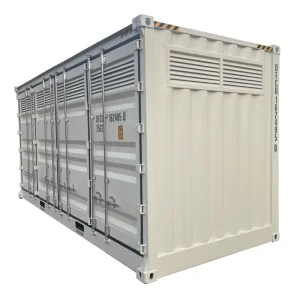
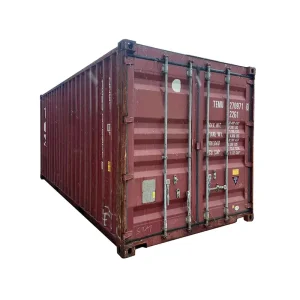
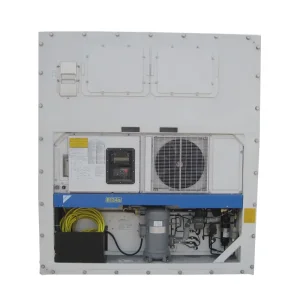
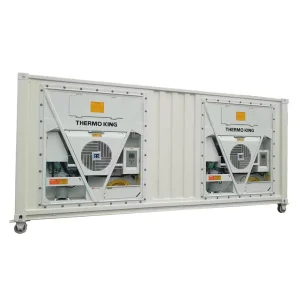
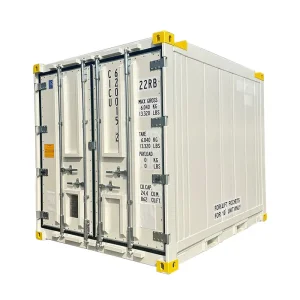

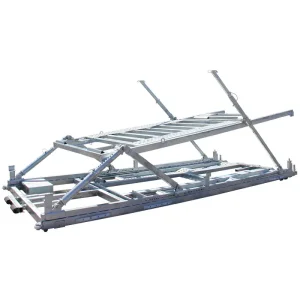
Analyzing fundamental market structural shifts: decarbonization regulations, cold-chain integrity requirements, and algorithmic supply chain demands redefining intermodal assets.
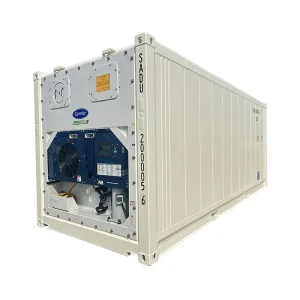
The standard ISO reefer has transformed into a dynamic edge-computing node. Global pharma cold chains and perishable shipping lines demand real-time IoT atmospheric balancing, continuously reporting interior temperature, relative humidity, oxygen concentration, and power fluctuations via satellite uplink. Modern OEM fabrication must accommodate pre-wired structural conduit conduits, anti-interference shielded sensor housings, and auxiliary self-charging battery packs.
Escalating fuel surcharges and strict emission guidelines (IMO 2030/2050 benchmarks) drive continuous demands to minimize tare weight while expanding volumetric and payload thresholds. Advanced OEM plants leverage micro-alloyed SPA-H weathering Corten steel alongside structural laser-welded sandwich panels. By shaving upwards of 350 kg per 40ft HC chassis without compromising structural integrity or ISO 1496-1 racking tolerances, operational lifecycle carbon offsets are drastically amplified.
Global procurement teams no longer treat containers as single-use capital liabilities. Fleet managers prioritize equipment built with recyclable fluorocarbon-free polyurethane thermal core insulations, waterborne electrostatic primer coatings compliant with global VOC regulations, and modularized repair panels. This circular design profile enables direct end-of-life secondary conversion into modular architecture, battery energy storage systems (BESS), or mobile emergency response nodes.
How state-of-the-art robotic automation, maritime port adjacency, and complete vertical metallurgy integration establish insurmountable supply velocity for global enterprise buyers.
Eliminating micro-structural failure along primary load paths: Our fabrication hubs deploy 6-axis synchronous multi-pass robotic arc welding gantries. Floor cross-member integration, bottom side rail assemblies, and corner casting welds undergo continuous ultrasonic non-destructive testing (NDT). Automated shot-blasting reaches SA 2.5 surface cleanliness, providing flawless adhesion for zinc-rich epoxy primers engineered to withstand 1,500 hours of continuous ASTM B117 salt spray exposure without micro-blistering.
Centrally located within the Tianjin and Suzhou economic corridors, our fabrication networks tap directly into specialized sub-supplier networks within a 50 km logistics radius. Whether procuring primary refrigeration compressors directly from Carrier, Daikin, or Thermo King, sourcing T-floor extruded aerospace aluminum, or incorporating ASME VIII div. 1 pressure vessels for ISO tank containers, our agile, just-in-time component pipelines bypass global transshipment bottlenecks, slashing standard lead times by 35% compared to regional competitors.
Comprehensive comparative metrics across our primary container classifications, benchmarked against rigorous international certification thresholds.
| Classification | Material Core Standard | Thermal / Impact Rating | International Approvals | Primary Industrial Use-Case |
|---|---|---|---|---|
| ISO Dry Cargo (20ft / 40ft HC) | Corten-A (SPA-H) Structural Steel | Yield point ≥ 345 MPa; Hardwood Marine Ply (28mm) | ISO 1496-1, CSC, BV, ABS | Intermodal Containerized Freight, General Cargo, Warehousing |
| Active Reefer Containers | MGSS Outer, SUS304 Inner, PU Foam Core | K-Value ≤ 0.38 W/(m²·K); Range -35°C to +30°C | ATP, ISO 1496-2, TIR, USDA Cold Treatment | Pharma, High-Value Perishables, Cryogenic Food Export |
| DNV Offshore Enclosures | High-Yield Structural Steel EN 10025-S355 | Charpy V-Notch ≥ 27J at -20°C (Offshore Lift Impact) | DNV GL-ST-E271, EN 12079, IMO MSC/Circ.860 | Subsea Oil & Gas Drilling Rigs, Platform Asset Ferrying |
| ISO Tank Containers (UN Portable) | Stainless Steel 316L / Inner PTFE Liner | Test Pressure: 4.0 - 6.0 Bar; Working: -40°C to +130°C | IMDG, ASME VIII, ADR/RID, US DOT | Volatile Chemical Feedstocks, Food-Grade Liquids, Industrial Gases |
Container architectures engineered specifically for extreme terrestrial climates, high-vibration intermodal corridors, and harsh marine environments.
Navigating cross-Eurasian rail lines and high-altitude transits requires specific low-temperature steel resiliency. Standard steels experience ductile-to-brittle transitions at -20°C; our sub-zero railway builds employ normalized S355NL steel variants paired with internal electric trace heating strips around door perimeter gaskets to prevent seal bonding and vacuum door locks during winter operations.
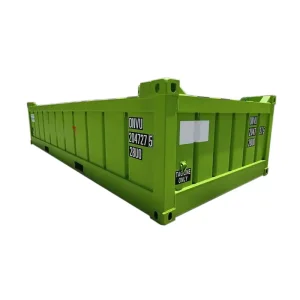
Bulk mineral extraction sites require extreme floor-yield tolerances. Our heavy-duty half-height ore containers feature continuously welded internal corners, low center-of-gravity side walls, and integrated heavy-lift trunnions for automated rotators. Reinforced bottom corners distribute the extreme dynamic stresses caused by high-density minerals such as copper concentrates, iron ores, and lithium bauxite.
The offshore oil, gas, and wind sectors demand flawless structural safety. Fabricated under stringent DNV GL-ST-E271 and EN 12079 criteria, units are built to endure dynamic lateral and vertical g-forces during rough-sea crane lifts. Every lifting pad-eye is fully welded through internal gusset plates and certified via 100% magnetic particle inspection (MPI) and eddy-current testing.
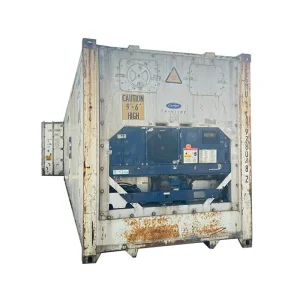
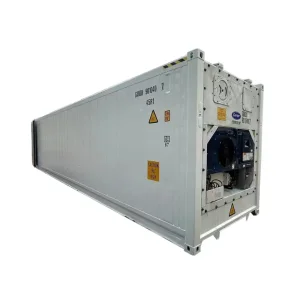
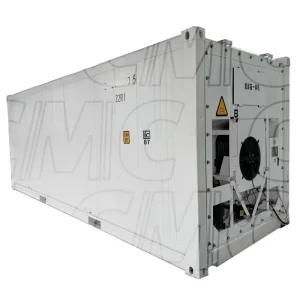
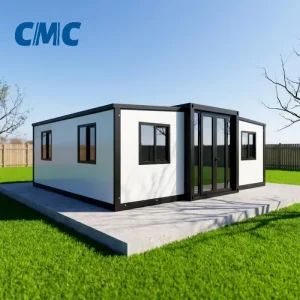
Explore heavy-duty refrigerated solutions, modular living capsules, and DNV offshore frames available for immediate production line allocation or rapid port dispatch.
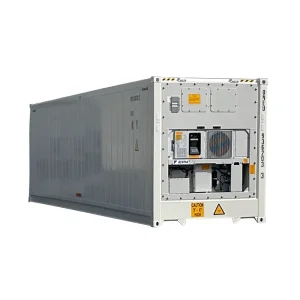
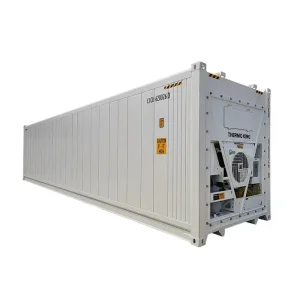
Essential guidance on regulatory standards, structural metallurgy, refrigeration performance, and long-term asset management.