
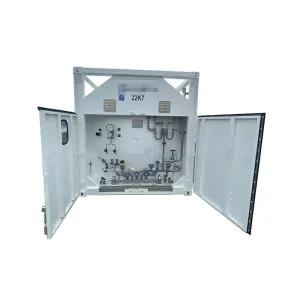
China T75 20ft Cryogenic Liquid Tank Container Product, Factories
Product Details
Certified ISO dry boxes, deep cryogenic tanks, platform structures, and modular chassis payloads rigorously engineered for heavy-duty container truck transport operations worldwide.
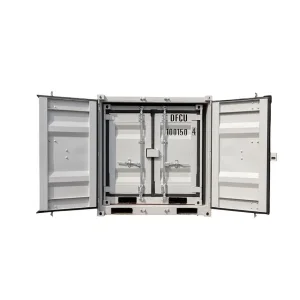
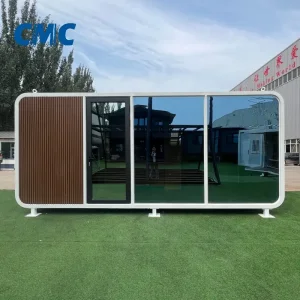
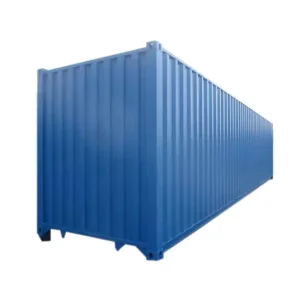
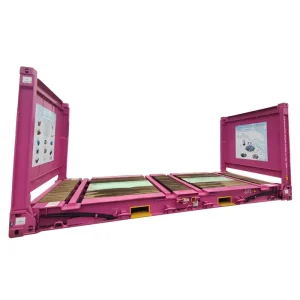
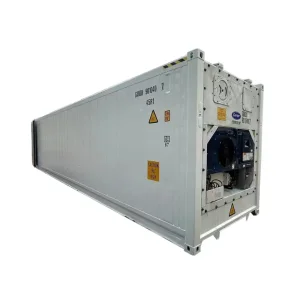
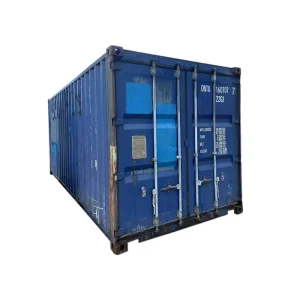
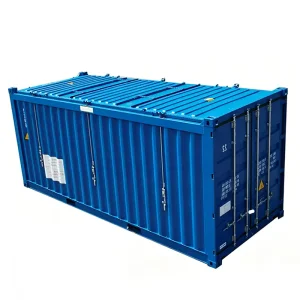
A comprehensive treatise on metallurgy, automated submerged-arc frame welding, kinematic weight balancing, and ISO twist-lock structural interfaces for global intermodal fleets.
In modern intermodal freight operations, an OEM shipping container truck is not merely a tractor unit paired with a flatbed; it represents a finely calculated mechanical assembly. The skeletal chassis semi-trailer is structurally configured to interface seamlessly with standard ISO corner castings (ISO 1161) through forged alloy twist-locks. The dynamic loads experienced during high-speed highway haulage, acute-angle port terminal turns, and emergency braking exert multi-axis torsional stress across the chassis longitudinal I-beams. Engineering a chassis capable of supporting payloads from 20ft heavy tank containers (up to 36,000 kg gross weight) to 40ft High-Cube dry boxes requires deep expertise in finite element analysis (FEA), high-strength micro-alloyed steels, and deflection management.
CIMIC Group’s manufacturing infrastructure leverages over four decades of specialized engineering evolution since 1983. By utilizing automated submerged-arc robotic welding and cold-formed high-tensile steel (such as Q345B and ultra-lightweight Q690D), the chassis tare weight is dramatically lowered while structural payload capacity is optimized. This lightweight engineering directly translates into higher net freight payloads per haul, ensuring compliance with strict axle-load mandates across the EU, North American DOT regulations, and the African Union axle-load limits.
The structural longevity of shipping container truck chassis and ISO container frames is determined by the metallurgy selected for critical stress points. Marine and highway environments introduce aggressive corrosion through salt-fog exposure, airborne de-icing chlorides, and mechanical abrasion. Standard structural carbon steels quickly degrade under these conditions, leading to micro-fissuring and catastrophic weld failure.
| Structural Component | Material Specification | Yield Strength (MPa) | Tensile Strength (MPa) | Corrosion & Wear Resistance |
|---|---|---|---|---|
| Chassis Main Longitudinal Beams | Q345B / Q690D Micro-alloy | ≥ 345 to 690 MPa | 490 – 820 MPa | Shot-blasted to Sa 2.5 + Epoxy Zinc-Rich Primer |
| ISO Container Corner Castings | Cast Steel SCW480 (ISO 1161) | ≥ 280 MPa | 480 – 650 MPa | Electro-galvanized / Hot-Dip Anti-corrosion |
| Corrugated Wall & Roof Panels | Corten SPA-H (Weathering Steel) | ≥ 355 MPa | ≥ 490 MPa | Atmospheric patina barrier formation (5x standard steel) |
| Retractable Container Twist-Locks | 42CrMo Drop-Forged Alloy | ≥ 930 MPa | ≥ 1080 MPa | Quenched and tempered high-cycle anti-shear finish |
| Cryogenic Tank Shell (T75) | 06Cr19Ni10 (AISI 304/316L) | ≥ 205 MPa | ≥ 520 MPa | High vacuum multilayer insulation + deep cryo resilience |
From advanced robotics and integrated steel mills to coastal intermodal marshaling yards, explore how our Tianjin and Suzhou production centers streamline global procurement.
Located just ~100 km from Tianjin Xingang port, our facility drastically reduces inland pre-carriage costs. Finished containers and skeletal truck chassis roll directly from factory inspection bays to port container terminals, mitigating demurrage and enabling real-time vessel bookings across major trans-Pacific, trans-Atlantic, and Afro-Eurasian trade routes.
We do not simply offer catalog builds. Our dedicated engineering office provides one-to-one consultation to configure goose-neck skeletal trailers, tri-axle air-suspension chassis, roll-up reefer boxes, and multi-compartment tank container units tailored specifically to your destination country's legal road profiles and climate extremes.
Every single weld seam undergoes non-destructive ultrasonic flaw detection and radiographic inspection. Completed container boxes endure pressurized water-spray tests under ISO 1496 guidelines to guarantee 100% weather tightness, while skeletal trailers undergo high-load dynamic braking and structural load deflection testing prior to issuance of CSC safety plates.
The global shipping container truck and trailer sector is experiencing an unprecedented technological shift driven by electrification, telematics, and intermodal standardization.
Electric container terminal drayage trucks and regenerative e-axle skeletal chassis capture braking energy to autonomously power auxiliary refrigeration units (reefers) without burning fossil fuels.
Integrated sensory modules monitor twist-lock engagement, real-time axle payload distribution, tyre pressure monitoring systems (TPMS), and container interior climate metrics streamed via 5G satellite uplink.
Substituting conventional mild steel with high-grade hot-rolled Q690D alloys and composite floorings cuts skeletal trailer unladen tare weight by up to 1,200 kg per unit, maximizing payload efficiency.
Flexible "combo-chassis" designs capable of hauling either one heavy 20ft container centered for optimal axle load balance, two 20ft empty containers, or a single 40ft/45ft high-cube unit effortlessly.
Operating container trucks requires adaptive mechanical tuning to ensure equipment withstands local road profiles, environmental heat, and specific industry supply-chain requirements.
High-cycle shuttle operations between marine container berths and inland freight stations (CFS). Trailers feature heavy-duty landing gear, wear-resistant steel rubbing plates, and high-frequency quick-locking twist-locks to withstand multiple daily container transfers with zero downtime.
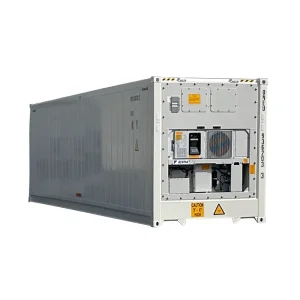
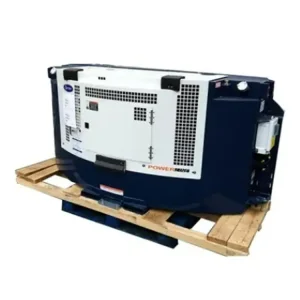
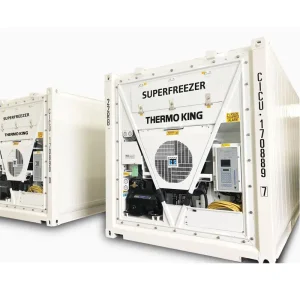
Engineered for continuous temperature-controlled pharmaceutical, seafood, and agricultural transit. Chassis are factory-prepped with under-slung diesel genset mounts, integrated electrical junction boxes, and vibration dampers to prevent reefer compressor damage during overland trips.
Heavy mineral haulage and offshore supply chain logistics in Sub-Saharan Africa, Australia, and South America. Built with reinforced parabolic leaf springs or multi-point mechanical suspensions, heavy-duty spoke wheels, and high-tensile rock guard underbelly shielding.
Enterprise logistics directors evaluate container transport fleets through the lens of lifetime durability, asset depreciation, maintenance downtime, and resale residual value.
Deploying advanced finite element stress modeling allows our design team to hollow out low-stress zones in the web plate of the main beams. A reduction of 800 kg per chassis enables an extra 800 kg of paying cargo per trip without breaching statutory bridge formula or gross vehicle mass (GVM) thresholds.
Traditional spray paint breaks down within 24 to 36 months under marine salt-spray. CIMIC applies automotive-grade KTL (Cathodic Electrophoresis) primer combined with baked powder topcoats, providing over 1,500 hours of salt-spray endurance and ensuring a pristine appearance for over a decade.
We build our container trailers using globally recognized brand components—including BPW/FUWA axles, WABCO dual-line ABS/EBS braking systems, and JOST kingpins and landing legs. This guarantees that replacement parts are readily accessible in over 120 countries, minimizing fleet downtime.
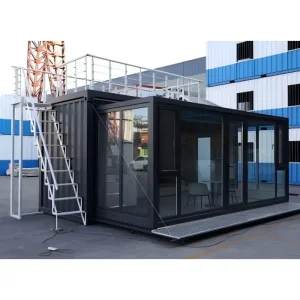
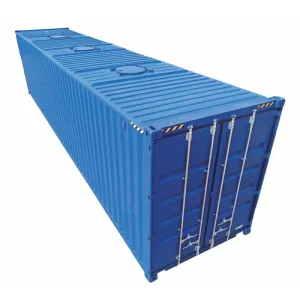
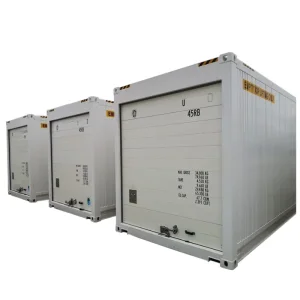
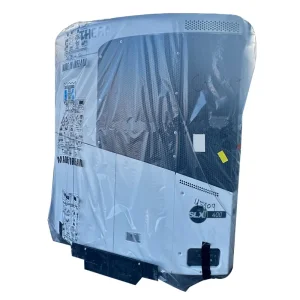
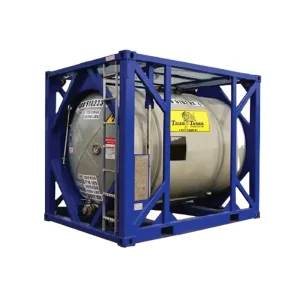
Explore heavy-duty mobile cold-storage units, bulk dry freight solutions, roll-up configurations, genset systems, and certified offshore containers built to exact customer specifications.
Direct answers from our senior chief engineers regarding technical compatibility, international certifications, payload calculations, and factory production lead-times.